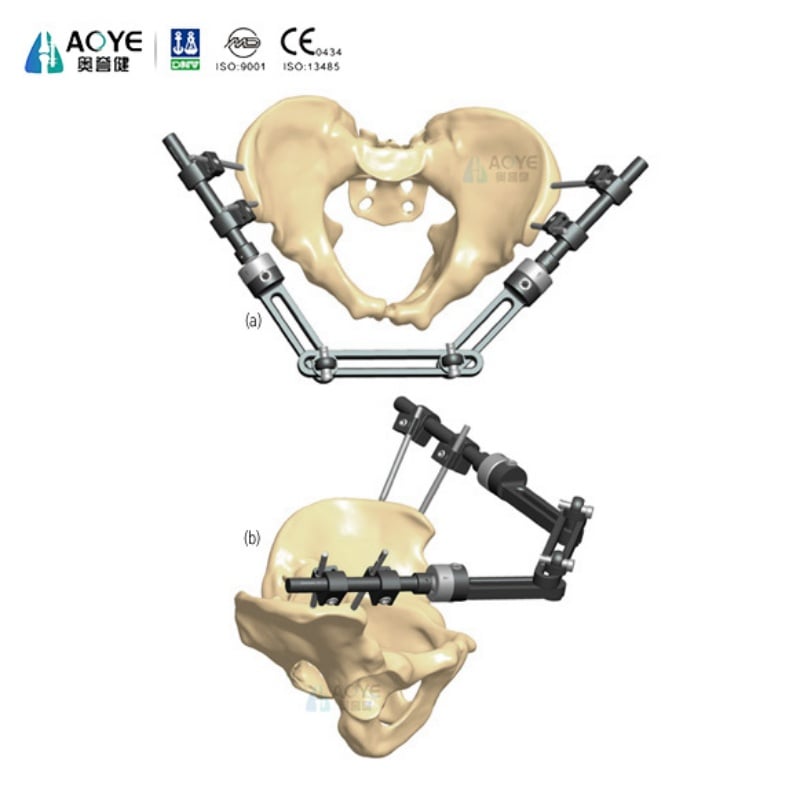
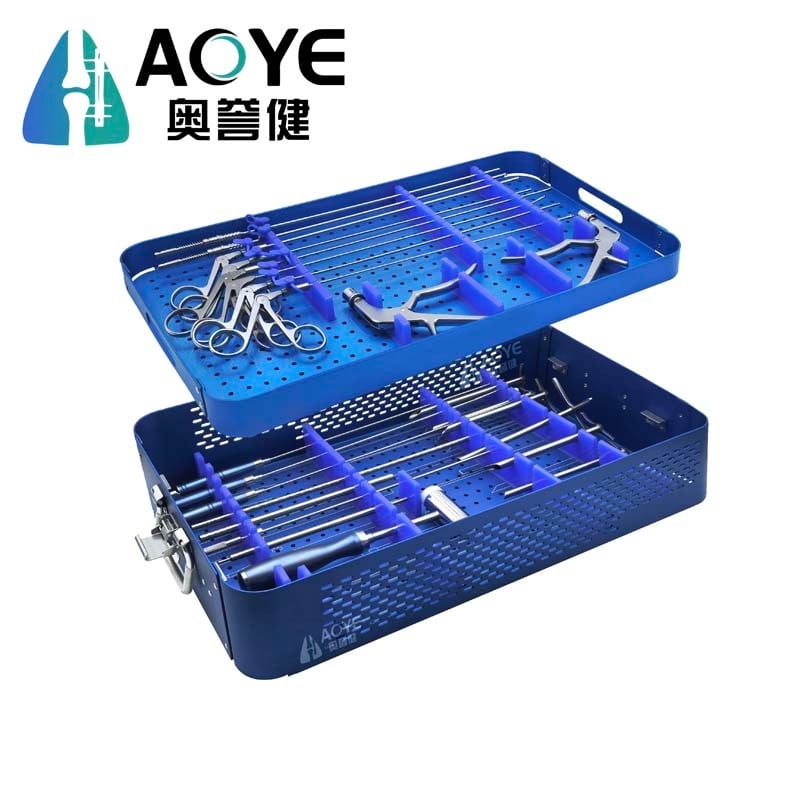
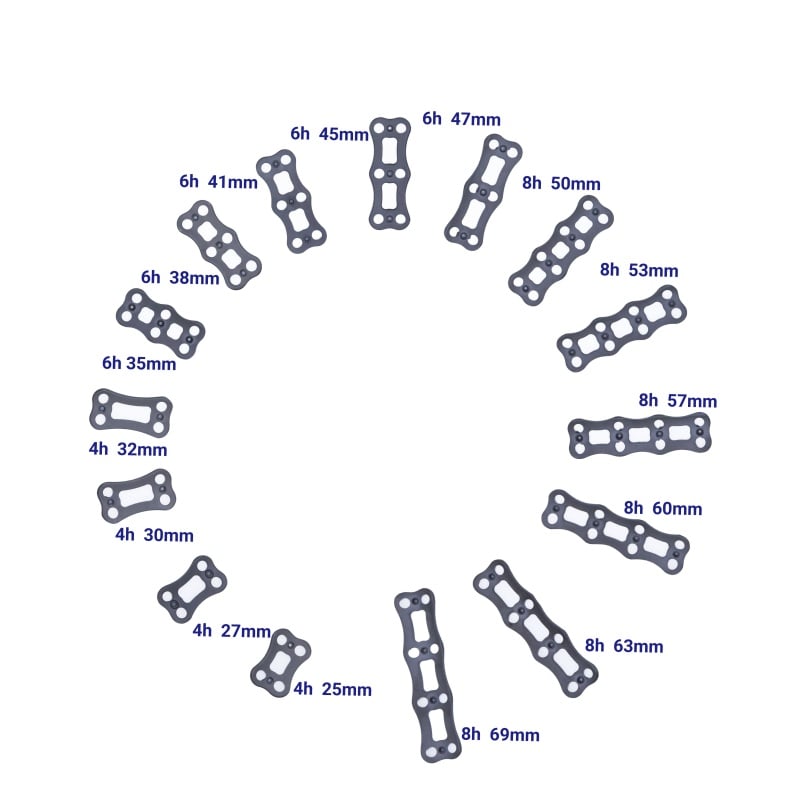
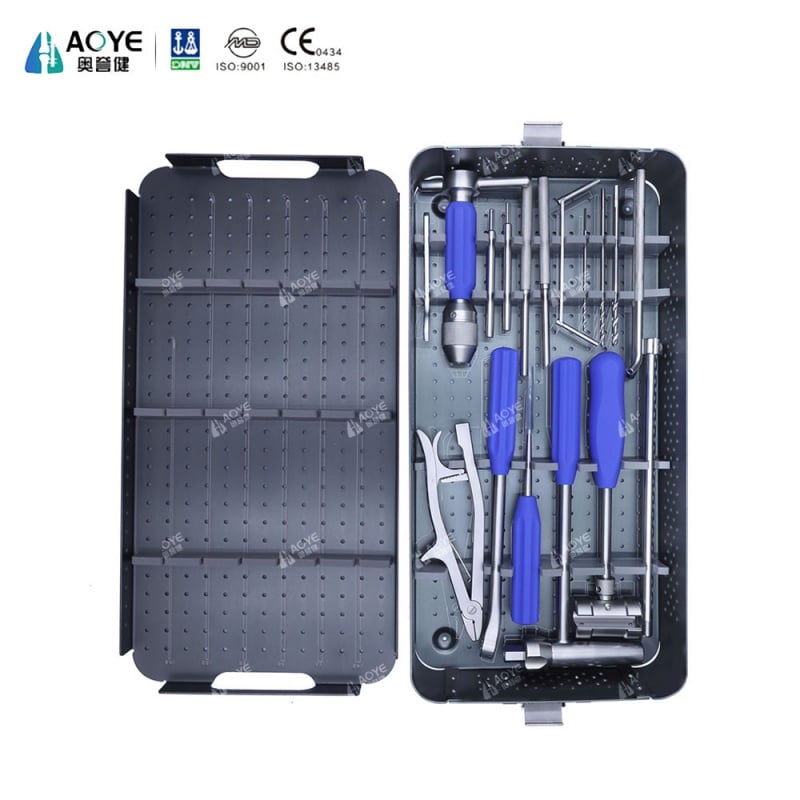
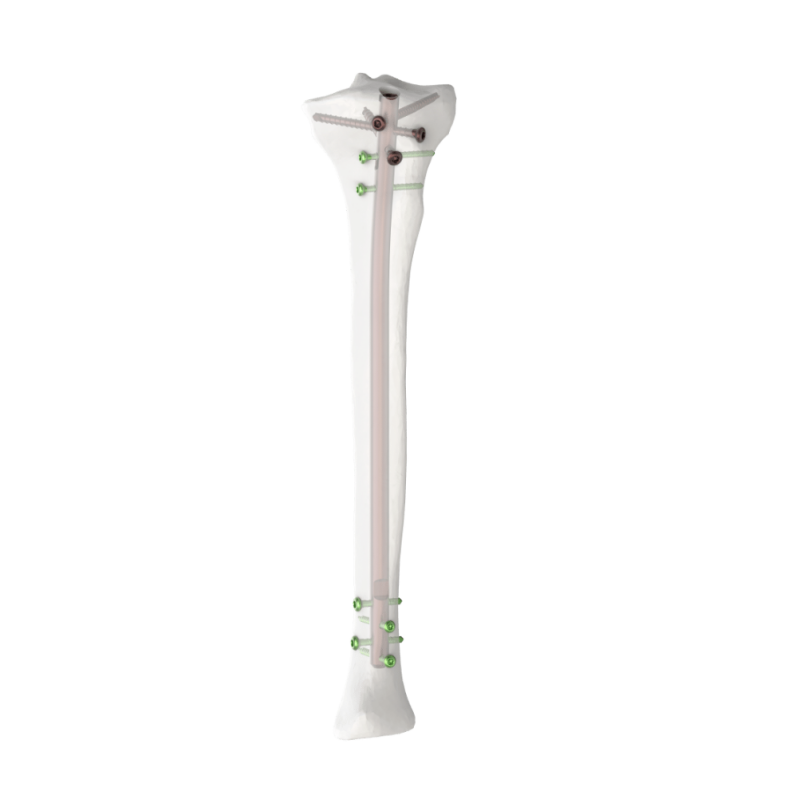
Locking plates are crucial components in orthopedic surgeries, providing stability and support for fractured bones. As a B2B buyer, understanding the nuances of locking plates particularly those used in orthopedic external fixator applications is essential for making informed purchasing decisions. This article will guide you through key considerations when selecting locking plates, including their specifications, sourcing reliable suppliers, installation guidance, and the advantages of various materials.
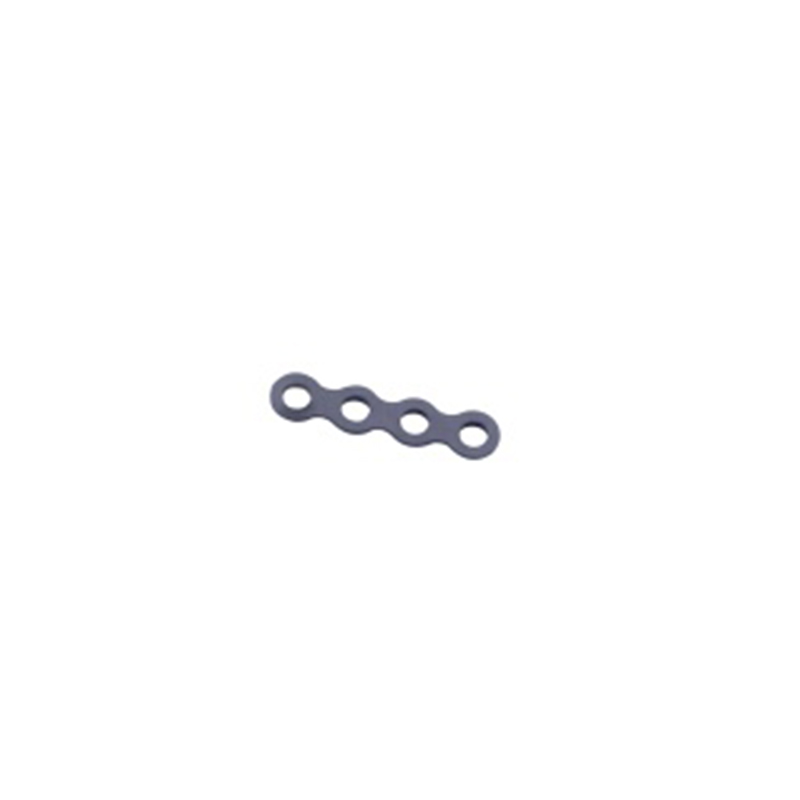
Selecting the appropriate locking plate for orthopedic applications involves several critical factors. First, consider the type of fracture or injury being treated. Locking plates are designed for specific anatomical locations and can vary greatly in size and shape. You’ll need to align the plate type with the bone structure it will support, ensuring that it fits well within the anatomical constraints.
Next, assess the locking mechanism of the plate. The locking mechanism enhances stability by providing fixed-angle constructs, which can significantly improve the healing process compared to traditional plates. This is particularly important in cases where bone quality is compromised.
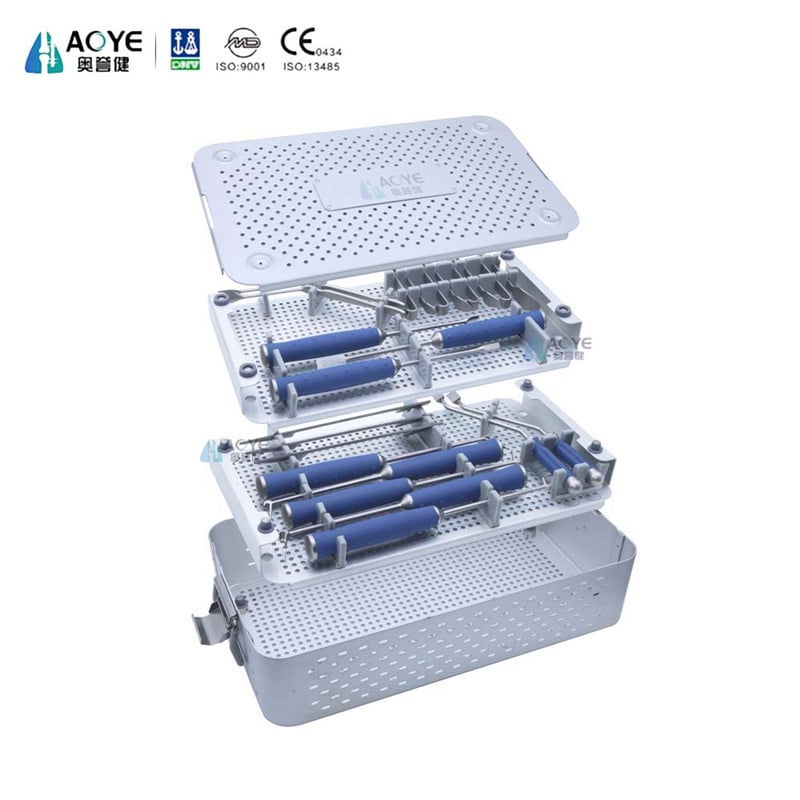
Lastly, evaluate the compatibility of the locking plate with other orthopedic instruments you may use during the procedure. It’s crucial that the plate integrates seamlessly with screws and the surgical tools specific to your practice or hospital protocols.
Finding a trustworthy supplier for locking plates is paramount. Start by identifying manufacturers with a proven track record in the orthopedic field. Look for ISO13485 certification, which indicates adherence to quality management systems specifically for medical devices. Aoyujian Medical, for example, is an established manufacturer that supplies orthopedic medical devices implants and instruments to partners in over 45 countries, ensuring a level of reliability in their products.
Engage with suppliers that offer comprehensive product catalogs online, allowing you to review specifications and applications. Compare various suppliers based on their responsiveness, customer service, and willingness to provide samples for evaluation. Establishing a partnership with a supplier that has a history of serving healthcare professionals can lead to better product insights and support.
When evaluating locking plates, several specifications should be carefully considered:
Material Composition: Common materials include titanium and stainless steel. Titanium is favored for its lightweight and biocompatibility, while stainless steel is known for its strength and durability. The material choice can affect the plate's performance in different environments.
Thickness and Dimensions: The thickness of the orthopedic drill bit plate can influence its strength and ability to support the bone. Ensure that the dimensions are suitable for the specific application and that they accommodate the anatomical features of the patient.
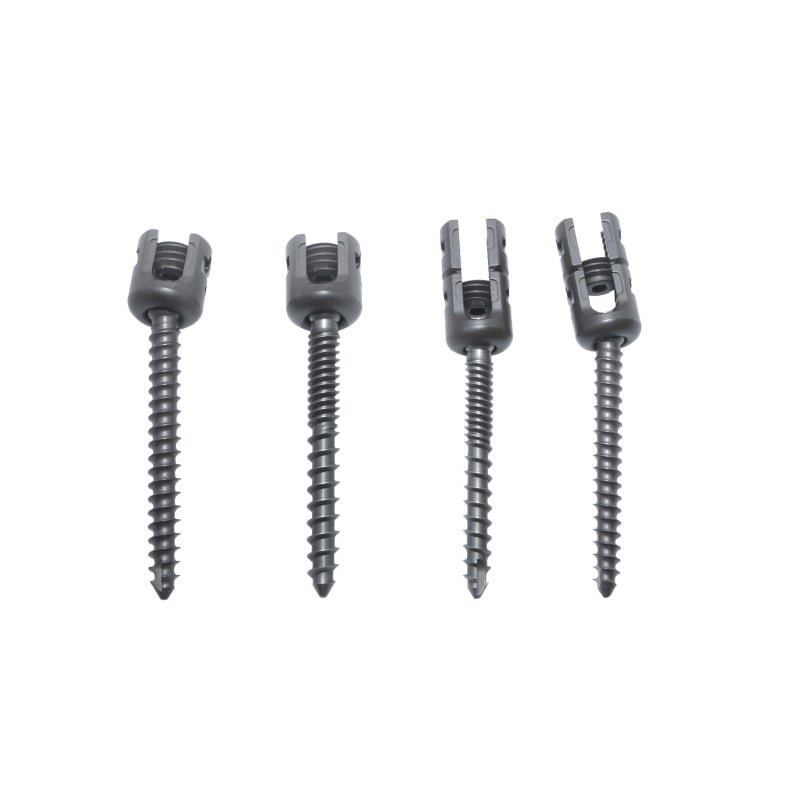
Screw Compatibility: Check the type and size of screws that are compatible with the plate. Locking screws should fit snugly into the locking holes of the plate to ensure maximum stability.
Surface Finish: The surface finish can impact osseointegration and infection rates. Plates with a roughened surface may promote better bone attachment compared to smooth surfaces.
Load-Bearing Capacity: Consider the load requirements specific to the application. The plate must be able to withstand the forces exerted during normal activity while allowing for biological healing.
By confirming these specifications, buyers can ensure that the locking plates they procure will meet the clinical demands of their orthopedic procedures.
Proper installation of locking plates is vital for their effectiveness. Here are some key steps to consider during the surgical procedure:
Preoperative Planning: Review the patient’s anatomy through imaging studies to determine the optimal placement of the locking plate. This planning phase should include discussions with the surgical team to align on techniques and tools.
Technique: Use a systematic approach when positioning the plate. Ensure it is aligned correctly with the fracture line. The locking screws should be inserted at the appropriate angles to maximize stability.
Torque Control: When fastening the screws, use a torque-limiting device to avoid over-tightening, which can lead to screw stripping or plate failure.
Post-Operative Evaluation: After installation, conduct imaging to verify that the locking plate and screws are positioned correctly and that there are no immediate complications.
Following these guidelines will help ensure that the locking plates are installed effectively, reducing the risk of post-operative issues.
The material selection for locking plates plays a crucial role in their performance and longevity.
Titanium: Known for its excellent strength-to-weight ratio, titanium is favored in orthopedic applications due to its corrosion resistance and biocompatibility. Its lightweight nature reduces patient discomfort post-surgery.
Stainless Steel: This material offers exceptional strength and is often less expensive than titanium. It is highly durable, making it suitable for high-load applications. However, it is heavier, which can be a consideration in certain patient populations.
Coatings and Treatments: Some locking plates may undergo coatings that enhance their performance, such as hydrophilic coatings that can improve biocompatibility and reduce infection risk.
Selecting the right material not only impacts the immediate performance of the locking plates but also influences long-term outcomes. Buyers should consider the specific requirements of their patient populations and the conditions under which the plates will be used.
In summary, understanding the intricacies of locking plates ranging from selection to installation and material advantages—empowers B2B buyers in making informed decisions. Whether you are sourcing for a hospital or a private practice, these considerations will help ensure that the orthopedic solutions you provide are reliable and effective.
Aoyujian Medical Technology provides trusted orthopedic solutions, high-quality implants, OEM/ODM services, and global shipping for hospitals & distributors.
No. 2 Changting Road, Gehu Farm, Wujin Economic Development Zone, Changzhou, Jiangsu, China
Copyright © Aoyujian Medical Technology (Changzhou) Co., Ltd. All Rights Reserved - Privacy Policy - Blog
 EN