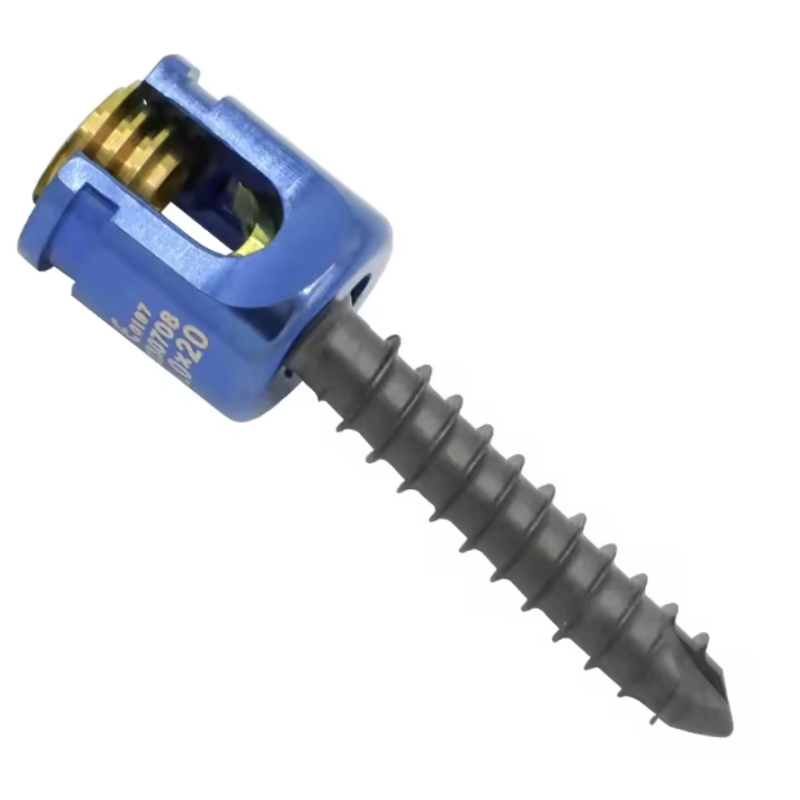
The orthopedic bone saw is a critical surgical instrument designed for precise cutting and shaping of bone during orthopedic procedures. As a purchasing manager or medical professional, understanding the specifications, quality, and manufacturing practices surrounding orthopedic bone saws is essential for making informed procurement decisions. This article will guide you through choosing the right Aoye bone saw orthopedic, evaluating key specifications, and understanding the quality assurance practices that are vital for reliable product performance.
Selecting the right orthopedic bone saw involves assessing several factors to ensure the tool meets your specific application requirements. Consider the type of surgery being performed—trauma, spine, or sports medicine—as different procedures may necessitate different saw designs and features. The size and weight of the Aoye orthopedic external fixator can also impact user handling and precision during operations.
Additionally, evaluate the saw's blade type, which can vary in terms of material and design. For instance, carbide-tipped blades may offer enhanced durability and cutting efficiency compared to standard stainless steel blades. It's crucial to align the saw's specifications with the surgical techniques and patient needs to ensure optimal performance and safety of Aoye ortho medical devices.
When sourcing orthopedic bone saws, focus on several key specifications:
Blade Material: The choice between high-carbon steel, stainless steel, or carbide-tipped blades can impact cutting efficiency, longevity, and resistance to corrosion. Each material has its advantages and should be matched to the surgical environment.
Cutting Depth and Width: The dimensions of the saw should be appropriate for the types of surgeries being conducted. Ensure the cutting depth accommodates the required bone thickness, while the width allows for precision cuts without damaging surrounding tissues.
Ergonomic Design: An ergonomic handle design can enhance grip and control, reducing hand fatigue during prolonged use. Check for features like anti-slip grips and weight distribution to improve usability.
Power Source: Determine whether a manual or powered saw best fits your surgical practice. Battery-powered saws offer portability, while electric saws provide consistent power for demanding procedures.
Compatibility: Ensure that the saw is compatible with existing surgical equipment and protocols in your facility.
By scrutinizing these specifications, buyers can ensure that the bone saw will perform effectively under the conditions of their specific applications.
Quality assurance is paramount in the manufacturing of orthopedic bone saws, as these instruments are critical in surgical settings. Buyers should look for manufacturers who adhere to ISO 13485 standards, which specify the requirements for a quality management system in the medical device industry.
Key quality assurance practices to inquire about include:
Material Verification: Ensure that the raw materials used in production undergo rigorous testing for purity and performance.
Production Process Control: A manufacturer should have strict protocols in place during production to monitor and control quality at every stage, from machining to assembly.
Final Inspection and Testing: Before shipment, each bone saw should be subjected to stringent testing to confirm performance metrics such as cutting efficiency, sharpness, and safety standards.
Traceability: A robust traceability system should be in place to track each product's manufacturing history, which is essential for addressing any potential quality issues that arise post-sale.
By choosing a manufacturer with strong quality assurance practices, buyers can have greater confidence in the reliability and safety of their orthopedic bone saws.
The choice of materials in orthopedic bone saw production significantly influences the tool's performance and longevity. Here are some common materials and their respective advantages:
High-Carbon Steel: Known for its strength and ability to retain sharpness, high-carbon steel blades are ideal for general orthopedic procedures. However, they can be prone to rust if not properly maintained.
Stainless Steel: Stainless steel offers excellent corrosion resistance and is easier to maintain, making it a preferred choice for saws used in humid or sterile environments. Its durability ensures a longer service life.
Carbide-Tipped Blades: These blades provide enhanced cutting power and durability, making them suitable for harder bone types. They are particularly beneficial in trauma surgeries where precision is critical.
Titanium Alloys: Emerging technologies in orthopedic tools may utilize titanium, known for its lightweight and strength properties. This can improve maneuverability during intricate procedures.
Selecting the right material not only impacts performance but also affects the overall cost, maintenance requirements, and user satisfaction. Buyers should evaluate their specific needs and the operating environment when making material selections.
When purchasing orthopedic bone saws wholesale, several cost factors must be considered to ensure you are making a financially sound investment:
Unit Price vs. Total Cost of Ownership: While the initial unit price is important, consider the total cost of ownership, which includes maintenance, replacement parts, and potential downtime costs associated with inferior products.
Volume Discounts: Larger orders often qualify for volume discounts. Assess your annual usage to determine the optimal order size that balances cost savings with inventory management.
Customization Options: Customizing saws for specific surgical applications may incur additional costs. Verify that these costs align with the expected benefits in surgical outcomes.
Shipping and Handling Fees: Factor in the logistics cost, including shipping, customs duties (for international orders), and any handling fees that may apply.
Supplier Reliability: A reputable supplier may charge more, but their reliability in terms of product quality and delivery timelines can save costs in the long run by minimizing disruptions.
Warranty and Support: Consider the manufacturer's warranty and after-sales support. A robust warranty can provide peace of mind, protecting against defects that could lead to costly replacements.
By considering these factors, buyers can ensure they are making a well-rounded purchasing decision that meets both budgetary constraints and operational needs.
Aoyujian Medical Technology provides trusted orthopedic solutions, high-quality implants, OEM/ODM services, and global shipping for hospitals & distributors.
No. 2 Changting Road, Gehu Farm, Wujin Economic Development Zone, Changzhou, Jiangsu, China
Copyright © Aoyujian Medical Technology (Changzhou) Co., Ltd. All Rights Reserved - Privacy Policy - Blog
 EN