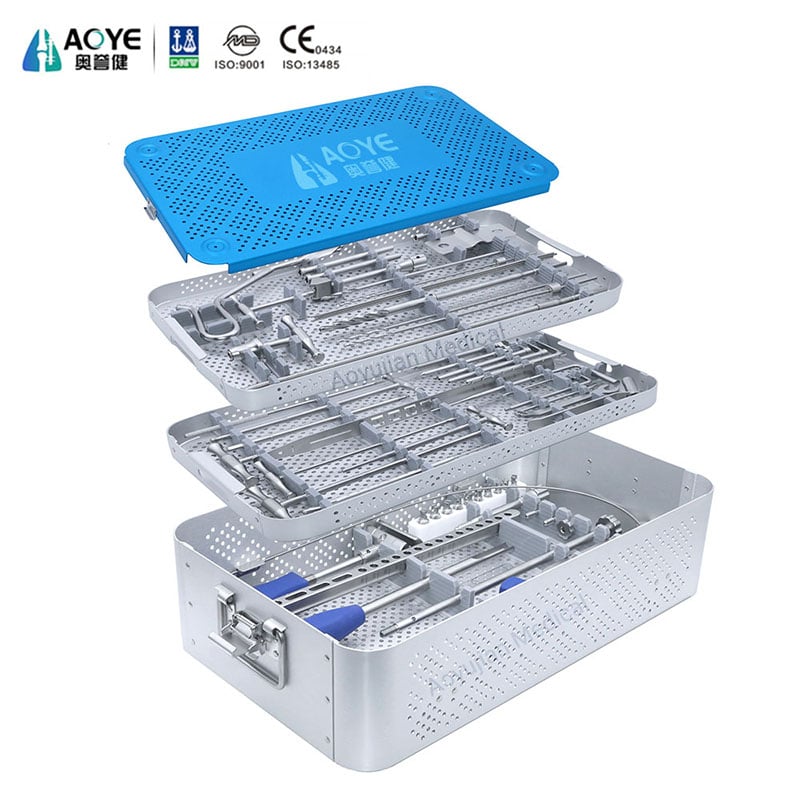
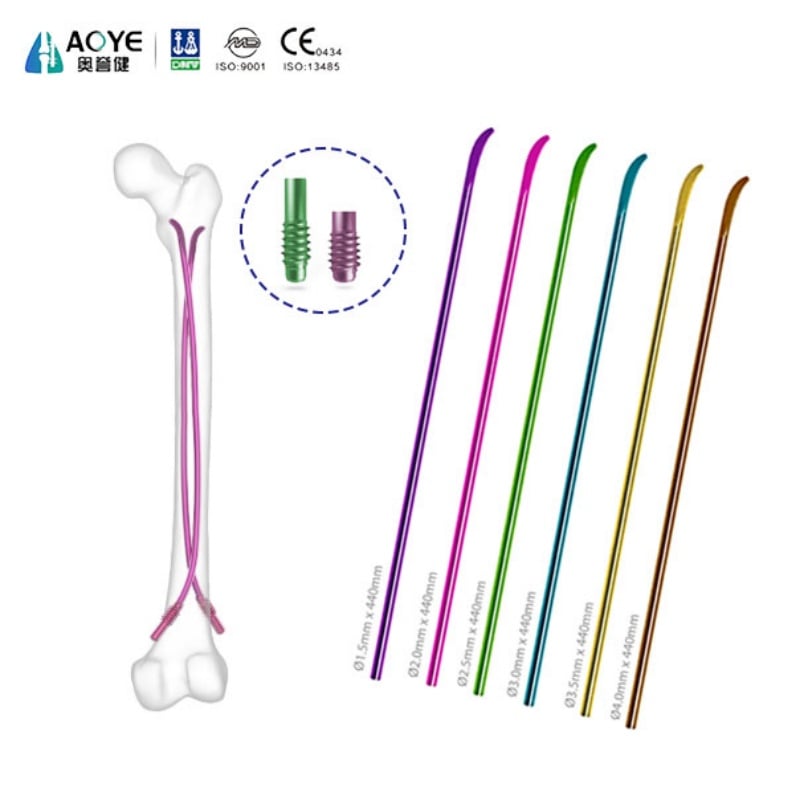
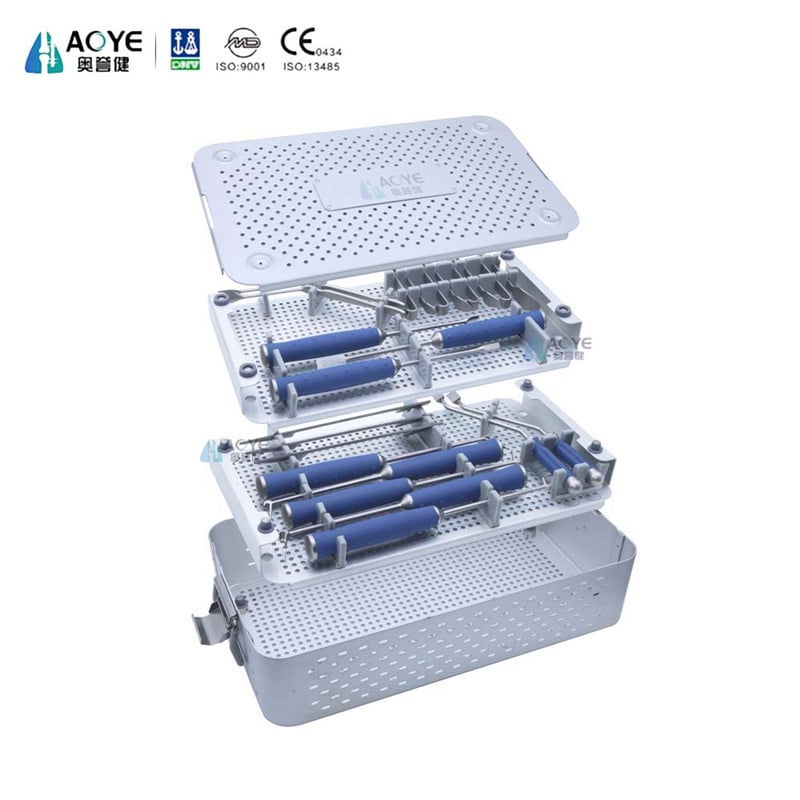
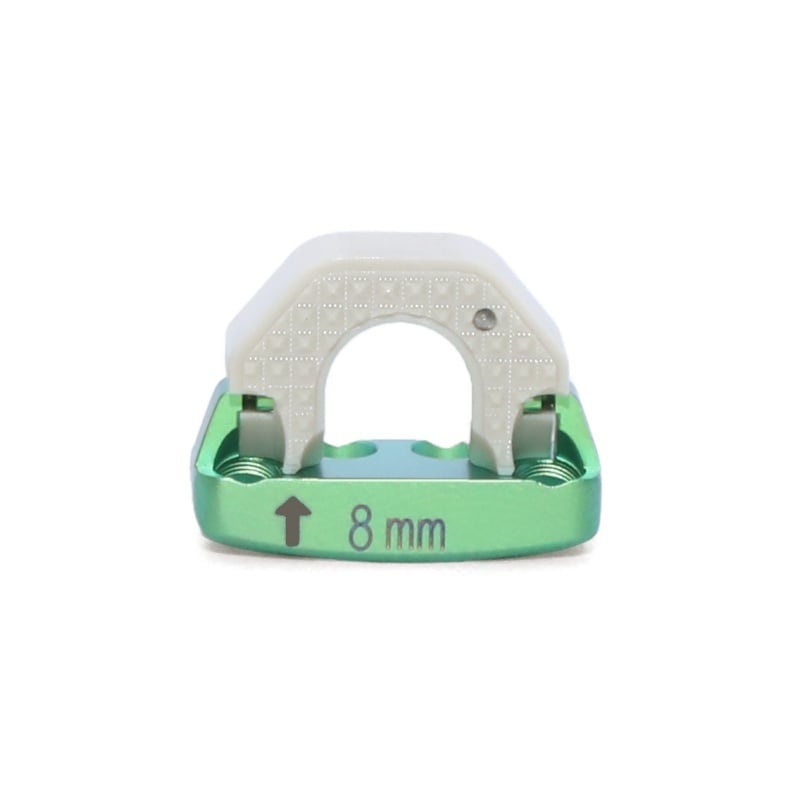
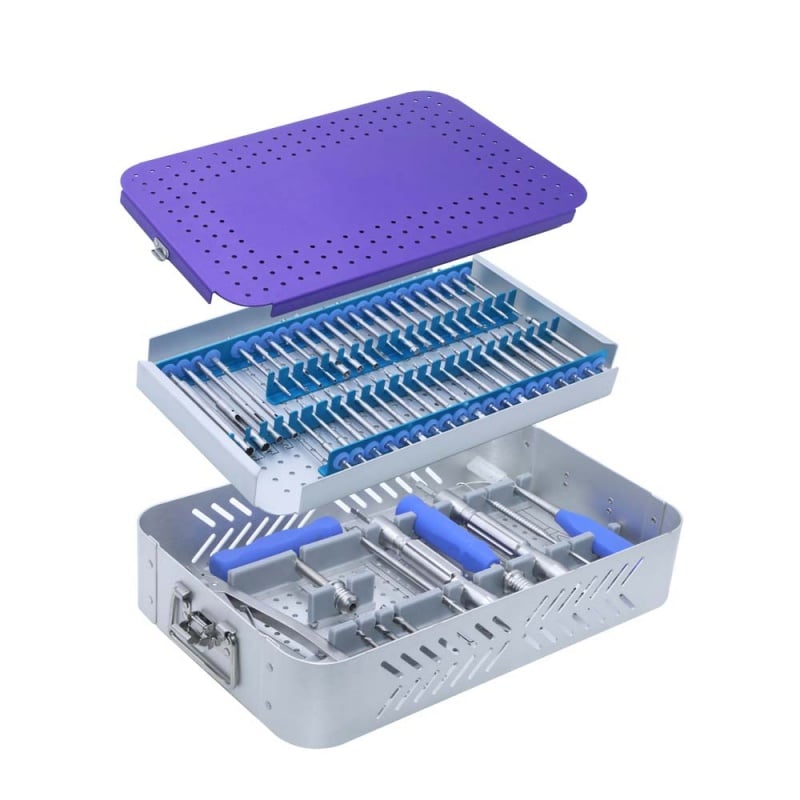
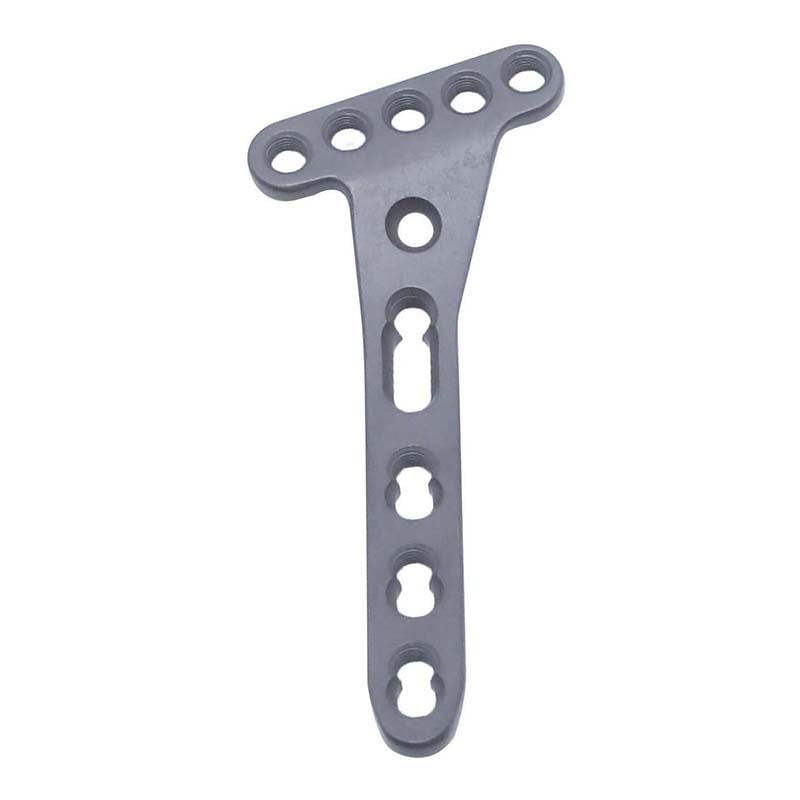
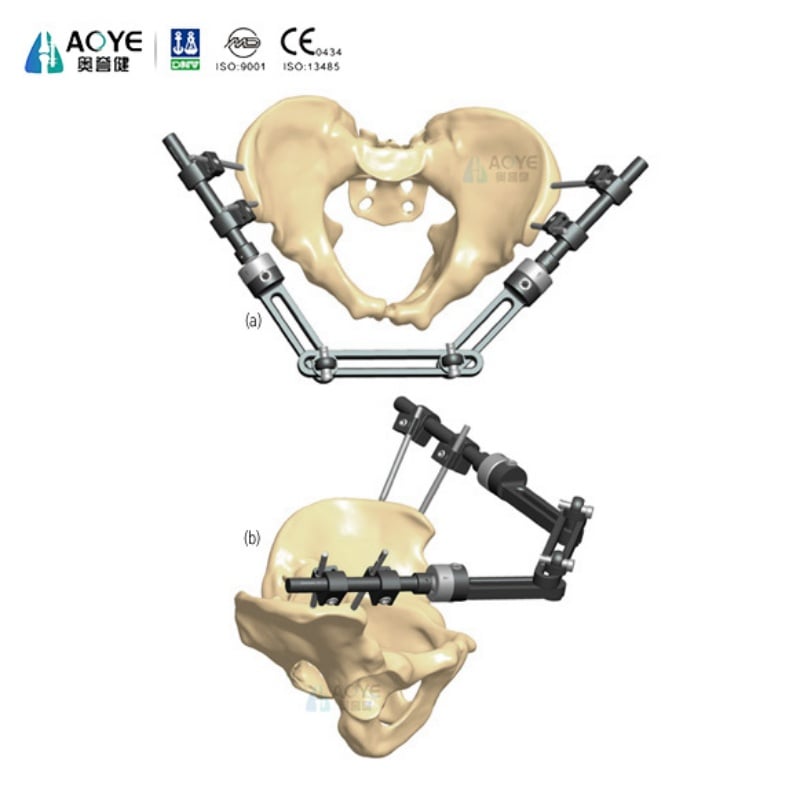
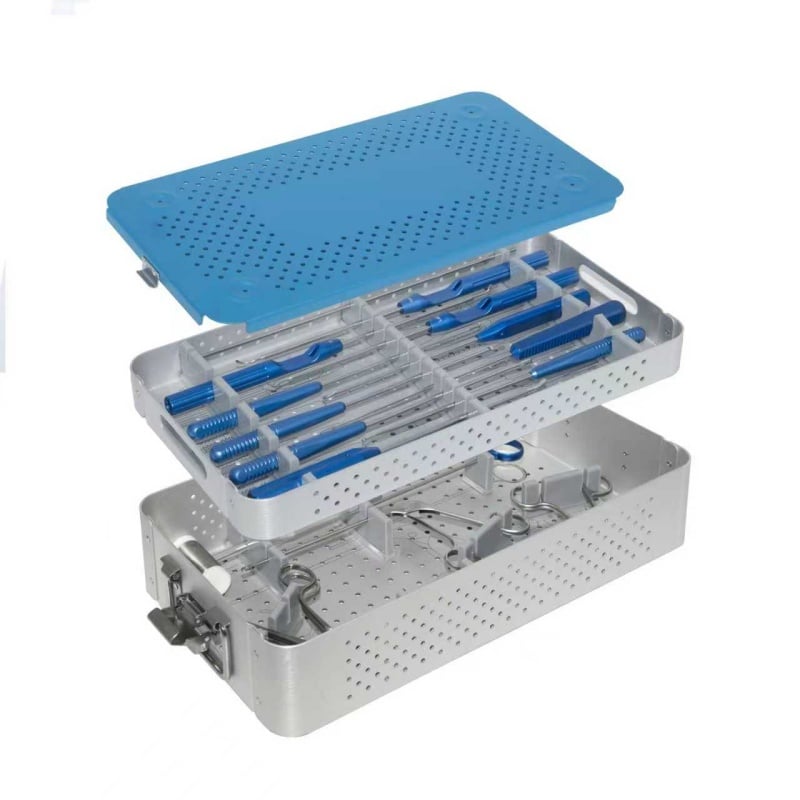
Sports therapy equipment plays a crucial role in rehabilitation, aiding athletes and individuals recovering from injuries to regain strength and mobility. As a B2B buyer, your primary concerns may include the quality, specifications, and reliability of the equipment, as well as the purchasing process. This article aims to provide insights into the benefits of sports medical kit, options for wholesale purchasing, selection criteria, sourcing reliable suppliers, and installation guidance to ensure optimal use.
Sports therapy equipment is designed to assist in the recovery process following injuries or surgeries, particularly in sports medicine. This equipment ranges from therapeutic modalities like ultrasound and electrotherapy devices to rehabilitation tools like resistance bands and balance boards. The primary benefits include:
Enhanced Recovery: Equipment such as resistance trainers helps strengthen muscles and improve flexibility, essential for a successful recovery.
Pain Management: Tools like electrical stimulation units can alleviate pain and inflammation, enabling patients to engage in rehabilitation exercises sooner.
Preventative Care: Regular use of sports medicine equipment can help prevent injuries by strengthening weak areas and improving overall body mechanics.
Customization: Many manufacturers, including Aoyujian Medical, offer customizable options to meet specific rehabilitation needs, ensuring equipment aligns with individual patient requirements.
Understanding these advantages is vital for purchasing managers and healthcare providers looking to improve patient outcomes.
When considering wholesale purchases of Aoye sports therapy equipment, buyers should focus on several key factors to ensure they are getting high-quality products. Establishing a relationship with a reputable manufacturer like Aoyujian Medical can streamline the purchasing process.
Minimum Order Quantities (MOQ): Different manufacturers have varying MOQs, which can affect your purchasing strategy. It's important to discuss this upfront to align with your budget and inventory needs.
Pricing Structures: Bulk purchasing often leads to discounts. Suppliers may offer tiered pricing, so understanding the pricing structure can help you negotiate better deals.
Lead Times: Confirm the lead times for production and delivery. This is crucial for planning inventory and ensuring that the equipment is available when needed.
Quality Assurance: Look for manufacturers with certifications such as ISO13485 and CE, which indicate compliance with international quality standards.
Samples and Testing: Before committing to a large order, request samples to evaluate quality. Testing these samples under actual operating conditions can provide insight into their performance.
By prioritizing these factors, buyers can make informed decisions to secure high-quality sports therapy equipment.
Selecting the appropriate Aoye sports therapy equipment requires a thoughtful approach. Here are critical considerations:
Intended Use: Identify the specific rehabilitation goals, whether it’s improving strength, flexibility, or pain management. Equipment should align with these objectives.
Specifications: Understand technical specifications such as weight capacity for therapeutic devices, dimensions for fit and usability, and material durability. These factors affect the equipment's performance and longevity.
Compatibility: Ensure that the equipment is compatible with other therapies or devices already in use. For instance, if using electrical stimulation devices, check the compatibility with various electrode types.
User-Friendliness: Equipment should be easy to operate for both therapists and patients. User-friendly designs enhance compliance and effectiveness during rehabilitation sessions.
Customization Options: Consider whether the equipment can be customized to meet specific therapeutic needs. Aoyujian Medical, for example, offers tailored solutions for diverse applications.
Budget Constraints: Evaluate the cost against the expected benefits. Sometimes, investing in higher-quality equipment may provide better long-term value.
By addressing these considerations, buyers can select equipment that best fits their operational needs and patient expectations.
Finding trustworthy suppliers of sports therapy equipment is essential for consistent quality and service. Here are steps to consider:
Industry Research: Start with online research to identify manufacturers with a strong reputation in sports medical equipment. Look for reviews and testimonials from other buyers.
Trade Shows and Expos: Attending industry events can provide direct access to suppliers and manufacturers. These venues are excellent for networking and assessing products firsthand.
Certifications and Compliance: Verify that potential suppliers hold relevant certifications, like ISO13485 and CE, which ensure adherence to quality standards.
Samples and Demonstrations: Request samples before making bulk purchases. A hands-on demonstration of the equipment can help assess its suitability.
Supplier History: Investigate the supplier’s history in the market. A long-standing presence often correlates with reliability and quality.
Communication and Support: Assess the responsiveness of the supplier. Effective communication is crucial for resolving issues and ensuring smooth transactions.
With these steps, buyers can establish relationships with reliable suppliers, enhancing their procurement strategies.
Proper installation of Aoye sports therapy equipment is essential to maximize its effectiveness and ensure safety. Here are key guidelines:
Follow Manufacturer Instructions: Always adhere to the installation guidelines provided by the manufacturer. This ensures compliance with warranty conditions and operational safety.
Site Preparation: Ensure that the installation site is suitable, including appropriate space, electrical requirements, and environmental conditions. This may involve confirming that the area is clean and free from hazards.
Training for Staff: Provide thorough training for staff on using the equipment. Understanding operational procedures can prevent misuse and enhance patient safety.
Regular Maintenance: Establish a maintenance schedule to ensure the equipment remains in optimal condition. Regular inspections can help identify issues before they affect performance.
Feedback Mechanism: Implement a system for collecting feedback from users regarding the equipment's functionality. This can guide further training and improvements.
By following these guidelines, buyers can ensure that their sports therapy equipment is installed correctly and used effectively, maximizing the benefits for rehabilitation.
Aoyujian Medical Technology provides trusted orthopedic solutions, high-quality implants, OEM/ODM services, and global shipping for hospitals & distributors.
No. 2 Changting Road, Gehu Farm, Wujin Economic Development Zone, Changzhou, Jiangsu, China
Copyright © Aoyujian Medical Technology (Changzhou) Co., Ltd. All Rights Reserved - Privacy Policy - Blog
 EN