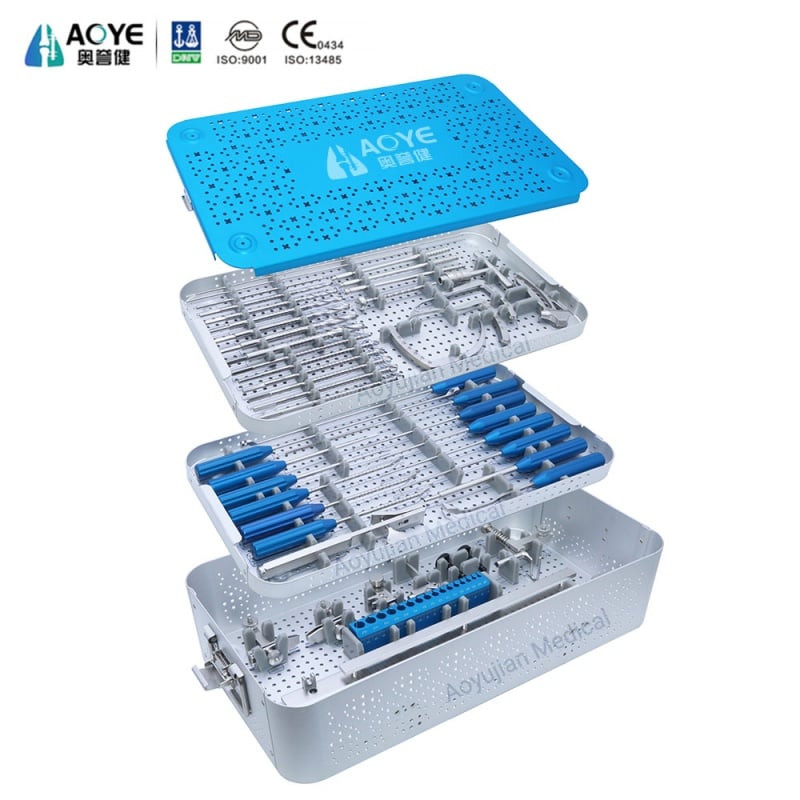
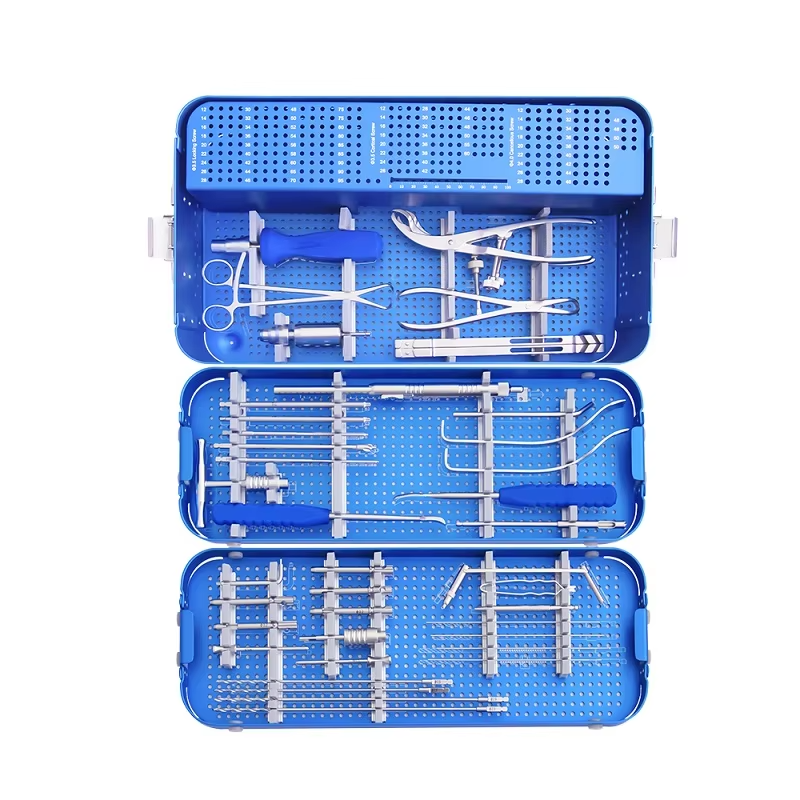
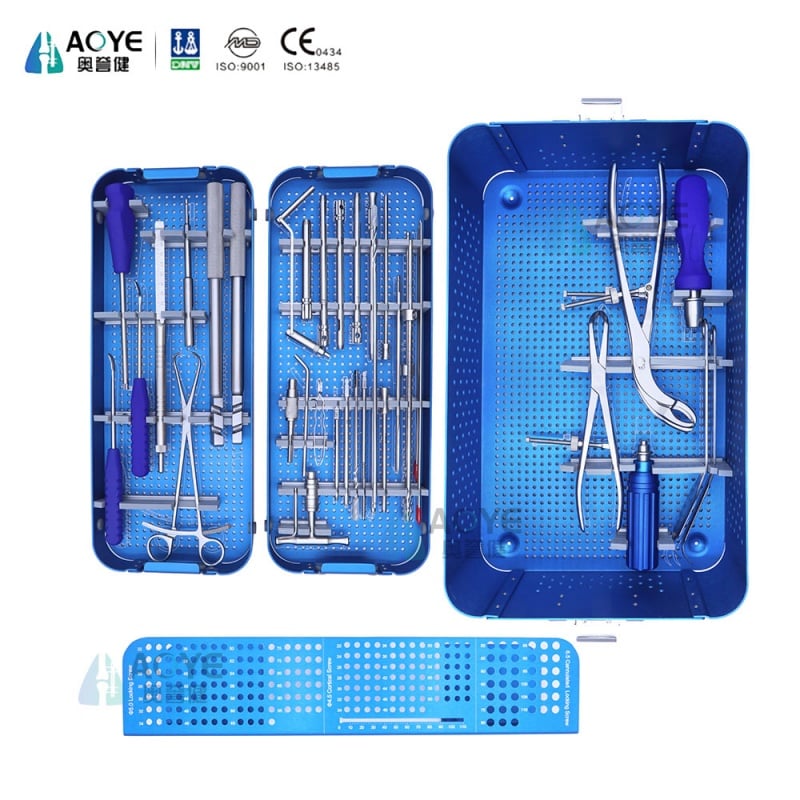
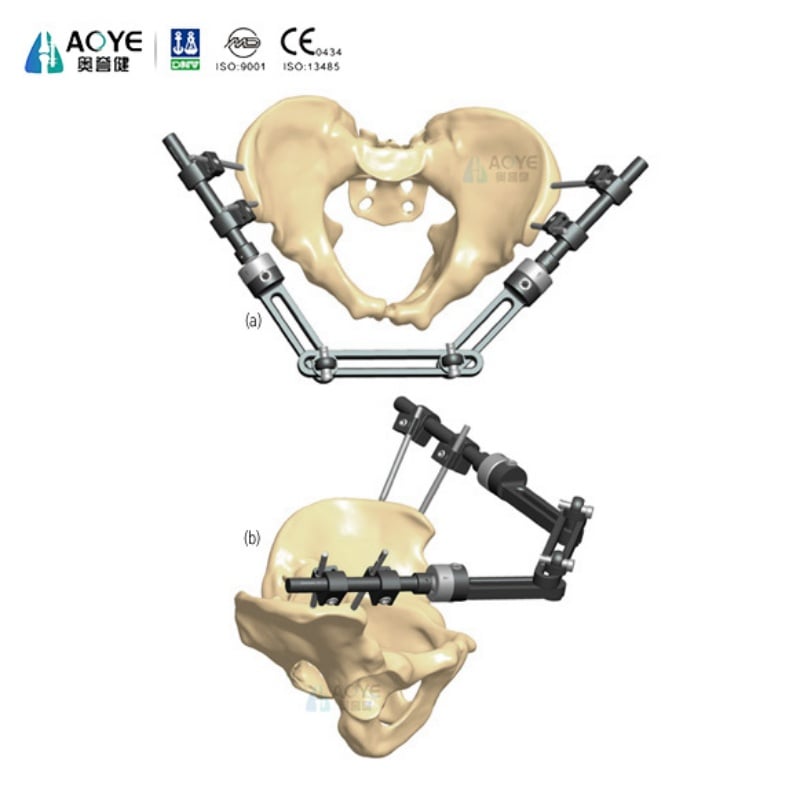
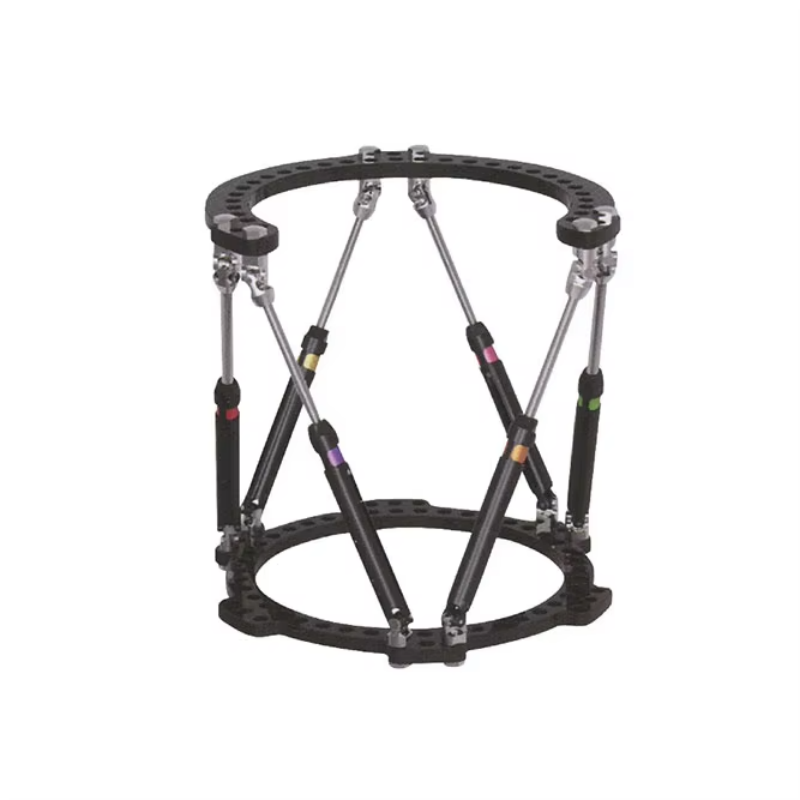
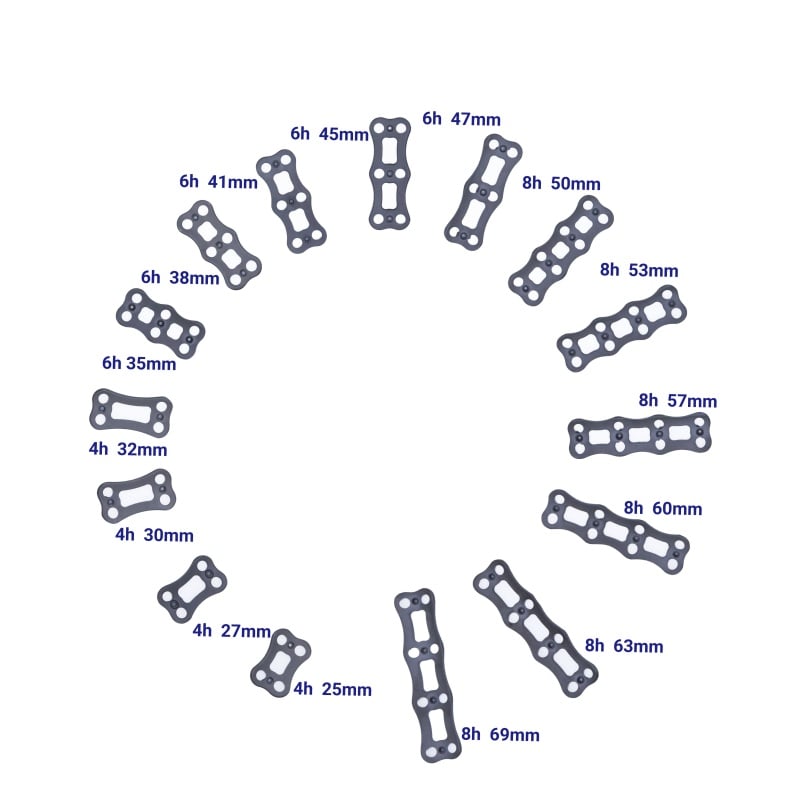
Choosing the right sports medical kit is essential for teams and organizations focused on athlete safety and quick injury response. As a B2B buyer, you are likely concerned about the kit's contents, quality, and supplier reliability. This article will guide you through selecting the appropriate sports medical orthopedic equipment kit for your wholesale needs, evaluating quality, finding trustworthy suppliers, understanding installation practices, and exploring various applications in different sporting environments.
When selecting a sports medical kit, consider the specific needs of your target market, including the types of sports involved, the level of competition, and common injuries. A comprehensive kit should include essential items such as bandages, antiseptics, cold packs, splints, and tools for basic first aid.
Customization is another crucial factor. Depending on the sports involved, you may want to include specialized items like athletic tape, muscle rub, or specific tools for common injuries in sports like soccer, basketball, or gymnastics. Aoyujian Medical, a manufacturer of orthopedic implants and instruments, can provide guidance on customizing your kits based on the latest industry standards and athlete requirements.
Minimum Order Quantities (MOQs) and pricing structures also play a significant role in your decision. Ensure that the supplier can accommodate your volume needs while offering competitive pricing. It’s advisable to request samples to assess quality before making bulk purchases.
Quality evaluation of sports medical kits is paramount to ensuring they perform effectively during emergencies. Begin by checking for ISO certifications such as ISO13485, which indicates adherence to quality management systems in the medical devices sector.
Next, inspect the materials used in the kit. High-quality bandages, for example, should be made from breathable, hypoallergenic materials that promote healing while minimizing irritation. Check for durability and shelf life, as items within the kit should not only be effective but also safe for use over time.
A practical approach involves conducting a manual inspection of sample kits. This includes checking the integrity of packaging, ensuring that items are securely stored, and confirming that all necessary components are present. Understanding the manufacturing processes and quality control measures of your supplier, such as those employed by Aoyujian Medical, can also provide insight into the reliability of the products.
Finding a reliable supplier involves thorough research and consideration of several factors. Start by looking at manufacturers with a solid reputation in the industry, such as those with ISO certifications and proven experience in producing medical supplies. Online directories, industry trade shows, and recommendations from peers are valuable resources for identifying potential suppliers.
When evaluating suppliers, consider their production capabilities and their ability to handle customization requests. Suppliers like Aoyujian Medical, known for their orthopedic instruments, can often extend their expertise to sports medical orthopedic products kits, providing tailored solutions based on their extensive experience in medical manufacturing.
Furthermore, it is essential to establish a clear line of communication with suppliers. Discuss your specific needs, including pricing, lead times, and MOQs. A reliable supplier should be transparent about their processes and timelines, which can help build a strong working relationship.
While sports medical kits are designed for quick access and ease of use, proper installation and organization of components are vital for their effectiveness. Create a standardized approach to packaging and labeling each kit. This should include clear instructions for use and a checklist of items to ensure nothing is missed during emergencies.
Consider using color-coded labels or compartments within the kits to help users quickly locate specific items, especially during high-pressure situations. Training staff or volunteers on the proper use of each item in the kit is equally important. Regular drills can help ensure that everyone is familiar with the contents and can act swiftly in the event of an injury.
Additionally, kits should be stored in accessible locations that are known to all team members. Regular checks should be scheduled to replenish used items and verify the condition of the contents, ensuring that the kits remain ready for immediate use.
Sports medical kits are versatile and can be tailored to various environments, from schools and amateur leagues to professional sports teams. The application of these kits can vary significantly based on the level of activity and the types of injuries commonly encountered.
In high-contact sports, such as football and rugby, kits may need to include more advanced items, like splints and advanced wound care products, to address injuries like fractures or deep cuts. For lower-impact sports such as golf or yoga, the kits might focus more on basic first aid supplies, including adhesive bandages and antiseptics.
In outdoor sports, consider including items that deal with environmental factors, such as insect bite relief and heat stroke prevention supplies. For indoor sports, the focus may lean more toward items that address sprains and strains.
Understanding the specific demands of each sporting environment can help in selecting the right components for your sports medical kits, ensuring they are fit for purpose and ready to handle the injuries that athletes may face.
In summary, when purchasing sports medical kits, consider customization, quality evaluation, supplier reliability, effective organization, and applications specific to the sporting environment. By following these guidelines, you can ensure that your sports ortho medical supplies kits meet the needs of athletes and support their safety during activities.
Aoyujian Medical Technology provides trusted orthopedic solutions, high-quality implants, OEM/ODM services, and global shipping for hospitals & distributors.
No. 2 Changting Road, Gehu Farm, Wujin Economic Development Zone, Changzhou, Jiangsu, China
Copyright © Aoyujian Medical Technology (Changzhou) Co., Ltd. All Rights Reserved - Privacy Policy - Blog
 EN