
 EN
EN
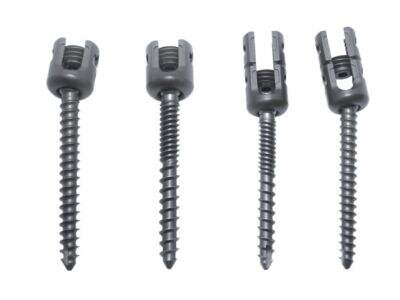
In building orthopedic tools, it's really most important to make sure you choose the right materials. There are two general options, stainless steel or titanium. Each has its own unique qualities, which lend themselves better to various tools used in surgeries. Aoye, which has always dedicated to developing the best orthopedic appliances around, doesn't only understand how important it is to have the right materials. This article is going to address the quality of stainless steel vs titanium and explain why titanium is selected for these instruments.
Stainless Steel vs Titanium Quality Differences for Orthopedic Tools
Most people will be familiar with stainless steel - it is a hardy, reliable material. It is commonly found in products we use everyday, such as kitchen utensils and medical devices. The fact that stainless steel is rust and corrosion resistant is one of the reasons why it is highly favored in orthopedic instruments. This is actually really, really important because tools have to be kept clean and safe for the patient. But stainless steel is heavy, which is problematic during surgeries. Surgeons require instruments that are not so heavy as to tire them and slow them down, while allowing them to exercise care in their work. On the flip side, titanium is substantially lighter than stainless steel. That’s a huge advantage for orthopedic instruments, where weight is important. And while titanium is strong and does not rust, making it can be more costly than for stainless steel. Aoye takes these nuances into consideration when designing its own instruments, which manage strength and weight to give surgeons the support they need while keeping them at their best.
Another contrast between the two materials is how they respond to stress. Although stainless steel can bend under excessive force, titanium’s flexibility is second to none and it can withstand a tremendous amount of pressure without breaking. That’s to say that when a surgeon is using a titanium tool, she knows it won’t fail at the wrong moment. Aoye treats such news seriously, and goes all out to choose materials for each instrument, so that surgery can be safe?. Both materials are fine, but knowing these distinctions helps Aoye make informed choices.
What Are The Features of Titanium Orthopedic Instruments?
Orthopedic instruments are often made of titanium for several reasons. For starters, it is lightweight and is thus easier for surgeons to manipulate. J ust think about it you wouldn’t want to try and start doing a long, heavy action with your tools, it makes us tired just thinking about! With titanium, surgeons can operate longer without tiring. This is vital for less invasive surgeries, where precision and light pressure are required. Aoye understands that the relaxation of the surgeon has a dramatic effect on the patient's result.
Another advantage of titanium is its bio compatibility. So when titanium touches the body, there is less likelihood for it to stir up any bad reactions. For patients, having implants crafted from titanium can mean a lower probability of infection or rejection. Patient safety is Aoye’s concern, guaranteeing material safety in case of titanium based tools.
Finally, when you need surgical instruments that will see a lot of use without bending or snapping under pressure, titanium fits the bill. It can be durable, lasting a long time without being damaged, which is a major issue in a hospital environment where tools are used repeatedly. Aoye’s tools are constructed to be strong and steadfast so that hospitals can rely they re using the best instruments. With so many impressive properties, it comes as no surprise that titanium is frequently the preferred material for orthopedic instruments.
Orthopedic instruments are devices doctors use to fix bones and joints. Selecting the correct material is crucial in manufacturing these tools. Stainless steel and titanium are both commonly used materials for orthopedic medical devices. All of these materials have their own advantages and disadvantages. At Aoye, we specialize in learning and understanding these differences in order to build better tools for doctors and patients.
Stainless steel is a robust material and it is widely used for orthopedic instruments. But it does have some problems which impact usability. One frequent downside is that, if it gets wet and is not cleaned well, stainless steel can rust or corrode. This is particularly critical in hospitals, where tools are frequently contaminated with blood and other liquids. Stainless steel tools may deteriorate and be unsafe if not maintained properly. The other disadvantage is that stainless steel may cause an allergic reaction in some patients. So if a stainless steel tool is left inside the body, it may be uncomfortable for some people or give them a rash. On the other hand, titanium is less prone to allergic reactions. It is also anti-rust and more durable than stainless steel, it becomes a better choice. Both can be used for orthopedic instruments but it is obvious that the titanium has certain things in its favor as a more safe choice for patients. At Aoye we always insist using the best material so our instruments are not only time tested but affordable as well. Actually it is made in same lab by same people.
Advantages of Titanium Over Stainless Steel in Orthopedic Instruments
The use of titanium, as opposed to stainless steel for orthopedic instrumentation, has many advantages. First of all, titanium is lighter that stainless steel. This, in turn, makes it easier for surgeons to control their tools during surgery. Lightweight tools may also translate to less fatigue for surgeons, letting them concentrate better on the task. Second, titanium is a lot stronger than stainless steel in stressful situations. This is why titanium tools are less prone to bending and breaking, and this is essential for the performance of delicate surgeries. Moreover, titanium has the special feature that it can grow together with bone. What this means is that when titanium implants are installed in the body, they can fuse with the bone over time. This promotes the healing process and is often better for patients. Lastly, titanium is also highly heat resistant and can handle high temperatures during the sterilization process. As a result, titanium instrumentation is more cleanable and healthy for patients. At Aoye, we understand the value of these benefits and so design orthopedic instrument sets out of titanium to better serve patients and their surgeons.
How Instrument Materials Affect the Longevity of Orthopedic Tools
The material of orthopedic instruments can significantly determine the length of time the instruments will last. If not properly cared for, stainless steel tools can wear out more quickly. They can corrode or become scratched, which may cause them to lose strength over time. It also could mean that doctors must replace these tools more frequently, increasing costs and headaches for hospitals. Fourth, titanium tools are built to last. And given that they're immune to rust and corrosion, they can last a hell of a lot longer. What this means for hospitals is that they can ultimately save money by choosing to use titanium instruments. Furthermore, the titanium sturdiness is anti-wearing and long-lasting to keep tools in good condition for years. We realize here at Aoye that it is vital to use longer last materials not only to save cost, but because Doctors need reliable instruments when they need them. Opting for titanium instead of stainless steel can prolong the life span of orthopedic tools, and that’s ultimately good for doctors and their patients.