
 EN
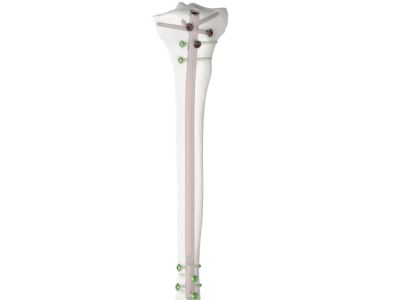
Proper selection of high-quality orthopedic implants for hospitals is an important step in improving the medical care facilities and services. Choosing devices with a proven track record also helps build a reliable supplier network for the hospital staff. Orthopedic implants are medical devices used in surgery to support or replace damaged body parts, particularly in cases of bone or joint injury. Understanding the material advantages of each option can guide surgical teams toward the best fit for the patient. In this article, we will discuss the main steps in choosing orthopedic implants, sources of reliable suppliers, comparison of materials, and guidelines for the proper installation and application of implants in surgeries.
How to Choose a High Quality Orthopedic Implants for Your Hospital?
When choosing orthopedic implants, it is important to consider these several aspects such as material quality, certifications, and manufacturer capabilities. Knowing the material advantages, such as the balance between strength and weight, helps in choosing the right implant. First, you must make sure that the implants are made of high-quality materials and are suitable for the particular surgery. This choice can also influence the ease of follow-up care and the availability of a reliable supplier for parts and service. Materials such as titanium and stainless steel are often used because of their durability and ability to handle forces in the body. Second, check the product certifications such as ISO13485 and CE. ISO13485 and CE certification show a product meets safety and quality standards, which supports a reliable supplier relationship. These certifications prove that the product has been tested and meets international standards for quality and security. Manufacturers with such standards also provide detailed installation guidance to ensure correct use. Manufacturers such as Aoyujian Medical, which have these certifications, provide assurance that their products are reliable. Third, find out about the capabilities of the manufacturer. A firm with strong capabilities often can customize implants and offer quick spare parts, improving the reliable supplier connection. Having modern production equipment and a proper quality control process is important to ensure the consistency and integrity of the implants. This helps ensure installation guidance and training for hospital staff. You also need to consider production capacity and the ability to customize products, especially if the hospital has particular needs.
Where to Find a Reliable Supplier for Orthopedic Implants?
Finding a reliable supplier can be a challenge, but there are several steps that can help. Looking for a reliable supplier with clear installation guidance and material advantages in their product range can simplify the process. First, you can start by researching online directories of medical equipment and trade shows. This is where online directories and trade shows help locate potential reliable suppliers and compare options. At these events, there are often companies showcasing their products, which gives the opportunity to see the quality of their implants in person. Connecting with other hospitals and medical institutions to get recommendations is also important. Peer feedback often notes product reliability and the availability of installation guidance. Feedback from other professionals in the industry can provide valuable information regarding suppliers and their reputation. Lastly, do not forget to check the company's certifications and reviews. Verified certifications and good reviews reflect a reliable supplier that stands behind orthopedic drills implants. Connecting with other hospitals and medical institutions to get recommendations is also important. Peer feedback often highlights the reliability of the supplier and their ability to provide installation guidance. Feedback from other professionals in the industry can provide valuable information regarding suppliers and their reputation.
Comparing Benefits of Different Orthopedic Implant Materials
The materials that been used in orthopedic implants have different characteristics that affect their performance. Titanium, for example, is known for its high strength and low weight, making it perfect for implants that need durability and the ability to withstand the forces of the body. It is also biocompatible, which means it does not cause a bad reaction in the body. Understanding the material advantages, like strength, weight, and biocompatibility, helps compare options. A higher quality choice can support easier installation guidance and a longer service life.
On the other hand, stainless steel is stronger in some applications and can be more affordable. However, it should be considered that stainless steel is heavier compared to titanium and may not be as biocompatible. Therefore, examining the particular needs of the patient and the type of surgery is important to choose the right material. In many cases, titanium offers a better balance of durability and lighter weight, which can ease installation guidance.
Guidelines in Installing and Orthopedic Implants for Medical Facilities
Correct installation of orthopedic implants is critical to ensure their effectiveness in operations. A good installation guidance plan helps teams follow consistent steps. Surgeons and technicians must be trained in the proper installation procedures to avoid complications. Regular training and practice reduce risks during installation. It is important to remove any contamination in the surgical area and use sterile equipment.
Surgeons should have sufficient knowledge of the orthopedic bone drill technical details of each implant, including the proper angle and position for installation. This knowledge comes from installation guidance documents and hands-on training. Communicating with manufacturers for detailed installation guides and recommendations will also help improve surgical outcomes. Manufacturers can provide installation guidance and answer questions to ensure proper use.
Different Applications of Orthopedic Implants for Trauma and Spine Surgery
Orthopedic implants are used in various types of surgery, particularly in trauma and spine surgery. Each application requires different implants and materials, and reliable supplier support helps tailor options. In trauma surgery, implants such as plates and screws are used to fix broken bones and help patients return to normal movement. Hospitals benefit from installation guidance tailored to trauma or spine cases. In spine surgery, implants such as rods and cages are used to provide support and stability to the vertebrae.
It is important to consider the specific needs of each patient and the type of surgery to ensure the proper application of implants. The choice also hinges on material advantages that aid healing. Manufacturers of orthopedic drill bit implants, such as Aoyujian Medical, have the expertise in creating products suitable for various surgical requirements, providing a higher rate of success in surgeries. This partnership can also offer installation guidance and training. In summary, the proper selection and use of high-quality orthopedic implants is important for providing excellent medical care. Hospitals must consider these aspects to provide the best solution to their patients.
In summary, the proper selection and use of high-quality orthopedic implants is important for providing excellent medical care. A reliable supplier plus clear installation guidance help ensure consistent results and patient safety. Hospitals must consider these aspects to provide the best solution to their patients. Understanding material advantages guides decisions for long-term success.
Table of Contents
- How to Choose a High Quality Orthopedic Implants for Your Hospital?
- Where to Find a Reliable Supplier for Orthopedic Implants?
- Comparing Benefits of Different Orthopedic Implant Materials
- Guidelines in Installing and Orthopedic Implants for Medical Facilities
- Different Applications of Orthopedic Implants for Trauma and Spine Surgery