
 EN
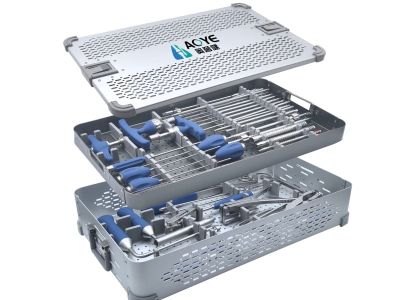
Selecting reliable ortho instrument suppliers is crucial for any medical facility or distributor involved in orthopedic care. As a purchasing manager or product manager, ensuring the quality and reliability of orthopedic implants and instruments is a top priority. We will explore essential factors to consider when choosing suppliers, including quality control standards, sourcing locations, pricing comparisons, material advantages, and installation guidance. This comprehensive guide will help you make informed decisions for your procurement needs.
Quality Control Standards for Reliable Ortho Instrument Suppliers
When selecting reliable ortho instrument suppliers, understanding their quality control standards is critical. Manufacturers should adhere to international standards such as ISO 13485, which ensures that medical devices meet regulatory requirements and are consistently produced with high quality.
Aoyujian Medical, for example, is ISO 13485 certified, signifying its commitment to quality management systems in the manufacturing of orthopedic instruments. Buyers should inquire about the supplier's quality assurance processes, including:
Incoming Material Inspection: Assess how raw materials are vetted before production.
In-Process Quality Control: Understand the orthopedic external fixator monitoring methods employed during manufacturing to ensure adherence to specifications.
Final Product Testing: Confirm that the supplier conducts rigorous testing on finished products, including sterilization processes, to ensure safety and effectiveness.
Incorporating these quality checks into your supplier evaluation can significantly reduce the risk of receiving subpar products.
Where to Find Trusted Suppliers for Ortho Instrument Wholesale Orders?
Finding reliable ortho instrument suppliers can be achieved through several channels. Begin by exploring established industry networks and trade shows, where manufacturers showcase their products and capabilities. Online B2B platforms also provide access to a wide range of suppliers, allowing you to compare offerings based on reviews and ratings.
Additionally, consider reaching out to medical associations or industry-specific groups that can provide recommendations based on their experiences. It’s beneficial to gather references and feedback from ortho surgical instruments purchasing managers who have worked with potential suppliers. This firsthand insight can help verify a supplier's reliability and service quality.
Furthermore, local regulations and import export compliance should be checked, as they can vary significantly across countries. Ensuring that your supplier meets these requirements will mitigate logistical issues and delays.
How to Compare Ortho Instrument Suppliers for Better Pricing?
Price is a significant factor when selecting ortho instrument suppliers, but it should not be the only consideration. When comparing suppliers, evaluate their pricing structures alongside the quality and service level they offer. Key aspects to consider include:
Volume Discounts: Many suppliers offer lower prices for larger orders. Understanding minimum order quantities (MOQ) can help you negotiate better deals.
Shipping Costs: Factor in shipping fees, customs duties, and potential delays, which can affect total project costs.
Warranty and Support: Suppliers that provide comprehensive warranties and responsive customer service may justify higher prices due to reduced risk and increased support.
To make an informed comparison, create a spreadsheet detailing the orthopedic medical devices prices, terms, and conditions offered by each supplier. This will allow you to visualize the overall value proposition beyond just the quoted price.
Understanding Material Advantages in Ortho Instrument Selection
The materials used in orthopedic instruments can significantly influence their performance, durability, and safety. Common materials include stainless steel, titanium, and polymers, each offering unique advantages:
Stainless Steel: Known for its strength and corrosion resistance, stainless steel is often used for instruments that require durability and sterility. It can withstand repeated sterilization without losing integrity.
Titanium: Lighter than stainless steel, titanium provides excellent biocompatibility, making it ideal for implants that will be in contact with human tissue. Its strength-to-weight ratio is advantageous in load-bearing applications.
Polymers: Used in various applications, polymers can offer flexibility and are often employed in disposable instruments. It's essential to ensure that the selected polymer meets the necessary performance criteria for the intended use.
Before making a selection, discuss material options with your supplier and confirm that they have the necessary certifications for the materials used. Understanding how different materials impact the instruments’ intended application is vital for making the right choice.
Installation Guidance for Optimal Use of Ortho Instruments in Projects
Proper installation and usage of orthopedic instruments are paramount to achieving desired surgical outcomes. Suppliers should provide comprehensive installation guidelines and support. Here are some aspects to consider:
User Manuals: Ensure that detailed user manuals accompany the instruments, outlining installation procedures, maintenance tips, and best practices for use.
Training: Suppliers that offer training sessions for medical staff can enhance the efficacy of the instruments and reduce the risk of errors during procedures.
Technical Support: Access to technical support can be invaluable, especially for complex instruments. Confirm that your supplier provides responsive support for any queries or challenges that may arise during installation or use.
Additionally, testing the instruments in a controlled environment before full-scale implementation can help identify potential issues and ensure that staff is adequately prepared.
selecting reliable ortho instrument suppliers involves careful consideration of quality control standards, sourcing channels, pricing strategies, material advantages, and installation support. By following these guidelines, purchasing managers and product managers can make informed decisions that enhance surgical outcomes and overall patient care.
Table of Contents
- Quality Control Standards for Reliable Ortho Instrument Suppliers
- Where to Find Trusted Suppliers for Ortho Instrument Wholesale Orders?
- How to Compare Ortho Instrument Suppliers for Better Pricing?
- Understanding Material Advantages in Ortho Instrument Selection
- Installation Guidance for Optimal Use of Ortho Instruments in Projects