
 EN
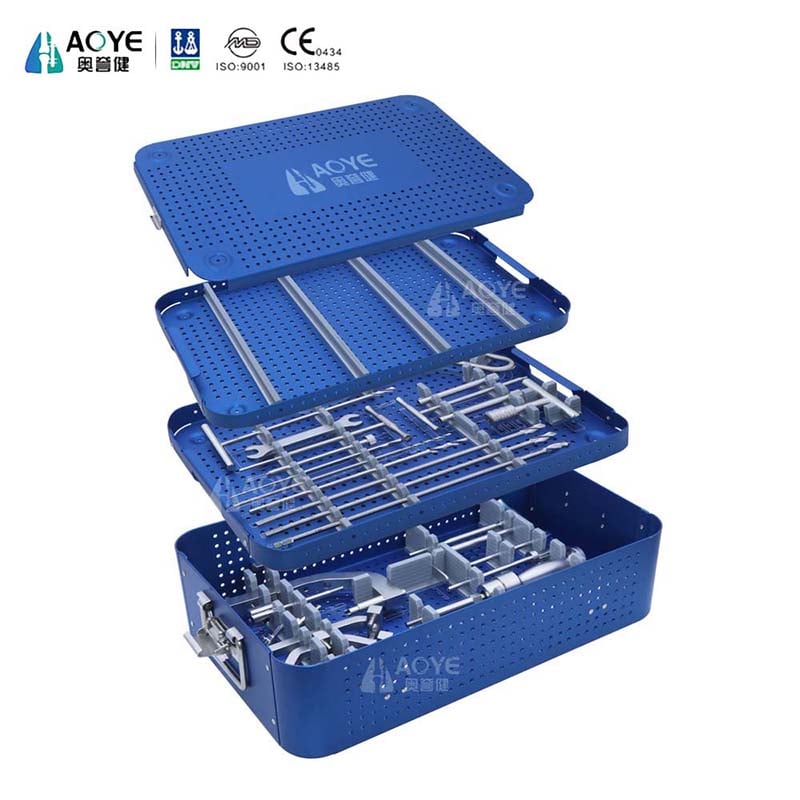
Proper understanding of the shelf life and storage requirements for orthopedic requirement instruments is important to purchasing managers, distributors and other professionals in the medical industry. This understanding supports better planning for supply chains and staff training around orthopedic instruments and helps teams work with reliable suppliers. These instruments are used in critical operations in trauma, spine and sports medicine, so their quality and integrity must be maintained. In this article, we will discuss the importance of shelf life and storage requirements for orthopedic instrument, methods to ensure quality in their storage and how this will affect the product quality.
Understanding Shelf Life and Storage Requirements for Orthopedic Instruments
The sharp life of orthopedic instruments refers to the duration of time they can be stored without losing their quality and effectiveness. Effective tracking of shelf life helps avoid waste and ensure patient safety by meeting storage requirements. Naturally, these orthopedic equipment have a specific shelf life depending on the materials used and the storage conditions. It is also important to consider industry regulations and standards such as ISO. 13485 and CE certifications, that provide guidance on quality requirements.
Purchasing managers, should cooperate with their suppliers to ensure that the products are in proper condition at the time of receiving it. This collaboration with reliable suppliers ensures clear shelf life and storage requirements for each product. Often, suppliers like Aoyujian Medical provide detailed information regarding the shelf life and storage requirements for their products, which helps buyers make informed decisions.
Ensuring Quality in Orthopedic Instrument Storage
Proper storage of orthopedic instruments is essential to maintain their quality. A proper storage plan also supports the shelf life and helps teams follow clear storage guidelines. They should be kept in dry, cool and dark areas to prevent damage caused by moisture and ultraviolet. UV light. The orthopedic machine need to be placed on shelves that don't contain chemicals that can harm their materials.
In addition, maintaining appropriate temperatures for orthopedic instruments is important. Having a proper storage system, such as temperature control-storage, will help prevent potential issues that could affect the shelf life of these instruments. Suppliers such as Aoyujian Medical have policies and systems in place to ensure the proper storage of their products.
The Impact of Storage on Orthopedic Instrument Quality
The quality of orthopedic instruments is directly affected by their storage conditions. When storage practices are poor, rust and contamination can compromise the shelf life and overall quality of orthopedic instruments. If the instruments are not stored properly, issues such as rust, material degradation and even contamination can occur. This can result in improper function during surgery.
As an example, rust can form on steel instruments if they are exposed to moisture, causing the degradation of their integrity. Purchasing managers must ensure that suppliers have quality standards and storage practices to prevent these problems. Regular inspection and testing of instruments before using will also help identify any potential problems.
Where to Find Reliable Suppliers for Orthopedic Instruments?
Finding a reliable supplier for orthopedic instruments is an important step in the purchasing process. Look for reliable suppliers with ISO 13485 and CE certification to ensure consistent quality. Buyers should consider supplier certifications. Such as ISO 13485 and CE, which shows their compliance with quality and safety standards. Suppliers like Aoyujian Medical, which have wide industry experience and provides high quality products are good choices.
It is also important to check reviews and feedback from other customers to ensure their capability. Having product samples and the possibility of customization are factors that should be considered. In this way, buyers can make better decisions in their purchases.
Materials That Affect Orthopedic Instrument Shelf Life
The materials that been used in manufacturing orthopedic instruments have a great impact on their shelf life. Stainless steel and titanium are commonly used in making these instruments because of their high corrosion resistance and durability. These materials have a longer shelf life compared to other materials that degrade more easily.
Buyers should consider the properties of these materials in their applications. Right material should align with the operational requirements and storage conditions. Suppliers such as Aoyujian Medical can provide detailed information about the materials they used, which will help buyers choose reliable product for their operational needs.
Stainless steel and titanium are popular because they are able to last a long time and resist corrosion. To summarize, a proper understanding of the shelf life and storage requirements of orthopedic instruments is essential to maintaining their quality and effectiveness. By collaborating with reliable suppliers and compliance to storage recommendations, purchasing managers and other industry professionals can ensure that the instruments they use are always in good condition.
To summarize
To summarize, a proper understanding of the shelf life and storage requirements of orthopedic instruments is essential to maintaining their quality and effectiveness. This shows how shelf life and storage requirements work with reliable suppliers to protect instrument quality. By collaborating with reliable suppliers and compliance to storage recommendations, purchasing managers and other industry professionals can ensure that the instruments they use are always in good condition.
Table of Contents
- Understanding Shelf Life and Storage Requirements for Orthopedic Instruments
- Ensuring Quality in Orthopedic Instrument Storage
- The Impact of Storage on Orthopedic Instrument Quality
- Where to Find Reliable Suppliers for Orthopedic Instruments?
- Materials That Affect Orthopedic Instrument Shelf Life
- To summarize