 EN
EN
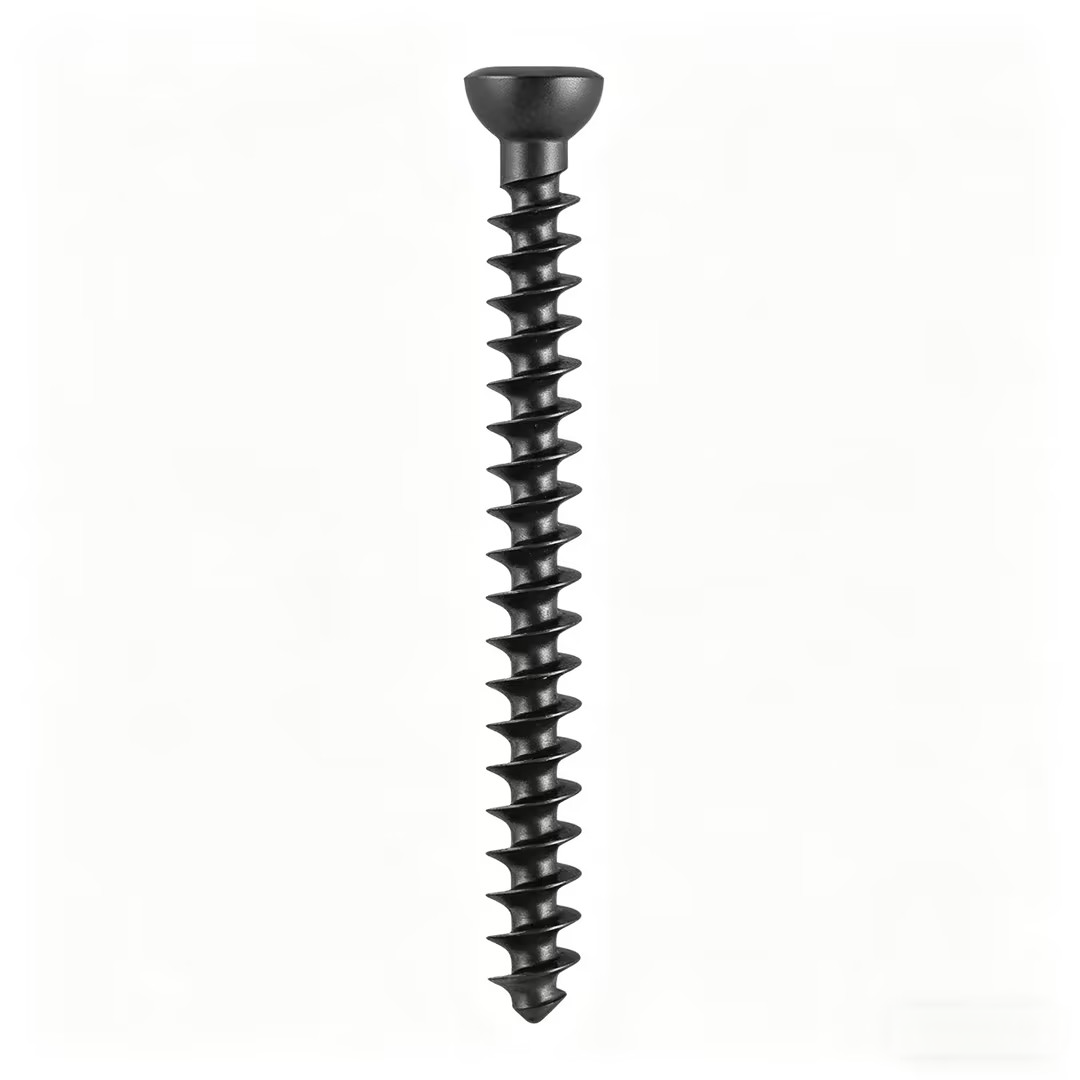
Cancellous Screw
| Brand | AOYE |
| Certificates | CE/ISO: 9001/ISO13485. Etc |
| Materials | Titanium |
| MOQ | 1 |
| OEM | Support |
| Lead Time | 7-21Days |
| Logistics | Door to Door,DHL、FedEx、UPS |
- Specification
- Description
- Advantages
- Application
- FAQ
- Recommended Products
| Code | Product | Specification | ||
| AY-L291 | HB4.0 | L=14-50 mm (2mm increament) | ||
| AY-L292 | HB6.5 | L=30-90 mm (5mm increament) | ||
Description
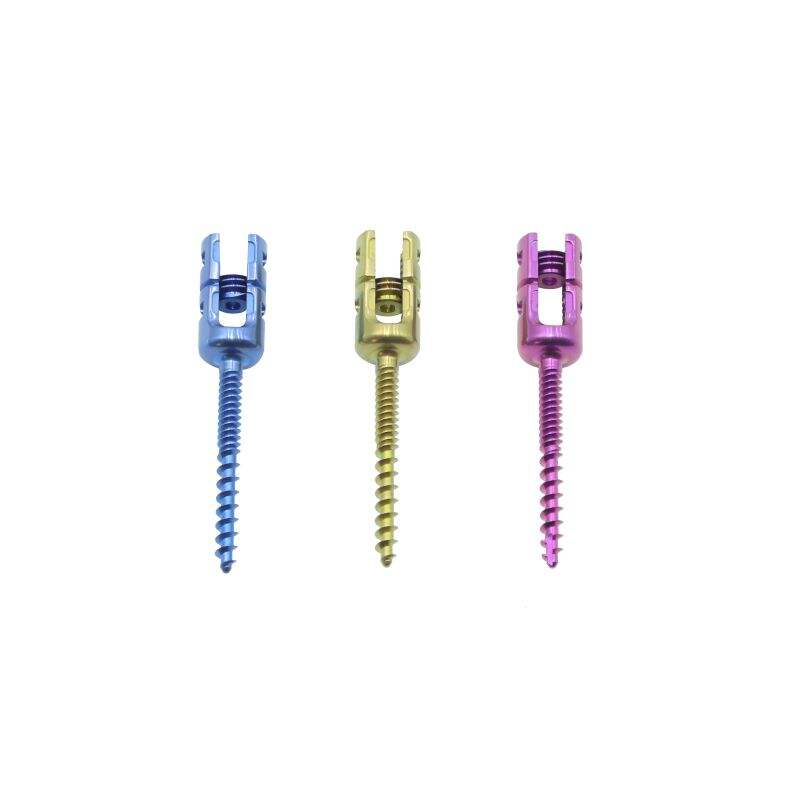
The Cancellous Screw is a titanium alloy orthopedic implant designed for fixation in cancellous (spongy) bone, commonly found in metaphyseal and epiphyseal regions. It is widely used in fracture fixation where strong purchase in softer bone is required.
Cancellous screws are characterized by their coarse thread pitch and deeper thread profile, which provide enhanced grip in trabecular bone. They are often partially threaded to enable interfragmentary compression, making them suitable for stabilizing fractures and securing bone fragments. These screws are available in various diameters and lengths and may be used independently or in combination with plates.
Advantages
- Optimized for cancellous bone: Coarse threads provide strong fixation in spongy bone structures
- Titanium alloy construction: Excellent biocompatibility, corrosion resistance, and reliable strength
- Enhanced compression capability: Partially threaded design allows interfragmentary compression
- Versatile application: Suitable for independent fixation or use with plate systems
- Self-tapping options available: Improves surgical efficiency and reduces procedural steps
- Wide size range: Common diameters include 4.0mm, 6.5mm, and 7.3mm with multiple length options
Application
- Metaphyseal and epiphyseal fractures
- Femoral neck fractures
- Intertrochanteric fractures
- Tibial plateau fractures
- Ankle fractures
- Fixation of large cancellous bone fragments
- Open reduction and internal fixation (ORIF) procedures
FAQ
Q1: What is the main difference between cancellous and cortical screws?
A1: Cancellous screws have deeper, wider threads for better grip in spongy bone, while cortical screws have finer threads for dense cortical bone.
Q2: Why are cancellous screws often partially threaded?
A2: The partial threading allows compression between bone fragments, improving fracture stability and promoting healing.
Q3: What material is used in this implant?
A3: The screw is made from medical-grade titanium alloy, ensuring durability, strength, and excellent biocompatibility.