 EN
EN
Cortical Screw
| Brand | AOYE |
| Certificates | CE/ISO: 9001/ISO13485. Etc |
| Materials | Titanium |
| MOQ | 1 |
| OEM | Support |
| Lead Time | 7-21Days |
| Logistics | Door to Door,DHL、FedEx、UPS |
- Specification
- Description
- Advantages
- Application
- FAQ
- Recommended Products
| Code | Product | Specification | Price | ||
| AY-L291 | HA1.5 | L=6-20 mm (2mm increment) | $3.00 | ||
| AY-L292 | HA2.0 | L=6-30 mm (2mm increment) | $3.00 | ||
| AY-L293 | HA2.4 | L=8-30 mm (2mm increment) | $3.00 | ||
| AY-L294 | HA2.7 | L=8-30 mm (2mm increment) | $3.00 | ||
| AY-L291 | HA3.5 | L=12-50 mm (2mm increment) | $3.00 | ||
| AY-L292 | HA4.5 | L=20-50 mm (2mm increment) | $3.00 | ||
| AY-L293 | HA4.5 | L=55-90 mm (5mm increament) | $3.00 | ||
Description
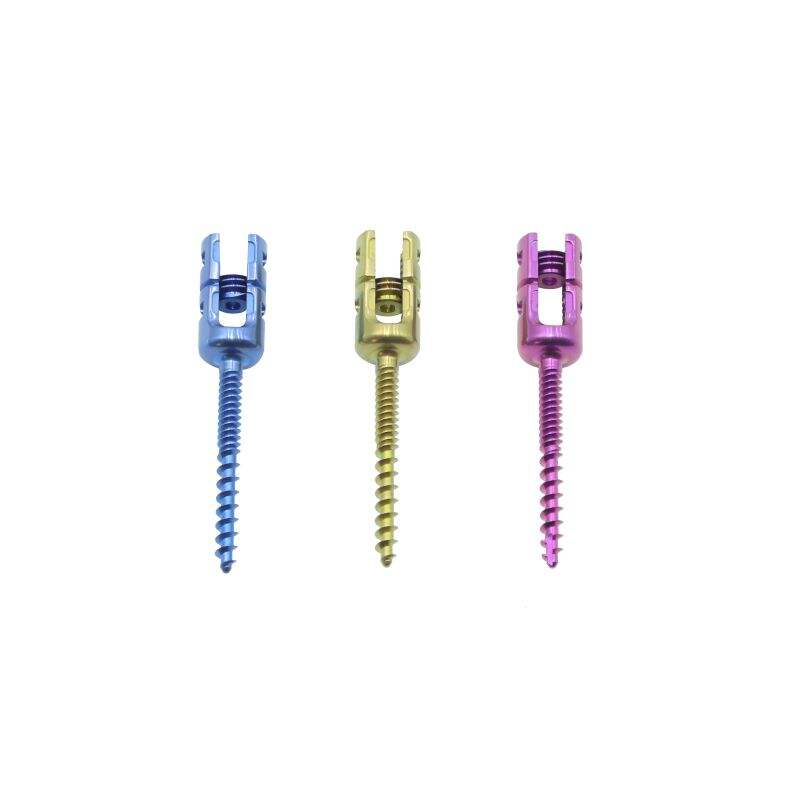
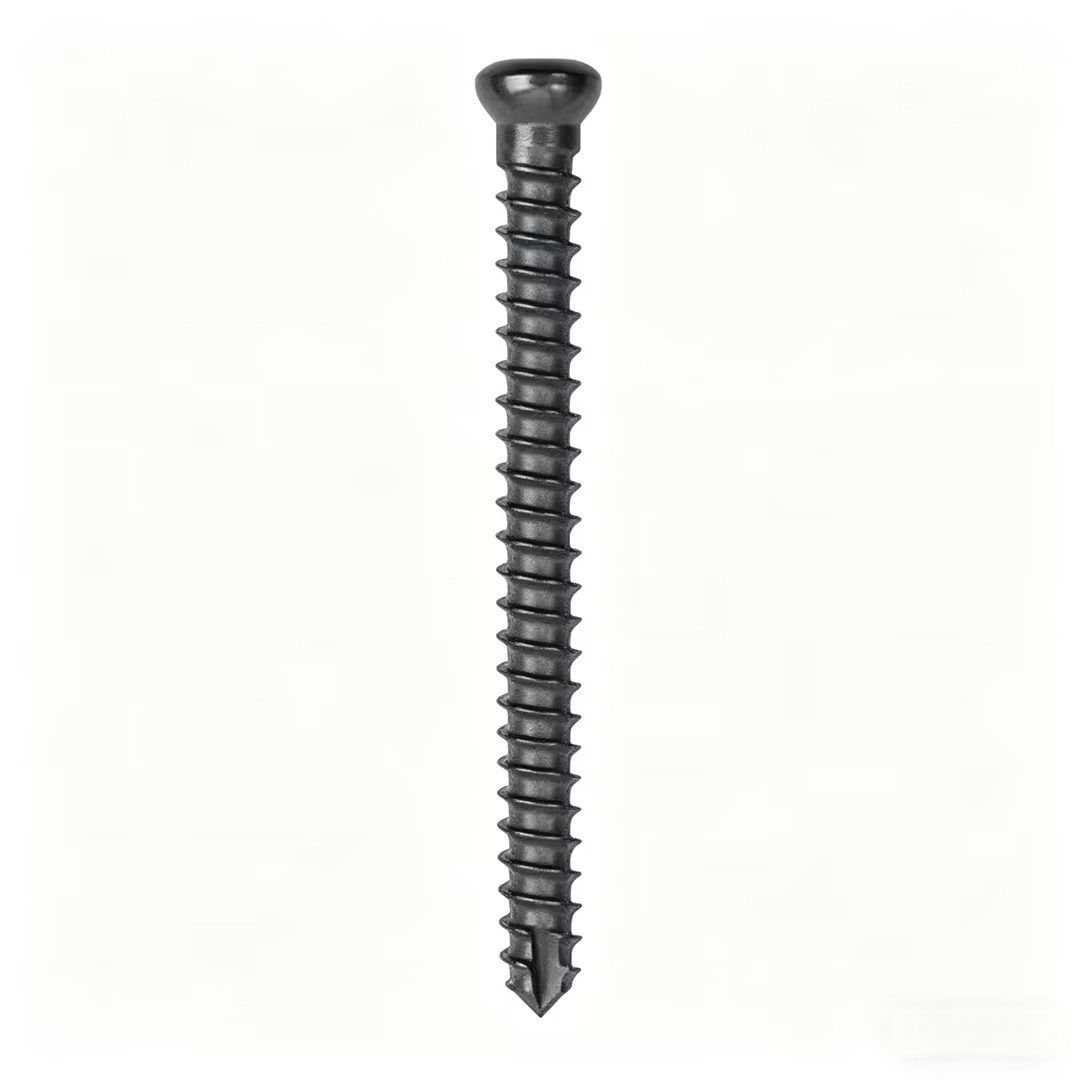
The Cortical Screw is a fundamental orthopedic implant designed for fixation in dense cortical bone. It is widely used in fracture fixation systems, particularly in combination with plates, to achieve stable bone compression and alignment.
Cortical screws are characterized by their fine thread pitch and smaller thread depth, allowing firm purchase in hard cortical bone. They are typically available as non-locking or locking cortical screws and are commonly manufactured from titanium alloy, ensuring excellent biocompatibility and mechanical strength. These screws convert insertion torque into compression force between bone fragments, supporting stable fixation and fracture healing.
Advantages
- Optimized for cortical bone: Fine threads provide strong grip in dense bone structures
- Titanium alloy material: High biocompatibility, corrosion resistance, and long-term durability
- Compression capability: Converts torque into interfragmentary compression for stable fixation
- Versatile application: Compatible with various plate systems (locking and non-locking)
- Self-tapping options available: Reduces surgical steps and improves efficiency
- Wide size range: Common diameters (e.g., 2.7mm, 3.5mm, 4.5mm) with multiple length options
Application
- Fixation of cortical bone fractures (e.g., diaphyseal fractures of long bones)
- Plate fixation systems (DCP, LC-DCP, LCP)
- Small and large bone fracture stabilization
- Orthopedic trauma surgery (ORIF procedures)
- Temporary or definitive fixation depending on surgical strategy
FAQ
Q1: What is the difference between cortical and cancellous screws?
A1: Cortical screws have finer threads and are designed for dense cortical bone, while cancellous screws have deeper threads for better grip in spongy bone.
Q2: Can cortical screws be used with locking plates?
A2: Yes. Locking cortical screws are designed to engage with locking plate holes, while standard cortical screws can be used in compression holes.
Q3: What sizes are commonly used?
A3: Common sizes include 2.7mm, 3.5mm, and 4.5mm diameters, with multiple length options depending on anatomical requirements.