 EN
EN
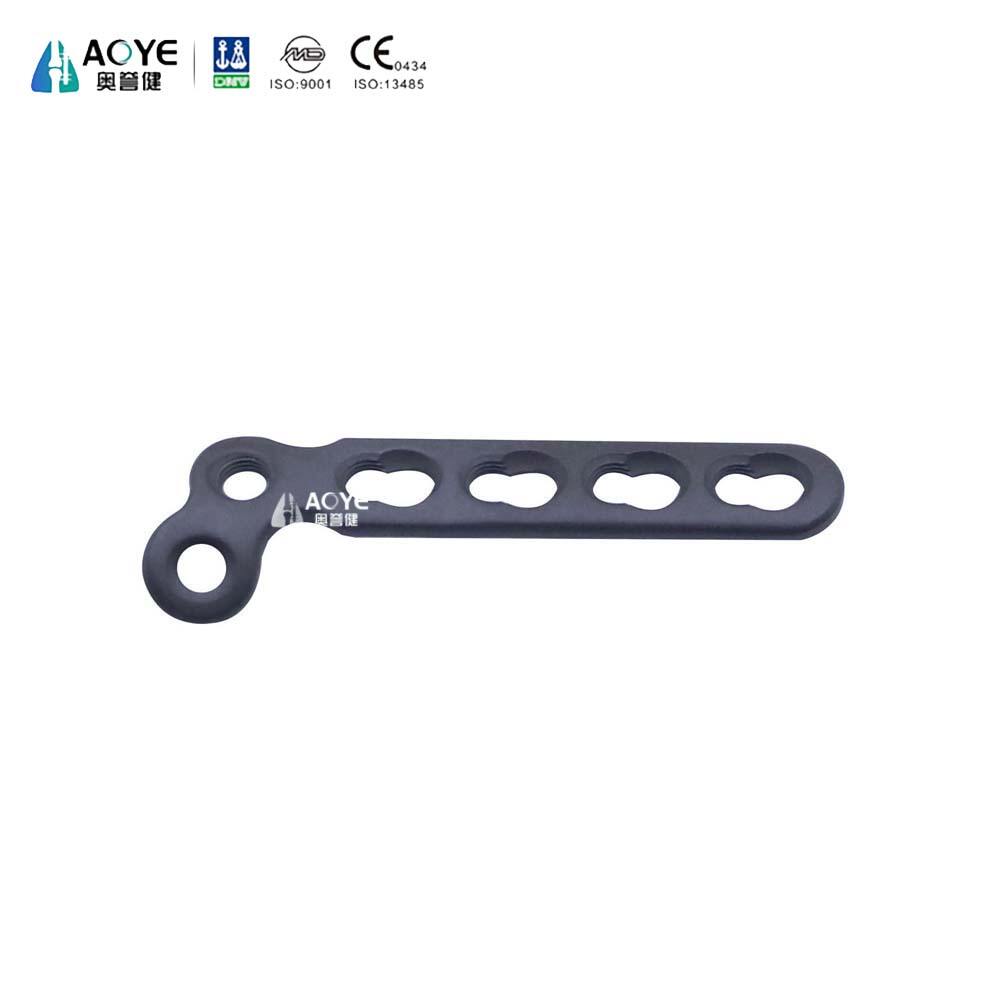
L-Shaped Oblique Phalangeal Locking Plate
| Brand | AOYE |
| Certificates | CE/ISO: 9001/ISO13485. Etc |
| Materials | Titanium |
| MOQ | 1 |
| OEM | Support |
| Lead Time | 7-21Days |
| Logistics | Door to Door,DHL、FedEx、UPS |
- Specification
- Description
- Advantages
- Application
- FAQ
- Recommended Products
| Code | Specification | Length | Screw | |
| AY-L291 | 5 Holes L | 5 Holes R | 32mm | HA2.7 HC2.7 |
| AY-L292 | 6 Holes L | 6 Holes R | 40mm | |
| AY-L293 | 7 Holes L | 7 Holes R | 48mm | |
| AY-L294 | 8 Holes L | 8 Holes R | 56mm | |
Description
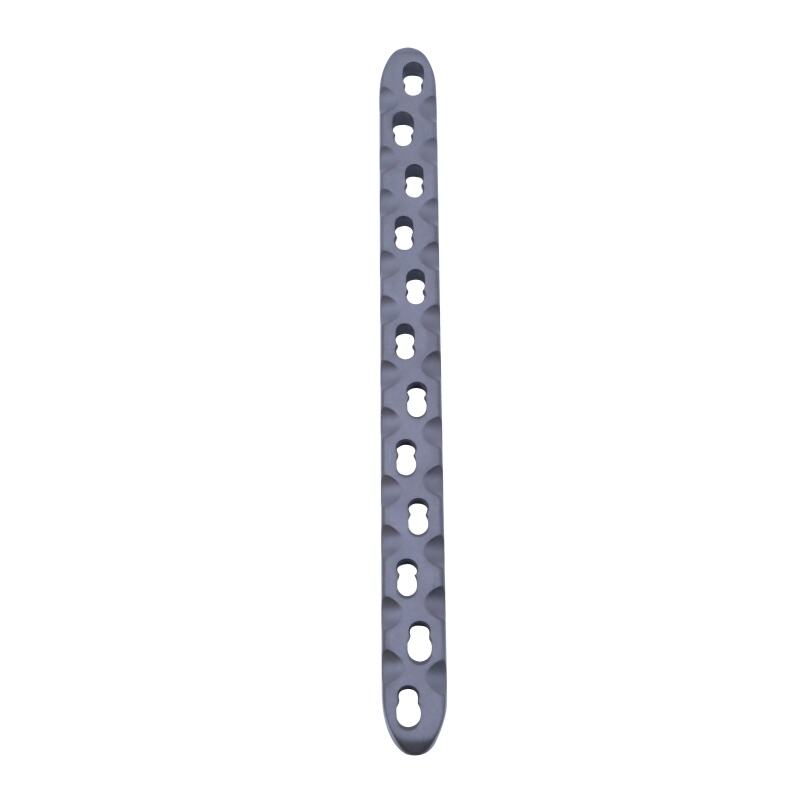
The L-Shaped Oblique Phalangeal Locking Plate is a titanium alloy internal fixation implant designed for the stabilization of oblique and complex phalangeal fractures. Its L-shaped configuration, combined with an oblique orientation, allows targeted fixation of angled fracture lines and improved support for distal or corner fragments.
This locking plate system is engineered to provide angular stable fixation when used with locking screws. It enables precise control of fracture fragments, particularly in oblique or multi-fragment patterns, while maintaining alignment and supporting functional recovery of the finger.
Advantages
- Titanium alloy construction: Excellent biocompatibility, corrosion resistance, and appropriate strength for small bone fixation
- L-shaped oblique design: Optimized for oblique fracture patterns, improving fragment capture and stabilization
- Locking screw system: Provides angular stability and reduces risk of fixation loss
- Enhanced distal fragment support: Allows secure fixation of corner and angled bone segments
- Multi-directional screw placement: Facilitates precise fixation in complex fracture configurations
- Low-profile structure: Minimizes soft tissue irritation and improves postoperative comfort
Application
- Oblique phalangeal fractures
- Comminuted or multi-fragment finger fractures
- Intra-articular phalangeal fractures with angled fracture lines
- Fractures involving distal or corner fragments
- Osteoporotic small bone fractures
- Open reduction and internal fixation (ORIF) procedures
FAQ
Q1: What is the benefit of the oblique design in this plate?
A1: It allows better alignment with oblique fracture lines, improving fixation stability and fragment control.
Q2: Is this plate suitable for complex fractures?
A2: Yes. It is specifically designed for oblique and multi-fragment fractures requiring precise fixation.
Q3: What material is used in this implant?
A3: The plate is manufactured from medical-grade titanium alloy, ensuring durability, strength, and excellent biocompatibility.