 EN
EN
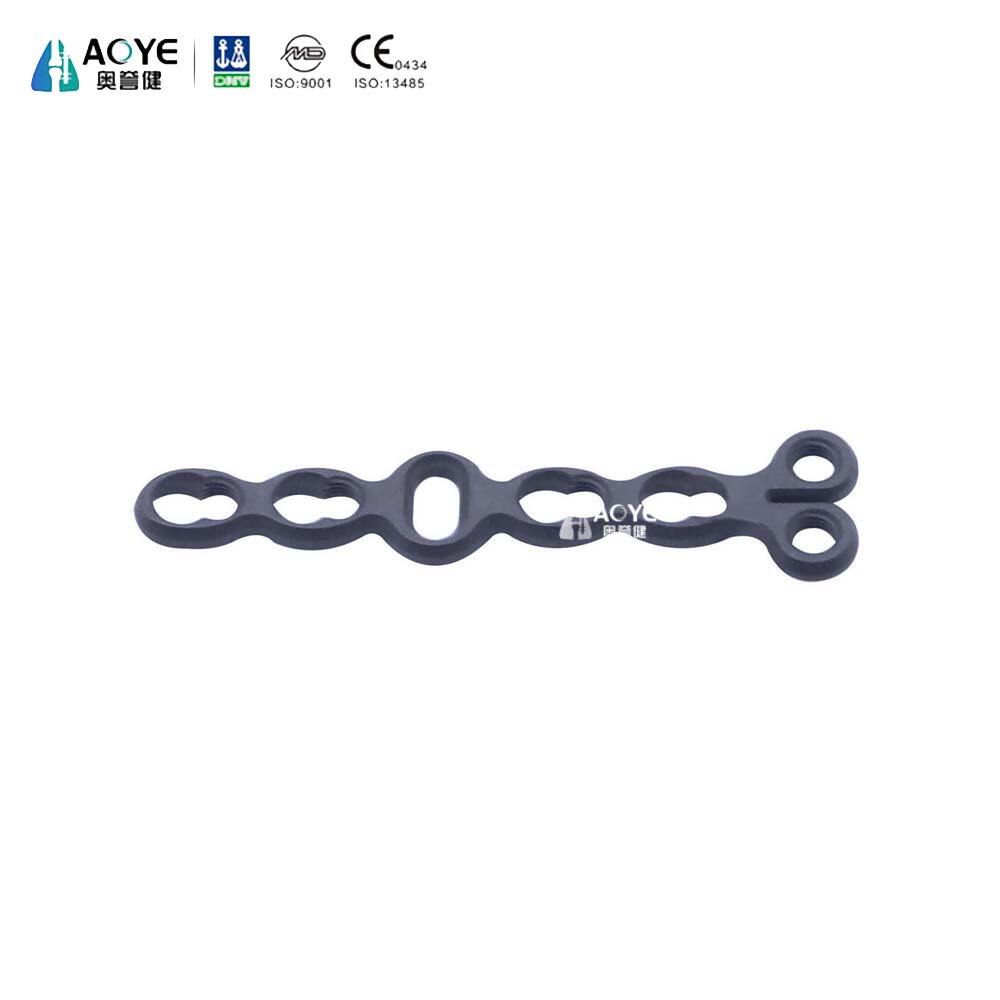
Phalangeal & Ankle Locking Plate
| Brand | AOYE |
| Certificates | CE/ISO: 9001/ISO13485. Etc |
| Materials | Titanium |
| MOQ | 1 |
| OEM | Support |
| Lead Time | 7-21Days |
| Logistics | Door to Door,DHL、FedEx、UPS |
- Specification
- Description
- Advantages
- Application
- FAQ
- Recommended Products
| Code | Specification | Length | Screw | |
| AY-L268 | 4 Holes | 36mm | HA2.0 HC2.0 |
|
| AY-L269 | 5 Holes | 43mm | ||
Description
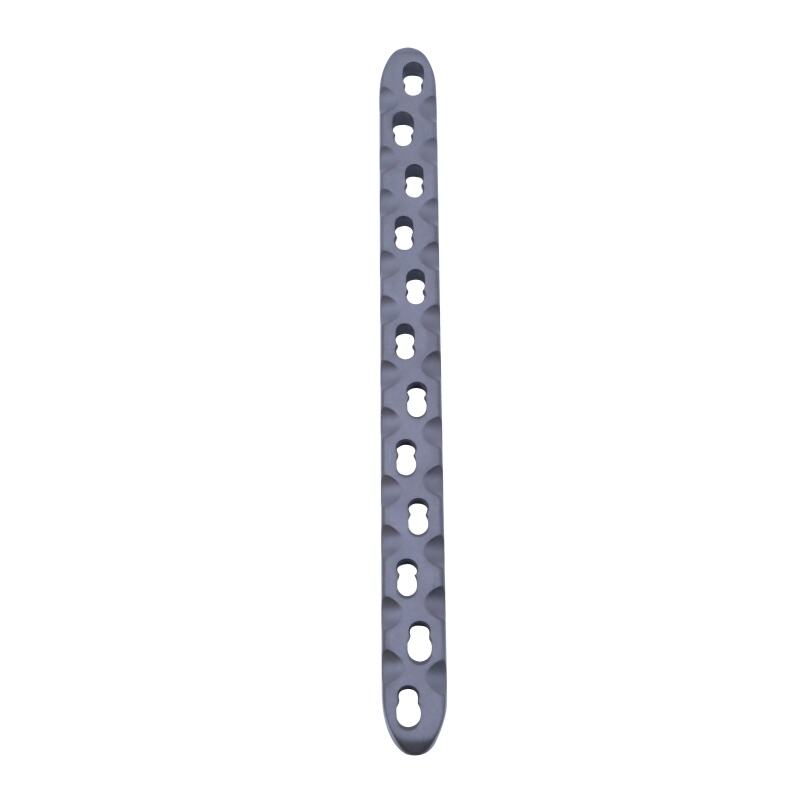
The Phalangeal & Ankle Locking Plate is a titanium alloy internal fixation system designed for versatile application in both small bone (phalangeal) and ankle fracture management. It features a low-profile and adaptable design that allows precise fitting across different anatomical regions, making it suitable for surgeons who require flexible fixation solutions.
This locking plate system is used with locking screws to provide angular stable fixation, ensuring reliable stabilization in both delicate phalangeal bones and load-bearing ankle structures. Its design supports accurate alignment and controlled fixation in a wide range of fracture patterns.
Advantages
- Titanium alloy construction: Excellent biocompatibility, corrosion resistance, and strong mechanical performance
- Dual-application versatility: Suitable for both phalangeal and ankle fracture fixation
- Locking screw system: Provides angular stability and enhances fixation strength
- Low-profile design: Minimizes soft tissue irritation, especially important in small bone and superficial anatomical areas
- Adaptable structure: Can be contoured intraoperatively to match different anatomical shapes
- Stable fixation across indications: Supports both small bone precision and ankle load-bearing requirements
Application
- Phalangeal fractures (proximal, middle, distal)
- Small bone fractures of the hand or foot
- Ankle fractures (selected fracture patterns)
- Metaphyseal fractures requiring low-profile fixation
- Osteoporotic fracture fixation
- Open reduction and internal fixation (ORIF) procedures
FAQ
Q1: How can one plate be used for both phalangeal and ankle fractures?
A1: The plate is designed with a versatile, low-profile structure that can be adapted to different anatomical regions through contouring and appropriate screw selection.
Q2: Is this plate suitable for load-bearing areas like the ankle?
A2: Yes. When used appropriately with locking screws, it provides stable fixation suitable for selected ankle fracture patterns.
Q3: What material is used in this implant?
A3: The plate is made from medical-grade titanium alloy, ensuring durability, strength, and excellent biocompatibility.