 EN
EN
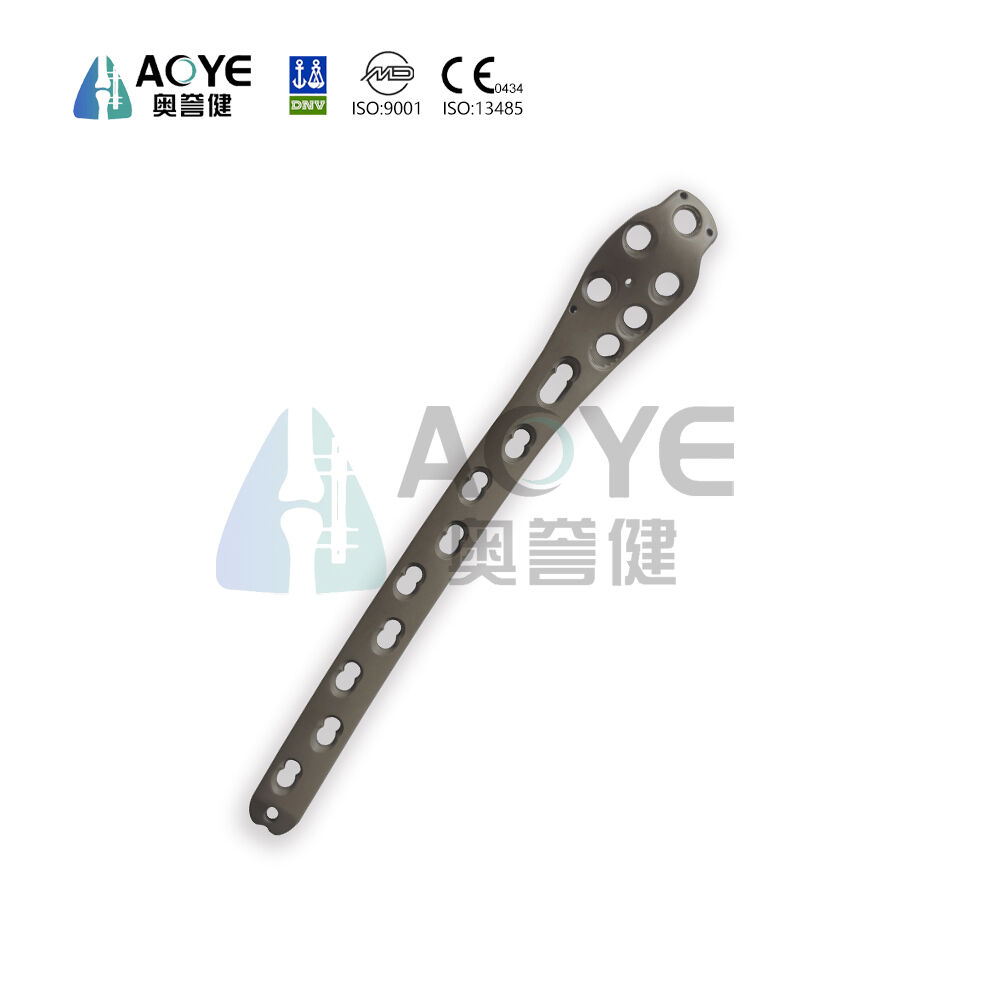
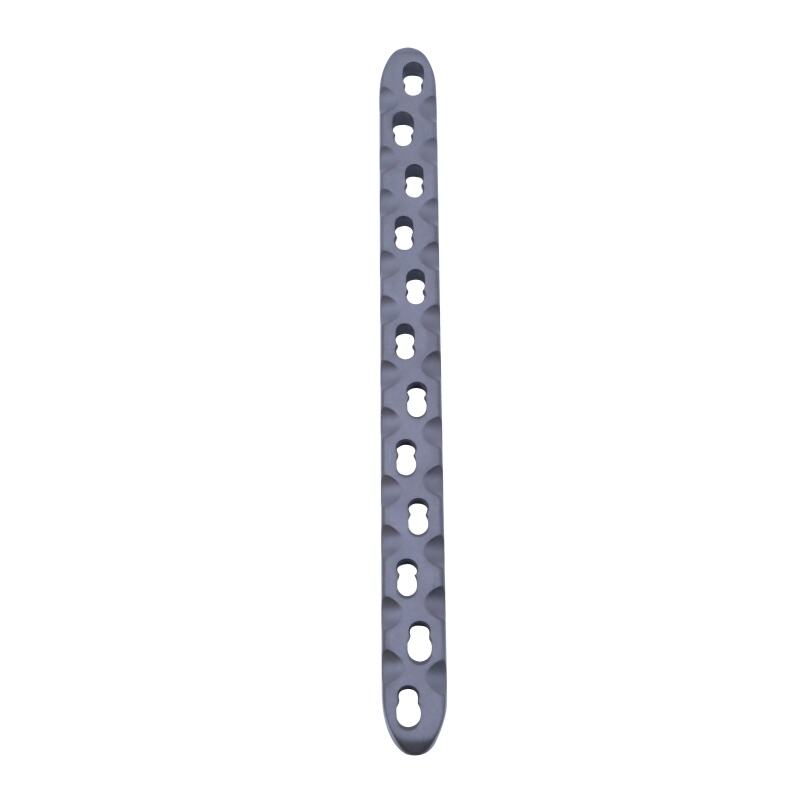
Proximal Femoral Serpentine Locking Plate
| Brand | AOYE |
| Certificates | CE/ISO: 9001/ISO13485. Etc |
| Materials | Titanium |
| MOQ | 1 |
| OEM | Support |
| Lead Time | 7-21Days |
| Logistics | Door to Door,DHL、FedEx、UPS |
- Specification
- Description
- Advantages
- Application
- FAQ
- Recommended Products
| Code | Specification | Length | Screw | |
| AY-L001 | 4 Holes L | 4 Holes R | 144mm | HC5.0 |
| AY-L002 | 5 Holes L | 5 Holes R | 162mm | |
| AY-L003 | 6 Holes L | 6 Holes R | 180mm | |
| AY-L004 | 7 Holes L | 7 Holes R | 198mm | |
| AY-L005 | 8 Holes L | 8 Holes R | 216mm | |
| AY-L006 | 9 Holes L | 9 Holes R | 234mm | |
| AY-L007 | 10 Holes L | 10 Holes R | 252mm | |
| AY-L008 | 11 Holes L | 11 Holes R | 270mm | |
| AY-L009 | 12 Holes L | 12 Holes R | 288mm | |
| AY-L010 | 13 Holes L | 13 Holes R | 306mm | |
| AY-L011 | 14 Holes L | 14 Holes R | 324mm | |
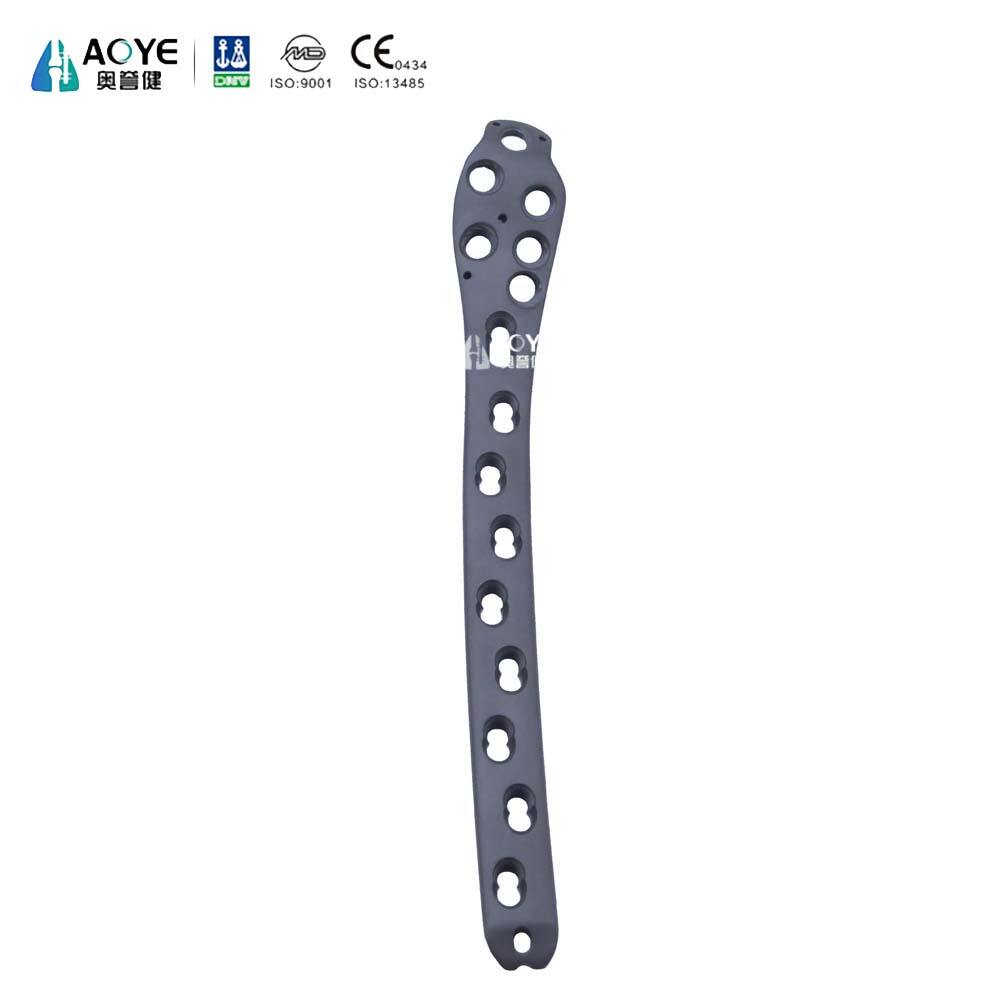
The Proximal Femoral Serpentine Locking Plate is an anatomically pre-contoured fixation implant designed for stabilization of complex fractures in the proximal femur. Its distinctive serpentine-shaped profile follows the natural lateral curvature of the femur, allowing improved anatomical fit and reducing the need for intraoperative plate bending.
This locking plate is part of a titanium alloy internal fixation system and works in combination with locking screws to provide angular stable fixation. It is commonly used in trauma surgery for maintaining reduction in unstable proximal femoral fracture patterns, especially where bone quality or fracture complexity requires enhanced stability.
- Titanium alloy construction: Provides excellent biocompatibility, corrosion resistance, and favorable strength-to-weight ratio
- Anatomical serpentine design: Improves adaptation to the lateral femoral anatomy for better contouring and fixation accuracy
- Angular stable locking system: Enhances construct stability, especially in osteoporotic or comminuted fractures
- Improved load distribution: Helps reduce stress concentration at the fracture site, supporting healing alignment
- Reduced intraoperative shaping: Pre-contoured design minimizes surgical adjustment time
- Reliable fixation in complex fractures: Suitable for unstable proximal femur fracture patterns
- Intertrochanteric femur fractures
- Subtrochanteric femur fractures
- Complex proximal femoral comminuted fractures
- Osteoporotic fracture fixation requiring locking stability
- Trauma orthopedic surgery (ORIF procedures)
- Hospital orthopedic departments and emergency trauma cases
Q1: What material is used in this plate?
A1: The plate is manufactured from medical-grade titanium alloy, offering strong biocompatibility and durability for internal fixation.
Q2: Why is the serpentine design important?
A2: It improves anatomical fit along the femur, reducing the need for bending during surgery and helping maintain proper alignment.
Q3: Is this plate suitable for elderly patients with osteoporosis?
A3: Yes. When used with locking screws, it provides angular stability that is particularly beneficial in osteoporotic bone conditions.