 EN
EN
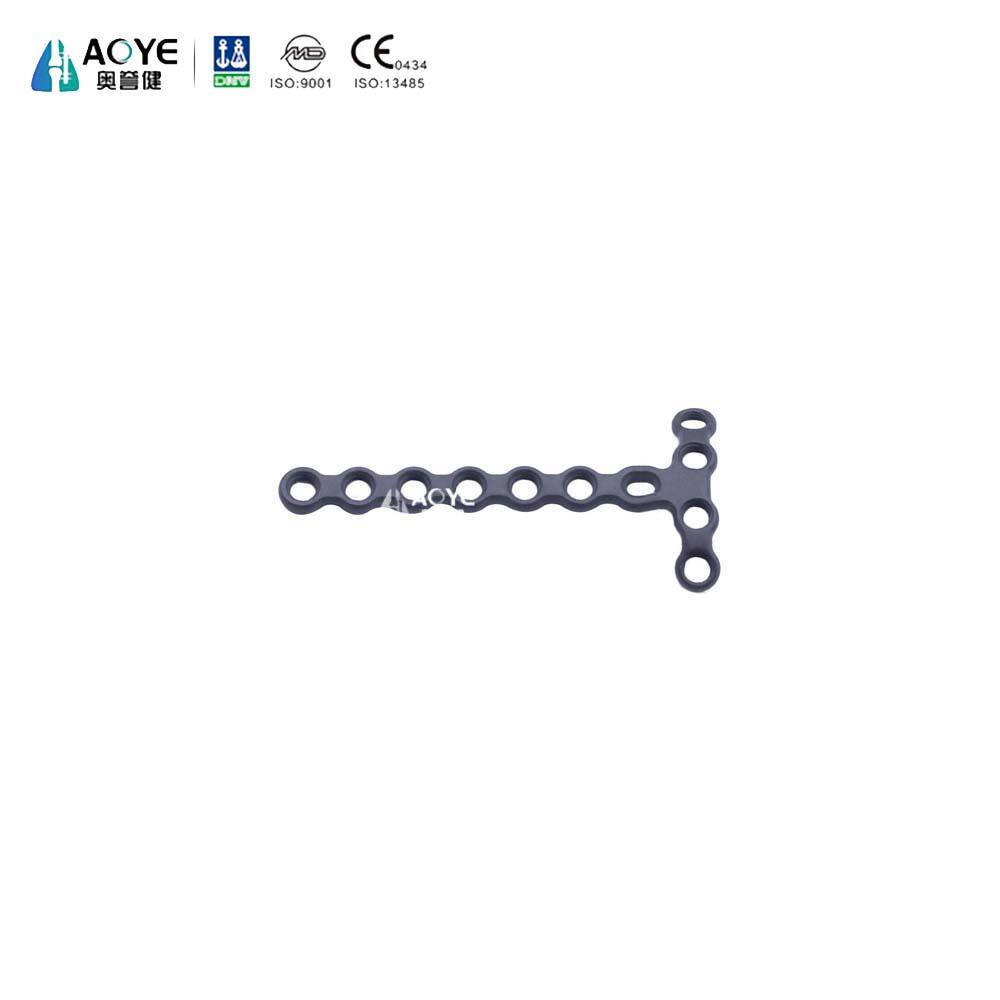
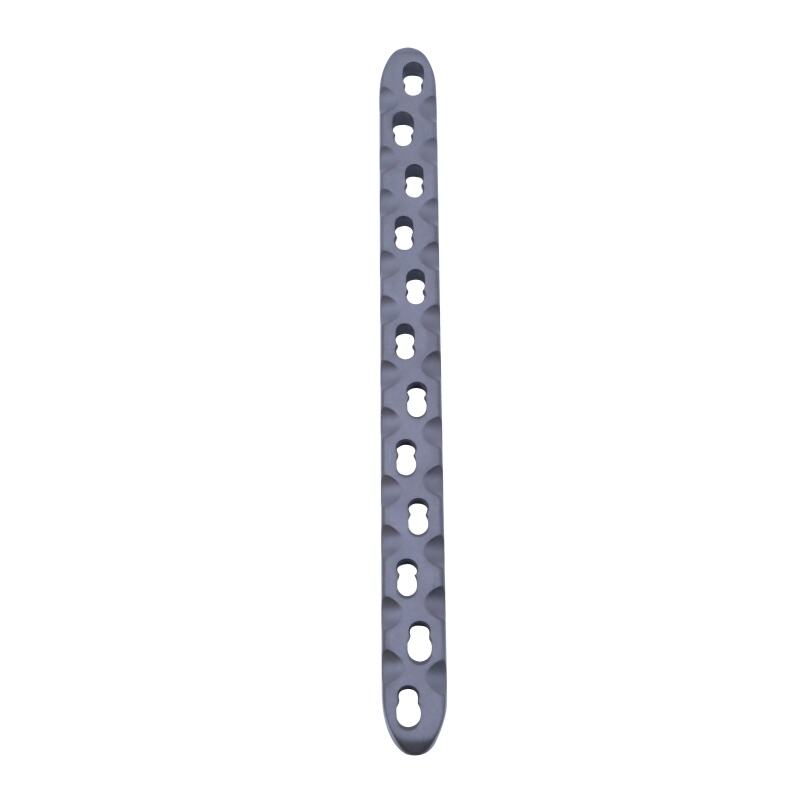
T-Shaped Reconstruction Phalangeal Locking Plate
| Brand | AOYE |
| Certificates | CE/ISO: 9001/ISO13485. Etc |
| Materials | Titanium |
| MOQ | 1 |
| OEM | Support |
| Lead Time | 7-21Days |
| Logistics | Door to Door,DHL、FedEx、UPS |
- Specification
- Description
- Advantages
- Application
- FAQ
- Recommended Products
| Code | Specification | Length | Screw | |
| AY-L266 | 7 Holes | 39mm | HA1.5 HC1.5 |
|
| AY-L267 | 8 Holes | 44.5mm | ||
Description
The T-Shaped Reconstruction Phalangeal Locking Plate is a titanium alloy internal fixation implant designed for precise reconstruction and stabilization of phalangeal fractures. Its T-shaped configuration provides extended distal coverage, allowing effective fixation of both metaphyseal and articular fragments in small bones of the hand.
This locking plate system is specifically suited for complex fracture patterns requiring anatomical restoration. The plate can be contoured intraoperatively to match individual bone anatomy, while the locking screw mechanism ensures angular stable fixation, helping maintain alignment throughout the healing process.
Advantages
- Titanium alloy construction: Excellent biocompatibility, corrosion resistance, and suitable strength for small bone fixation
- T-shaped reconstruction design: Enhances support and fixation of distal and articular fragments
- Locking screw technology: Provides angular stability and reduces risk of fixation loss
- Intraoperative contouring capability: Allows customization to fit various phalangeal anatomies
- Precise fragment control: Supports accurate alignment in comminuted and intra-articular fractures
- Low-profile structure: Minimizes soft tissue irritation and improves postoperative comfort
Application
- Phalangeal fractures (proximal, middle, and distal phalanges)
- Intra-articular phalangeal fractures
- Comminuted or segmental fractures
- Fractures requiring anatomical reconstruction
- Osteoporotic small bone fractures
- Open reduction and internal fixation (ORIF) procedures
FAQ
Q1: What is the advantage of a T-shaped reconstruction plate?
A1: It provides better distal coverage and allows multiple screw placements for stabilizing small and complex fracture fragments.
Q2: Can this plate be adjusted during surgery?
A2: Yes. It is designed for reconstruction purposes and can be contoured intraoperatively to match patient anatomy.
Q3: What material is used in this implant?
A3: The plate is manufactured from medical-grade titanium alloy, ensuring strength, durability, and excellent biocompatibility.