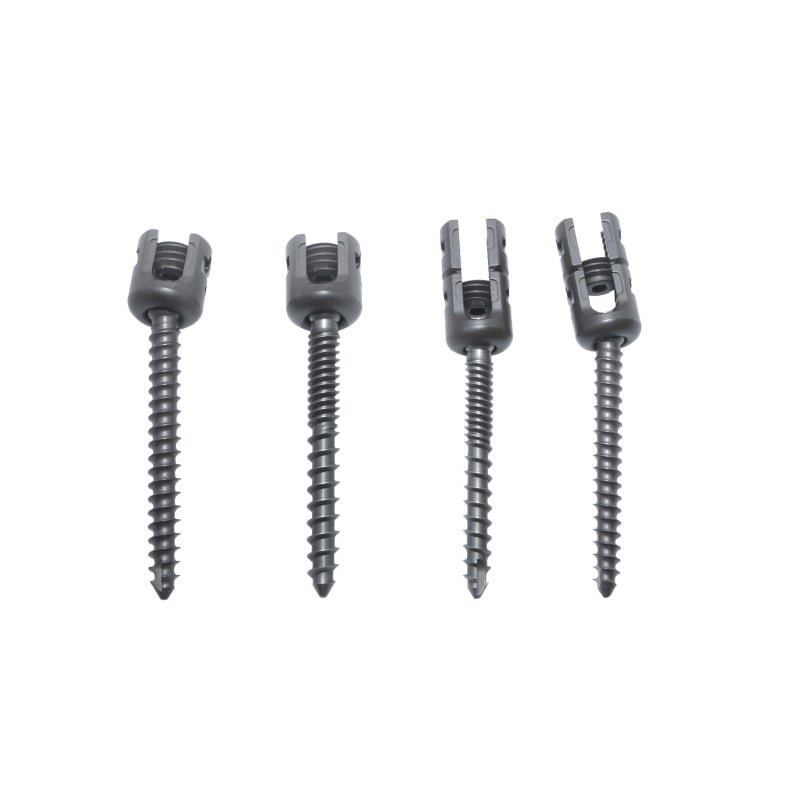
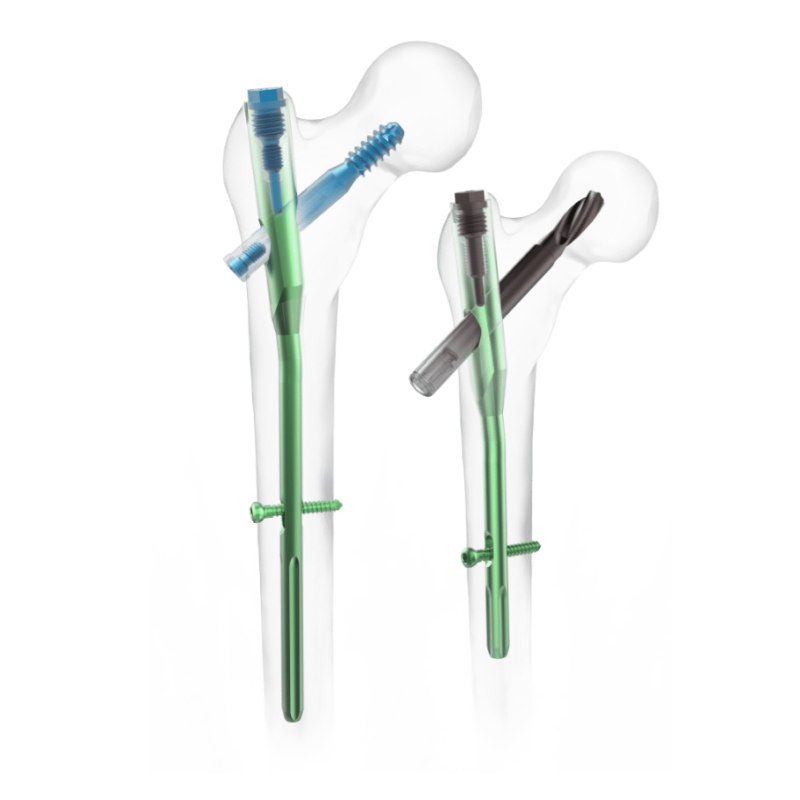
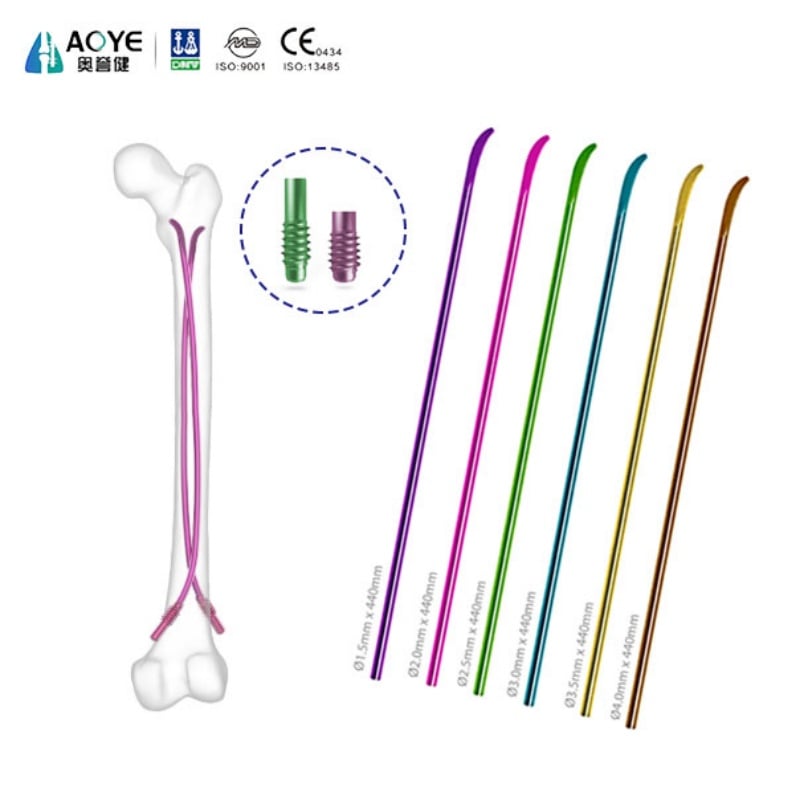
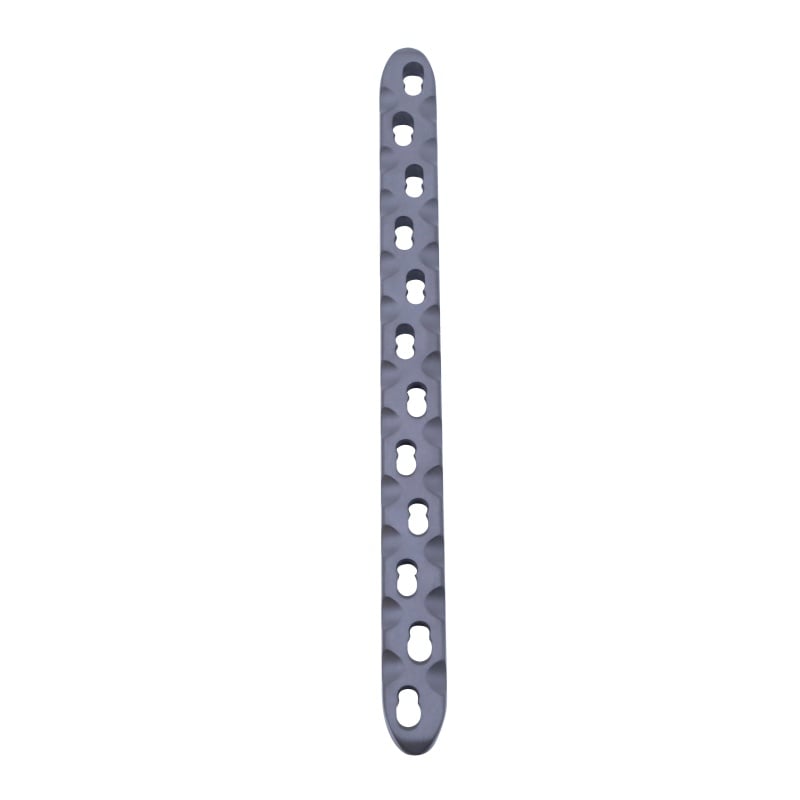
Anterior cervical fusion cages are critical components in spinal surgery, designed to provide stability and support to the cervical vertebrae following disc removal. For purchasing managers and medical professionals, understanding the specifications, material advantages, and quality control processes associated with these implants is essential for making informed decisions. This article will delve into the key factors to consider when evaluating Aoye stand alone cage cervical, ensuring that you can make a purchase that meets both clinical and operational requirements.
The choice of material for anterior cervical fusion cages directly impacts their performance and longevity. Common materials include titanium and PEEK (polyether ether ketone).
Titanium is known for its strength and biocompatibility, allowing for excellent integration with bone while providing sufficient mechanical support. Its elasticity closely resembles that of human bone, reducing stress shielding and promoting healing. However, titanium can be more expensive than other materials, which may affect overall cost considerations.
PEEK offers the advantage of being radiolucent, meaning it does not interfere with imaging techniques such as X-rays or MRIs. This property is particularly advantageous for post-operative evaluations. PEEK cages are lightweight and exhibit favorable mechanical properties, making them a popular choice. However, buyers should consider that PEEK may not provide the same level of bone integration as titanium.
When selecting materials, it’s crucial to assess not just the mechanical properties, but also how the material will perform under specific surgical conditions. Factors like the patient's weight, activity level, and specific surgical technique can influence which material is the best fit for a given application.
Cost is a significant factor in the procurement of Aoye anterior cervical fusion cages, influenced by various elements including material choice, manufacturing processes, and volume.
Material Costs: As highlighted, titanium generally commands a higher price point than PEEK. Understanding the implications of material choices on costs will help when budgeting for surgical procedures.
Manufacturing Techniques: The complexity of the manufacturing process can also drive costs up. Advanced techniques such as 3D printing or custom designs may offer better patient-specific solutions but can increase the expense.
Volume Discounts: Purchasing in bulk can lead to significant savings. It’s advisable for healthcare facilities to evaluate their surgical schedules to estimate the required quantities and potentially negotiate better pricing with manufacturers.
Quality Control and Certifications: Ensure that the products comply with international certifications such as ISO13485 and CE marking. While these certifications may add to the cost, they are essential for ensuring product safety and reliability.
By evaluating these cost factors, buyers can align their purchasing decisions with both budgetary constraints and quality needs.
Anterior cervical fusion cages are primarily used in procedures such as anterior cervical discectomy and fusion (ACDF), where they play a crucial role in stabilizing the spine after the removal of intervertebral discs. Specific applications include:
Degenerative Disc Disease: Patients suffering from degenerative conditions often require cervical fusion to relieve pressure on spinal nerves and restore structural integrity.
Trauma: In cases of cervical spine injury, cervical stand alone cage help stabilize the affected areas, facilitating healing and preventing further injury.
Tumor Resection: Following tumor removal in the cervical region, fusion cages support the spine during recovery, ensuring alignment and stability.
Understanding the specific applications can guide purchasing decisions, as certain designs may be better suited to particular surgical techniques or patient needs.
When evaluating anterior cervical fusion cages, several key specifications and features should be considered:
Dimensions: Verify that the dimensions of the cage fit the surgical requirements and the anatomy of the target patient population. Inappropriate sizing can lead to complications.
Surface Finish: The surface treatment can significantly affect osseointegration. Roughened surfaces often enhance bone growth into the cage, improving stability.
Load-Bearing Capacity: Ensure that the chosen cage can withstand the mechanical loads it will encounter in vivo. Engaging with manufacturers about specific load requirements can prevent potential failures post-surgery.
Customization Options: Given the variability in patient anatomy, consider suppliers that offer customization capabilities. Tailoring the design to fit specific surgical needs can enhance patient outcomes.
By focusing on these criteria, buyers can ensure they select cages that meet their clinical requirements while minimizing the risk of post-operative complications.
Quality control is paramount in the manufacturing of Aoye anterior cervical fusion cages. It should encompass the following elements:
Raw Material Inspection: Ensure that all materials used are sourced from reputable suppliers and meet specified standards. This step is critical in preventing issues related to material defects.
Manufacturing Processes: Engage with manufacturers regarding their production techniques. Advanced methods like CNC machining or additive manufacturing should be coupled with rigorous testing protocols.
Final Product Testing: Before mass production, it’s advisable for buyers to request samples for testing. This will allow for verification of specifications and performance under load conditions.
Documentation and Certification: Ensure that all products come with complete documentation, including certificates of compliance to international standards. This documentation is essential for quality assurance and traceability.
By implementing stringent quality control measures throughout the manufacturing process, buyers can significantly reduce the risk of complications arising from inferior products.
Selecting cage cervical peek requires a thorough understanding of material properties, cost implications, application suitability, critical specifications, and quality control processes. By taking these considerations into account, purchasing managers and healthcare professionals can ensure that they make informed decisions that enhance patient outcomes and operational efficiency.
Aoyujian Medical Technology provides trusted orthopedic solutions, high-quality implants, OEM/ODM services, and global shipping for hospitals & distributors.
No. 2 Changting Road, Gehu Farm, Wujin Economic Development Zone, Changzhou, Jiangsu, China
Copyright © Aoyujian Medical Technology (Changzhou) Co., Ltd. All Rights Reserved - Privacy Policy - Blog
 EN