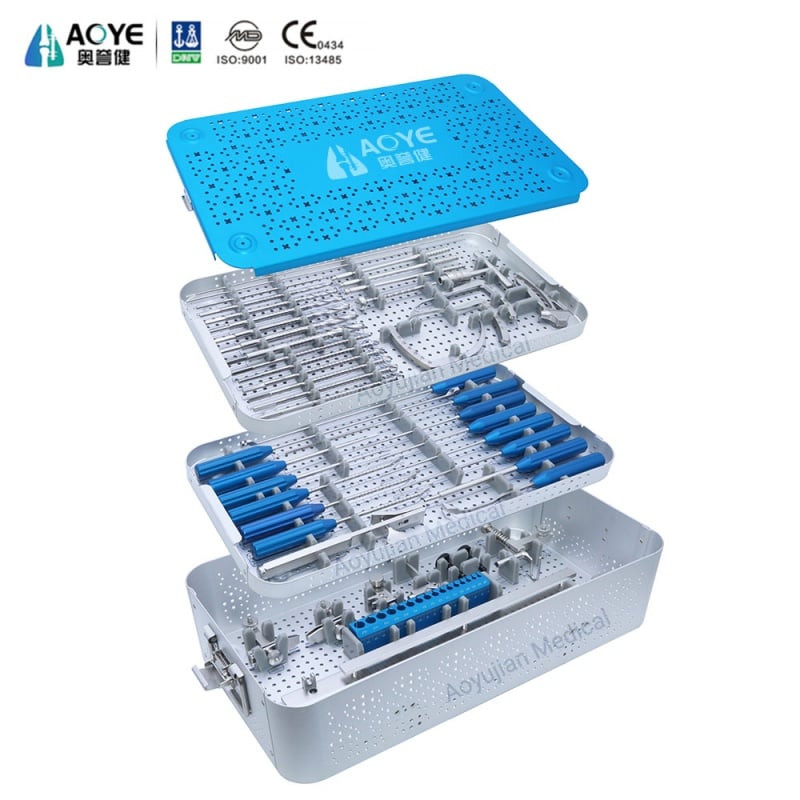
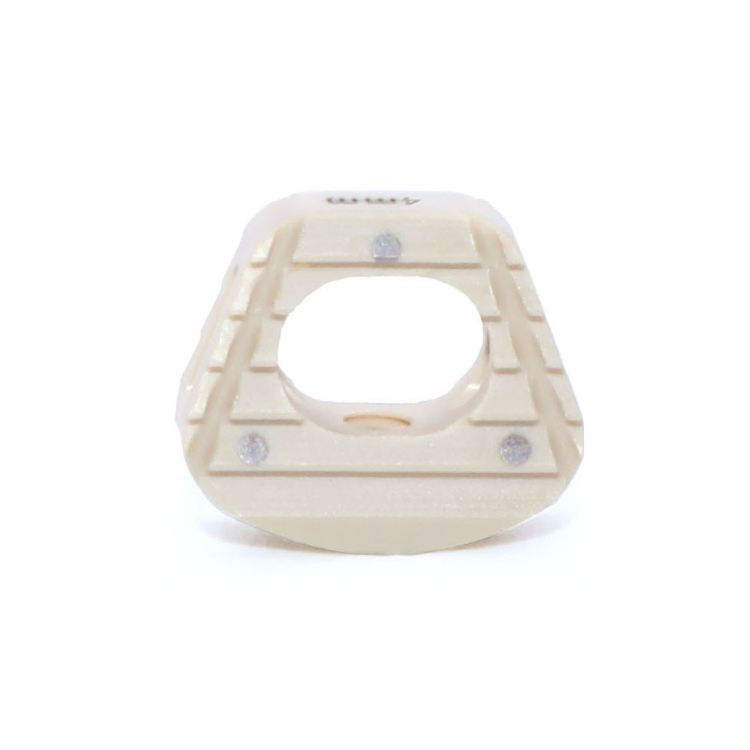
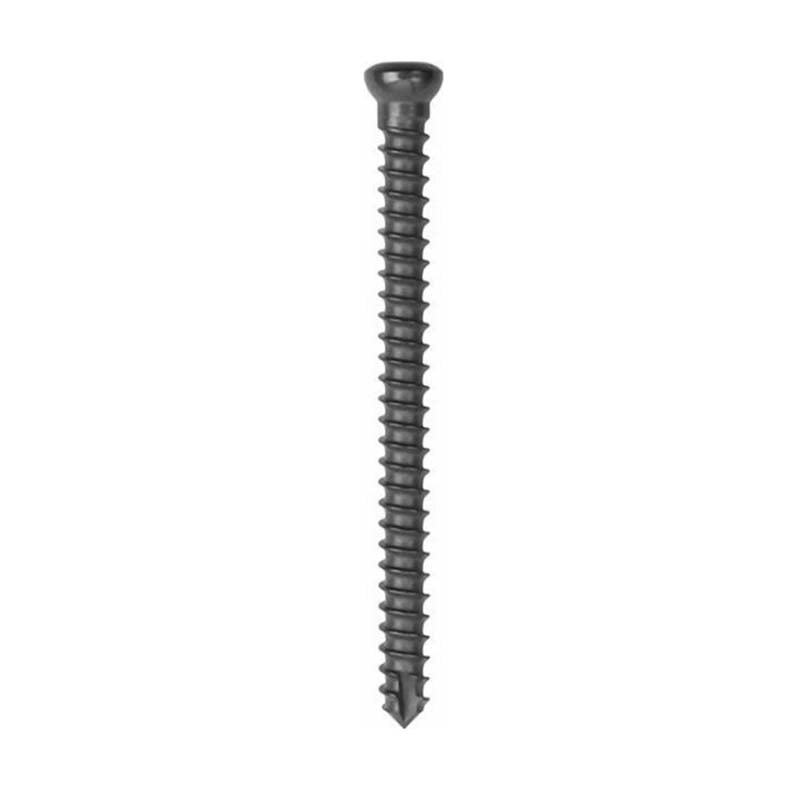
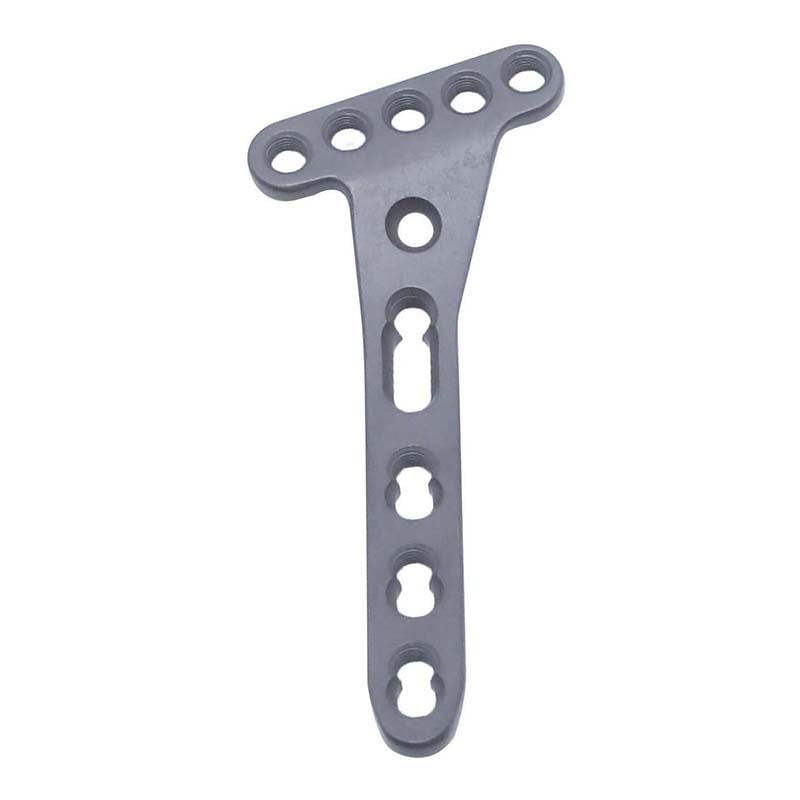
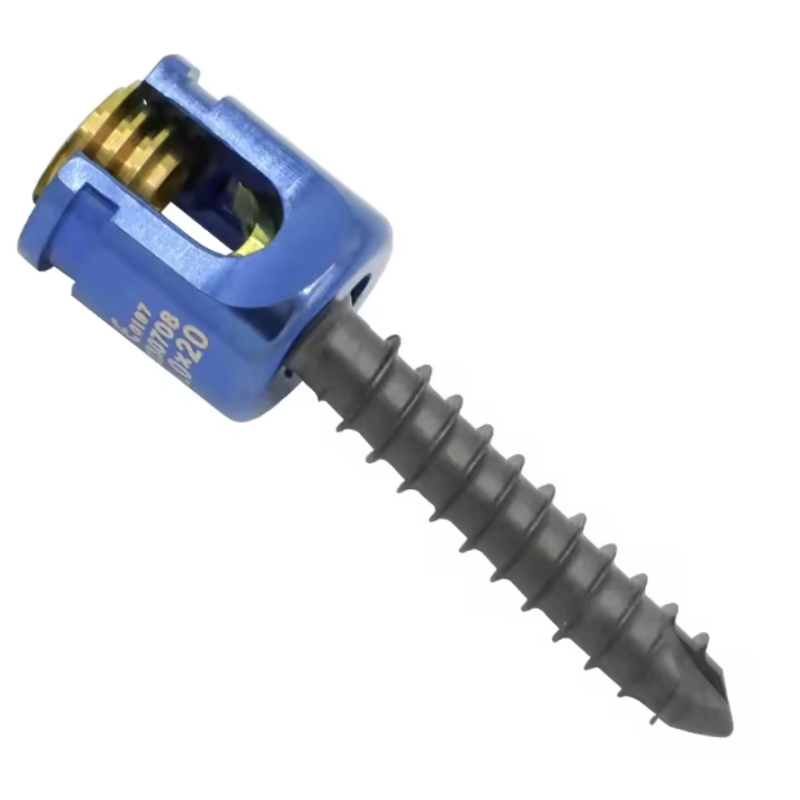
Cervical cage fusion is a critical component in spinal surgeries aimed at stabilizing the cervical spine after conditions such as degenerative disc disease, trauma, or tumor removal. For B2B buyers, including purchasing managers, engineers, and medical distributors, understanding the intricacies of cervical cage fusion devices is essential for making informed purchasing decisions. This article will explore key specifications, supplier insights, common installation challenges, cost factors to consider, and the materials used in these devices, helping you navigate the complexities of buying Aoye cervical cage fusion products.
Cervical cages are designed to support vertebrae during the fusion process, allowing for bone growth between vertebrae to stabilize the spine. Key specifications include:
Dimensions: The size of the cervical cage must match the patient’s anatomy and the surgical approach. Common dimensions vary, and customization may be necessary to ensure optimal fit and support.
Material: Most cervical cages are made from biocompatible materials such as titanium or PEEK (polyether ether ketone), which offer strength and support while minimizing the risk of rejection or complications.
Porosity: Some cages feature porous structures that enhance bone ingrowth, promoting faster and more effective fusion.
Weight: The weight of the device can affect the ease of implantation and the overall patient comfort post-surgery.
The benefits of cervical instrument set include improved stability, reduced pain, and enhanced recovery times for patients. Additionally, a well-designed cervical cage can facilitate better fusion rates, leading to greater long-term success in spinal surgeries.
Choosing the right supplier for cervical cage fusion products is paramount. Aoyujian Medical, as an ISO13485/CE certified manufacturer, demonstrates strong compliance with international quality standards, which is crucial for ensuring that medical devices meet stringent safety and efficacy requirements. When evaluating suppliers, consider factors such as:
Experience: A supplier with a proven track record in the orthopedic implant industry can provide insights into the latest innovations and technologies.
Customization Capabilities: Some patients may require custom solutions, so it’s important to partner with a supplier that can accommodate unique specifications.
Quality Control Processes: Robust quality assurance protocols during manufacturing can help mitigate risks associated with device failure or complications.
Engaging with a reliable supplier can also provide access to technical support and training for medical teams involved in the installation of cervical cage fusion devices.
While the implantation of Aoye cervical cages is routine, various challenges can arise during the surgical process:
Anatomical Variation: Individual patient anatomy can vary significantly, which may require adjustments to the surgical technique or equipment used.
Alignment Issues: Proper alignment is crucial for the success of the fusion. Surgeons must ensure that the cage is positioned correctly to avoid complications.
Bone Quality: The quality of the bone can influence the effectiveness of the fusion. Poor bone quality may lead to inadequate integration of the cage.
Surgical Technique: Surgeons must be well-trained in the specific techniques required for the successful implantation of bone saw orthopedic, as improper technique can increase the risk of failure.
To mitigate these challenges, preoperative planning and thorough anatomical assessments are essential. Additionally, utilizing advanced imaging techniques can help surgeons anticipate potential complications.
Understanding the cost factors associated with cervical cage fusion is vital for budget management. Key considerations include:
Material Costs: The choice of materials (e.g., titanium vs. PEEK) can significantly affect the overall price. Biocompatible and high-strength materials may come at a premium but can offer superior performance.
Customization Fees: If custom shapes or sizes are required, be prepared for additional costs associated with design and manufacturing.
Volume Discounts: Many manufacturers offer discounts for bulk purchases, which can be beneficial for hospitals and surgical centers that perform a high volume of procedures.
Shipping and Handling: Costs related to the logistics of transporting medical devices should be factored into the overall budget.
Engaging in discussions with suppliers about pricing structures and potential bulk order discounts can lead to more favorable procurement terms.
The choice of materials for cervical cage fusion devices is critical, as it affects biocompatibility, strength, and the overall success of the fusion process. Common materials include:
Titanium: Known for its strength and biocompatibility, titanium is a popular choice for cervical cages. Its excellent mechanical properties ensure durability during the healing process.
PEEK: This polymer is favored for its radiolucency, allowing for better imaging post-surgery. PEEK also offers good strength and is less likely to cause allergic reactions.
Composite Materials: Some cervical cages incorporate a combination of materials to optimize performance. For example, a titanium cage may have a PEEK coating to enhance flexibility and reduce irritation.
When selecting a material, consider the specific clinical needs and patient factors that may influence the choice. Consult with surgeons and medical professionals to ensure that the selected material meets the required performance standards for the intended application.
By understanding these key aspects of Aoye surgical drill machine, B2B buyers can make informed decisions that will lead to better patient outcomes and enhanced surgical success.
Aoyujian Medical Technology provides trusted orthopedic solutions, high-quality implants, OEM/ODM services, and global shipping for hospitals & distributors.
No. 2 Changting Road, Gehu Farm, Wujin Economic Development Zone, Changzhou, Jiangsu, China
Copyright © Aoyujian Medical Technology (Changzhou) Co., Ltd. All Rights Reserved - Privacy Policy - Blog
 EN