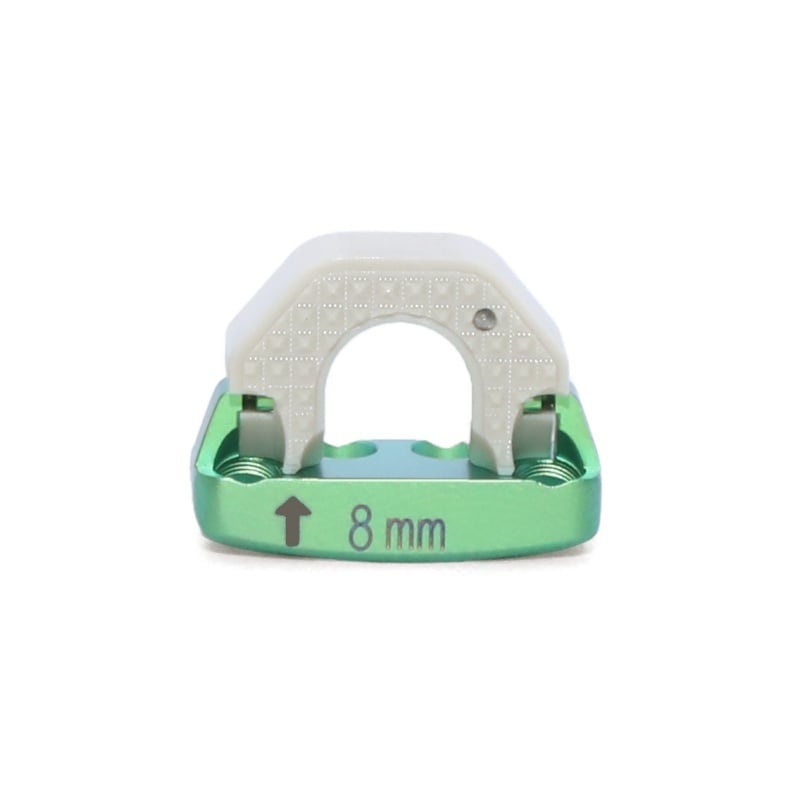
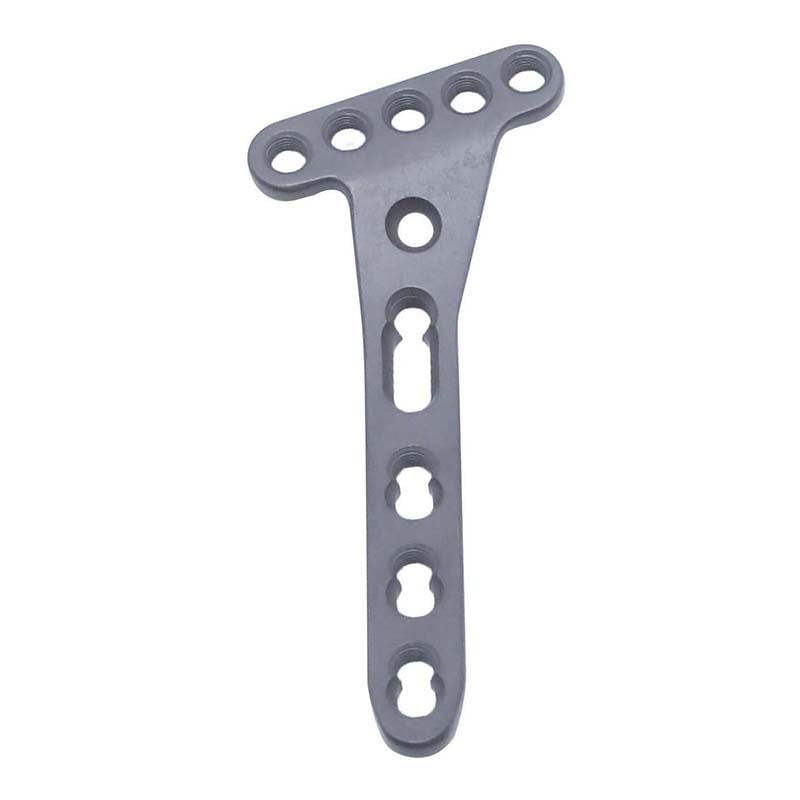
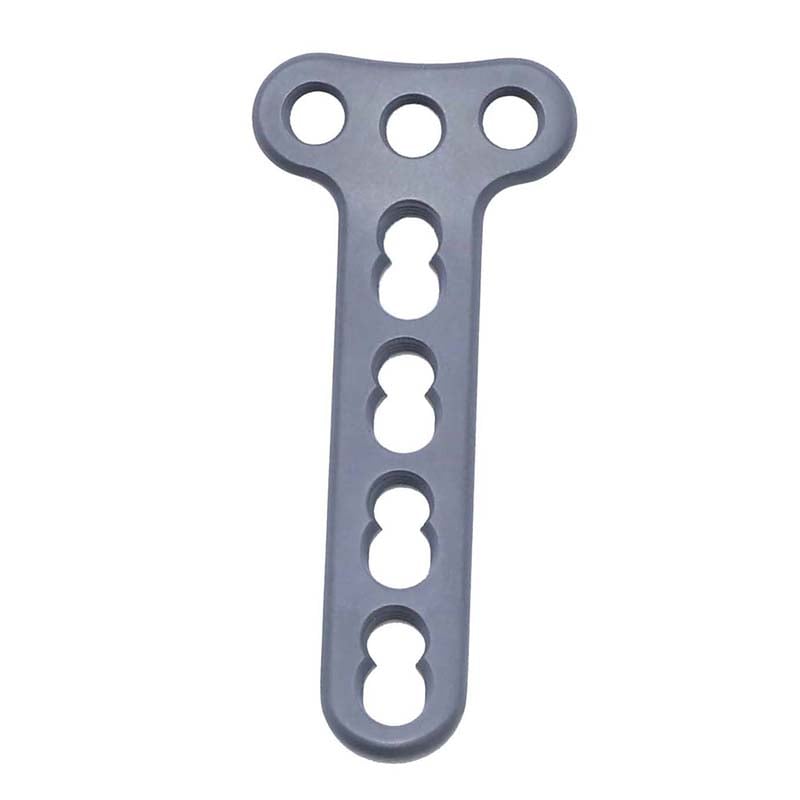
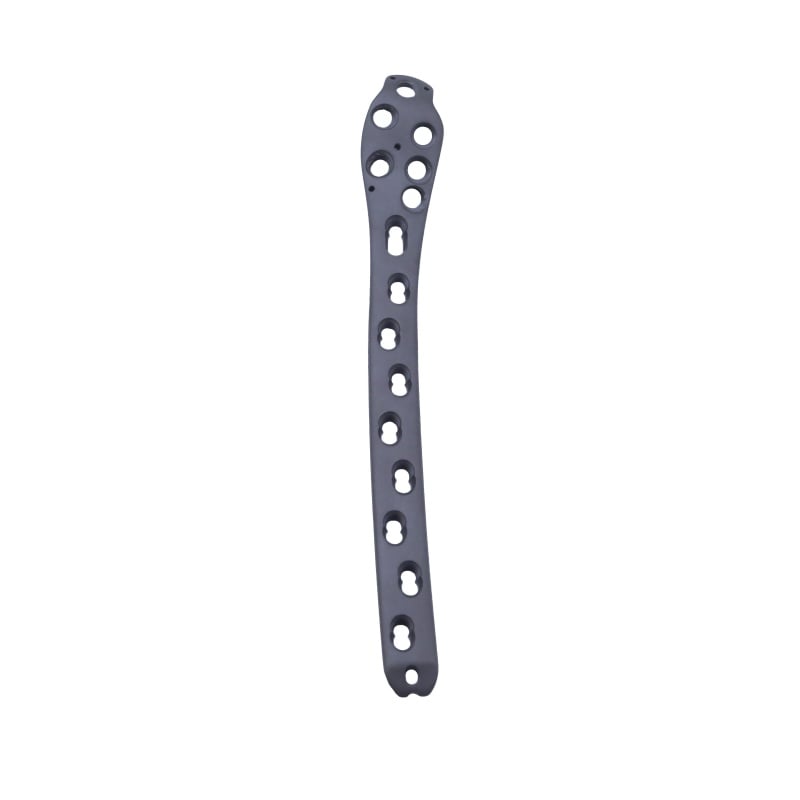
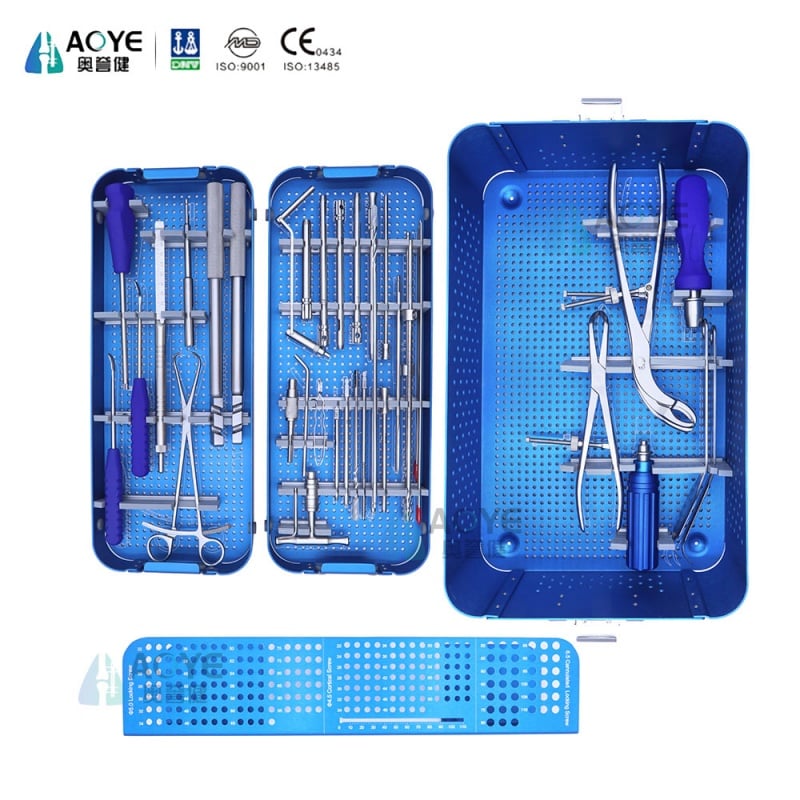
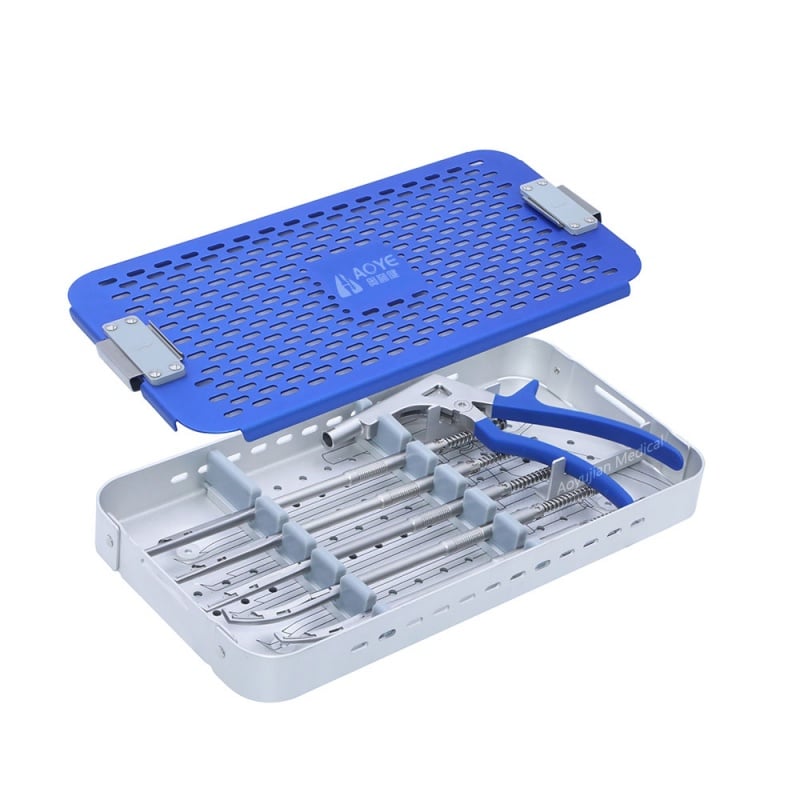
Cervical titanium cages are vital components used in spinal surgeries, particularly for patients requiring cervical fusion. As a B2B buyer, understanding the specifications, applications, and supplier options for cervical pedicle screw is crucial to ensure that you make informed purchasing decisions. This article will guide you through essential considerations when choosing a cervical titanium cage, reliable global suppliers, common issues, applications in spine surgery and trauma, and the importance of these factors in your purchasing process.
When selecting cervical titanium cages for wholesale, there are several critical factors to consider:
Material Properties: Titanium is favored for its strength-to-weight ratio, biocompatibility, and resistance to corrosion. Ensure that the titanium grade meets industry standards, such as ASTM F136, which is specifically designed for surgical implants.
Design and Dimensions: The design must align with the intended surgical procedure, whether anterior or posterior approaches. Verify that the dimensions (height, width, and lordotic angle) fit the specific anatomical requirements of your patient population.
Manufacturing Capabilities: Assess the supplier’s production capabilities. For instance, Aoyujian Medical, an ISO13485/CE certified manufacturer, employs advanced CNC machining and 3D printing techniques, which can enhance customization options and production efficiency.
Quality Control Processes: Look for suppliers with rigorous quality control measures, including batch testing and traceability. This ensures that every cage meets safety and efficacy standards, reducing the risk of complications during surgery.
Certifications: Confirm that the product is CE marked and adheres to ISO standards. These certifications indicate compliance with international regulations and standards for medical devices.
Finding trustworthy suppliers requires thorough research. Here are effective strategies:
Industry Trade Shows: Attending medical device expos and orthopedic conferences is an excellent way to meet suppliers face-to-face, assess product quality, and discuss customization options.
Online Marketplaces: Platforms like cervical instrument set Alibaba and Global Sources can be valuable resources for discovering manufacturers. Look for suppliers with verified business licenses and customer reviews.
Professional Networks: Utilize industry connections and LinkedIn to get recommendations for reliable manufacturers. Engaging with peers can lead to insights about suppliers’ reliability and product quality.
Direct Manufacturer Engagement: Companies like Aoyujian Medical often provide direct communication channels. Reach out to them for product catalogs, samples, and detailed specifications.
Despite their advantages, cervical titanium cages can face specific challenges. Here are common issues and potential solutions:
Misalignment: Improper placement during surgery can lead to cage misalignment. To mitigate this, ensure that surgical teams are well-trained and use imaging technology to confirm correct placement.
Inadequate Integration: Some cages may not integrate effectively with bone, leading to non-union. Selecting cages with a roughened surface or those coated with bioactive materials can enhance osseointegration.
Material Fatigue: Though titanium is strong, it can experience fatigue over time. Regular monitoring of patients and following up on their recovery is essential to identify any complications early.
Infection Risks: As with any surgical implant, there is a risk of postoperative infections. Implementing stringent sterilization protocols and using antibacterial coatings can reduce this risk.
Cervical titanium cages are predominantly utilized in various surgical applications:
Cervical Fusion Surgery: The primary application is in anterior cervical discectomy and fusion (ACDF), where the cage provides structural support and maintains disc height after the removal of intervertebral discs.
Spinal Stabilization: In cases of trauma or degenerative disc disease, cervical cages help stabilize the spine, promoting healing and restoring mobility.
Minimally Invasive Surgery: Advances in surgical techniques allow for less invasive approaches. Cages designed for such procedures can improve recovery times and reduce postoperative complications.
Revision Surgeries: In cases where previous surgeries have failed, stand alone cage cervical can be used in revision procedures to stabilize the spine effectively.
Understanding the nuances of cervical titanium cage purchases is essential for ensuring successful outcomes in spinal procedures. Here’s why these considerations are critical:
Patient Safety and Efficacy: The right choice of cervical cage directly impacts patient safety and the success of the surgical procedure. Selecting high-quality implants minimizes risks associated with complications.
Cost Efficiency: Investing in reliable, well-manufactured cages can lower overall costs by reducing the likelihood of surgical complications and the need for revision surgeries.
Regulatory Compliance: Ensuring compliance with international standards avoids legal issues and enhances the credibility of your practice or institution.
Long-term Partnerships: Establishing relationships with reputable suppliers not only secures quality products but also facilitates support in terms of product updates, training, and troubleshooting.
By considering these factors, B2B buyers can make informed decisions that lead to better patient outcomes and enhanced operational efficiency in their practices.
Aoyujian Medical Technology provides trusted orthopedic solutions, high-quality implants, OEM/ODM services, and global shipping for hospitals & distributors.
No. 2 Changting Road, Gehu Farm, Wujin Economic Development Zone, Changzhou, Jiangsu, China
Copyright © Aoyujian Medical Technology (Changzhou) Co., Ltd. All Rights Reserved - Privacy Policy - Blog
 EN