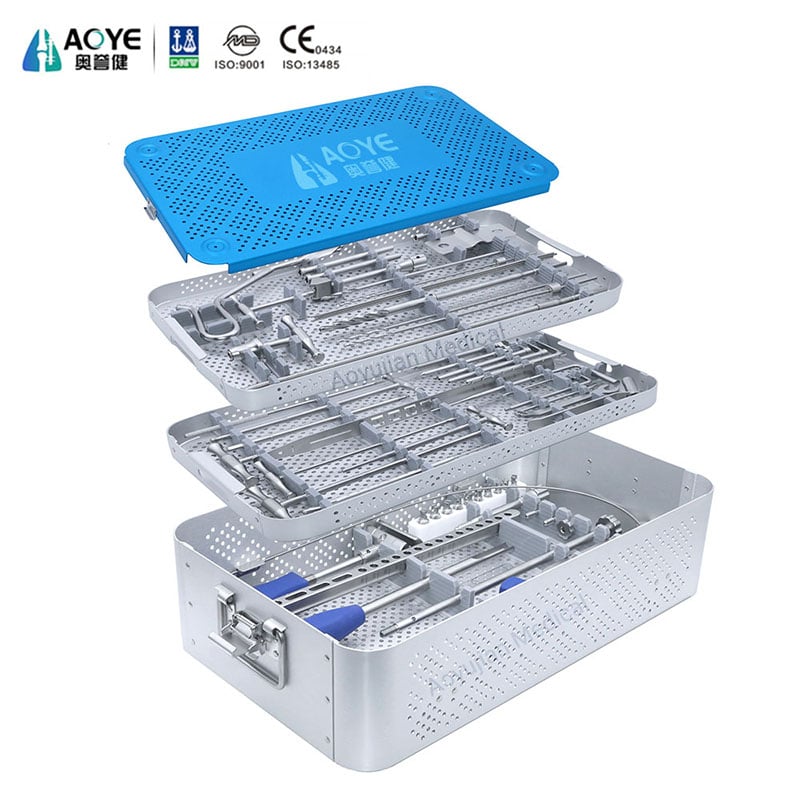
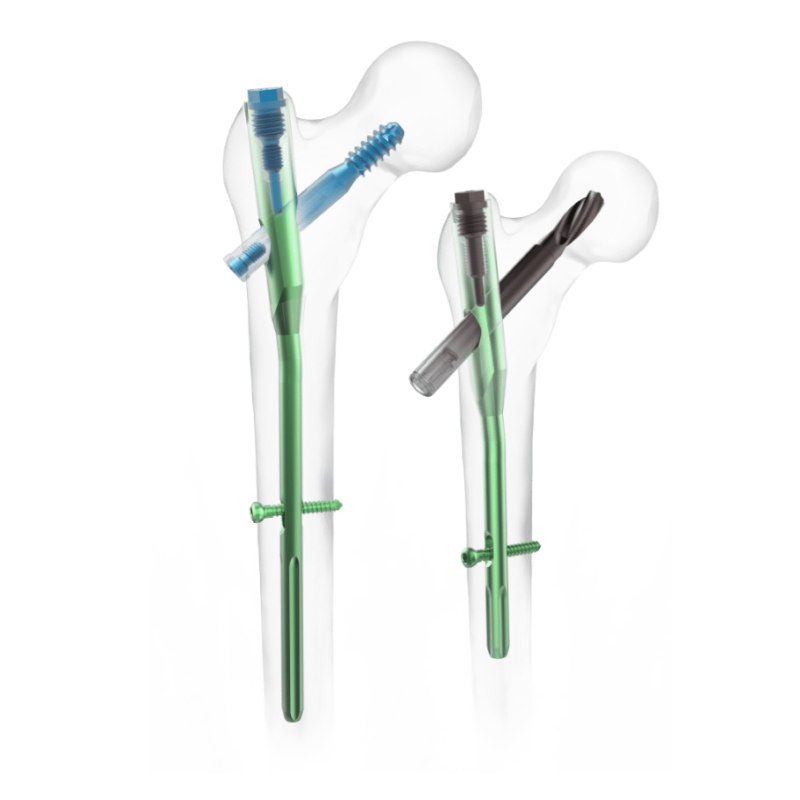
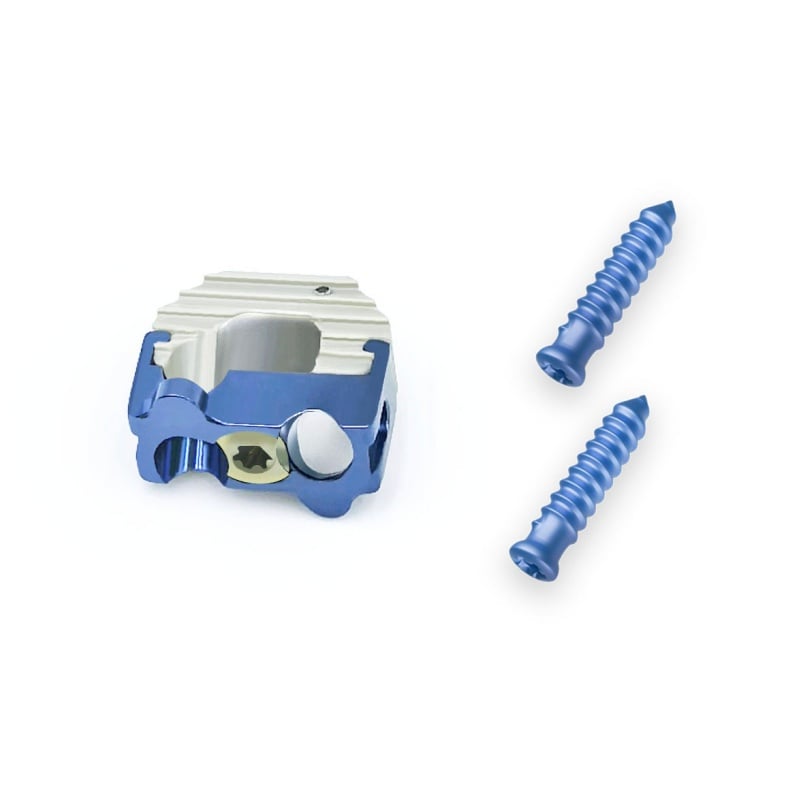
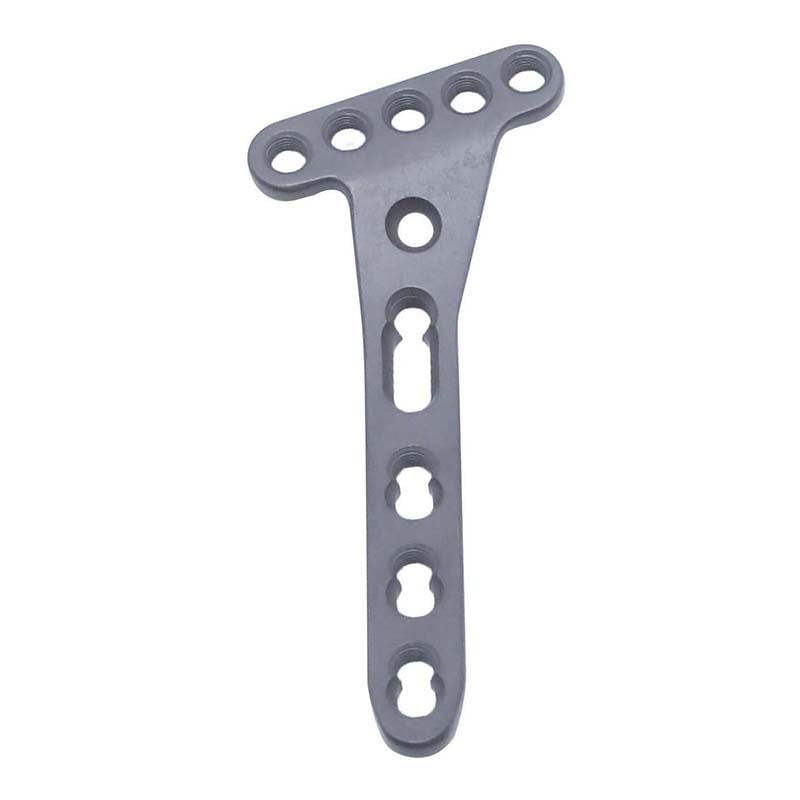
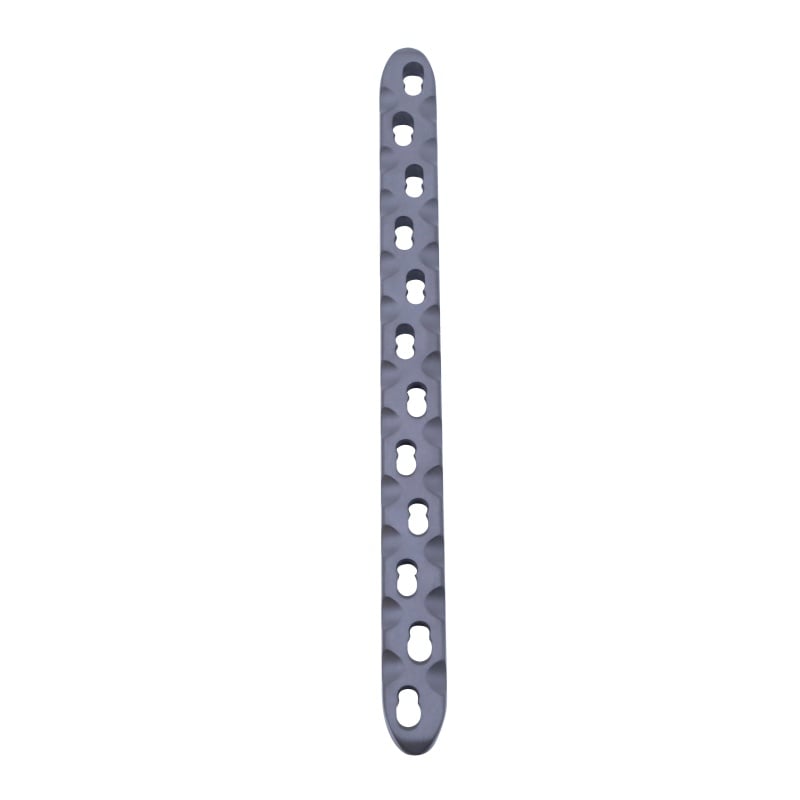
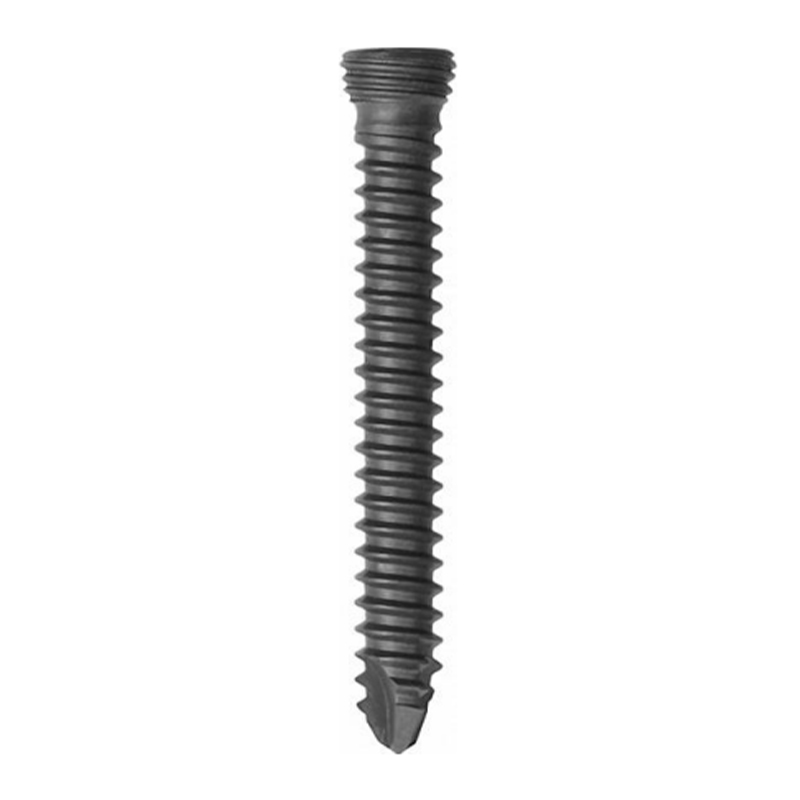
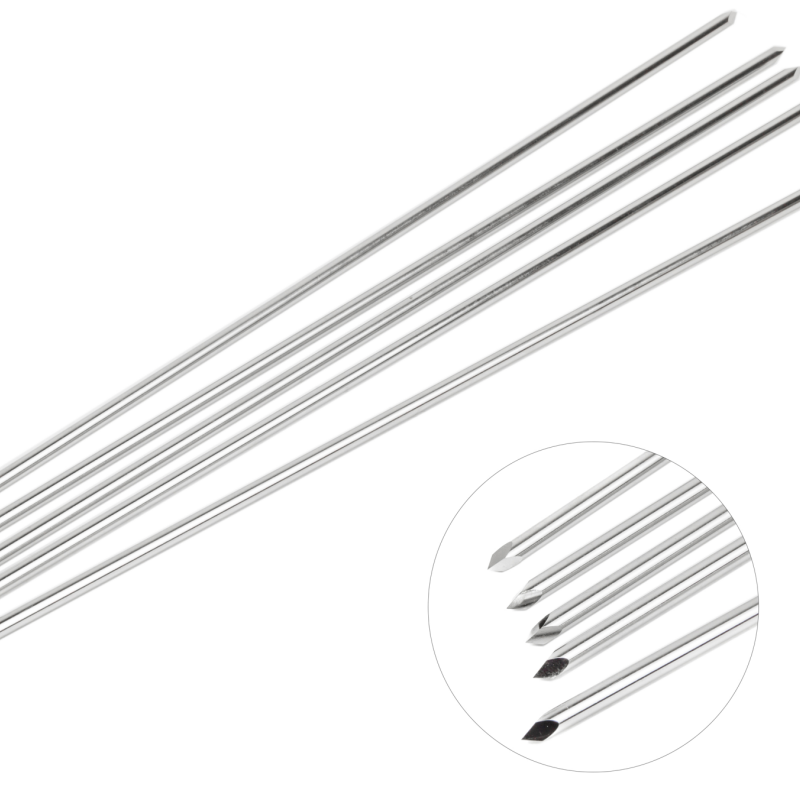
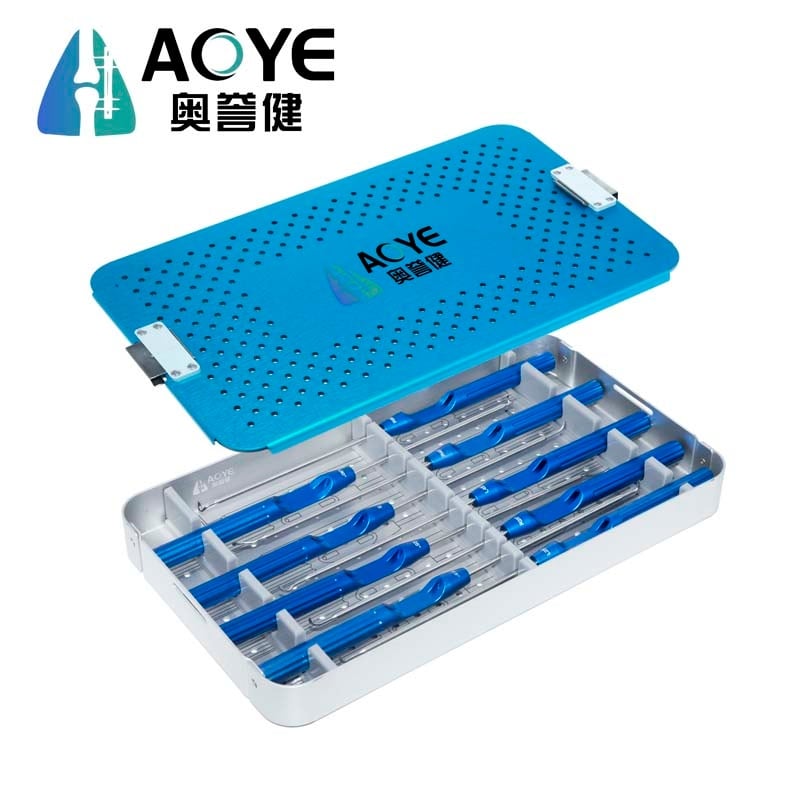
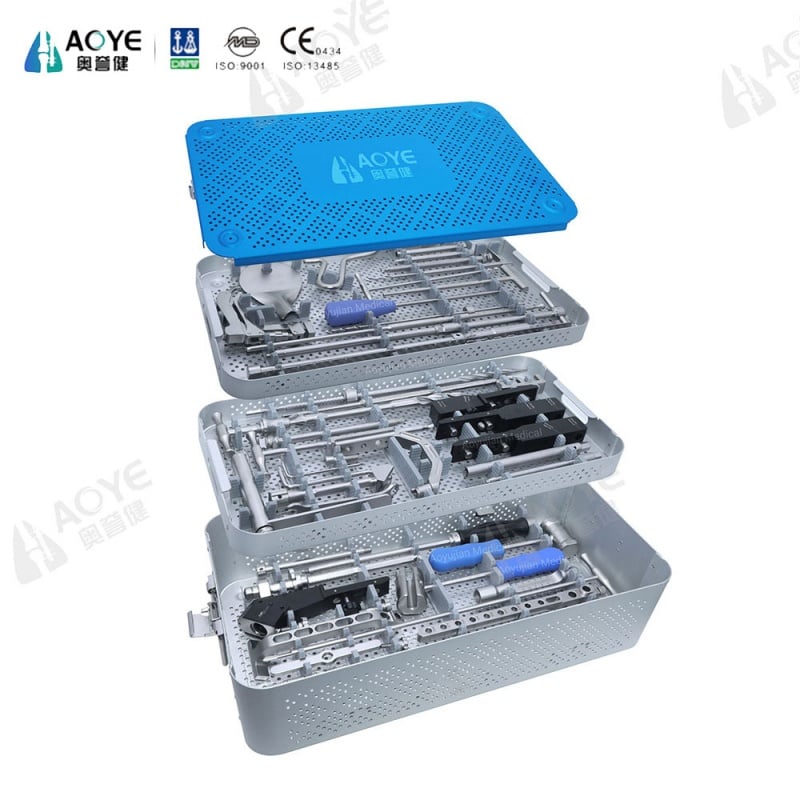
Humerus interlocking nails are specialized orthopedic implants designed to stabilize fractures in the humerus, the long bone in the upper arm. These devices are pivotal in trauma and orthopedic surgeries, offering a robust solution for fixation. For purchasing managers and medical distributors, understanding the key specifications, sourcing options, and potential challenges associated with humerus interlocking nails is essential to make informed decisions. This article will guide you through the critical aspects of selecting the right retrograde femoral nailing for your projects, sourcing them effectively, and addressing common concerns that may arise during their use.
Selecting the appropriate humerus interlocking nail involves several factors that align with the specific needs of your surgical procedures. Key considerations include:
Material: Most humerus interlocking nails are made from titanium or stainless steel, known for their strength and biocompatibility. Titanium is lightweight and corrosion-resistant, making it a preferred choice in many cases. Stainless steel, while heavier, often provides a cost-effective alternative with good mechanical properties.
Dimensions: The diameter and length of the nail must correspond to the patient's anatomy and the specifics of the fracture. It’s crucial to consult with orthopedic surgeons to ensure the selected dimensions will fit the intended application.
Design Features: Look for features such as locking mechanisms and the nail's profile. An interlocking design allows for secure fixation through the bone, which is vital for maintaining stability during healing.
Certifications and Quality Standards: Ensure the product is ISO13485 certified and complies with CE marking requirements. This guarantees the product meets international standards for medical devices.
Customization Options: Depending on your target market, you might need nails that can be customized in terms of length, diameter, or surface finish to meet specific surgical or patient needs.
Understanding the technical specifications and application of Aoye humerus interlocking nails is vital for effective procurement. Here are critical points to consider:
Load-Bearing Capacity: The design must accommodate the load requirements of the specific fracture type. The nail should withstand physiological stresses without failing.
Surface Treatment: Surface finishes can enhance biocompatibility and reduce the risk of infection. Options such as anodization or hydroxyapatite coating can improve osseointegration.
Packaging and Sterilization: Ensure that the intramedullary nails are packaged in a sterile manner, adhering to medical device regulations. This is crucial for maintaining the integrity of the implants up to the point of use.
Minimum Order Quantity (MOQ): Discuss with suppliers about MOQs, as they can vary significantly. Understanding this can help in managing inventory and costs effectively.
Lead Time: Consider the lead times for delivery, especially if customization is involved. Planning ahead can help avoid delays in surgical schedules.
Sourcing Aoye humerus interlocking nails requires a strategic approach to ensure quality and reliability. Here are some effective methods:
Direct Manufacturers: Engaging directly with manufacturers like Aoyujian Medical can provide insights into product specifications, customization options, and pricing. Manufacturers often offer the best prices and can accommodate specific requirements.
Medical Supply Distributors: Partnering with established medical supply distributors can facilitate access to a broader range of products and brands. Distributors often have established relationships with various manufacturers, allowing for competitive pricing and quicker access.
Industry Trade Shows: Attending orthopedic and medical device trade shows can be a valuable opportunity to meet suppliers, view products firsthand, and negotiate deals. Networking with industry professionals can also provide recommendations for reliable sources.
Online Marketplaces: While caution is necessary, reputable online marketplaces can serve as platforms for sourcing. Ensure that the vendors are verified and provide appropriate product certifications.
Humerus interlocking nails provide several advantages that contribute to their popularity in orthopedic procedures:
Enhanced Stability: These nails offer superior fixation, which is crucial for maintaining alignment during the healing process. The interlocking mechanism minimizes the risk of implant migration and ensures that fragments remain in place.
Minimally Invasive: The use of these tibial intramedullary nail often allows for minimally invasive surgical techniques, leading to reduced recovery times and less trauma to surrounding tissues.
Versatility: Humerus interlocking nails can be used in a variety of fracture types, including comminuted and diaphyseal fractures, making them a versatile choice for orthopedic surgeons.
Patient Outcomes: Improved stability and alignment contribute to better overall patient outcomes, including faster recovery times and reduced complication rates.
While Aoye humerus interlocking nails are effective, users may face common challenges. Here are some issues and their potential solutions:
Misalignment During Insertion: Proper technique is crucial during insertion to avoid misalignment. Surgeons should be trained in the appropriate methods for nail placement to ensure correct positioning.
Infection Risk: As with any surgical implant, there is a risk of infection. Using high-quality materials and ensuring proper sterilization methods can mitigate this risk. Additionally, educating patients on post-operative care is vital.
Fracture Nonunion: In some cases, the fracture may not heal properly. This can be addressed by ensuring the correct nail length and diameter is used, as well as providing adequate post-surgical rehabilitation protocols.
Metal Fatigue: Repeated stress and load-bearing can lead to metal fatigue over time. Regular follow-ups and imaging can help monitor the condition of the implant, allowing for timely interventions if issues arise.
By being aware of these factors, purchasing managers and medical professionals can make informed decisions when selecting and sourcing humerus interlocking nails, ensuring optimal outcomes for patients.
Aoyujian Medical Technology provides trusted orthopedic solutions, high-quality implants, OEM/ODM services, and global shipping for hospitals & distributors.
No. 2 Changting Road, Gehu Farm, Wujin Economic Development Zone, Changzhou, Jiangsu, China
Copyright © Aoyujian Medical Technology (Changzhou) Co., Ltd. All Rights Reserved - Privacy Policy - Blog
 EN