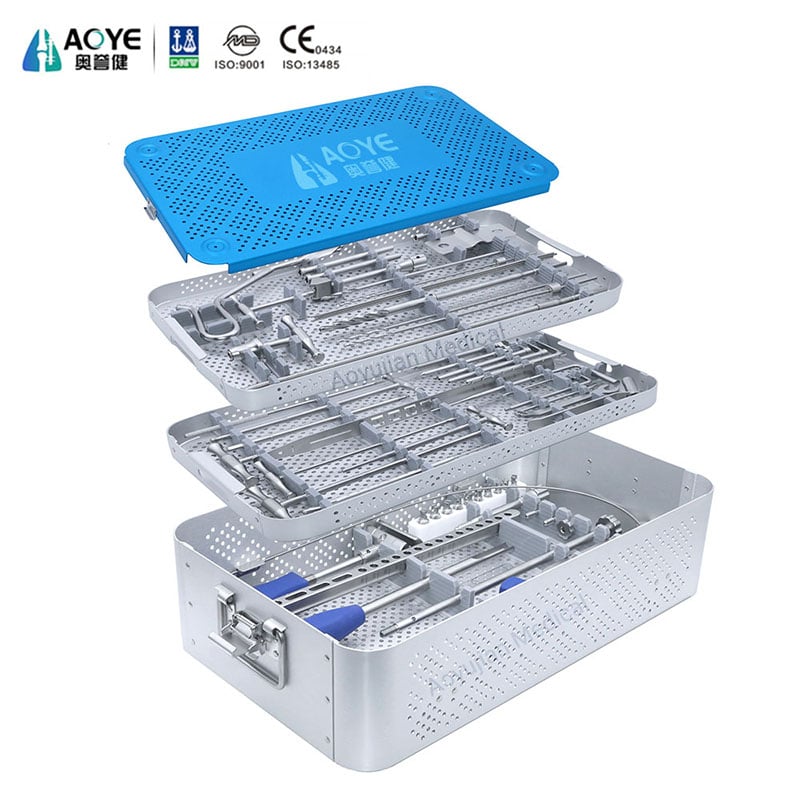
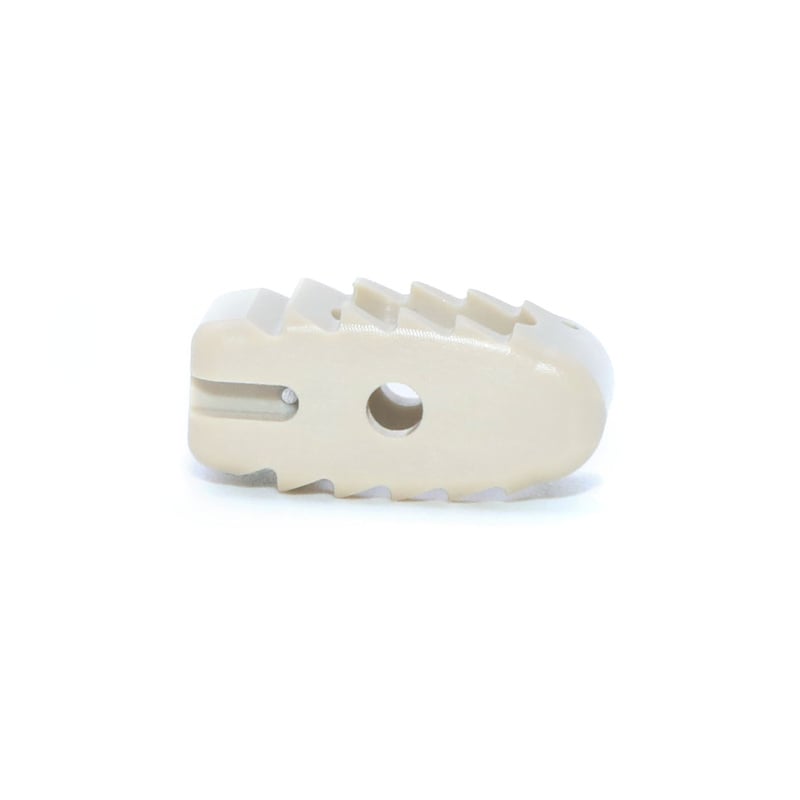
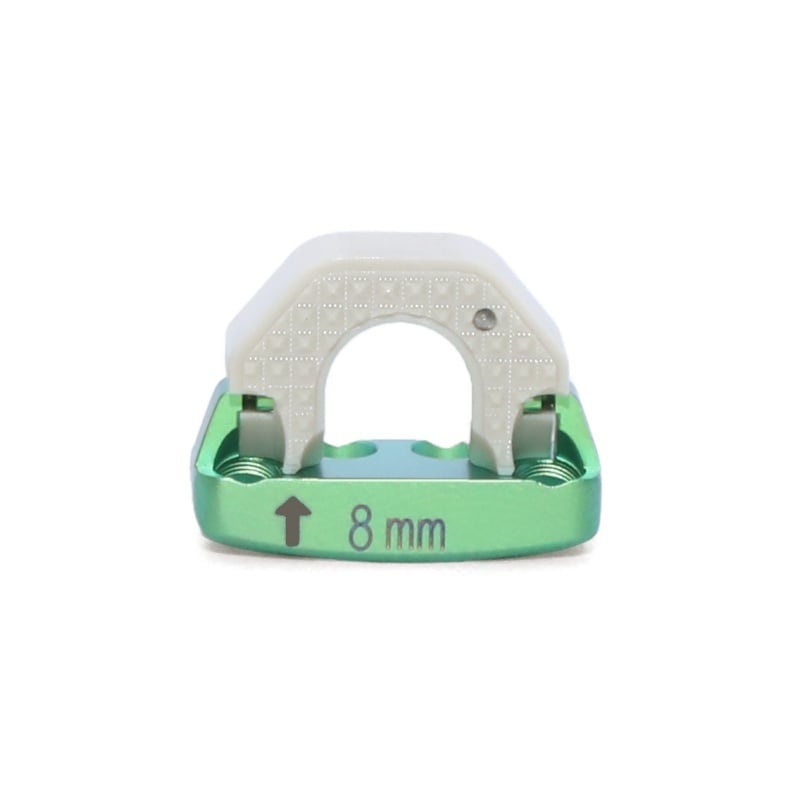
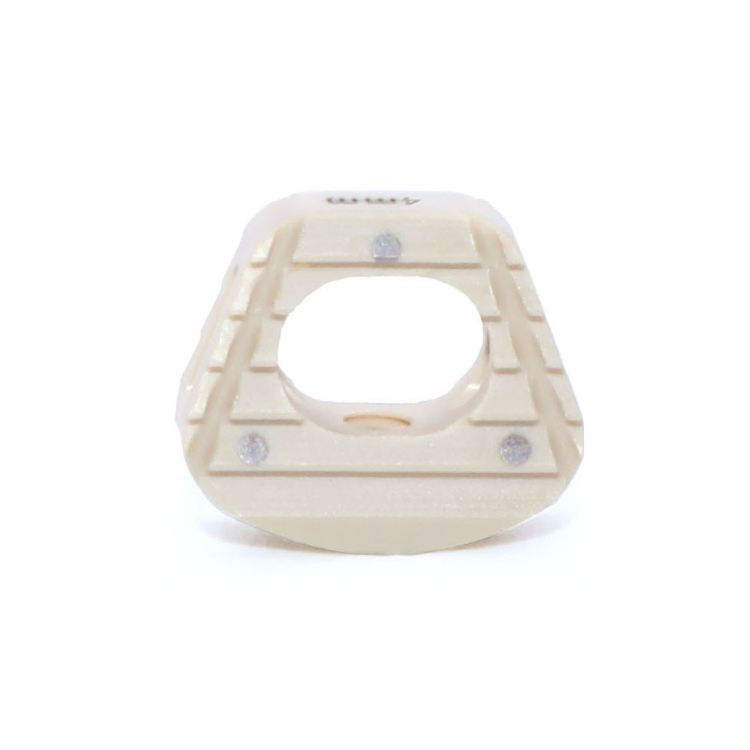
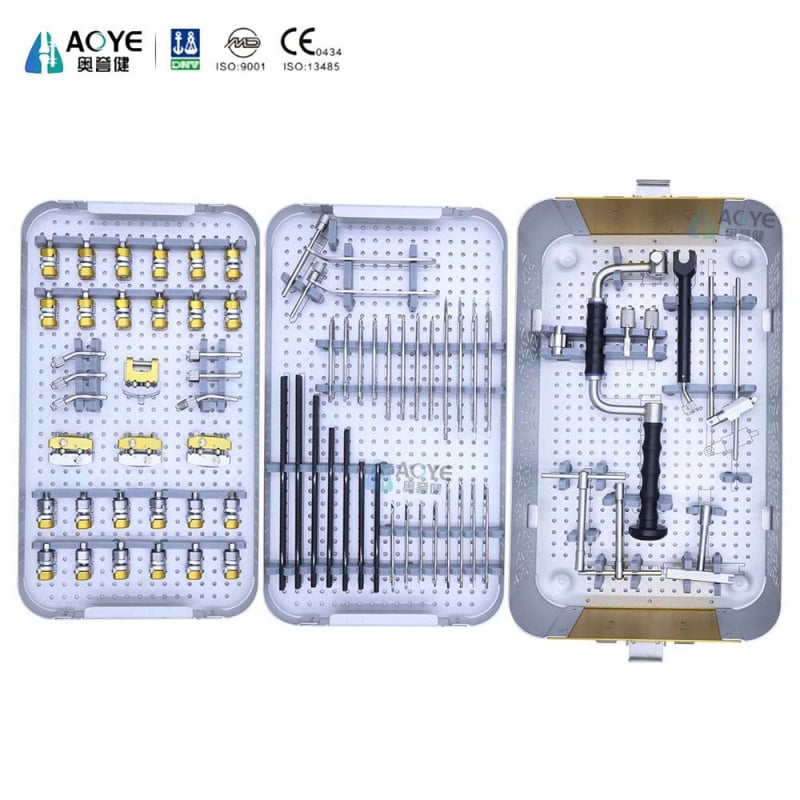
When sourcing orthopaedic instruments, it is crucial to understand the specific requirements and technical details that can impact both the purchasing process and the end use of these products. An orthopaedic instruments list typically includes a variety of tools and devices designed for trauma, spine, and sports medicine applications. This article will guide purchasing managers, engineers, and product managers in making informed decisions regarding quality, supplier reliability, and common installation issues, ensuring that they choose the right external fixation instruments for their needs.
When sourcing orthopaedic instruments wholesale, several key factors must be taken into account. First, consider the specific requirements of the intended application, such as the type of surgery and the instruments used in orthopedic surgery compatibility with existing procedures. It’s essential to have a clear understanding of the instruments you need, including their specifications, materials, and any customization options available.
Additionally, assess the supplier's certifications, such as ISO13485 and CE marking, which indicate compliance with international quality standards. A reliable manufacturer should provide documentation that assures the quality and safety of their products. Furthermore, inquire about the minimum order quantity (MOQ) and production capacity to ensure that the supplier can meet your demands.
Lastly, don't overlook the importance of pricing and lead times. Establishing a good relationship with your supplier can lead to better pricing structures and more favorable delivery timelines, which are critical for maintaining inventory levels and responding to customer needs.
Evaluating the quality of orthopaedic instruments involves a multi-faceted approach. Start by examining the materials used in the instruments. High-quality stainless steel or titanium is often preferred due to their strength, biocompatibility, and resistance to corrosion. Ensure that the supplier provides detailed information about the materials and manufacturing processes used.
Next, consider the precision of the instruments. Orthopaedic tools must be manufactured to exact specifications to ensure they perform correctly during surgical procedures. Request samples to verify dimensions and tolerances before placing a bulk order. It is advisable to conduct functional testing of these samples in real-world scenarios to assess their performance.
Moreover, scrutinize the supplier's quality control processes. A reputable manufacturer will have rigorous testing protocols in place, including inspections at multiple stages of production and final quality checks before shipment. Understanding these processes will help you gauge the reliability of the ortho instruments you are sourcing.
Finding reliable suppliers of orthopaedic instruments can significantly impact the success of your procurement process. Start by leveraging industry networks, trade shows, and medical device exhibitions, which provide opportunities to meet manufacturers and gain insights into their capabilities. Online platforms such as supplier directories and industry-specific marketplaces can also be valuable resources.
When considering potential suppliers, review their reputation within the industry. Look for testimonials, case studies, and references from other healthcare providers who have sourced instruments from them. Additionally, ensure that the supplier has a robust export experience, especially if you are considering international sourcing, as this can affect lead times and compliance with local regulations.
Lastly, engage in discussions with potential suppliers about their customization capabilities. A supplier that can tailor instruments to your specific requirements will be more valuable than one that offers a standard product line. Establishing a collaborative relationship can lead to better product outcomes and more efficient operations.
Installation problems with orthopaedic instruments can lead to complications during surgical procedures. One common issue is the misalignment of instruments, which can occur if the surgical site is not properly prepared or if the instruments are not compatible with the surgical technique. To address this, ensure that all personnel involved in the procedure are trained in the correct installation methods and that they adhere strictly to the manufacturer's guidelines.
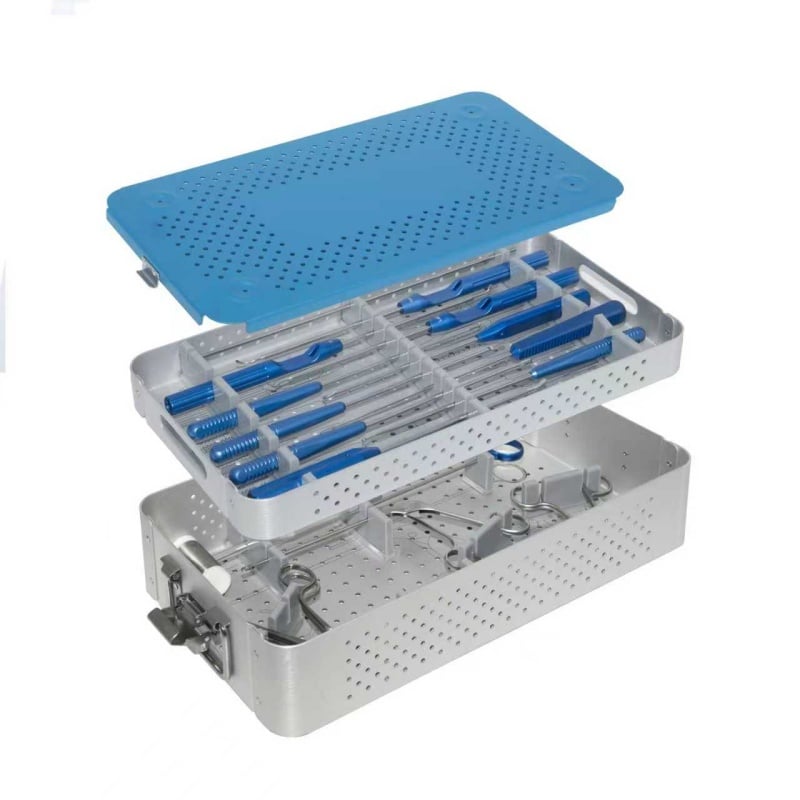
Another installation challenge is related to the sterilization of instruments. If instruments are not adequately sterilized, there is a risk of infection. It’s essential to follow established protocols for cleaning and sterilization, and to confirm that the materials used in the instruments can withstand the chosen sterilization method.
Additionally, improper handling or storage of instruments can lead to damage or degradation. Implementing strict handling protocols and utilizing appropriate storage solutions can mitigate these risks. Regular training sessions for staff on best practices will also help ensure that installation processes run smoothly.
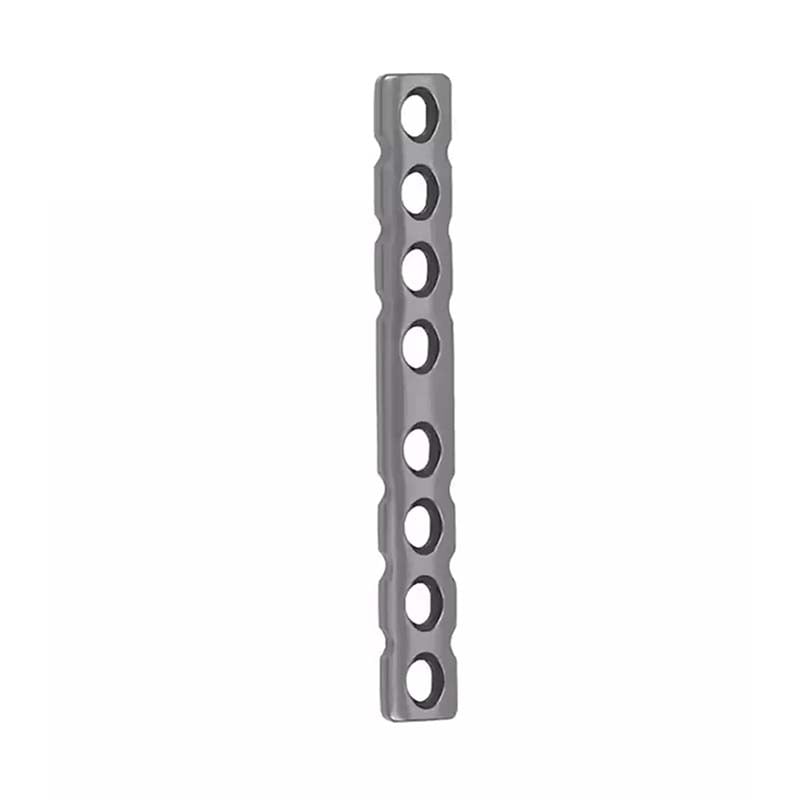
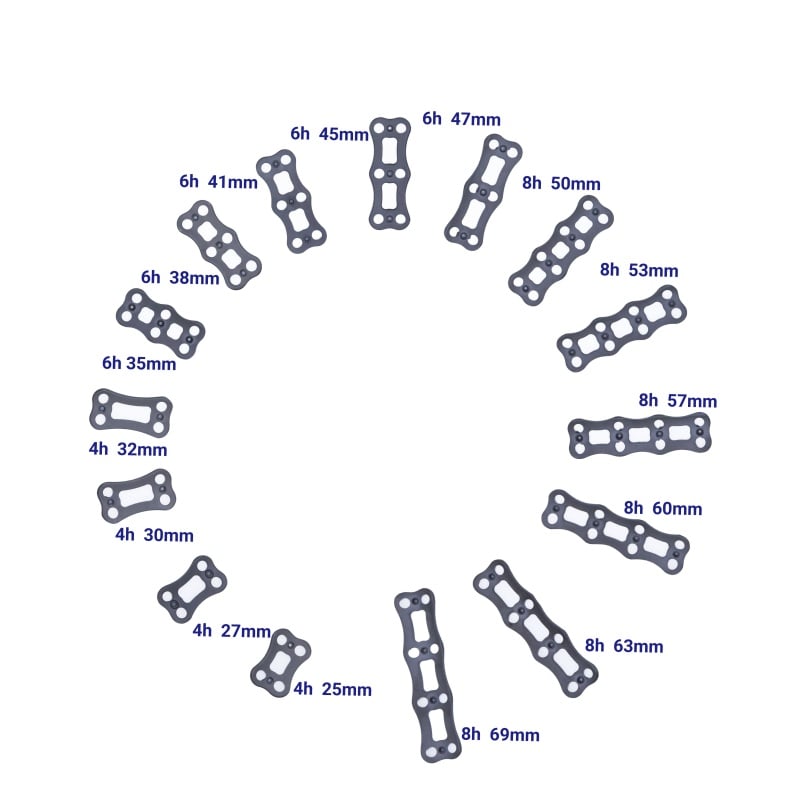
Orthopaedic instruments play a critical role in both trauma and sports medicine, addressing a variety of injuries and conditions. In trauma settings, these instruments are essential for procedures such as fracture fixation, joint reconstruction, and soft tissue repair. Instruments like plates, screws, and drills are commonly used to stabilize fractures and allow for proper healing.
In sports medicine, orthopaedic instruments are tailored for minimally invasive procedures that help athletes return to their activities quickly and safely. Arthroscopes, for example, are used for joint surgeries that require a smaller incision, reducing recovery time and associated risks. Additionally, specialized tools for ligament reconstruction, such as graft fixation devices, are critical for repairing injuries sustained during athletic activities.
Understanding the specific applications and advantages of different instruments will help buyers select the right tools for their surgical needs. Collaboration with experienced surgeons and medical professionals can also provide valuable insights into the selection of instruments that optimize patient outcomes.
By considering these factors, buyers can make informed decisions when sourcing orthopaedic instruments, ensuring that they meet the demands of their specific medical applications while maintaining high standards of quality and reliability.
Aoyujian Medical Technology provides trusted orthopedic solutions, high-quality implants, OEM/ODM services, and global shipping for hospitals & distributors.
No. 2 Changting Road, Gehu Farm, Wujin Economic Development Zone, Changzhou, Jiangsu, China
Copyright © Aoyujian Medical Technology (Changzhou) Co., Ltd. All Rights Reserved - Privacy Policy - Blog
 EN