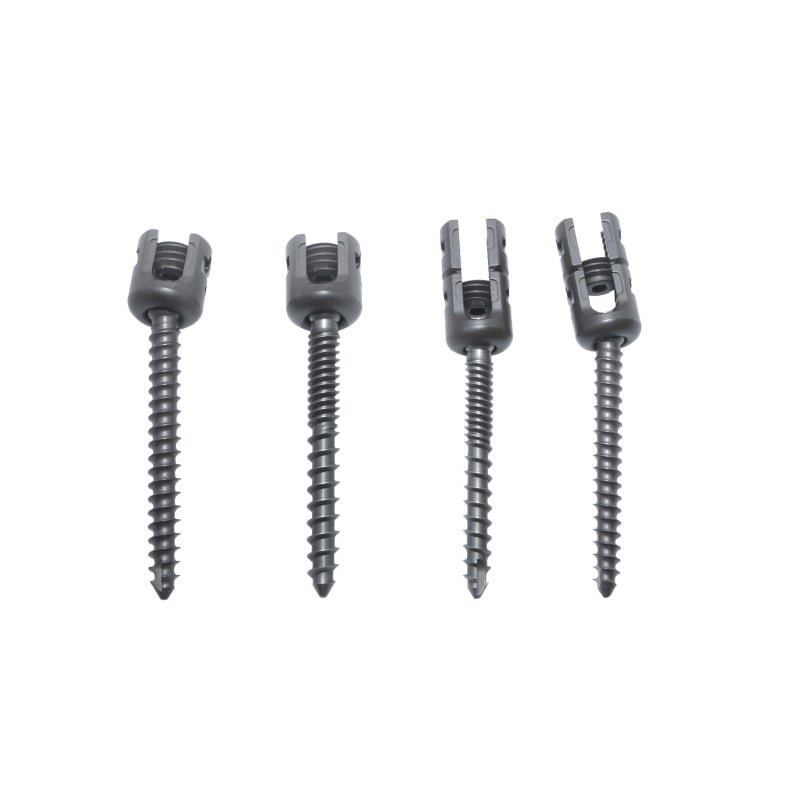
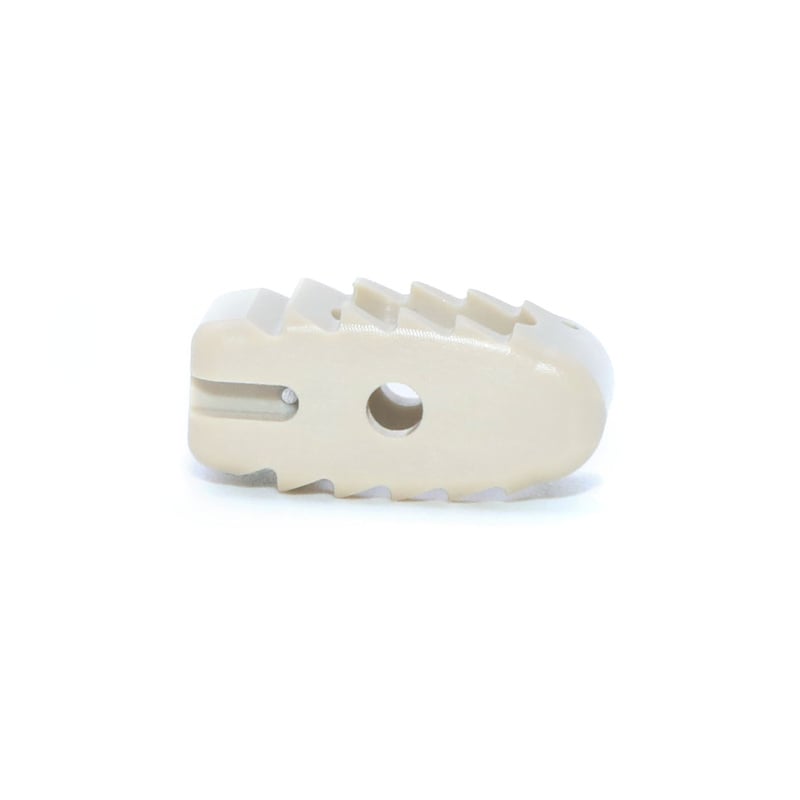
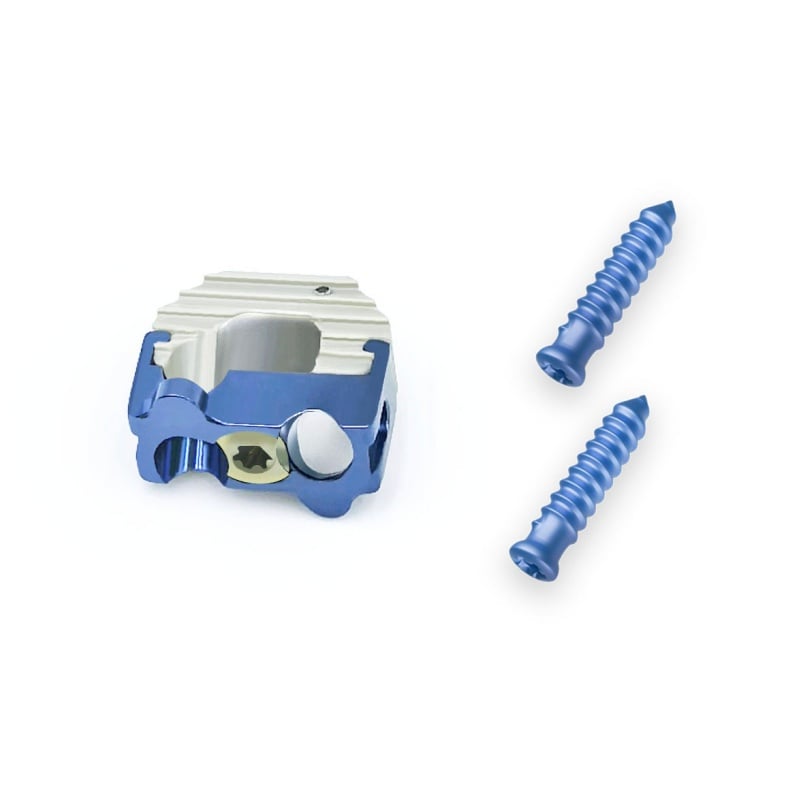
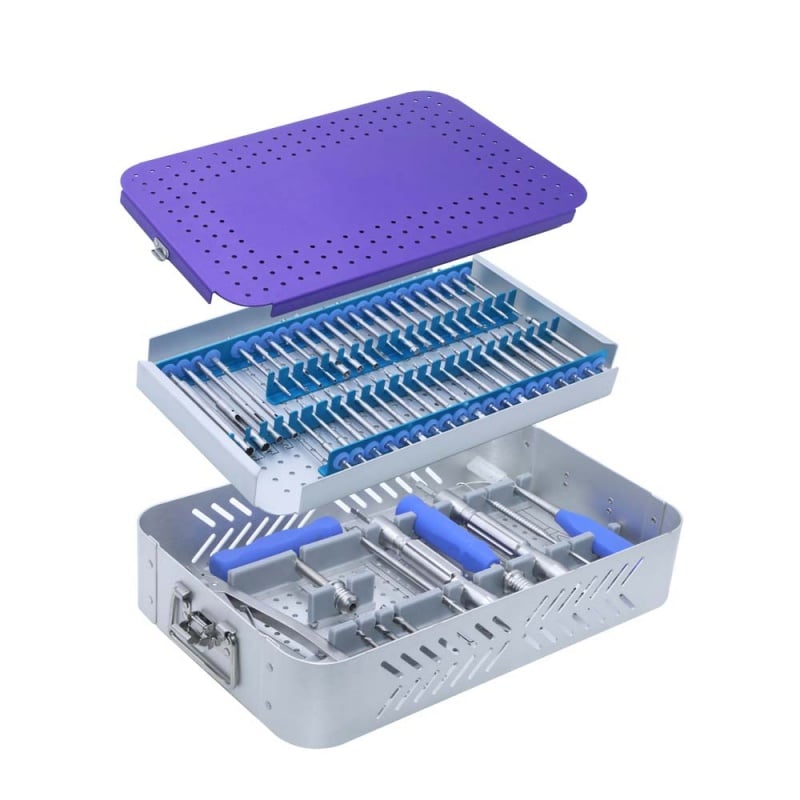
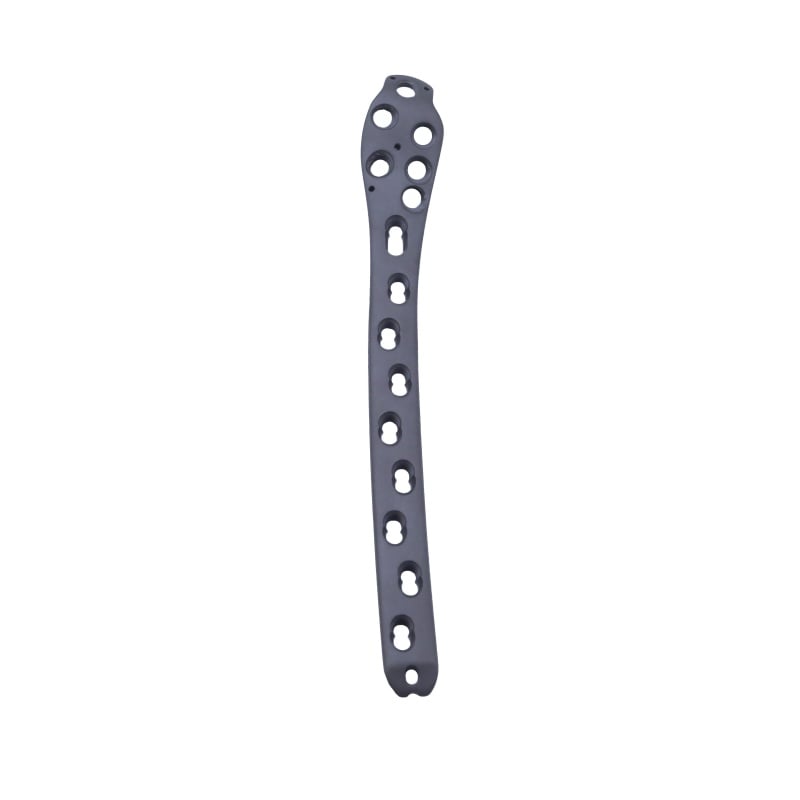
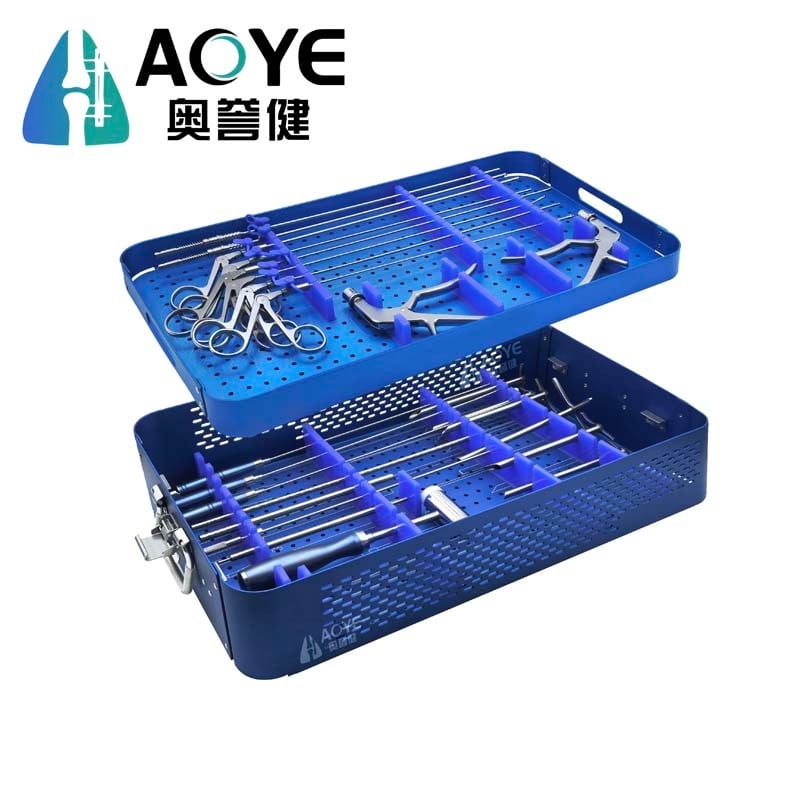
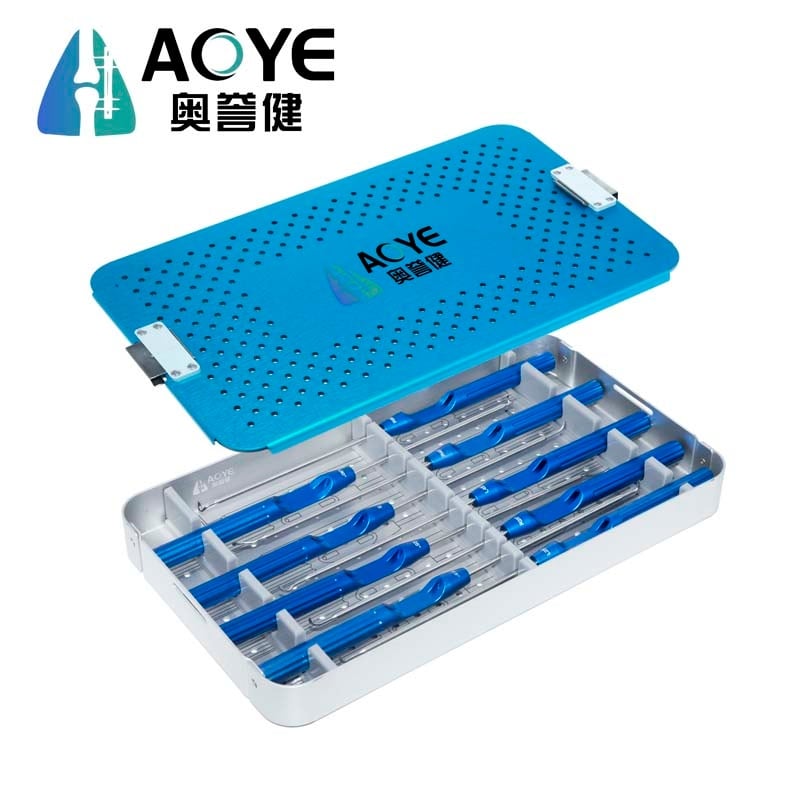
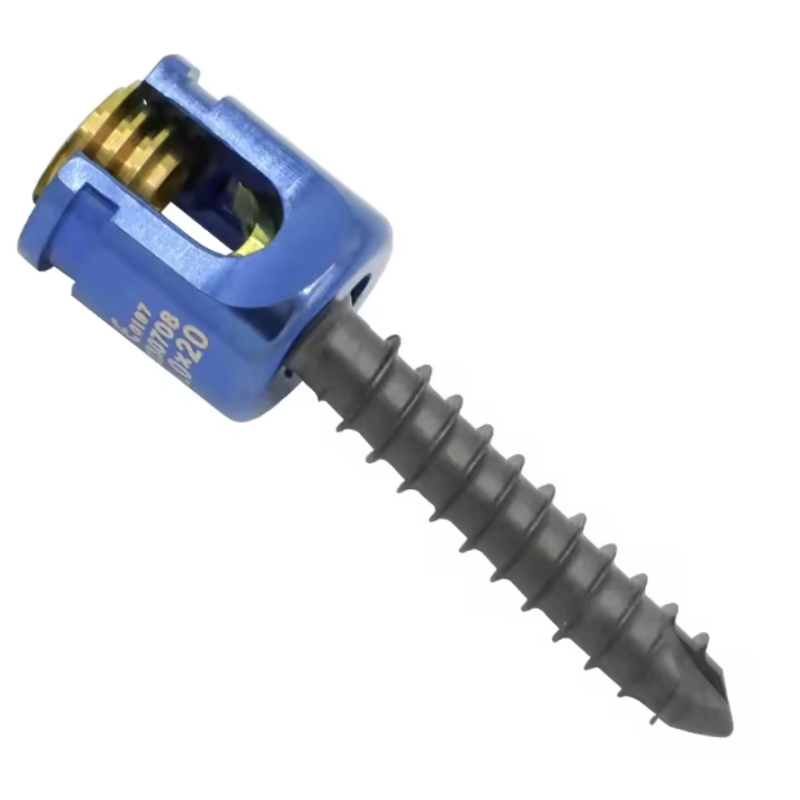
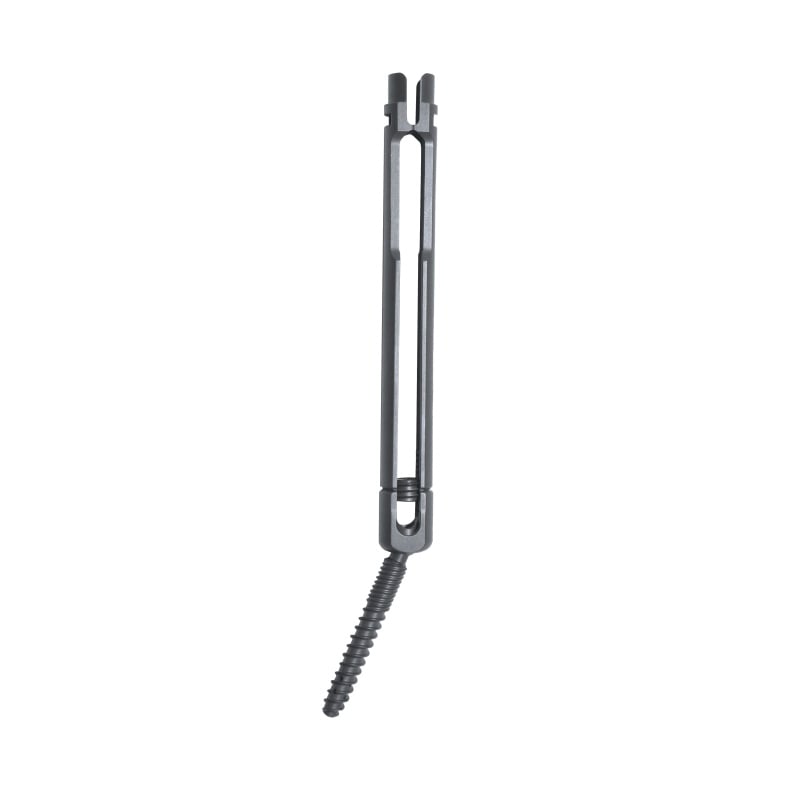
Orthopedic surgery instruments play a crucial role in the successful execution of various surgical procedures, particularly in trauma, spine, and sports medicine. As a professional B2B buyer, you may be concerned about specifications, quality, and cost-effectiveness when selecting these instruments. This article aims to provide you with valuable insights on key specifications, pricing factors, installation guidance, common issues, and tips for wholesale purchasing of ortho general instruments.
When selecting orthopedic surgery instruments, several key specifications must be considered to ensure they meet the requirements of specific procedures.
Material Quality: Instruments are typically made from stainless steel or titanium, offering durability and resistance to corrosion. Stainless steel is common for its balance of strength and cost, while titanium is preferred for its lightweight and biocompatibility in sensitive applications.
Dimensions and Ergonomics: The dimensions of instruments, including length and handle design, should be tailored to the specific surgical application. Ergonomically designed handles can enhance the surgeon's grip, reducing fatigue during prolonged procedures.
Finish and Coating: The surface finish, such as passivation or anodizing, impacts the instrument's performance and longevity. A smooth finish minimizes friction during use and facilitates easy cleaning, which is crucial for maintaining sterility.
Sterilization Compatibility: Instruments must be compatible with various sterilization methods, including autoclaving and ethylene oxide gas. Verify that the instruments can withstand the chosen sterilization process without degrading.
Certification: Ensure that the orthopaedic implants and instruments are ISO13485 and CE certified, which indicates compliance with international quality management standards for medical devices. This certification is vital for establishing trust in the product's safety and efficacy.
Cost is a significant consideration when purchasing orthopedic surgery instruments in bulk. Here are the primary factors affecting pricing:
Material Costs: High-quality materials typically result in higher prices. Stainless steel and titanium are more expensive than lower-grade alternatives, but they offer better performance and longevity, which can lead to cost savings in the long run.
Manufacturing Processes: The complexity of the manufacturing process, including precision machining and finishing techniques, can impact the final cost. Instruments that require advanced production methods may be priced higher due to increased labor and equipment expenses.
Order Quantity: Bulk orders often qualify for discounts, reducing the per-unit cost. However, a minimum order quantity (MOQ) may apply, which should be confirmed with the supplier.
Customization Options: Custom instruments tailored to specific surgical needs may incur additional costs. While customization can enhance performance, it’s essential to assess whether the benefits justify the extra expense.
Shipping and Handling: Consider shipping costs, especially for international orders. Understanding the shipping terms, including delivery times and potential customs duties, is crucial for accurate budgeting.
Proper installation and setup of orthopedic surgical instruments are vital for ensuring their effective use during procedures. Here are some guidelines to follow:
Familiarization: Before surgery, familiarize the surgical team with the instruments. Understanding each tool's function and proper handling will enhance efficiency during the procedure.
Setup Protocol: Establish a standard setup protocol for arranging instruments on the surgical tray. This should include a logical order based on the surgical workflow, ensuring that instruments are easily accessible.
Inspection Prior to Use: Conduct a thorough inspection of each instrument before surgery. Check for any signs of wear, damage, or contamination, and ensure that all instruments have been properly sterilized.
Training: Ensure that all staff involved in the procedure are adequately trained in the use of the instruments. This includes understanding not only the operational aspects but also the maintenance and care of the tools.
Documentation: Maintain clear records of instrument usage and sterilization cycles. This documentation can help prevent errors and ensure compliance with safety regulations.
Even with high-quality instruments, issues can arise. Here are some common problems and their solutions:
Corrosion: Instruments can corrode if not properly cleaned or sterilized. To prevent this, use appropriate cleaning agents and ensure that instruments are dried completely before storage.
Instrument Failure: Breakage or malfunction during surgery can be catastrophic. Regular maintenance checks and adherence to usage guidelines are essential to mitigate this risk. If an instrument shows signs of wear, replace it before the procedure.
Compatibility Issues: Instruments may not perform as intended if they're incompatible with other surgical equipment. Always confirm the compatibility of orthopedic instruments set with surgical tables, clamps, and other tools before the procedure.
Sterilization Failures: Incomplete sterilization can lead to infections. Implement rigorous sterilization protocols and conduct regular audits to ensure compliance.
User Error: Misuse of instruments can occur due to insufficient training. Providing comprehensive training sessions and resources can help minimize user error.
When purchasing orthopedic surgery instruments wholesale, consider the following tips to ensure a smooth process:
Request Detailed Quotations: Provide potential suppliers with detailed specifications, quantities, and any customization requirements when requesting quotes. This helps ensure accurate pricing and avoids surprises later.
Evaluate Suppliers: Assess potential suppliers based on their manufacturing capabilities, certifications, and customer reviews. A reputable supplier, like Aoyujian Medical, which serves partners in over 45 countries, can offer reliability in quality and service.
Negotiate Terms: Don’t hesitate to negotiate pricing, payment terms, and delivery schedules. Establishing a good relationship with suppliers can lead to better deals and more favorable terms in the long run.
Sample Approval: Before placing a large order, request samples of the instruments. Test these samples under realistic conditions to verify performance and compatibility with your procedures.
Quality Assurance: Develop a quality assurance checklist to assess the instruments upon delivery. This should include checking for any visible defects, ensuring that all required documentation is included, and confirming that the instruments meet the specified standards.
By understanding the critical specifications, cost factors, installation guidance, common problems, and wholesale purchasing tips for orthopedic surgery instruments, you can make informed purchasing decisions that align with your needs and ensure the highest standards of care in surgical procedures.
Aoyujian Medical Technology provides trusted orthopedic solutions, high-quality implants, OEM/ODM services, and global shipping for hospitals & distributors.
No. 2 Changting Road, Gehu Farm, Wujin Economic Development Zone, Changzhou, Jiangsu, China
Copyright © Aoyujian Medical Technology (Changzhou) Co., Ltd. All Rights Reserved - Privacy Policy - Blog
 EN