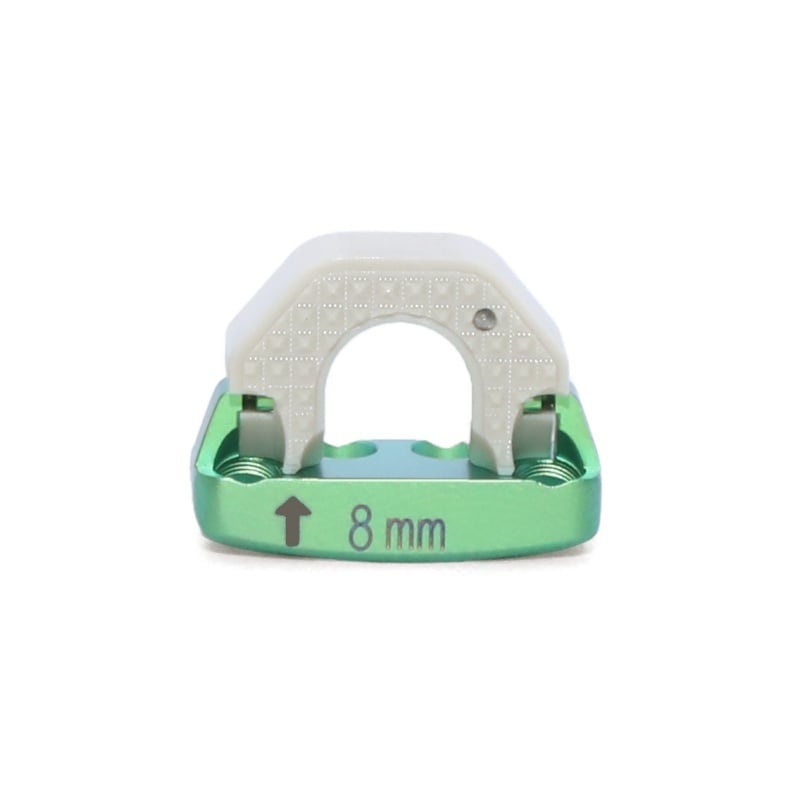
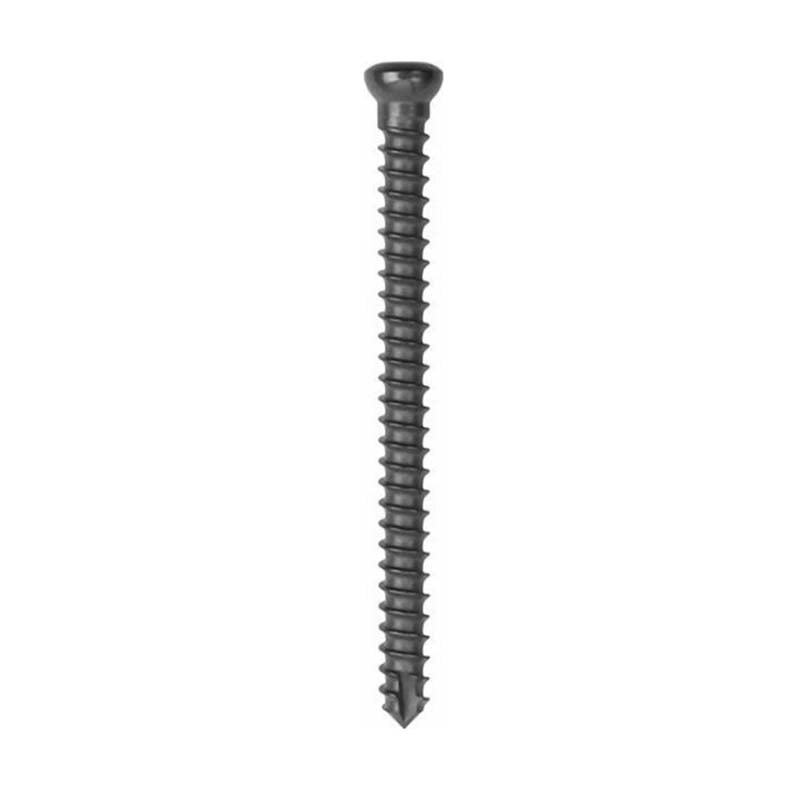
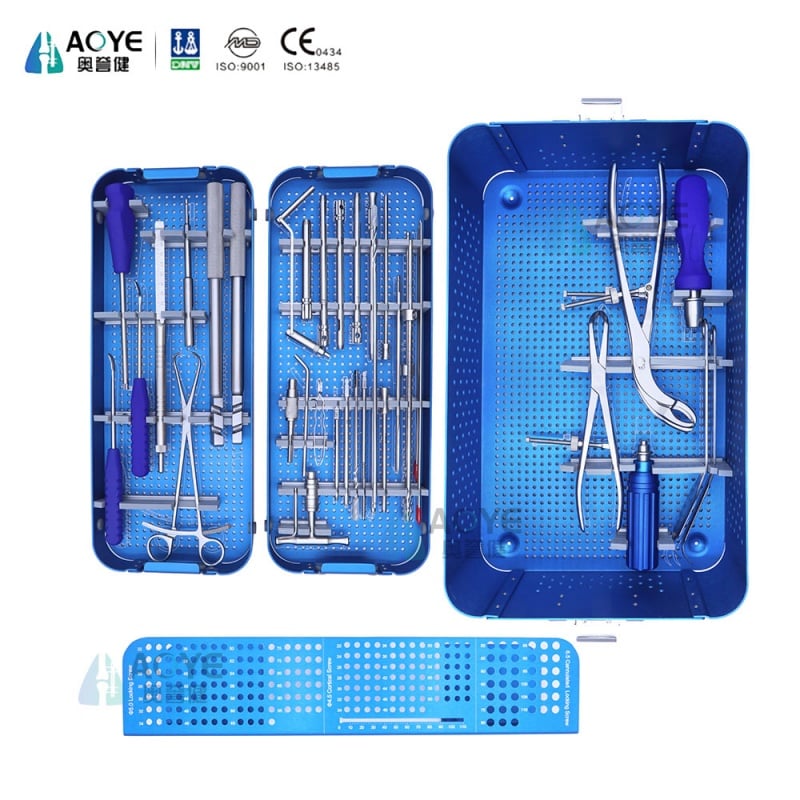
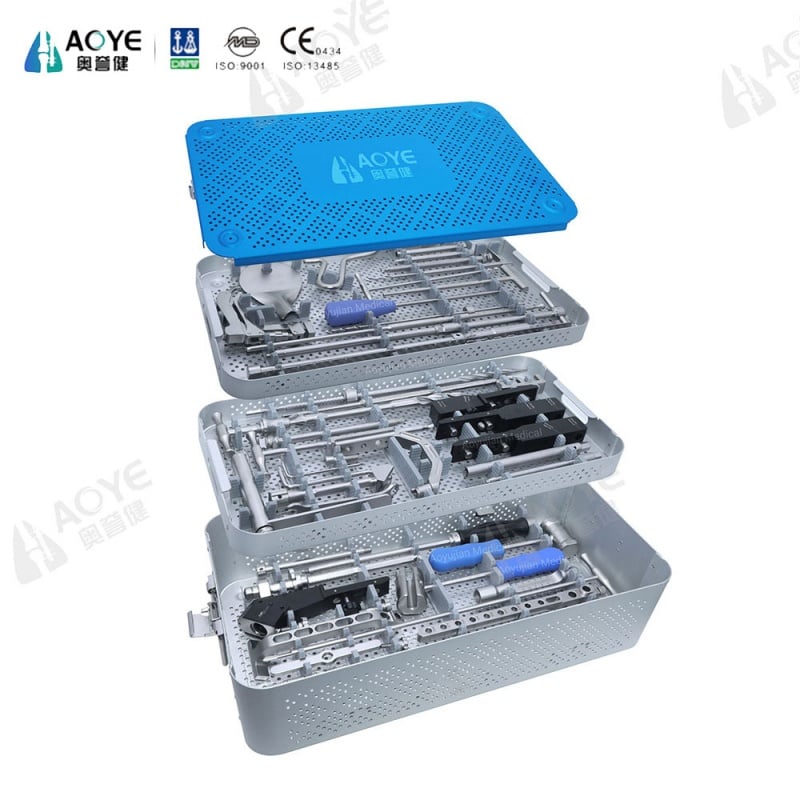
Navigating the procurement of orthopedic devices requires a detailed understanding of the options available, particularly when considering an orthopedic devices list. As a purchasing manager or distributor, you may have several concerns such as product quality, compliance with industry standards, and the specific needs of your market. This article will provide insights into where to wholesale orthopedic power drill devices, how to evaluate their quality, essential considerations for buyers, and the factors influencing costs in the procurement process.
When searching for suppliers of orthopedic devices, consider partnering with established manufacturers like Aoyujian Medical, which specializes in orthopedic instrument implants and instruments for trauma, spine, and sports medicine. The company’s ISO13485 and CE certifications demonstrate a commitment to quality and regulatory compliance, which are crucial for medical devices.
Wholesale options can vary widely, including direct manufacturer partnerships, distributors, or online marketplaces. Engaging directly with a manufacturer often allows for better pricing and customization options. Ensure that your chosen supplier has a proven track record of reliability, especially if you operate in diverse markets across multiple countries. Additionally, you may want to explore trade shows and medical device expos, which can provide opportunities to meet potential suppliers and evaluate their products firsthand.
Quality assurance is paramount when procuring orthopedic devices. Buyers should focus on several key aspects:
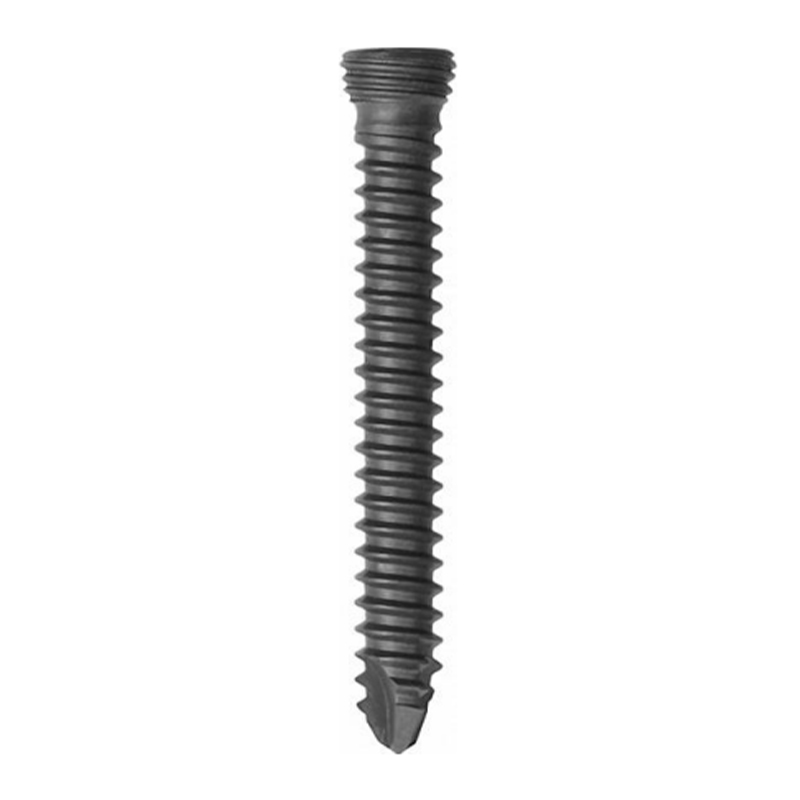
Material Composition: Orthopedic devices are typically made from materials such as titanium, stainless steel, or biocompatible polymers. Each material has unique properties that affect performance, durability, and compatibility with human tissue. Ensure you understand how the chosen materials will perform in your specific applications.
Manufacturing Processes: Investigate the manufacturing capabilities of your supplier. High-quality orthopedic devices are often produced using advanced techniques such as CNC machining and 3D printing. Understanding these processes can help you gauge the precision and reliability of the products.
Quality Control Procedures: Confirm that the manufacturer has strict quality control measures in place. This includes inspections during various stages of production and thorough testing of finished products to meet regulatory standards.
Certification and Compliance: A reliable supplier should provide documentation of their certifications and compliance with international standards. This not only ensures quality but also protects you from liability in case of product failures.
When preparing to purchase orthopedic devices, it is essential to gather comprehensive information. Buyers should clarify:
Product Specifications: Understand the dimensions, weight limits, and features of the devices you are considering. Specifications directly impact the device's functionality and suitability for specific applications.
Customization Options: Many manufacturers offer customization services to meet specific client needs. Discuss your requirements early in negotiations to explore what options are available.
Minimum Order Quantity (MOQ): Manufacturers often have an MOQ, which can affect your financial planning and inventory management. Ensure you are aware of these requirements before placing an order.
Several factors influence the purchasing process for orthopedic devices:
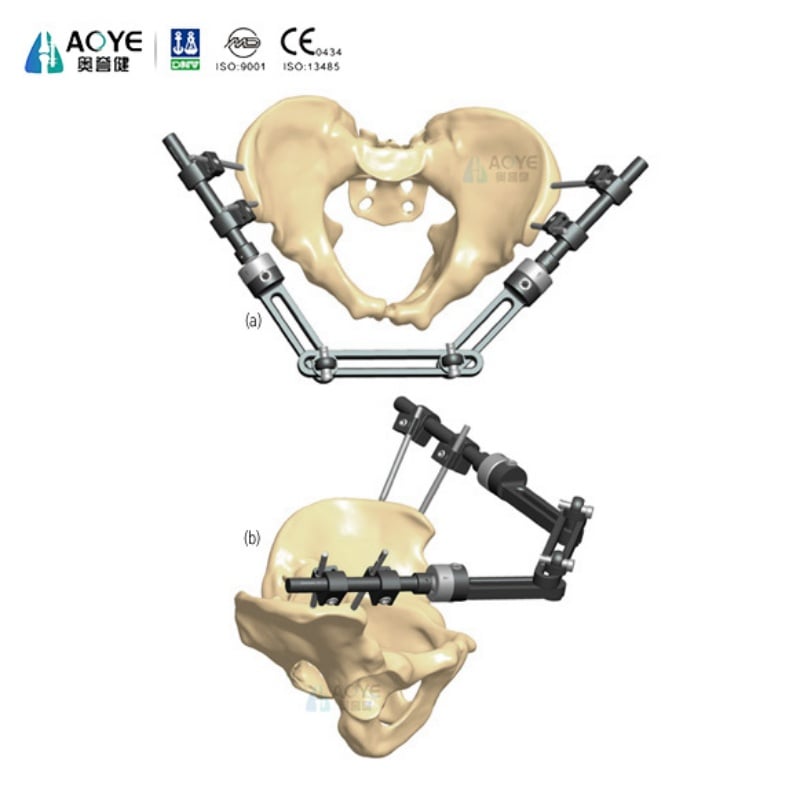
Application Suitability: Different orthopedic supplies are designed for various applications, such as trauma management, spinal surgery, or sports medicine. Ensure the devices you select align with the intended medical applications.
Supplier Reliability: Evaluate the supplier's reputation in the market. Check for customer reviews, case studies, and references to ensure they have a history of delivering quality products on time.
Lead Times: Understand the lead times associated with your order. Some devices may require longer production times, especially if they are custom-made or if the supplier is experiencing high demand.
Pricing Structures: Different suppliers may offer various pricing structures based on order volume, customization, and product type. It’s important to compare these factors to ensure you are getting the best value for your investment.
The cost of orthopedic devices can be influenced by multiple factors:
Material Costs: The choice of materials significantly affects pricing. For instance, titanium devices may be more expensive than those made from stainless steel due to their superior properties.
Production Techniques: Advanced manufacturing techniques can lead to higher costs, but they may also result in better quality and performance. Assess whether the benefits justify the price.
Customization and Design: If you require custom designs, be aware that this will typically increase costs. Work closely with your supplier to determine what level of customization is necessary and its associated costs.
Logistics and Shipping: Consider the logistical aspects, including shipping costs and delivery times. Efficient logistics can save money and ensure timely availability of products.
In summary, understanding the orthopedic devices list and the factors surrounding procurement is essential for successful purchasing in the medical field. By focusing on quality, establishing reliable supplier relationships, and considering all cost factors, you can make informed decisions that will benefit your business and the patients you serve.
Aoyujian Medical Technology provides trusted orthopedic solutions, high-quality implants, OEM/ODM services, and global shipping for hospitals & distributors.
No. 2 Changting Road, Gehu Farm, Wujin Economic Development Zone, Changzhou, Jiangsu, China
Copyright © Aoyujian Medical Technology (Changzhou) Co., Ltd. All Rights Reserved - Privacy Policy - Blog
 EN