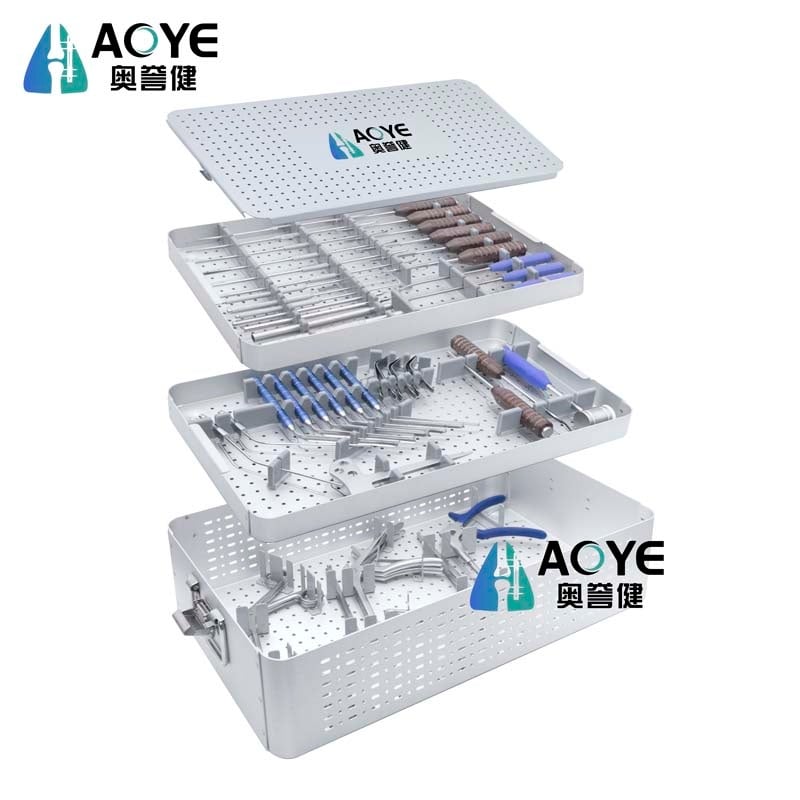
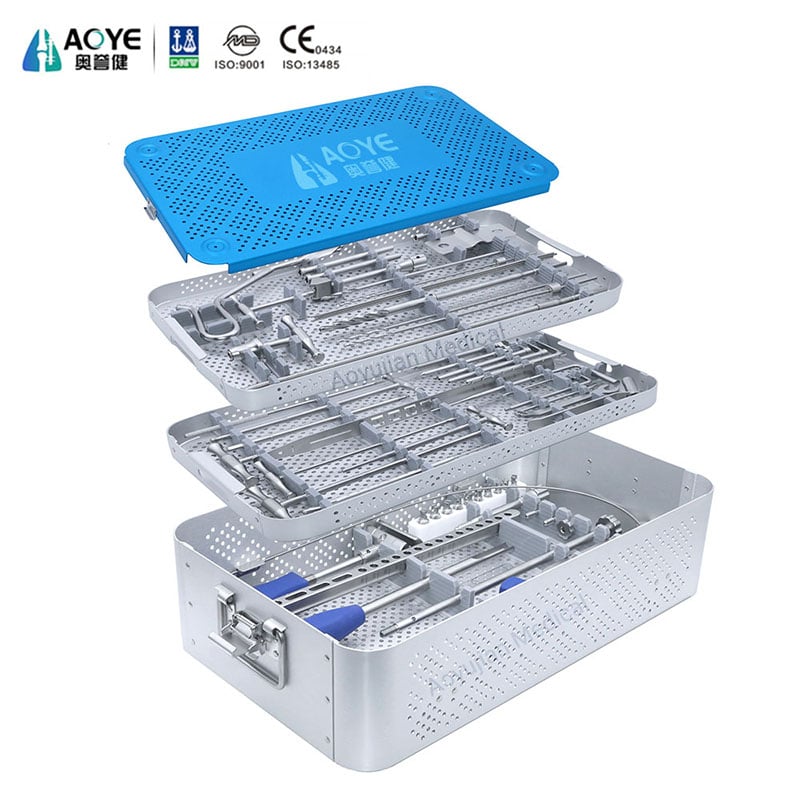
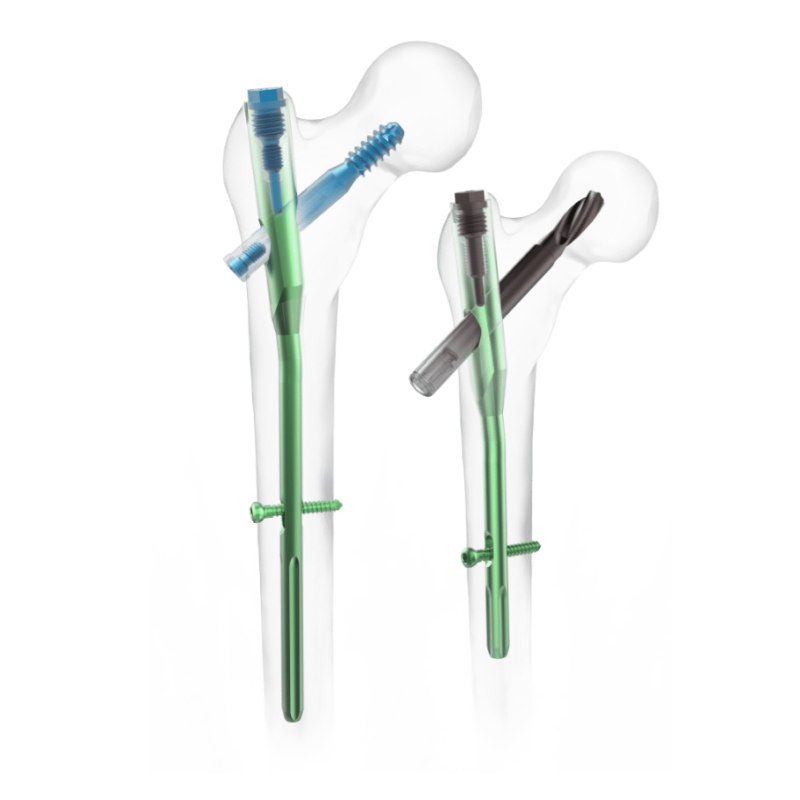
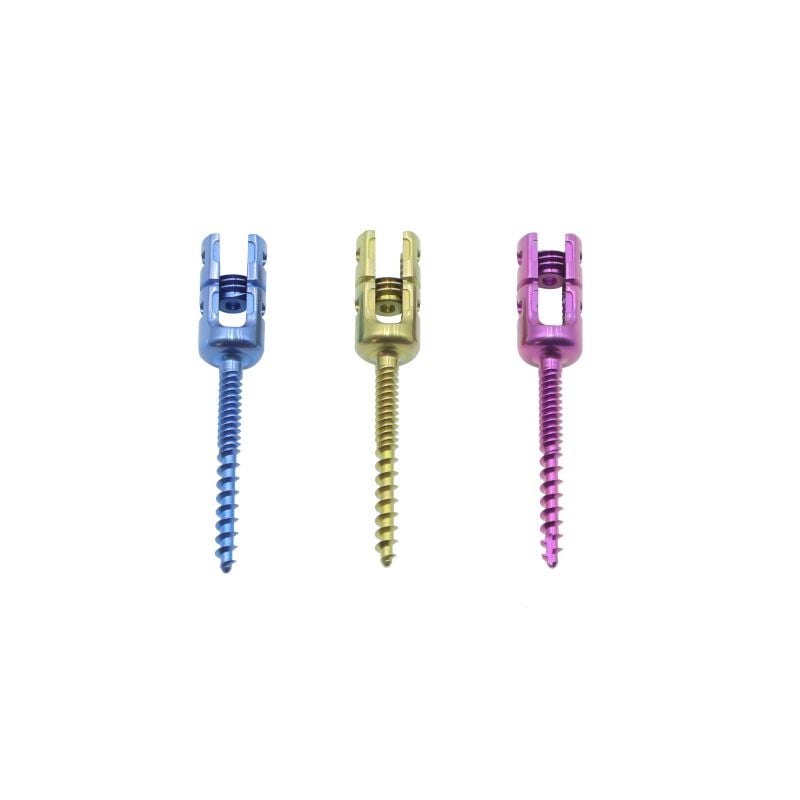
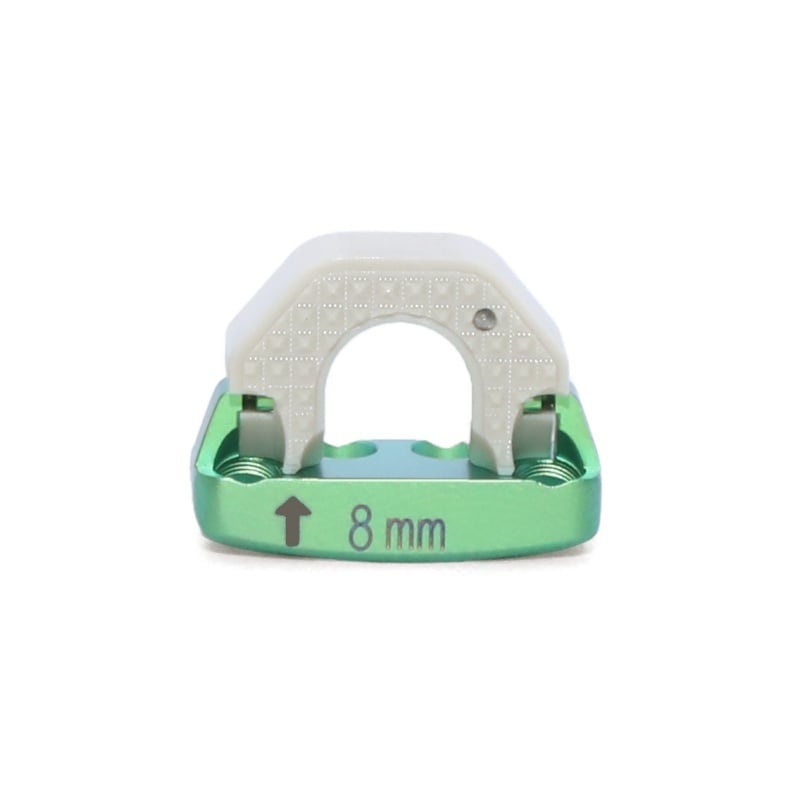
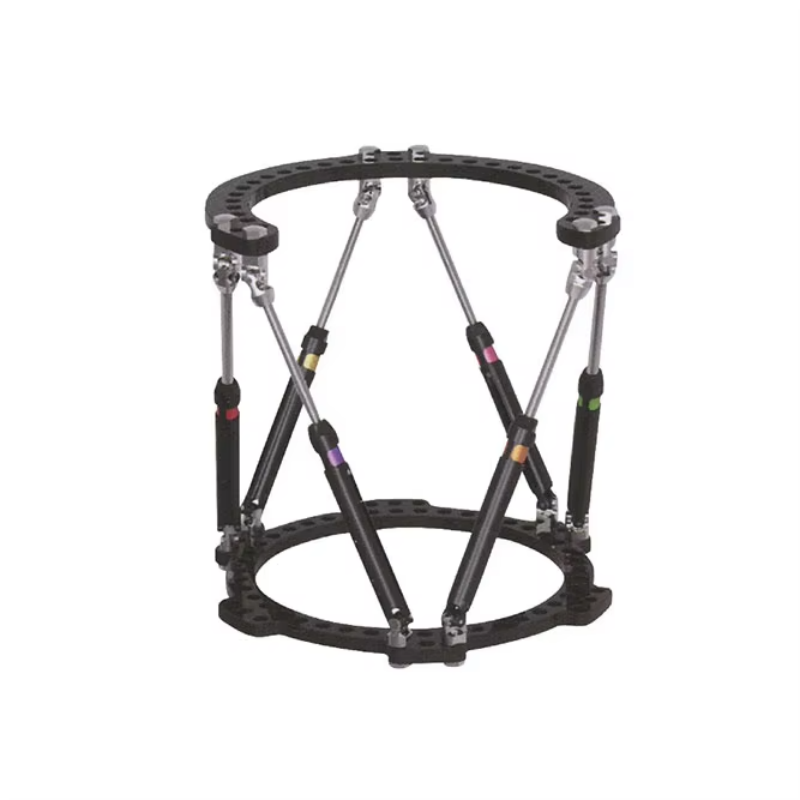
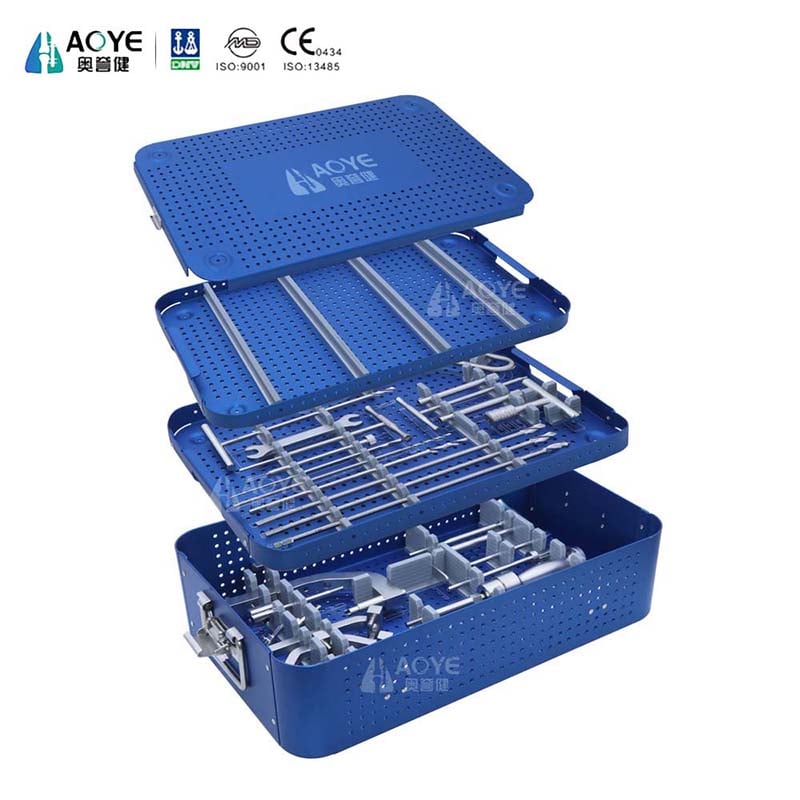
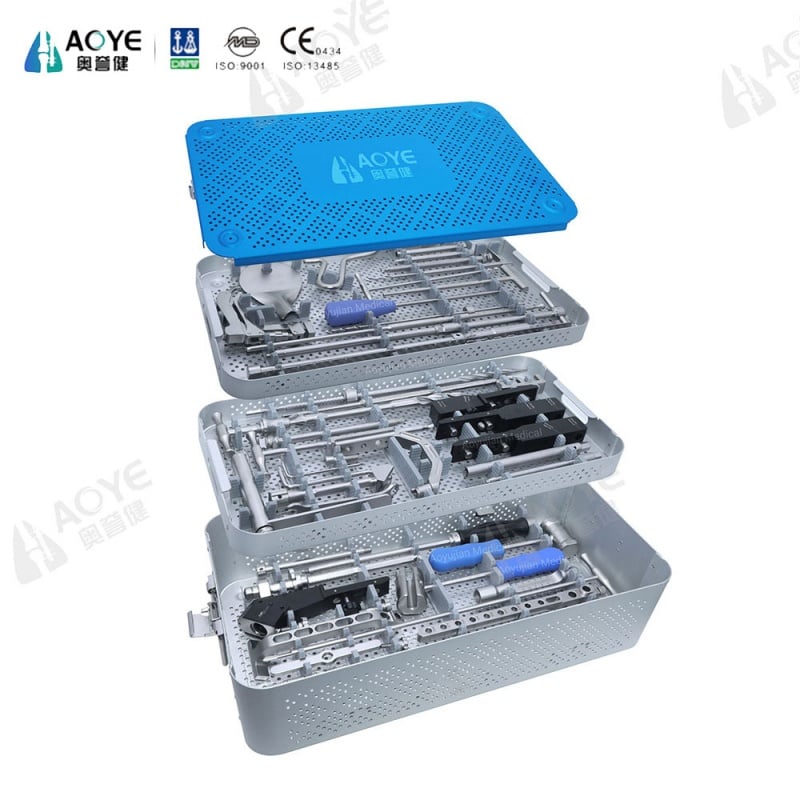
Orthopedic implants are crucial medical devices used to support or replace damaged bones and joints, facilitating movement and restoring function for patients with various conditions. For B2B buyers in the medical equipment field, concerns often revolve around product quality, material durability, compliance with regulatory standards, and supply chain reliability. This article will provide insights into evaluating orthopedic instruments set implants, sourcing them effectively, comparing materials, and best practices to ensure optimal purchasing decisions.
When assessing orthopedic implants, several key specifications are essential to ensure the product meets clinical requirements and patient safety. These include:
Material Composition: Common materials include titanium, stainless steel, and bioresorbable polymers. Each material possesses unique properties affecting strength, biocompatibility, and longevity. For instance, titanium is favored for its strength-to-weight ratio and corrosion resistance, making it ideal for load-bearing implants.
Dimensions and Design: Accurate dimensions and appropriate design are critical for ensuring proper fit and function. Buyers should evaluate the implant's size, shape, and surface roughness. This can impact osseointegration—the process by which bone bonds with the implant.
Load-Bearing Capacity: Understanding the load requirements based on the intended use is vital. Implants used in high-stress areas, such as the hip or spine, must be designed to withstand significant forces without failure.
Certification and Compliance: Ensure that the implants are ISO13485 and CE certified, indicating compliance with international quality management standards. This certification assures buyers of the product's safety and efficacy.
Evaluating these specifications helps buyers select orthopedic bone saw implants that align with clinical needs and regulatory standards.
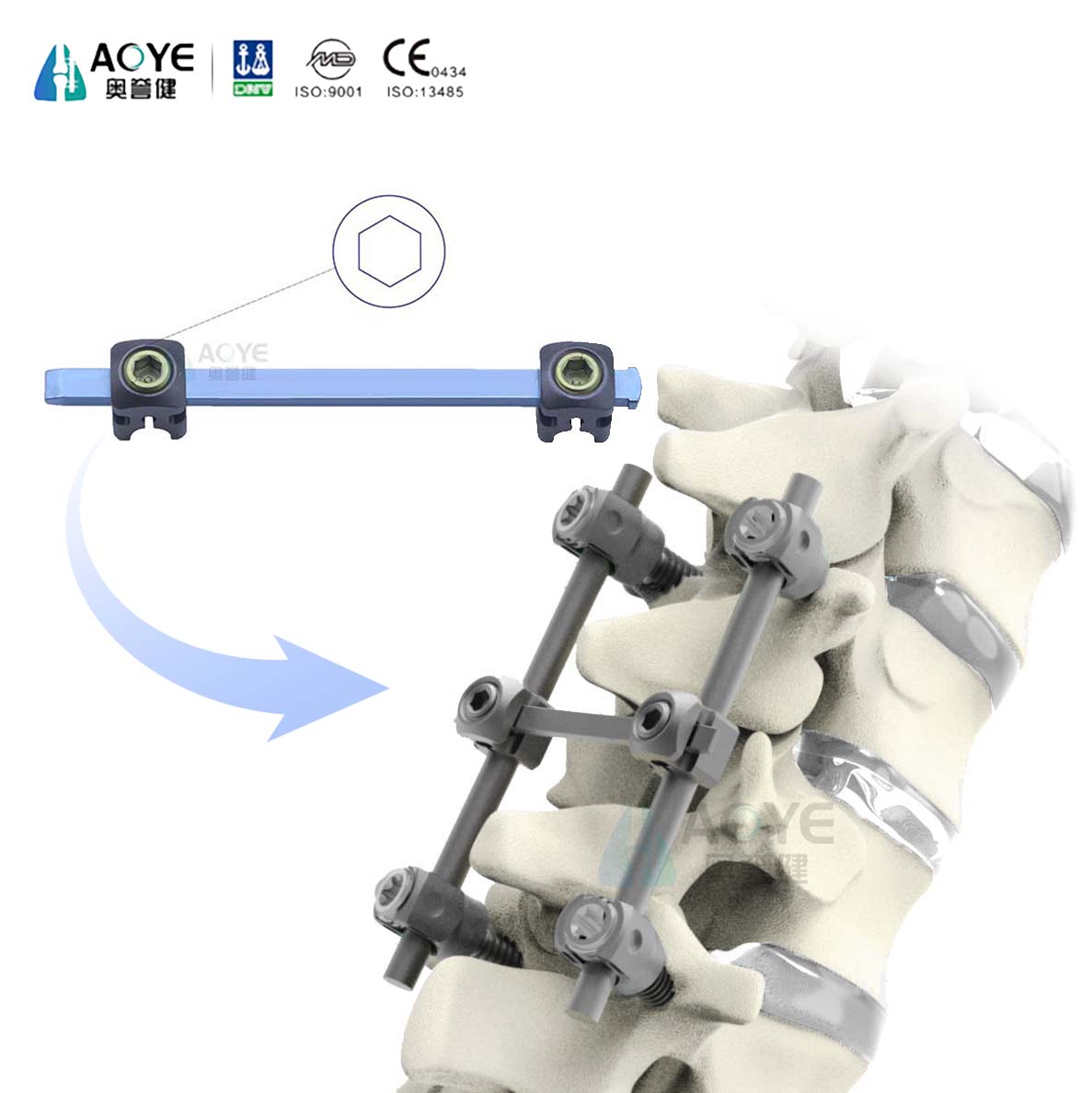
Sourcing reliable orthopedic implants requires careful consideration of suppliers. Here are several tips for finding trustworthy manufacturers:
Industry Reputation: Look for manufacturers with a strong reputation in the orthopedic field. Aoyujian Medical, for example, is a professional Chinese manufacturer with ISO13485/CE certification, serving partners in 45 countries. Researching customer reviews and case studies can provide insights into a supplier's reliability.
Quality Assurance Processes: Ensure the supplier has robust quality control processes in place. This includes routine testing of materials and finished products to detect defects and ensure compliance with safety standards.
Production Capabilities: Assess the manufacturer’s production capabilities. This includes their technology, equipment, and ability to handle varying order volumes. A manufacturer that can provide customization options is also beneficial for meeting specific clinical requirements.
Logistics and Lead Times: Evaluate the supplier's logistics capabilities, including shipping times and costs. Reliable suppliers should provide clear timelines for delivery, which is crucial for managing inventory and meeting clinical demands.
Establishing a strong relationship with a reputable supplier can lead to better pricing, consistent quality, and support for future product needs.
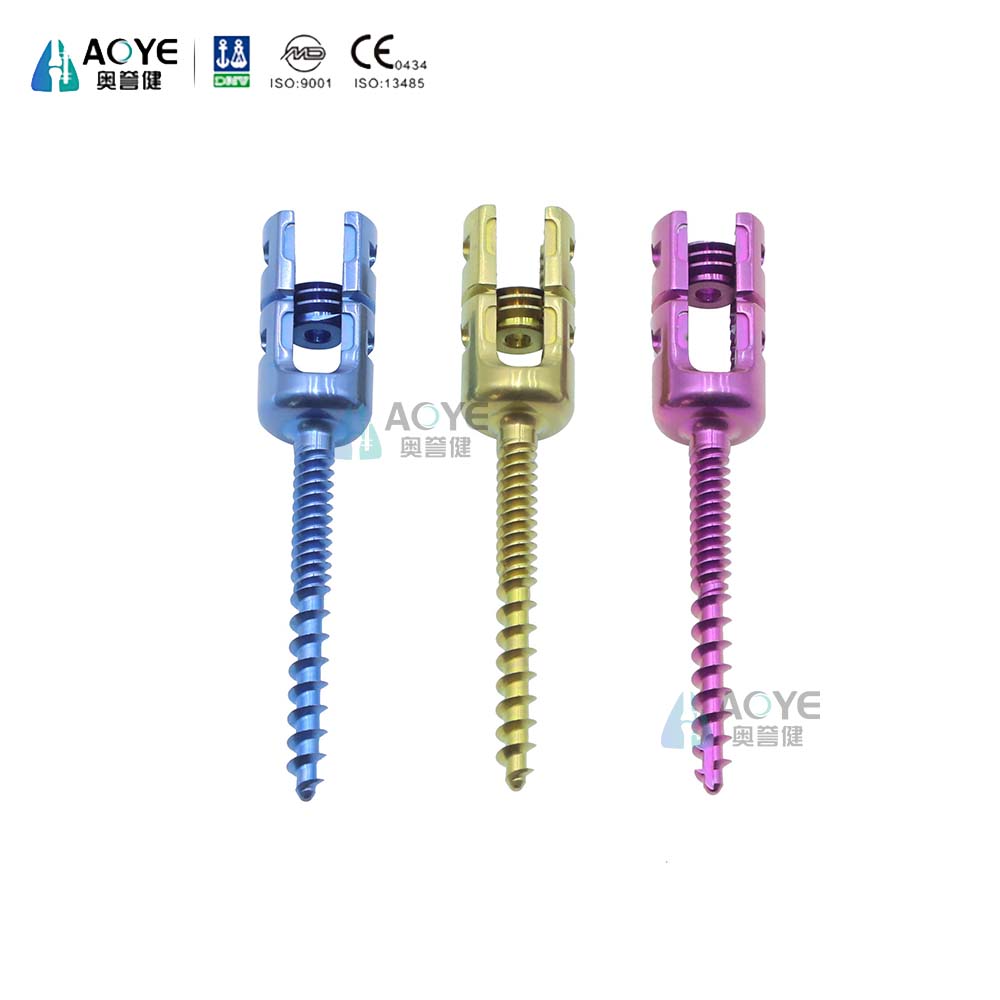
Choosing the right material for orthopedic implants is critical, as it impacts performance, longevity, and patient outcomes. Here’s how to compare different materials:
Titanium: Known for its exceptional strength, low density, and excellent biocompatibility, titanium is often used in load-bearing implants. Its resistance to corrosion makes it suitable for long-term implantation.
Stainless Steel: While typically less expensive, stainless steel has a higher density and may corrode over time, making it less suitable for permanent implants. It is often used in temporary applications or less critical load-bearing situations.
Bioresorbable Polymers: These materials are an innovative choice for specific applications, particularly in pediatric medicine, where temporary support is needed. They gradually dissolve in the body, eliminating the need for a second surgery to remove the implant.
Ceramics: Used primarily in joint replacements, ceramics provide excellent wear resistance and biocompatibility. However, their brittleness limits their application in high-stress areas.
Buyers should consider the specific application requirements, patient demographics, and the long-term performance needs when selecting implant materials.
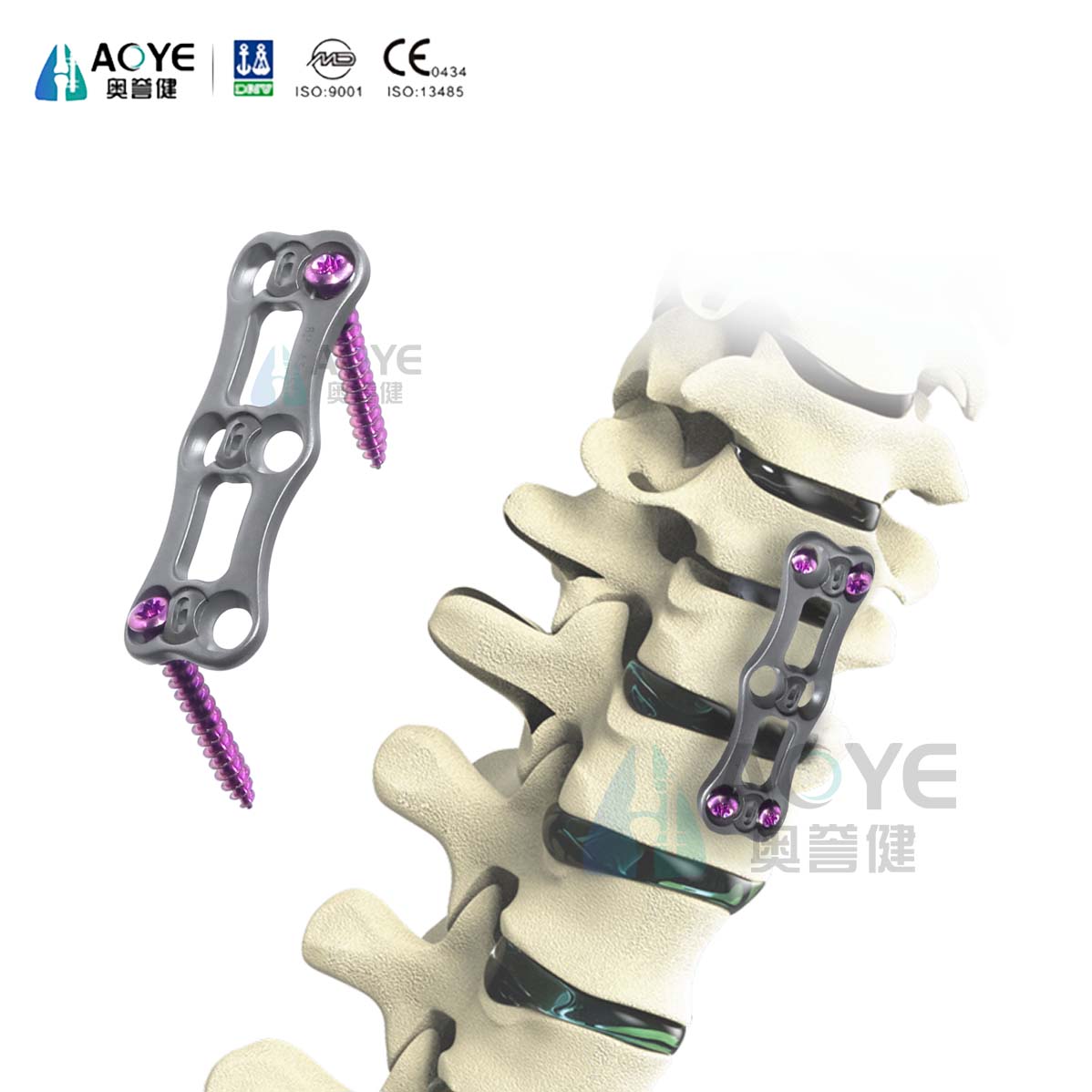
To navigate the complexities of purchasing orthopedic implants effectively, consider the following best practices:
Request Samples: Before committing to a bulk order, request samples to evaluate the quality and suitability of the implants. This allows for testing under actual clinical conditions and ensures that they meet required specifications.
Documentation and Compliance: Always request documentation verifying compliance with regulatory standards. This includes certificates of analysis, production records, and any relevant testing results.
Engage with the Manufacturer: Direct communication with the manufacturer can clarify product specifications, customization options, and potential issues. Building a collaborative relationship may also lead to better support during the purchasing process.
Conduct a Quality Inspection: Upon receiving your order, conduct a thorough quality inspection to verify that the products match the expected specifications. This should include checks for physical dimensions, surface quality, and overall packaging integrity.
By adhering to these practices, buyers can mitigate risks associated with the procurement of orthopedic implants.
For project purchasers involved in sourcing orthopedic implants, understanding the nuances of the purchasing process is essential. Here are key considerations:
Define Project Requirements: Clearly outline project specifications, including the types of implants needed, expected performance, and required certifications. This helps streamline the RFQ process and ensures that suppliers understand your needs.
Evaluate Total Cost of Ownership: When comparing suppliers, consider not only the unit price but also factors like shipping costs, lead times, and potential downtime in clinical settings. A lower upfront cost may result in higher long-term expenses if quality issues arise.
Stay Updated on Industry Trends: The orthopedic implant market is rapidly evolving, with advancements in materials and manufacturing techniques. Staying informed about these trends can provide insights into new products that may enhance patient outcomes.
Build a Diversified Supplier Network: Establish relationships with multiple suppliers to avoid dependence on a single source. This can improve negotiation leverage and provide alternatives in case of supply chain disruptions.
By applying these insights, project purchasers can enhance their ability to source high-quality orthopedic surgery instrument set implants that meet clinical needs effectively.
Aoyujian Medical Technology provides trusted orthopedic solutions, high-quality implants, OEM/ODM services, and global shipping for hospitals & distributors.
No. 2 Changting Road, Gehu Farm, Wujin Economic Development Zone, Changzhou, Jiangsu, China
Copyright © Aoyujian Medical Technology (Changzhou) Co., Ltd. All Rights Reserved - Privacy Policy - Blog
 EN