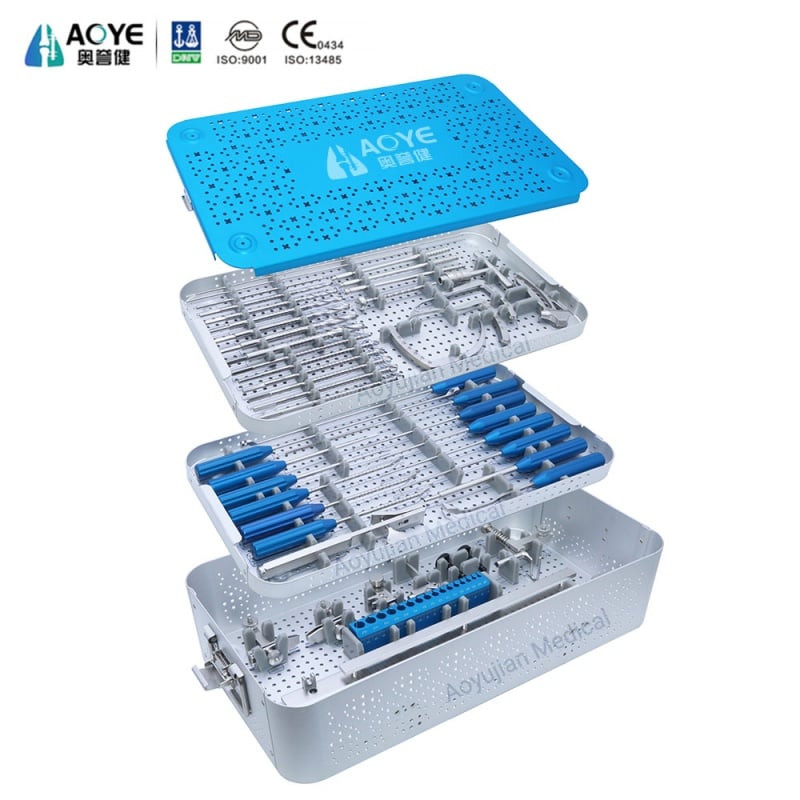
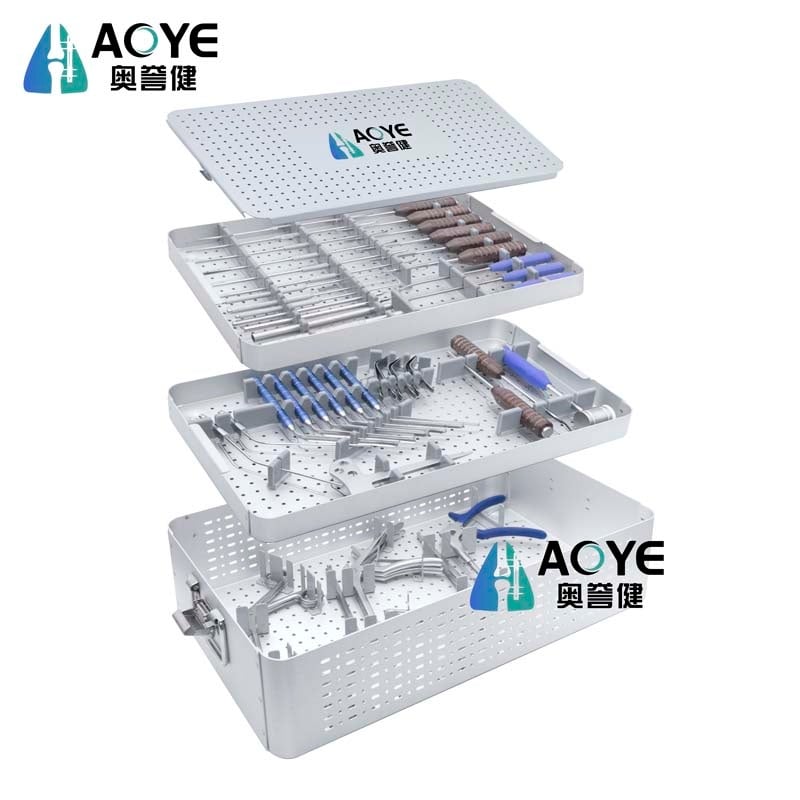
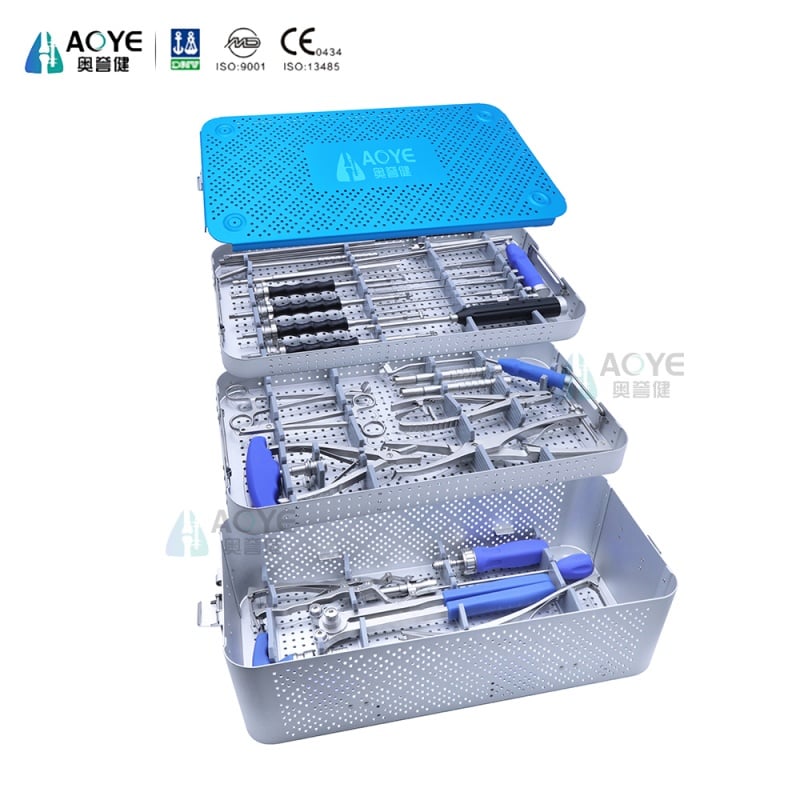
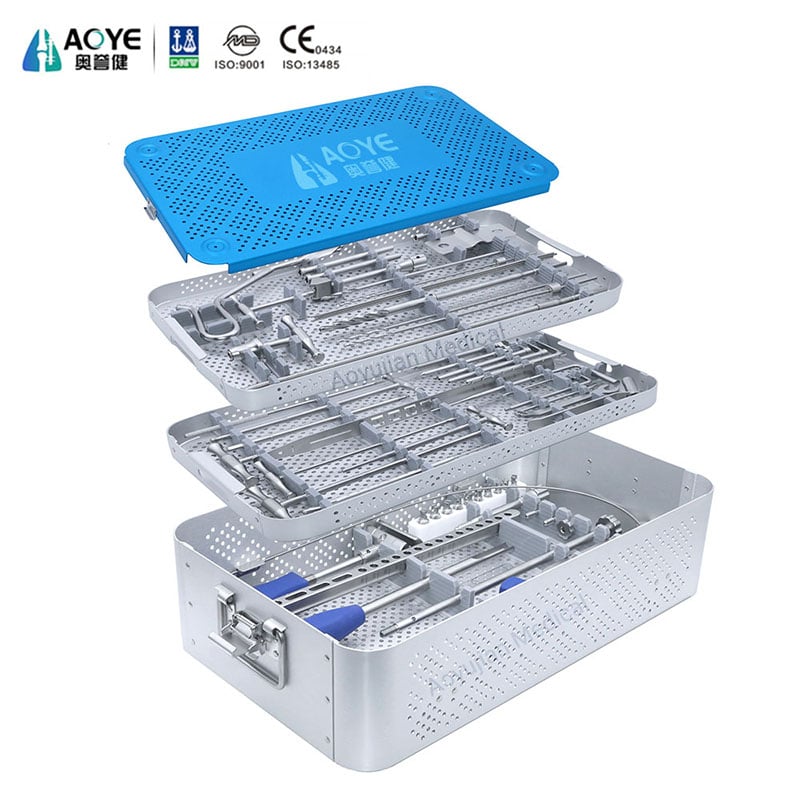
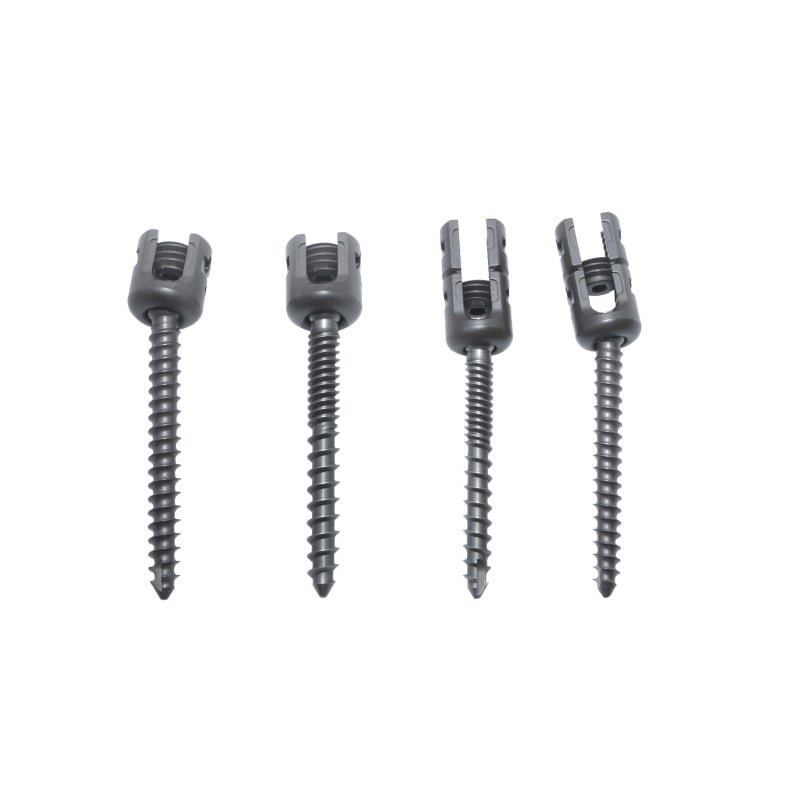
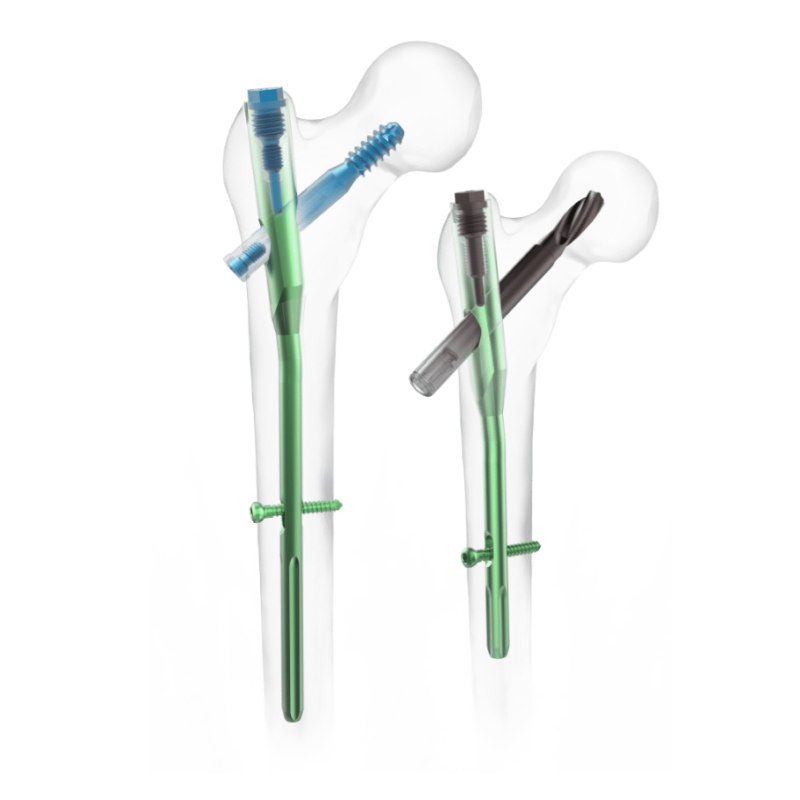
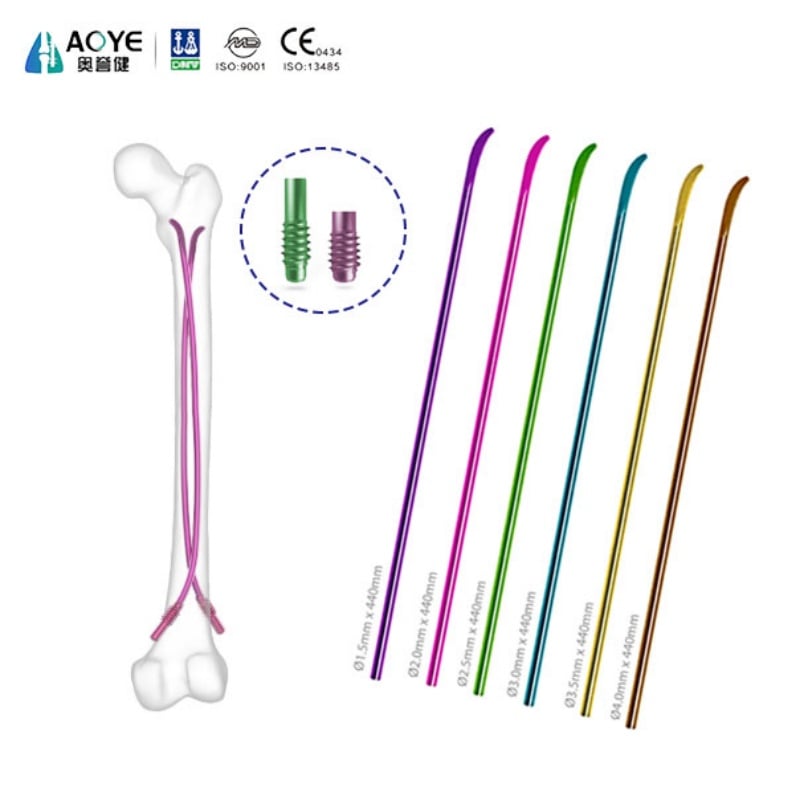
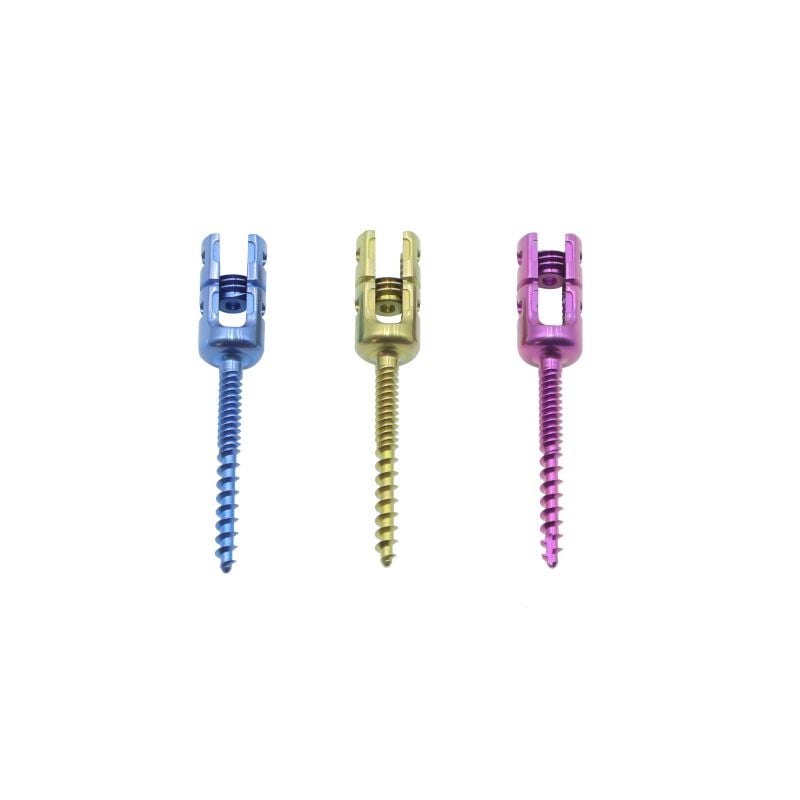
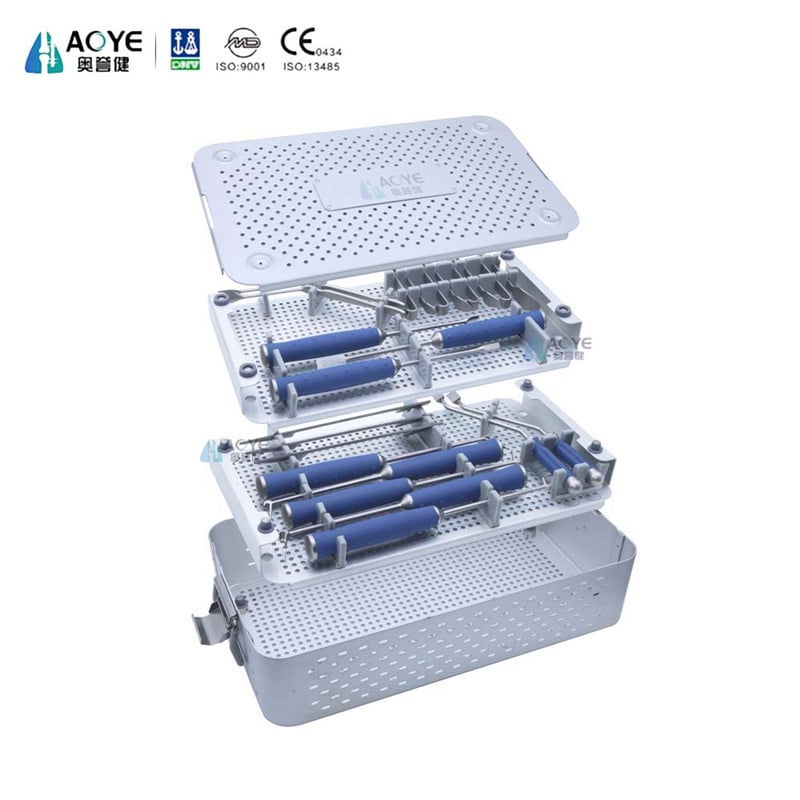
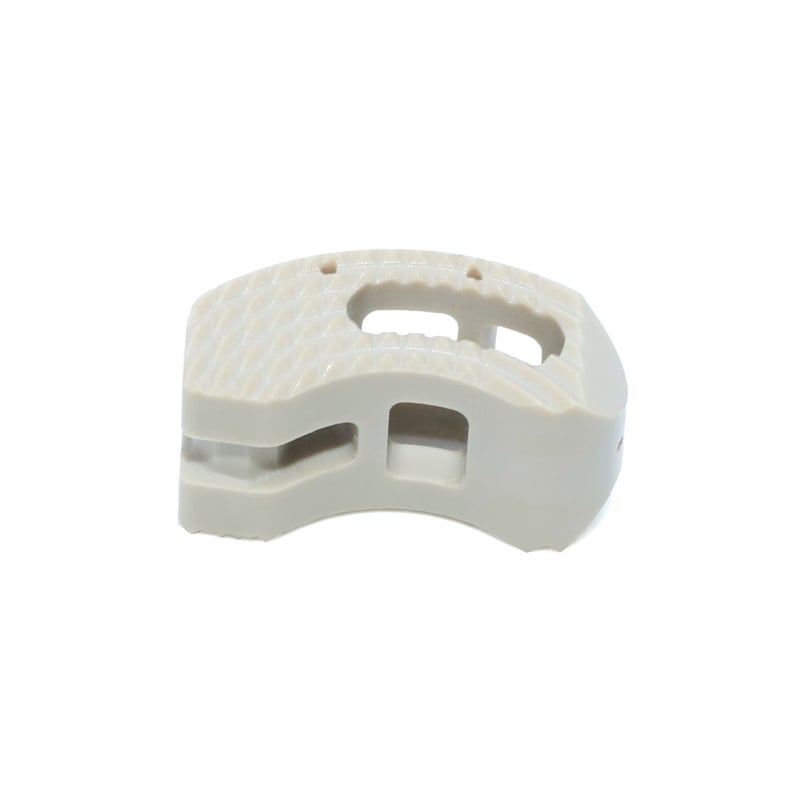
Orthopedic implant instruments are critical components in the medical field, particularly for surgeries involving trauma, spine, and sports medicine. As a professional manufacturer of orthopedic implants instruments, Aoyujian Medical understands that buyers in this sector prioritize quality, reliability, and compatibility with various surgical procedures. This article will guide you through choosing the right orthopedic medical devices, addressing common issues, best practices, and where to find trustworthy suppliers.
Selecting the appropriate orthopedic implants instruments involves understanding both the specific surgical requirements and the technical specifications of the instruments. Key considerations include:
Application Suitability: Different instruments are designed for specific procedures, such as trauma repairs, spinal surgeries, or sports-related injuries. Identifying the intended application will guide your selection.
Material Composition: Instruments are typically made from stainless steel or titanium due to their strength and biocompatibility. Buyers should assess the material's properties, ensuring they align with the surgical environment and patient safety.
Instrument Design and Ergonomics: The design of the instruments should facilitate ease of use during surgery. Instruments with ergonomic handles and intuitive designs can enhance the surgeon's performance and reduce fatigue.
Sterilization and Maintenance: Consider the sterilization methods suitable for the instruments chosen. Instruments must withstand repeated sterilization without degrading, which is essential for maintaining performance and safety.
Regulatory Compliance: Ensure that the instruments meet the necessary certifications, such as ISO13485 and CE marking, which indicate compliance with international quality and safety standards.
When purchasing orthopedic implants instruments, a structured approach will help ensure you make informed decisions. Here’s a practical buyer's guide:
Define Your Requirements: Specify the type of surgery, the expected volume of procedures, and any special features needed in the instruments. This will aid in narrowing down options.
Request Product Specifications: Gather detailed product specifications, including dimensions, weight, and material properties. Understanding these aspects will help assess compatibility with existing surgical tools.
Evaluate Suppliers: Look for suppliers with a proven track record in manufacturing orthopedic equipment. Check certifications, production capabilities, and customer reviews to gauge reliability.
Inquire About Customization: Many manufacturers, like Aoyujian Medical, offer customization options. If your needs require specific adjustments, ensure the supplier can accommodate these requests.
Consider Pricing and Lead Times: Discuss pricing structures, including bulk order discounts and payment terms. Also, confirm lead times for delivery to ensure they align with your project timelines.
Inspect Samples: Before finalizing any orders, request samples to inspect quality and performance. Testing ortho medical devices in real-world conditions can reveal insights about their usability and reliability.
Buyers may encounter various challenges when dealing with orthopedic implants instruments. Here are some common issues and solutions:
Instrument Damage: Instruments may become damaged during sterilization or transportation. To mitigate this, use appropriate packaging materials that provide cushioning and protection.
Incompatibility with Surgical Techniques: Ensure that the instruments chosen align with the specific surgical techniques employed by the medical team. Consulting with surgeons during the selection process can help prevent mismatches.
Quality Control Issues: Rigorous quality control processes are crucial. Implementing checks at various stages of production can help identify defects early. Buyers should also conduct their inspections before accepting deliveries.
Regulatory Compliance: Failure to meet regulatory standards can lead to complications. Regularly check that suppliers maintain their certifications and adhere to the latest industry regulations.
Supply Chain Disruptions: Unexpected delays can affect project timelines. Establishing strong relationships with multiple suppliers can offer alternative options in case of disruptions.
To ensure successful procurement and usage of orthopedic implants instruments, consider these best practices:
Conduct Market Research: Stay informed about the latest advancements in orthopedic instruments to ensure you are choosing the most effective options.
Engage with Healthcare Professionals: Collaboration with surgeons and medical staff can provide valuable insights into the practical use of instruments, helping guide purchasing decisions.
Implement Training Programs: Ensure that surgical teams are trained on the proper use and maintenance of instruments to prevent mishandling and extend their lifespan.
Establish a Feedback Loop: Collect feedback from surgical teams regarding instrument performance. This information can be beneficial for future purchasing decisions and potential improvements.
Review Inventory Regularly: Regular inventory checks help prevent shortages and ensure that all instruments are functioning correctly and are up to date with the latest technologies.
Finding trustworthy suppliers is critical for acquiring high-quality orthopedic implants instruments. Here are some strategies to locate reliable manufacturers:
Industry Trade Shows and Conferences: Attending medical and surgical trade shows allows buyers to meet suppliers, inspect products first-hand, and discuss specific needs.
Online Directories and Associations: Utilize online resources and medical device associations to identify manufacturers and gather information about their credentials and product offerings.
Referrals from Peers: Networking with other healthcare professionals can lead to recommendations for reputable suppliers who have delivered quality products in the past.
Manufacturer Websites: Explore manufacturers' websites, like Aoyujian Medical, to review their product catalogs, certifications, and customer testimonials, providing insights into their reliability and expertise.
Request for Proposals (RFPs): When considering multiple suppliers, issue RFPs to gather comprehensive information about their capabilities, pricing, and terms of service.
By following these guidelines and leveraging the insights provided , B2B buyers can confidently navigate the complexities of purchasing orthopedic implants instruments, ensuring they select the right products for their medical needs.
Aoyujian Medical Technology provides trusted orthopedic solutions, high-quality implants, OEM/ODM services, and global shipping for hospitals & distributors.
No. 2 Changting Road, Gehu Farm, Wujin Economic Development Zone, Changzhou, Jiangsu, China
Copyright © Aoyujian Medical Technology (Changzhou) Co., Ltd. All Rights Reserved - Privacy Policy - Blog
 EN