
 EN
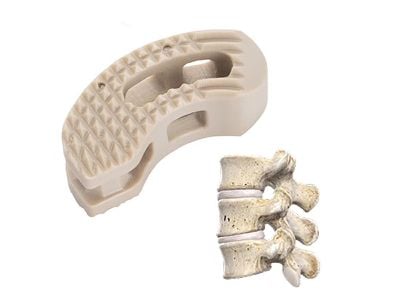
Cervical cages are implants used in revision spine surgery to support and stabilize damaged segments of the cervical spine. They are essential for providing stability and ensuring the proper alignment of the vertebrae, particularly in cases where previous surgeries have failed. This guide highlights orthopedic implants, reliable suppliers, and careful planning for revision spine surgery. In this article, we will discuss key considerations for buyers such as selecting the appropriate cervical cage, identifying reliable suppliers, and other vital aspects involved in sourcing these products.
Choosing the right cervical cages for revision spine surgery
When selecting the appropriate cervical cages for revision spine surgery, several technical factors must be considered. First, evaluate the material of the cage. These are commonly made from titanium, PEEK (polyether ether ketone), or other biocompatible materials. Each material possesses distinct characteristics that influence its biocompatibility, strength, and imaging properties. The cage peek cervical with different biocompatible materials affect stability, imaging clarity, and long-term outcomes in revision spine surgery. For instance, titanium is known for its high strength and durability, whereas PEEK offers superior visibility during X-ray imaging.
How to identify reliable suppliers for cervical cages?
Identifying reliable suppliers for cervical cages is a critical step in the procurement process. First, check their certifications, such as ISO 13485 and CE. These certifications ensure that their products comply with international standards for quality management systems in medical devices. Reliable suppliers provide clear communication, timely delivery, and ongoing support for orthopedic implants.
Cost factors to consider when sourcing cervical cages in bulk
When sourcing cervical cages in bulk, there are several key factors to consider that will affect the total cost. In bulk sourcing, storage space and handling time also influence total cost and operations. First, the price per unit often decreases with larger quantities; however, additional costs such as shipping and customs duties must also be taken into account.
Second, determine the supplier’s minimum order quantity (MOQ). Different suppliers have varying MOQs, which can impact your cash flow. A lower MOQ can improve cash flow and provide flexibility for new clinics. You should assess whether the MOQ aligns with your current requirements.
Third, consider warranties and after-sales service. Suppliers that offer guarantees or follow-up support may provide greater overall value, even if their prices are higher. Reliable warranties and after-sales service reduce risk and build trust for orthopedic implants used in revision spine surgery. These offerings provide added assurance that the products will perform reliably during surgery.
Best practices for installing cervical cages in revision surgery
During the installation of cervical cages in revision surgery, adhering to best practices is essential to ensure a successful outcome. First, pre-operative planning is necessary. A careful plan also includes imaging studies, instrument checks, and a team briefing to prevent surprises. The patient’s anatomical features and history of previous surgeries must be evaluated to prevent complications.
Second, the use of appropriate surgical techniques and instruments is crucial. Surgeons must possess sufficient experience in handling and implanting cervical cages. Experienced surgeons use gentle technique, clear visibility, and correct placement to reduce risk during revision procedures. Furthermore, the dimensions of the cage must be verified prior to the operation to ensure a proper fit for the patient.
Third, post-operative care must be taken into account. Patients should be closely monitored to ensure that the cervical peek cage is functioning correctly and that no complications arise. Regular imaging and physical therapy help track progress and catch issues early after surgery. Follow-up appointments are necessary to assess the patient's recovery and the stability of the implant.
Applications of cervical cages in revisions spine surgery explained
Cervical cages are utilized for various applications in revision spine surgery. In many settings, surgeons choose different cage designs for specific regions, helping doctors tailor treatment for degenerative disease, trauma, or complications. One of their primary objectives is to address vertebrae affected by degenerative diseases, trauma, or complications resulting from previous surgeries.
They can also be used for spinal fusion, where the cages facilitate the fusion of bones surrounding the implant, thereby providing more robust support. This fusion process helps achieve long-term stability and supports quicker recovery. Cervical cages with specialized designs can offer superior stabilization and reduce the risk of bone displacement.
Overall, cervical cages plays a vital role in improving the outcomes of revision spine surgery by providing essential support and stabilization to patients who require further intervention. Choosing the right cervical cage helps patients return to daily life sooner and with less pain. Through the proper selection and implantation of these devices, surgeons can achieve better surgical results.
Table of Contents
- Choosing the right cervical cages for revision spine surgery
- How to identify reliable suppliers for cervical cages?
- Cost factors to consider when sourcing cervical cages in bulk
- Best practices for installing cervical cages in revision surgery
- Applications of cervical cages in revisions spine surgery explained