
 EN
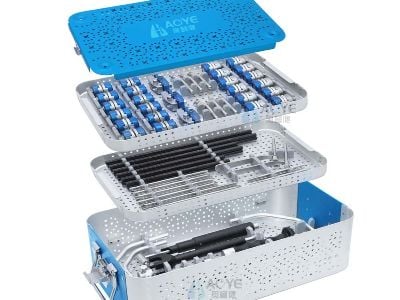
Titanium screws have become the preferred choice in orthopedic fixation due to their unique advantages over other materials. Understanding the key advantages of titanium screws is vital for purchasing managers and medical professionals involved in orthopedic solutions. This article will explore why titanium screws are favored in orthopedic applications, what to consider when selecting them, cost factors to evaluate, common issues with orthopedic screws, and how to find reliable suppliers.
Key Advantages of Titanium Screws in Orthopedic Fixation
Titanium screws offer numerous advantages in orthopedic fixation, making them a popular choice among surgeons and medical professionals. One of the primary benefits is their excellent biocompatibility. Titanium is well-tolerated by the human body, minimizing the risk of adverse reactions. This characteristic is crucial for implants that will remain in the body for extended periods.
Another significant advantage is titanium's strength-to-weight ratio. Titanium screws are lightweight yet incredibly strong, providing robust support for bone fixation without adding unnecessary weight. Additionally, titanium exhibits excellent corrosion resistance, which is essential in maintaining the integrity of orthopedic implants in the body’s varied environments.
Furthermore, titanium screws can be manufactured with a variety of surface treatments, such as anodization, which enhances their osseointegration properties. This means that the locking screw plate can bond more effectively with bone tissue, promoting healing and stability. Given these advantages, titanium screws are often preferred in complex orthopedic procedures involving trauma, spine, and sports medicine.
What to Consider When Choosing Titanium Screws for Orthopedic Use?
When selecting titanium screws for orthopedic applications, several factors should be considered to ensure optimal performance. First, the screw's diameter and length must match the specific anatomical requirements of the patient. Various sizes are available, and choosing the correct dimensions is crucial for effective fixation and stability.
Next, consider the type of titanium alloy used. Commercially pure titanium (CP) and titanium alloys (such as Ti-6Al-4V) have different mechanical properties. While CP titanium offers excellent biocompatibility, titanium alloys often provide enhanced strength and fatigue resistance. Aoyujian Medical, for instance, specializes in producing both types, ensuring that buyers can select orthopedic bone screw tailored to surgical needs.
Surface treatment is another critical consideration. The choice of surface finish can influence osseointegration and the overall success of the implant. Anodized or coated screws may promote better bone integration and reduce the risk of loosening over time.
Finally, it is essential to verify the manufacturer’s certifications and quality control processes. An ISO13485 and CE certification, like that held by Aoyujian Medical, indicates adherence to stringent quality standards, ensuring the products meet both safety and performance requirements.
Cost Factors to Evaluate When Purchasing Titanium Screws Wholesale
The cost of titanium screws can vary significantly based on several factors. One of the primary cost determinants is the type of titanium alloy used. Alloys like Ti-6Al-4V are typically more expensive due to their enhanced properties compared to commercially pure titanium.
Another cost factor is the volume of the order. Manufacturers often have minimum order quantities (MOQs), and larger orders may come with bulk discounts. It’s essential for buyers to assess their projected needs to avoid overordering or underordering.
Customization also impacts pricing. Custom lengths, diameters or surface treatments can increase production costs. Buyers should clearly communicate their requirements to suppliers to receive accurate quotations.
Lastly, the supplier’s location and shipping costs can affect the overall price. Importers should factor in shipping timelines and customs duties, especially when sourcing from manufacturers in China or other countries. Evaluating these cost factors will ensure better budget management when purchasing titanium screws wholesale.
Common Problems with Orthopedic Screws and How Titanium Solves Them
Orthopedic screws, regardless of material, can face several common issues, but titanium screws effectively address many of these problems. One significant problem is corrosion, which can weaken screws over time. Titanium's natural resistance to corrosion helps maintain structural integrity, reducing the risk of failure in the body.
Another common issue is the loosening of screws, especially in dynamic environments where bone healing is not optimal. The ability of titanium to promote osseointegration minimizes this risk, as titanium orthopedic implants screws can bond with the surrounding bone, providing lasting stability.
Lastly, some screws made from other materials may trigger allergic reactions or inflammation in certain patients. Titanium’s biocompatibility prevents such reactions, making it a safer option for a broader range of patients. Understanding these common problems and how titanium screws mitigate them is essential for informed purchasing decisions.
Where to Find Trusted Suppliers of Titanium Screws for Orthopedics?
Finding reliable suppliers of titanium screws is crucial for ensuring quality and consistent supply. A good starting point is to research manufacturers with proven expertise in orthopedic implants, such as Aoyujian Medical, which has established a reputation in the industry and serves partners in 45 countries.
When evaluating suppliers, consider their certifications, such as ISO13485 and CE, which indicate compliance with international quality standards. Requesting product samples can also provide insight into the manufacturer’s quality and adherence to specifications.
Moreover, attending industry trade shows or conferences can offer valuable networking opportunities with reputable suppliers. Engaging in direct conversations can help buyers gauge reliability and establish long-term partnerships.
Lastly, utilizing online platforms that specialize in medical device procurement can simplify the search process. These platforms often provide reviews and ratings from other buyers, aiding in supplier evaluation.
By considering these factors, buyers can confidently choose trusted suppliers for their orthopedic needs, ensuring the procurement of high-quality titanium screws that meet industry standards.
Table of Contents
- Key Advantages of Titanium Screws in Orthopedic Fixation
- What to Consider When Choosing Titanium Screws for Orthopedic Use?
- Cost Factors to Evaluate When Purchasing Titanium Screws Wholesale
- Common Problems with Orthopedic Screws and How Titanium Solves Them
- Where to Find Trusted Suppliers of Titanium Screws for Orthopedics?