
 EN
EN
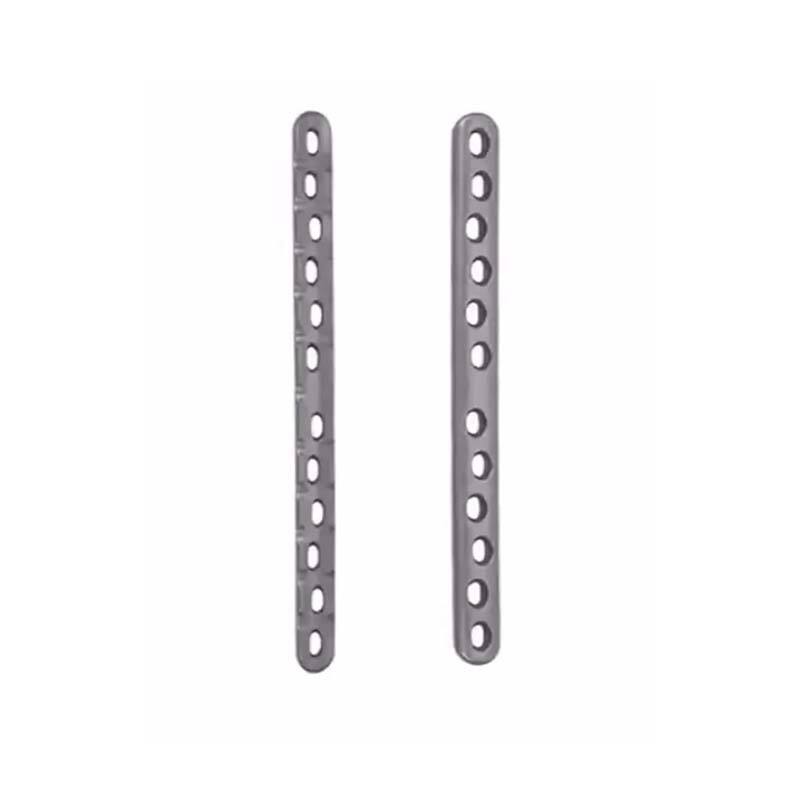
Selecting the appropriate retrograde femoral nail (RFN) system for a hospital is an important decision. It can influence how well patients recover from surgeries. A good system allows doctors to fix broken femurs, the big thigh bones. Doctors with the right tools can help patients recover faster. Aoye is a reliable brand that provides quality retrograde femoral nail systems. They aim to help hospitals deliver the highest quality care we will discuss the value of these systems and considerations in selecting one that best meets a hospital’s needs.
Challenges of Assessing Theology's Role in Surgical Biomechanics and Choice regarding the Claw-sign - a Cry for Prudence
Several things need to be considered when evaluating retrograde femoral nail systems. First, nail design is key. A high-quality nail is strong, but also relatively light for ease of use. Material to make the nail must be strong and prevent breaking, bending. Aoye has good materials to ensure that the nails will last and work like a real nail. Another factor to consider is the ease with which surgeons can operate the system. When the nails and instruments are more complex it can require more time to carry out surgery. This can be tough for patients. Aoye thinks of its system in practical terms so that procedures are easier and faster.
Another key consideration is how effectively the system assists patients in healing. Certain nails are designed so they conform to the bone better. That way, they can hold the bone in place more firmly as it mends. Aoye has frameworks which are best made for providing optimal femoral support during rehabilitation. This is so much easier for the patients. The more swiftly they recover, the sooner they can return to their normal routines. You will also want to consider the sizes offered. Not all patients are the same, and options make it more likely that everyone will find a good fit.
Caregiver training and support is also important. Aoye provides training for doctors and nurses to ensure they know how to use the retrograde femoral nail systems properly. When staff members feel secure, they can take better care of their patients. Then, take a broader view of the system’s costs. It ought to be something that the hospital can afford, and it should meet high quality standards. Aoye reconciles cost and quality, so hospitals can optimize value for their dollar.
Selecting the Appropriate Retrograde Femoral Nail System for Your Hospital
Consideration on the type of retrograde nail to use on the femur. The most appropriate place to start is by determining what is right to your hospital. Question the surgeons on what they like and what they think is the best. They are educated, and have something to tell. The systems designed by Aoye are dynamic and can be adapted to the specific needs of a particular hospital. This enables them to work in any place, big or small hospital.
The second step is to look at the population of patients that your hospital serves. The nails of various sorts may be appropriate to various ages and activity level. An example is the case of younger patients who are more active and might be in need of a nail that is stronger and can endure more stress. Elderly people, on the contrary, might require an alternative idea that will focus on simply convenience of use and recovery. Aoye is characterized by numerous solutions that can satisfy the needs of patients with ease.
The budget of a hospital should also be taken into account. Sometimes one may want to settle on the lowest price but quality should not be ignored! Although the retrograde nails of the femur invented by Aoyes might be more expensive in the short term, they probably could save money in the long run by reducing the number of complications and time to bony union is better. A good investment in the present days may be paid in the future.
And finally, see the support and service of the company. Aoye provides excellent customer services like training and technical services. This can make a significant impact on the workability of the system in practice. Brands that are listening and working with hospitals have to be on the watch list of hospitals. With a feeling of support, the staffs will be free to attend to what is the greatest need: patient care. The elderly patients who have fractures will be better off selecting a more suitable prosthesis of retrograde femoral nail system, and it will help the hospitals to make such a decision.
And at least as far as choosing a retrograde femur nail system to use in your hospital is concerned, support and safety are truly important. It implies adherence to rules and guidelines to provide the patient more opportunities to remain safe during surgery. They refer to it as a retrograde femoral nails and it is a strange procedure that they employ to repair a thigh bone. And to implement this system efficiently, a hospital should be able to meet all safety standards. This also implies one has to ensure that the material of the nail system is strong and not easily broken. The hospitals must seek out the systems approved by health authorities. This is the indication that the device is cleared and safe among patients.
The Importance of Training and Monitoring for Safe Use of Retrograde Femoral Nail Systems
Another major component of ensuring everybody is safe is training. The use of the retrograde femoral nail system should be properly trained to doctors and nurses. To ensure that they make the best use of the system, Aoye trains hospital staff. This training will assist them to know how to put the nail in the right position and how to deal with the patients after surgery. The major factor in minimizing the risk of errors in surgery is a good training program. The hospitals should also keep documented records of all the surgeries that have been done using retrograde femur nail system. Such records can be used to give a means of tracking the performance of the system and the availability of safety concerns. By doing so, issues can be easily rectified hence patients are not put at risk.
Also there are numerous benefits of retrograde femoral nail system in operation. This system has one of the best selling points that it might assist patients to recuperate quicker. Once the bone is broken by an accident, it has to be aligned with the pieces so that the bone can heal. The retrograde femoral nail system holds the bone in its position and the rehabilitation process becomes quicker. Patients can possibly walk faster as compared to other forms of treatment they had to undergo. The extension reinforcement and manifesting callus in these ethnicity is noteworthy as well as retrograde femoral nail of Aoye is offered to support good healing.
The other benefit is that operations under such a system tend to be least invasive. The reason is that the doctors are able to illegeally repair the bone without large cuts. Less painful results and a reduced time spent in hospital by patients because of smaller cuts. This will be a win-win to the patients as well as the hospital. Reduced length of stay will also imply that the hospitals will be able to provide treatment to more patients. Moreover, fewer complications could be related to surgery in cases when retrograde nailing of the femur is done. The fact that the system allows the nail to be positioned correctly allows one to reduce the risk of the presence of infection and other drawbacks.
Sometimes hospitals can experience typical problems with retrograde femoral interlocking nail. The way to debug these cases should be known. When the nail does not fit, then one should check the kind and size of nail chosen. Aoye has developed a reference point on which various patients can choose their size of the choice. The nail can be of too large or too small size, and this can lead to the inability to use it.
Preventing Complications Through Proper Insertion and Training in Retrograde Femoral Nail Surgery
The other common problem can be linked to the insertion technique. The nail may lead to complication where it is not placed properly during the operation. Training is crucial here. Aoye puts special emphasis on the role of practical operation in assisting the surgeons to learn how to apply retrograde nail system in the femur. Should something go wrong in the operating room, it is paramount to ensure that the surgical team is composed and that it operates as a team. Their training and the emergency management procedures are to be followed.
Finally, hospitals ought to check the retrograde femur nail systems to determine their wear or damage. This is preventive in order to eliminate issues beforehand. Keeping patients safe involves a basic component of ensuring that everything is in good working order. Retrograde Femoral Nail System Utilization can be helped to recover bone injury with proper training and equipments provided by hospitals through the use of retrograde femoral nail system.
Table of Contents
- Challenges of Assessing Theology's Role in Surgical Biomechanics and Choice regarding the Claw-sign - a Cry for Prudence
- Selecting the Appropriate Retrograde Femoral Nail System for Your Hospital
- The Importance of Training and Monitoring for Safe Use of Retrograde Femoral Nail Systems
- Preventing Complications Through Proper Insertion and Training in Retrograde Femoral Nail Surgery