
 EN
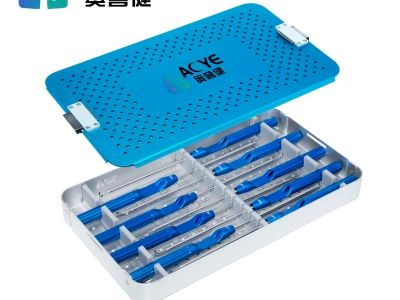
Selecting the right arthroscopy instruments for trauma and orthopedic cases is a critical step in performing a successful surgery. This choice directly affects arthroscopy instruments' performance in the operating room, the success of orthopedic surgery, and how the purchasing manager plans the budget. These instruments are used to diagnose and treat injuries to joints and body tissues. In this article, we will discuss key considerations and guidelines for selecting these instruments, which will help purchasing managers, distributors, and other industry professionals make smarter decisions in their purchases.
Understanding Material Advantages in Arthroscopy Instrument Selection
The materials used in the manufacture of arthroscopy instruments have a significant impact on their performance and durability. Arthroscopy instruments may use stainless steel, titanium, or carbon fiber, with stainless steel offering corrosion resistance, while titanium and carbon fiber provide lighter weight for easier handling during orthopedic surgery. Typically, stainless steel is the primary material used due to its high corrosion resistance and good strength. However, there are times when titanium and carbon fiber are used for special applications due to their light weight and high strength. It is important to consider these materials for instruments that will be used during surgery, as they affect the surgeon's ability to manipulate these instruments smoothly and accurately.
Material properties such as biocompatibility, which is important for instruments that will be used inside the body, should also be considered. Biocompatibility means the body won't react badly, which helps patient safety in orthopedic external fixator surgery and supports compliance with ISO13485 for medical products. Materials that do not cause a reaction in the body should be selected to avoid complications for the patient. When studying materials, it is also important to look at certifications such as ISO13485, which demonstrate quality compliance in medical products.
Installation Guidance for Arthroscopy Instruments in Orthopedic Surgery
Proper installation of arthroscopy instruments is essential to ensure their effective use in orthopedic surgery. Continuous training for surgeons, surgical staff, and the purchasing manager helps ensure arthroscopy instruments perform well in orthopedic surgery. First, proper training is required for surgeons and surgical staff in the use of these instruments. They must understand specific techniques and procedures to ensure that these instruments are used properly during surgery.
Secondly, it is important to inspect these instruments before surgery. Additionally, preoperative checks on cleaning, sterilization, and storage help prevent infection and ensure the instruments stay in good condition for orthopedic medical devices surgery. It is important to ensure that they are clean, properly sterilized, and in good condition. Any damage or contamination to these instruments can pose a risk to the patient. Also, proper storage and handling of these instruments before and after surgery is a key step to maintaining their integrity and performance.
Common Problems with Arthroscopy Instruments and Their Solutions
There are many common problems that can be encountered with arthroscopy instruments, and it is important to know the solutions for them. Knowing common problems like misalignment helps the purchasing manager, surgeons, and technicians plan replacements and improve training. One common issue is the misalignment of these instruments, which can lead to improper access to the surgical site. The solution to this is to train surgeons in the proper handling and use of these instruments.
Another issue is the presence of contaminated instruments. Contamination can be a real risk, so strict sterilization and documentation help the purchasing manager and surgical team ensure safety during orthopedic surgical drills operations. To avoid this, it is important to follow proper protocols for sterilizing and storing these instruments. They should be inspected before use in surgery to ensure they are clean and free of any bacteria.
Ultimately, the breakdown of these instruments in the middle of the operation can cause delays. Having spare tools and durable stainless steel options ready is a practical step to reduce delays during surgery. The solution to this is to have backup instruments ready whenever the operation is performed. Manufacturers like Aoyujian Medical can provide instruments high quality and durable designs to avoid such problems.
Cost Factors to Consider When Purchasing Arthroscopy Instruments
The price of arthroscopy instruments can vary based on many factors. Prices depend on material choices such as stainless steel, titanium, or other alloys, and durability can influence the hospital budget. First, the material used to make these instruments has a significant impact on their price. Instruments made from higher quality materials, such as titanium, are often more expensive than stainless steel.
Secondly, the level of technology and development used in the production of these instruments is also a factor. Advanced features add cost, but they may improve performance in orthopedic surgery and patient outcomes. Instruments with special designs or advanced features may incur additional costs. In addition, shipping costs and taxes must also be factored into the total price of the product.
It is also important to check the minimum order quantities (MOQ) set by suppliers. MOQs can be higher for stainless steel tools, but buying large lots helps the purchasing manager save more. Suppliers like Aoyujian Medical may offer better prices on bulk orders. Therefore, purchasing managers must be smart in their purchasing to get the most out of their budget.
Wholesale Purchasing Tips for Arthroscopy Instruments In Healthcare
When purchasing arthroscopy instruments wholesale, there are a few tips that can be helpful to healthcare professionals. Look for suppliers with ISO13485 and a proven track record in medical products to ensure quality. First, it is important to contact reputable suppliers with a good reputation in the industry. Check their certifications and past projects to ensure their credibility.
Second, request samples of the instruments you intend to purchase before placing a large order. Ask for simple warranties and reliable customer support in case of issues with arthroscopy instruments. Examining the samples will help determine whether they meet your quality and performance requirements. You should also discuss the warranty terms and customer support offered by the supplier.
Finally, it is important to consider payment and shipping terms. Flexible payment and shipping terms ease budgeting for the purchasing manager and help maintain steady supply in orthopedic surgery. Suppliers that offer reasonable terms can provide a better purchasing experience. Good communication with the supplier is key to avoiding misunderstandings and to ensuring that the arthroscopy instruments arrive on time and in good condition.
Overall, the proper selection and purchase of arthroscopy instruments is a process that requires thorough research and preparation. With good planning, purchasing managers, distributors, and hospitals can ensure safe results in orthopedic surgery. By understanding materials, installation, common problems, and cost factors, healthcare professionals can make more informed decisions for their surgeries.
Table of Contents
- Understanding Material Advantages in Arthroscopy Instrument Selection
- Installation Guidance for Arthroscopy Instruments in Orthopedic Surgery
- Common Problems with Arthroscopy Instruments and Their Solutions
- Cost Factors to Consider When Purchasing Arthroscopy Instruments
- Wholesale Purchasing Tips for Arthroscopy Instruments In Healthcare