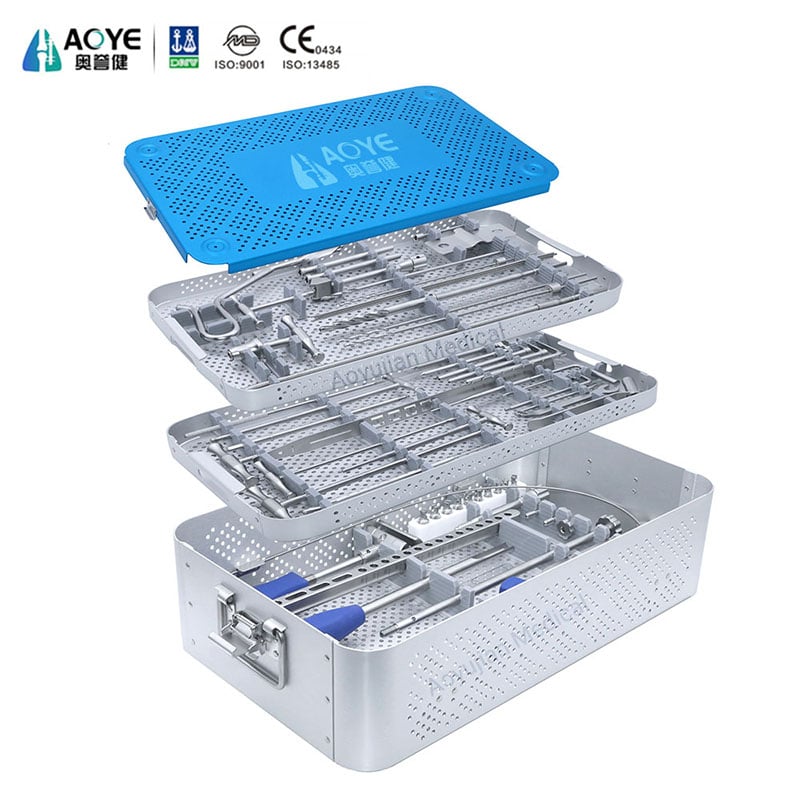
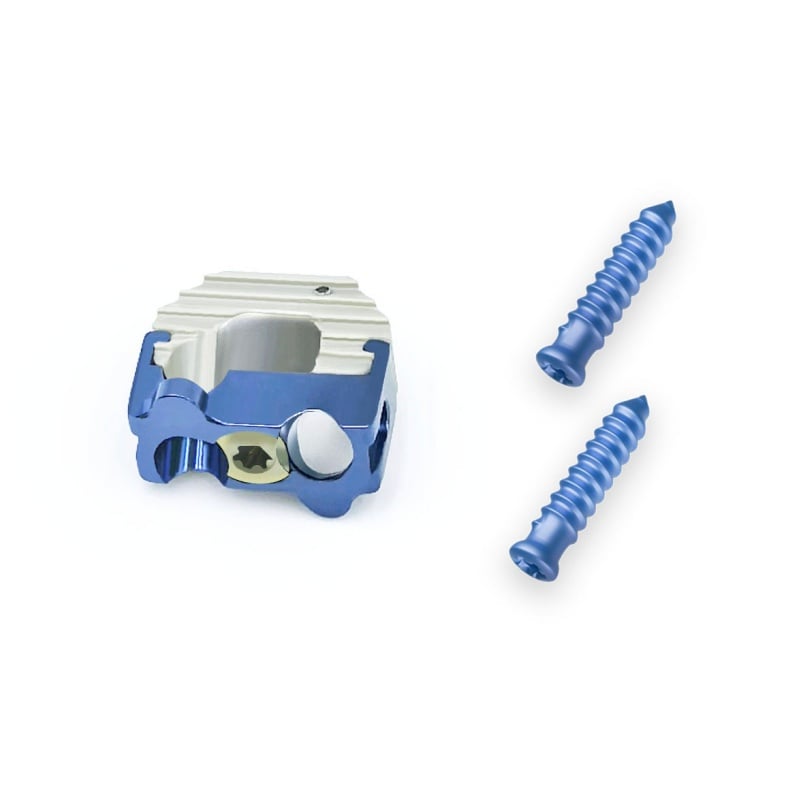
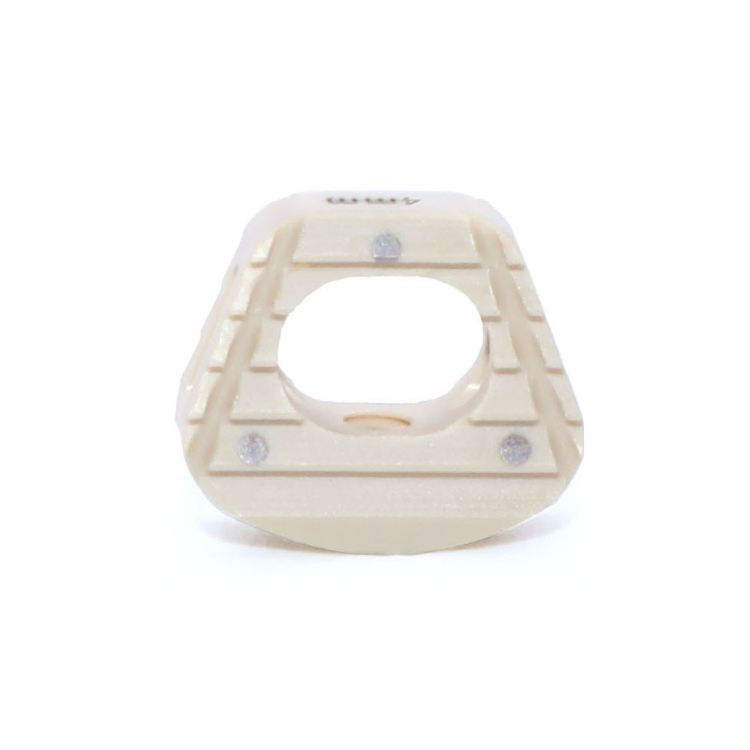
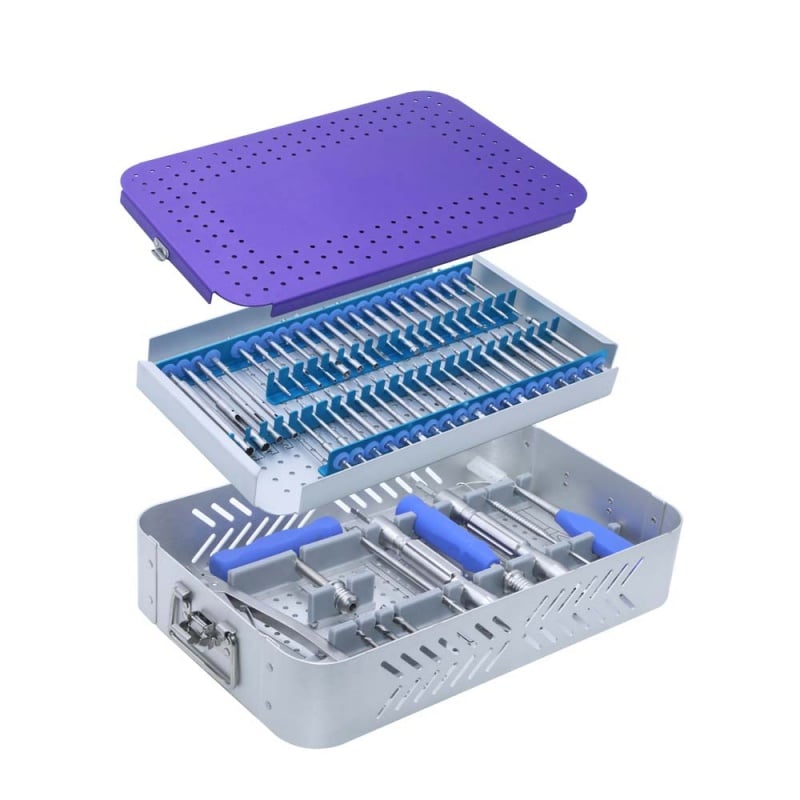
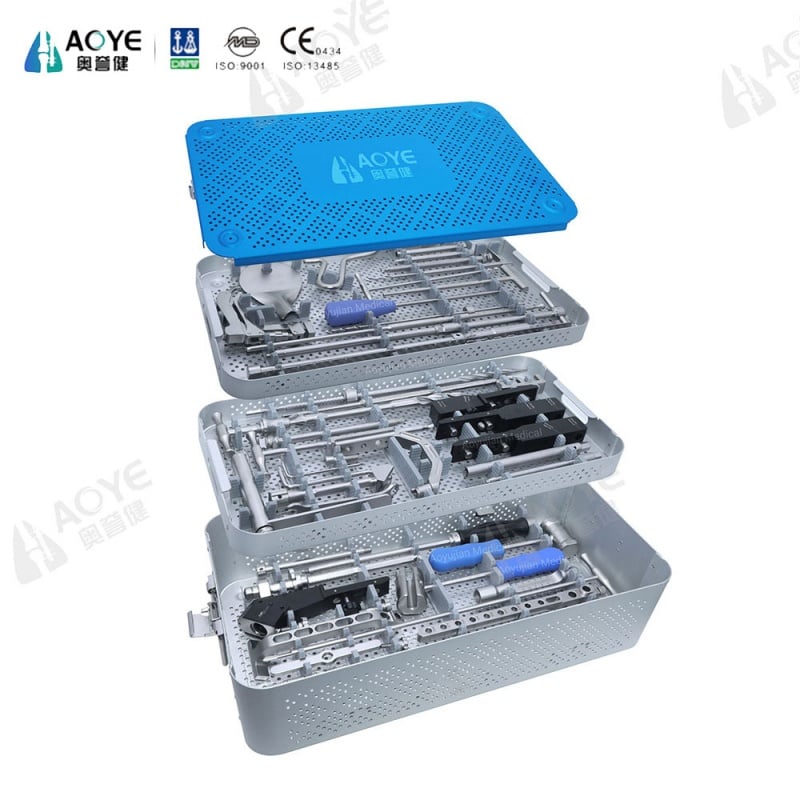
Orthopedic surgical drills are critical instruments used in various medical procedures, particularly in trauma, spine surgery, and sports medicine. For purchasing managers, distributors, and medical professionals, understanding the specifications and selecting a reliable supplier is essential to ensure optimal performance and patient safety. This article will guide you through the key considerations when sourcing orthopedic surgical drills, including specifications, supplier evaluation, cost factors, and performance comparisons, helping you make informed purchasing decisions.
When evaluating orthopedic surgical drills, several specifications are crucial to ensure their effectiveness and safety during procedures. Key specifications include:
Material Composition: High-quality orthopedic surgical drills are typically made from stainless steel or titanium, which provide durability and resistance to corrosion. The choice of material impacts the drill's longevity and performance in sterile environments.
Diameter and Length: The diameter of the drill must match the size of the surgical implant or the bone being drilled. Surgical drills come in various diameters (usually ranging from 2 mm to 8 mm) and lengths. Ensuring compatibility with specific surgical procedures is essential.
Speed and Torque Settings: Different surgical applications require varying speeds and torque. A drill with adjustable speed settings allows surgeons to adapt to different materials and conditions, reducing the risk of thermal necrosis in bone tissue.
Design Features: Look for features such as self-drilling tips and ergonomic handles, which enhance usability and precision during surgery. These features can significantly affect the drill's handling and the overall surgical experience.
Understanding these specifications is vital for ensuring that the orthopedic instrument will perform adequately within the intended surgical applications, thereby minimizing complications during procedures.
Choosing the right supplier for orthopedic surgical drills involves several critical factors:
Certifications and Compliance: Ensure that the supplier is ISO13485 certified, indicating compliance with international quality management standards for medical devices. This certification is essential for guaranteeing that the products meet stringent safety and quality requirements.
Manufacturing Capabilities: Assess the supplier's manufacturing capabilities, including their production equipment and processes. Suppliers with advanced technology and robust quality control processes can provide more reliable products.
Customization Options: Some surgical procedures may require customized drill sizes or designs. A orthopedic tools supplier that offers customization can better meet specific needs, ensuring that the drills are tailored for particular applications.
Customer Service and Support: Evaluate the level of customer service provided by the supplier. Responsive support can help resolve issues quickly and ensure that you receive the necessary information regarding product specifications and usage.
By thoroughly vetting potential suppliers, you can select a partner that aligns with your quality expectations and operational requirements.
The cost of orthopedic surgical drills can vary widely based on several factors:
Material Costs: The choice of materials affects pricing. While stainless steel is typically less expensive, titanium drills may come at a premium due to their superior properties.
Volume and MOQ: Suppliers often have a Minimum Order Quantity (MOQ), which can impact your overall procurement cost. Ordering in bulk may reduce the per-unit price, but ensure that the quantity aligns with your usage needs.
Manufacturing Complexity: Drills with advanced features or custom designs may incur higher costs due to increased manufacturing complexity. Understanding the specific features required for your applications will help in budgeting accurately.
Shipping and Import Fees: If sourcing from international suppliers, consider additional costs such as shipping fees, import duties, and taxes. These can significantly affect the total cost of acquisition.
It's essential to balance quality and cost when sourcing orthopedic surgical items, as choosing cheaper options may compromise performance and safety.
Purchasing orthopedic surgical drills wholesale can provide cost savings and streamline your procurement process. Here are some recommended avenues:
Direct from Manufacturers: Sourcing directly from manufacturers like Aoyujian Medical can ensure you receive high-quality products at competitive prices. Manufacturers often offer the best pricing structures for bulk orders.
Medical Supply Distributors: Established distributors typically have a broad range of products and can provide additional services, such as logistics support and inventory management. Ensure they carry reputable brands and comply with medical standards.
Trade Shows and Industry Events: Attending medical trade shows allows you to meet suppliers and evaluate their products firsthand. This is an excellent opportunity to negotiate pricing and establish relationships with potential partners.
Online Marketplaces: Some online platforms specialize in medical supplies, allowing you to compare prices and product specifications from various suppliers. However, ensure that the suppliers are reputable and certified.
By exploring these options, you can find reliable sources for high-quality orthopedic surgical drills at wholesale prices.
When comparing orthopedic surgical drills, consider the following performance features:
Cutting Efficiency: Assess how well the drill's design and material contribute to cutting efficiency. Drills that offer superior cutting performance can minimize surgical time and enhance precision.
Heat Resistance: Drills that maintain lower temperatures during operation can reduce the risk of damage to bone tissue. Look for drills specifically designed to handle heat dissipation effectively.
Ergonomics and User Comfort: The design of the drill should facilitate ease of use for surgeons. Features such as textured handles and lightweight constructions can significantly enhance user experience.
Sterilization Compatibility: Ensure that the drills can withstand standard sterilization processes without degrading. This is crucial for maintaining hygiene and preventing infections during surgical procedures.
Evaluating these performance features will enable you to select orthopedic surgical drills that not only align with operational needs but also enhance overall surgical outcomes.
Understanding the specifications, supplier options, cost factors, and performance features of orthopedic surgical drills is essential for making informed purchasing decisions. By considering these aspects, you can ensure that you source high-quality drills that meet your surgical requirements, ultimately contributing to better patient care.
Aoyujian Medical Technology provides trusted orthopedic solutions, high-quality implants, OEM/ODM services, and global shipping for hospitals & distributors.
No. 2 Changting Road, Gehu Farm, Wujin Economic Development Zone, Changzhou, Jiangsu, China
Copyright © Aoyujian Medical Technology (Changzhou) Co., Ltd. All Rights Reserved - Privacy Policy - Blog
 EN