
 EN
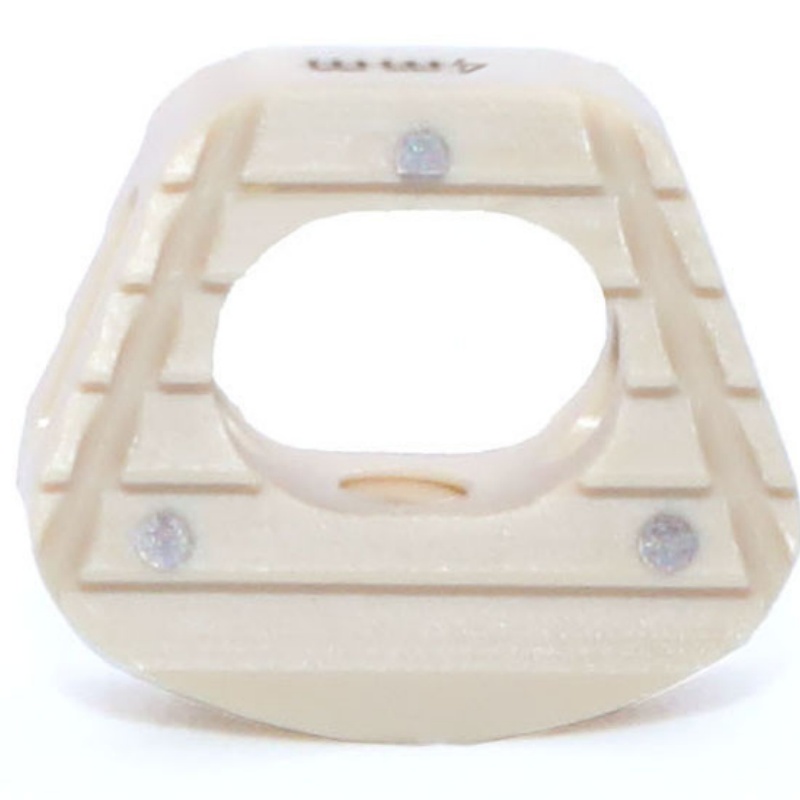
A cervical cage is a critical medical device used in spine surgery, designed to provide stability and support to the cervical spine after a discectomy or fusion procedure. Understanding the uses and benefits of cervical cages is essential for professionals involved in orthopedic manufacturing, purchasing, or healthcare. This article will address key considerations such as the application of cervical cage, how to select the right product for specific needs, common issues encountered, installation guidelines, and tips for sourcing reliable suppliers.
Understanding the Uses of Cervical Cages in Spine Surgery
Cervical cages are utilized primarily in spinal fusion surgeries to maintain the proper alignment of vertebrae and facilitate the fusion of adjacent bone structures. They serve several essential functions:
Stabilization: By filling the space left after the removal of intervertebral discs, cervical cages stabilize the spine, preventing unwanted movement and promoting healing.
Load Distribution: The design of cervical cages helps distribute the load evenly across the spinal column, reducing stress on adjacent vertebrae.
Bone Grafting: Many cervical cages are designed to accommodate bone grafts, which are critical for the fusion process. This allows for the natural healing of vertebral structures as new bone grows around the cage.
Cervical cages can be made from various materials, including titanium, PEEK (polyether ether ketone), and other biocompatible materials. The choice of material affects the cage's strength, weight, and compatibility with imaging technologies like MRI.
How to Choose the Right Cervical Cage for Your Project Needs?
Selecting the appropriate cervical cage involves several critical factors:
Material Properties: The choice between titanium and polymers like PEEK can affect biocompatibility, imaging capabilities, and overall strength. Titanium offers excellent strength and radiolucency, while PEEK provides a more elastic response similar to bone.
Dimensions and Design: The cage's size and shape must match the specific anatomical requirements of the patient. Variations in height, width, and depth can influence surgical outcomes, so it's crucial to consider the specific surgical context.
Load-Bearing Capacity: Assessing the expected load during patient recovery is vital. The cervical instrument set must withstand axial loads to prevent collapse or migration post-surgery.
Customization Options: Some manufacturers offer custom designs tailored to specific surgical requirements. Discussing your needs with suppliers can yield solutions optimized for particular surgical techniques or patient anatomies.
Regulatory Compliance: Ensure that the cervical cages meet relevant certifications such as ISO13485 and CE marking, indicating adherence to quality management systems and safety standards.
When requesting a quotation, provide detailed specifications including material, dimensions, and any required certifications to ensure accurate pricing and lead times.
Common Problems with Cervical Cages and Effective Solutions
Despite their effectiveness, cervical cages can present several challenges:
Migration: One common issue is the migration of the cage post-implantation. To address this, ensure the cage design includes features that enhance grip within the vertebral body, such as spikes or grooves.
Non-fusion: In some cases, the fusion may not occur as expected, which can be attributed to insufficient bone graft material or inadequate stabilization. Using cages that facilitate bone growth and offer proper space for grafting can mitigate this risk.
Infection: As with any surgical implant, there is a risk of infection. Choosing materials with antimicrobial properties or coatings can help reduce this risk. Additionally, proper surgical techniques and post-operative care protocols are essential.
Hardware Failure: Occasionally, surgical hardware can fail due to stress or improper placement. To avoid this, thorough pre-operative planning and intra-operative verification of placement are crucial.
Installation Guidelines for Cervical Cages in Clinical Settings
Successful installation of cervical cages requires careful adherence to surgical protocols:
Pre-operative Assessment: Conduct thorough imaging studies to assess the cervical anatomy and determine the optimal cage size and type.
Surgical Technique: A trained surgeon must follow standardized protocols for discectomy and cage implantation to ensure proper placement within the intervertebral space.
Verification of Fit: After selecting a cage, verify its fit intra-operatively. Ensure that the cage is seated properly and does not protrude beyond the vertebral body to prevent complications.
Post-operative Monitoring: After surgery, monitor the patient for signs of complications and ensure that follow-up imaging is conducted to confirm proper cage placement and evaluate fusion progress.
Patient Education: Inform patients about post-operative care, restrictions, and signs of potential complications to enhance recovery.
Where to Find Reliable Suppliers of Cervical Cages?
Finding trustworthy suppliers of cervical cages is crucial for ensuring quality and reliability:
Industry Certifications: Look for manufacturers with ISO13485 and CE certification, as these indicate compliance with international quality management systems and safety standards.
Experience and Reputation: Evaluate potential suppliers based on their experience in the orthopedic implant market. Companies like Aoyujian Medical, with a focus on orthopedic implants and a presence in 45 countries, are often trusted partners.
Custom Manufacturing Capabilities: Suppliers that offer customization can provide solutions tailored to specific surgical needs, enhancing the fit and effectiveness of the implants.
Technical Support: Choose suppliers that provide comprehensive technical support, including guidance on product selection, installation, and post-operative care.
Sample Approval Process: Before committing to a large order, request samples for evaluation. This allows for verification of quality, fit, and performance under actual surgical conditions.
By considering these factors and prioritizing reliable partnerships, you can ensure the successful procurement of cage cervical peek that meet clinical needs and enhance patient outcomes.