
 EN
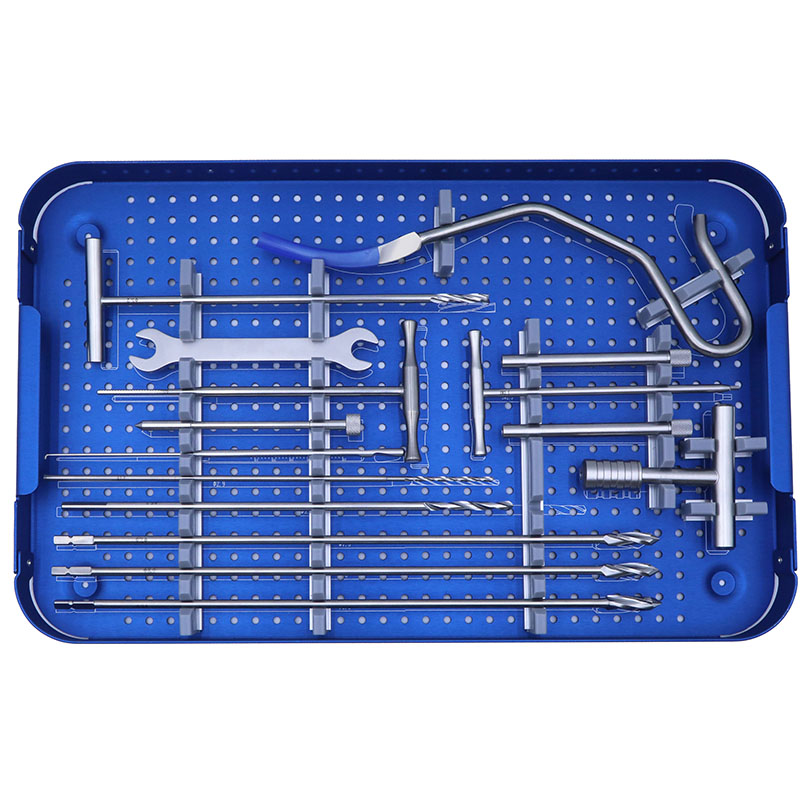
Custom Titanium Plate Solutions for Specialized Surgical Needs are crucial components in orthopedic procedures, ensuring durability and biocompatibility in challenging environments. As a B2B buyer, your primary concerns likely revolve around the quality, specifications, and customization options of these plates, alongside understanding cost factors and installation guidance. This article aims to provide you with a comprehensive understanding of selecting, comparing, and implementing custom titanium plate for surgery solutions tailored to specialized surgical requirements.
How to Choose Quality Titanium Plates for Your Projects?
When selecting titanium plates for surgical applications, several critical factors should be considered. First, assess the grade of titanium, typically Grade 5 (Ti-6Al-4V), which is known for its excellent strength-to-weight ratio and corrosion resistance. The thickness and dimensions of the surgery titanium plates must align with the specific surgical needs, which can vary based on patient anatomy and the type of procedure being performed.
Another important consideration is the surface treatment of the titanium plates. Options such as anodizing or sandblasting can enhance biocompatibility and reduce friction during implantation, which is vital for patient recovery. Additionally, ensure that the manufacturer adheres to ISO13485 and CE certifications, as these indicate compliance with international quality management standards for medical devices.
Lastly, customization capabilities are essential. Many surgical applications require tailored dimensions or specific features to accommodate unique anatomical needs. Communicating your requirements clearly to the manufacturer can help ensure that the final product meets your expectations.
Comparing Titanium Plate Solutions for Specialized Surgical Needs
When comparing various titanium plate solutions, it’s essential to evaluate several key aspects. Start by looking at the mechanical properties of the titanium bone plate, such as tensile strength and elongation. These properties directly impact the plate's performance under stress and its ability to integrate with bone structures.
Next, consider the manufacturing process. Plates produced through advanced techniques such as additive manufacturing (3D printing) can offer greater design flexibility and potentially lower lead times compared to traditional machining methods. However, it's crucial to verify the manufacturer’s quality control processes to ensure that the end product meets the required specifications.
Additionally, take into account the supplier’s experience in exporting to various markets, as this can provide insight into their reliability and ability to meet international standards. A supplier like Aoye, with experience in multiple countries, can assure you of their capability to deliver quality products consistently.
Understanding the Cost Factors of Custom Titanium Plates
The cost of custom titanium plates can be influenced by several factors. The choice of titanium grade significantly affects pricing, with higher-grade materials typically commanding a premium due to their superior properties. The complexity of the design also plays a critical role; intricate designs requiring advanced manufacturing techniques may lead to higher production costs.
Moreover, the quantity ordered can impact the cost per unit. Many suppliers have minimum order quantities (MOQ) that dictate pricing structures. When placing a larger order, the total cost may decrease, but it's essential to balance this with your actual needs to avoid excess inventory.
Finally, shipping and handling fees can add to the overall expense. Understanding the logistics involved and discussing potential shipping methods with your supplier can help you manage these costs effectively.
Installation Guidance for Custom Titanium Plate Solutions
Proper installation of custom titanium plates is vital to ensuring their effectiveness in surgical procedures. Before installation, it's crucial to review the surgical plan and confirm that the plates meet the required specifications. This includes checking for proper dimensions, surface finish, and any unique features necessary for the procedure.
During installation, adhere to best practices in surgical techniques to avoid complications. For instance, ensure that the plates are positioned correctly to facilitate optimal bone healing and load distribution. It may also be beneficial to conduct a trial fitting of the plates before the final placement to identify any potential issues.
Post-surgery, continuous monitoring is essential to assess the integration of the plates with bone structures. This includes regular follow-ups with imaging studies to ensure that the plates are functioning correctly and that there are no signs of complications.
Common Problems with Titanium Plates and Their Solutions
While titanium plates are generally reliable, several common issues may arise. One of the most frequent problems is improper integration with bone, which can lead to plate failure. To mitigate this risk, ensure that the plates are designed to match the specific anatomical requirements of the patient. Additionally, a thorough understanding of the surgical technique is vital for proper installation.
Another potential issue is corrosion, although titanium is highly resistant to oxidation. However, exposure to certain environments or improper cleaning practices can lead to degradation. Following manufacturer guidelines for sterilization and maintenance can help extend the life of the plates.
Finally, buyers should be aware of the possibility of mechanical failure due to stress or fatigue over time. Regular monitoring and assessing the load-bearing capacities of the plates during follow-up visits can help identify any early signs of failure, allowing for timely intervention.