
 EN
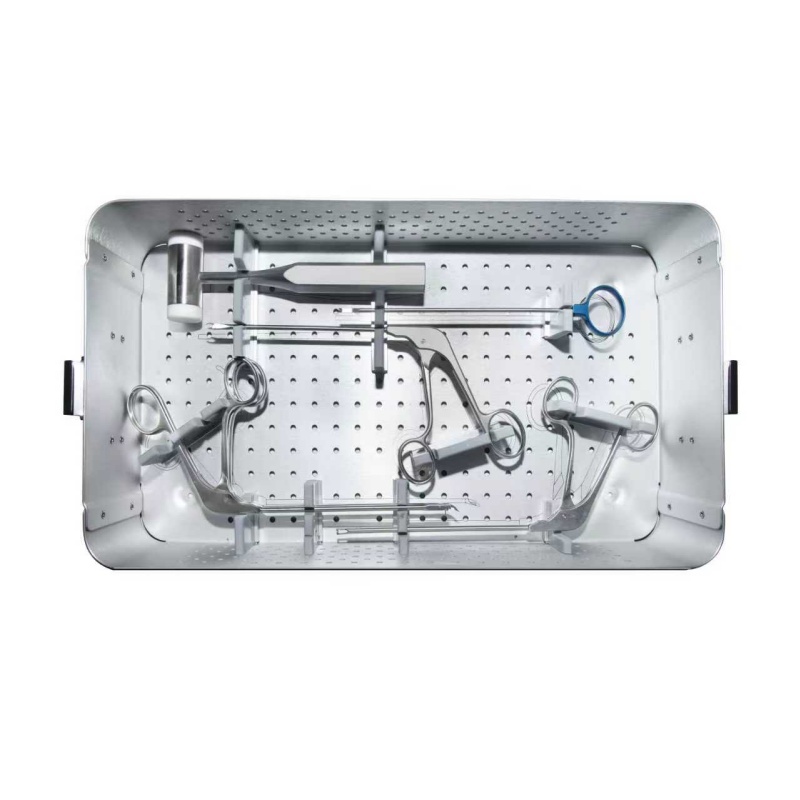
Choosing the right arthroscopy instruments for hospitals and clinics is a critical task that can significantly impact surgical outcomes and patient care. With various options available, buyers must navigate specifications, quality, and cost to find the most suitable instruments for their needs. This article will guide purchasing managers, hospital administrators, and medical professionals on how to choose arthroscopy instruments effectively, addressing common concerns and providing practical advice for informed decision-making.
Comparing Wholesale Options for Quality Arthroscopy Instruments
When purchasing arthroscopy instruments, evaluating wholesale options is paramount. Buyers should consider the reputation of the manufacturer, the materials used, and the range of instruments offered. For instance, Aoyujian Medical, an ISO13485/CE certified manufacturer, provides a variety of quality orthopedic instruments suitable for trauma, spine, and sports medicine applications.
Buyers should compare different suppliers based on product specifications, such as precision, durability, and design. Instruments should be made from high-grade stainless steel or titanium, as these materials offer superior strength and resistance to corrosion. Additionally, assessing the supplier's quality control processes can provide insights into the bone drill machine consistency and reliability of the instruments.
Pricing is another essential factor. While lower prices may seem attractive, they can sometimes indicate inferior quality or inadequate support. It’s advisable to obtain samples for evaluation before committing to bulk orders, ensuring that the instruments meet clinical standards and perform as expected in actual surgical environments.
Installation Guidance for Efficient Use of Arthroscopy Equipment
Proper installation and setup of arthroscopy instruments are crucial for their effective use in surgical procedures. Ensure that the surgical team is trained in the correct handling and usage of the instruments to avoid complications during surgery. Aoyujian Medical offers detailed installation guidance and user training, which can be beneficial for hospitals and clinics looking to optimize their surgical operations.
Buyers should confirm that instruments are compatible with existing surgical equipment and that they meet specific operational requirements. For example, the proper alignment of the arthroscope and the orthopedic drill bit instruments is vital for clear visualization and accurate performance. Hospitals should consider conducting trial runs to familiarize the surgical team with the equipment and troubleshoot any potential issues prior to actual procedures.
Additionally, it's important to develop a maintenance schedule for the instruments to ensure they remain in optimal working condition. Regular checks for wear and tear, along with appropriate sterilization processes, can extend the lifespan of the instruments and improve patient safety.
Understanding Cost Factors When Purchasing Arthroscopy Instruments
Cost factors play a significant role in purchasing arthroscopy instruments. While the initial price is important, buyers must also consider long-term expenses, such as maintenance, replacement parts, and possible repairs. Factors affecting the overall cost include:
Material Quality: Instruments made from high-quality materials like surgical stainless steel typically come at a higher price but offer better longevity and performance.
Customization Needs: If specific instruments are needed for unique procedures, customization can increase costs. However, tailored instruments often enhance surgical efficiency and outcomes.
Supplier Reputation: Established manufacturers like Aoyujian Medical may charge more due to their quality assurance processes and proven track record, which can lead to cost savings in the surgical drill bits long run by reducing failure rates and complications.
Bulk Discounts: Purchasing larger quantities can provide significant savings. Buyers should inquire about minimum order quantities (MOQ) and negotiate pricing to achieve the best deal.
Understanding these factors allows buyers to make informed decisions that align with their budget while ensuring they acquire high-quality instruments that meet their surgical needs.
Applications of Arthroscopy Instruments in Modern Medical Practice
Arthroscopy instruments are integral to minimally invasive surgical procedures, allowing surgeons to diagnose and treat joint problems with reduced patient recovery time. Common applications include:
Knee Surgery: Instruments such as arthroscopes and shavers are used to repair torn ligaments and remove damaged cartilage.
Shoulder Surgery: The shoulder joint can be treated through arthroscopic techniques to address rotator cuff injuries and impingement syndromes.
Ankle and Wrist Procedures: Arthroscopy can be employed to evaluate and treat joint issues in the extremities, aiding in quicker recovery and less postoperative pain.
Each application requires specific instruments tailored to the procedure's demands. Buyers should ensure that the equipment they select is designed for the intended surgical outcome and that it meets the necessary regulatory standards for safety and effectiveness. Aoyujian Medical's diverse product line caters to various orthopedic applications, making it easier for hospitals and clinics to find the right instruments.
How to Streamline Bulk Orders of Arthroscopy Instruments for Hospitals?
Streamlining bulk orders of arthroscopy instruments involves a structured approach to meet hospital needs efficiently. Here are several steps to consider:
Assessing Needs: Conduct a thorough assessment of the surgical department’s requirements, including the types and quantities of instruments needed for upcoming procedures.
Supplier Engagement: Establish a strong relationship with suppliers like Aoyujian Medical. Open communication helps clarify expectations, delivery schedules, and customization options.
Order Management: Utilize inventory management software to track usage rates and reorder points. This helps avoid stock shortages and ensures that the hospital always has the necessary instruments on hand.
Quality Checks: Before finalizing bulk orders, ensure that quality checks are performed on samples. This can help identify any potential issues before large quantities are delivered.
Negotiation: Leverage order volumes to negotiate better pricing and payment terms. Suppliers may offer discounts for larger commitments, which can lead to substantial savings over time.
By following these steps, hospitals can enhance their procurement processes for arthroscopy instruments, ensuring they have the right tools available when needed while managing costs effectively.
Table of Contents
- Comparing Wholesale Options for Quality Arthroscopy Instruments
- Installation Guidance for Efficient Use of Arthroscopy Equipment
- Understanding Cost Factors When Purchasing Arthroscopy Instruments
- Applications of Arthroscopy Instruments in Modern Medical Practice
- How to Streamline Bulk Orders of Arthroscopy Instruments for Hospitals?