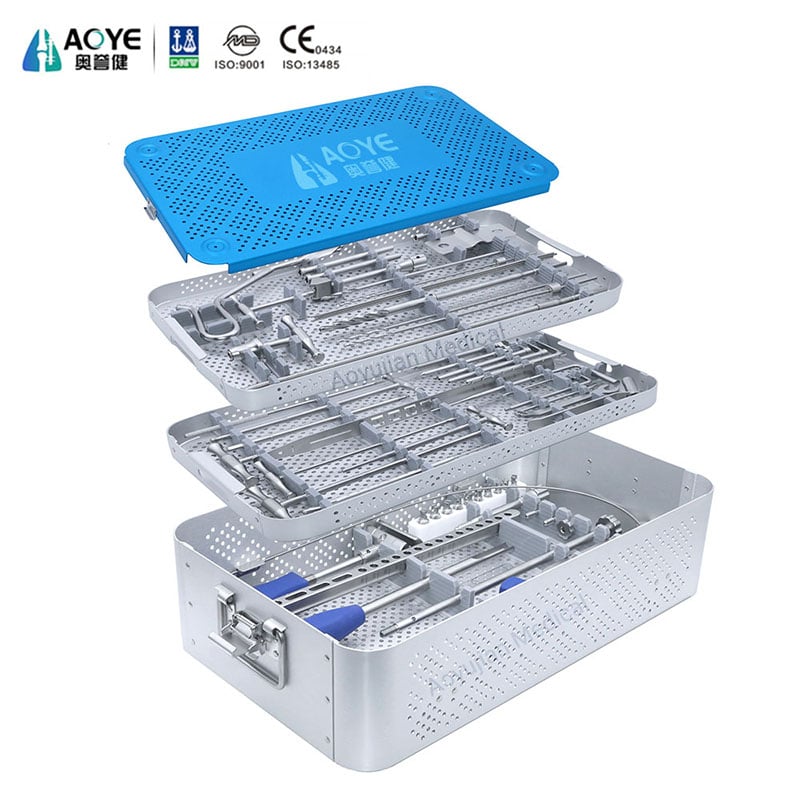
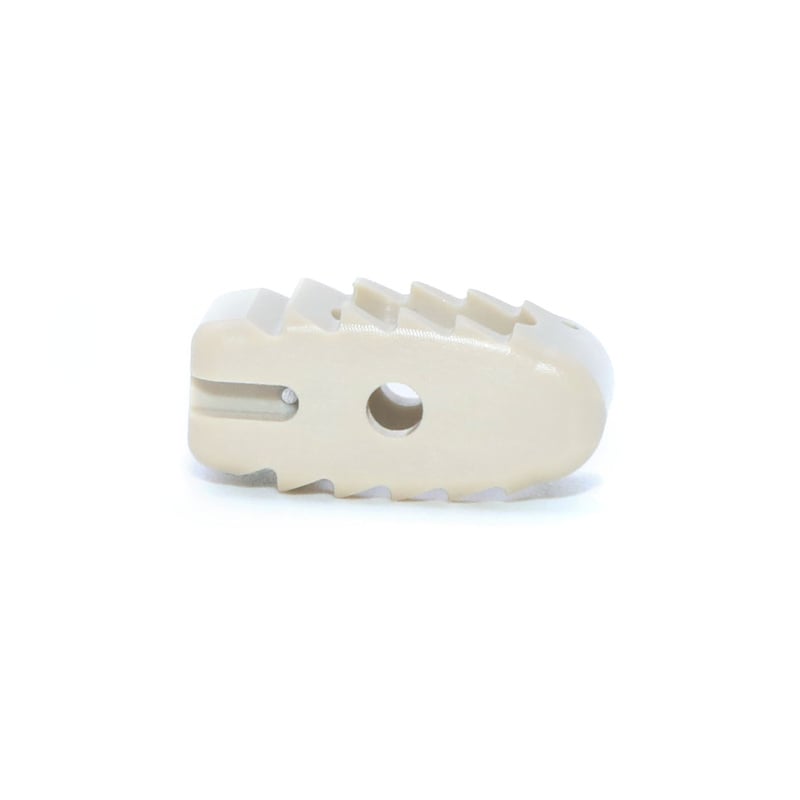
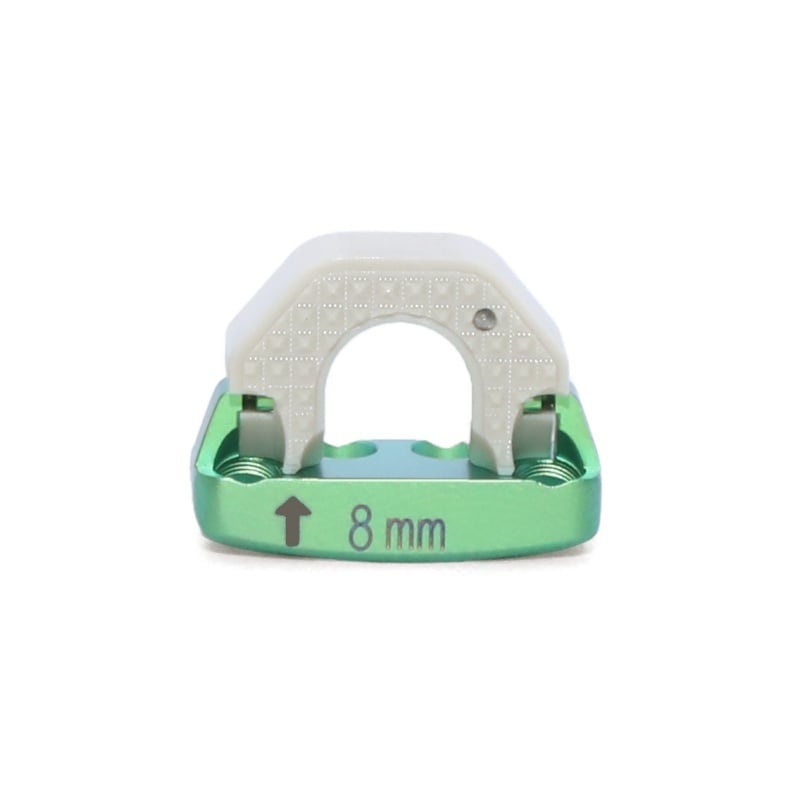
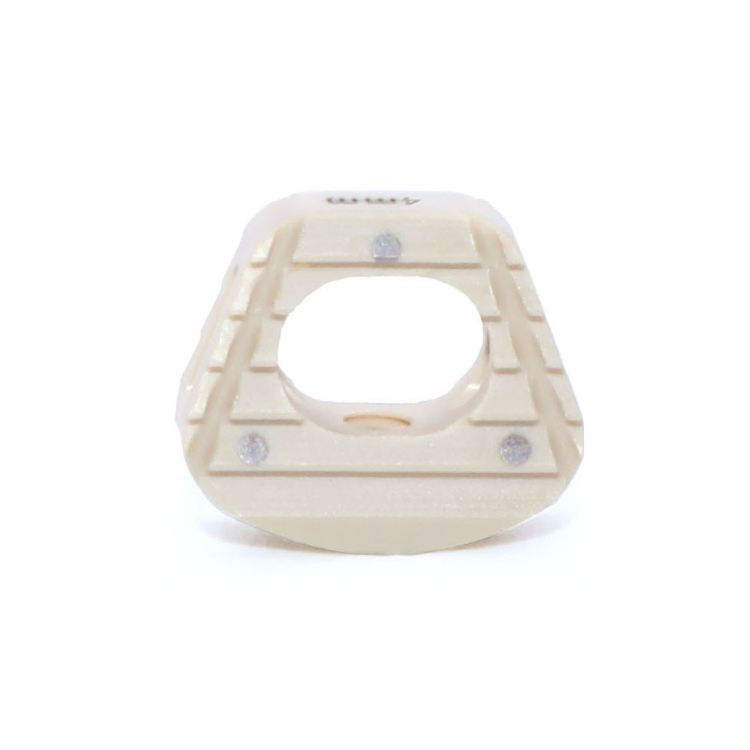
Bone drill machines are essential tools in orthopedic surgery, utilized for drilling precise holes in bone during procedures such as implant fixation. For purchasing managers and distributors, understanding the specifications, quality evaluation, cost factors, and common issues related to these machines is crucial. This article aims to provide practical insights into Aoye bone saw orthopedic, helping buyers make informed decisions before placing bulk orders.
When evaluating bone drill machines, several key specifications are essential for ensuring optimal performance during surgical procedures.
Drill Speed: Measured in revolutions per minute (RPM), the drill speed affects the cutting efficiency and precision. Higher RPM can improve cutting but may generate more heat, potentially damaging bone tissue.
Torque: Adequate torque is necessary for penetrating hard bone without stalling. Buyers should ensure that the Aoye orthopedic bone saw torque settings are adjustable to accommodate different bone densities.
Bit Compatibility: The machine should support various drill bit sizes and types, allowing versatility in applications. Common bit sizes typically range from 2.0mm to 8.0mm, depending on the surgical needs.
Ergonomics: A lightweight design with ergonomic handles reduces fatigue for surgeons during prolonged procedures.
Material Quality: Machines should be constructed from high-grade stainless steel or aluminum to ensure durability and resistance to sterilization processes.
Certifications: Ensure the machine meets international standards, such as ISO13485 and CE certification, which indicate compliance with quality management systems in medical device manufacturing.
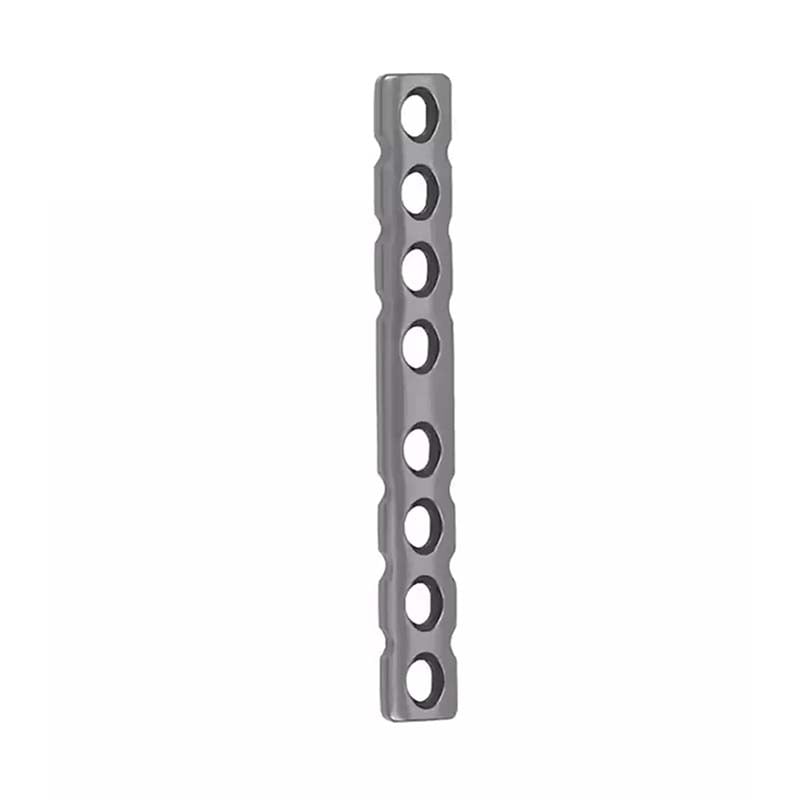
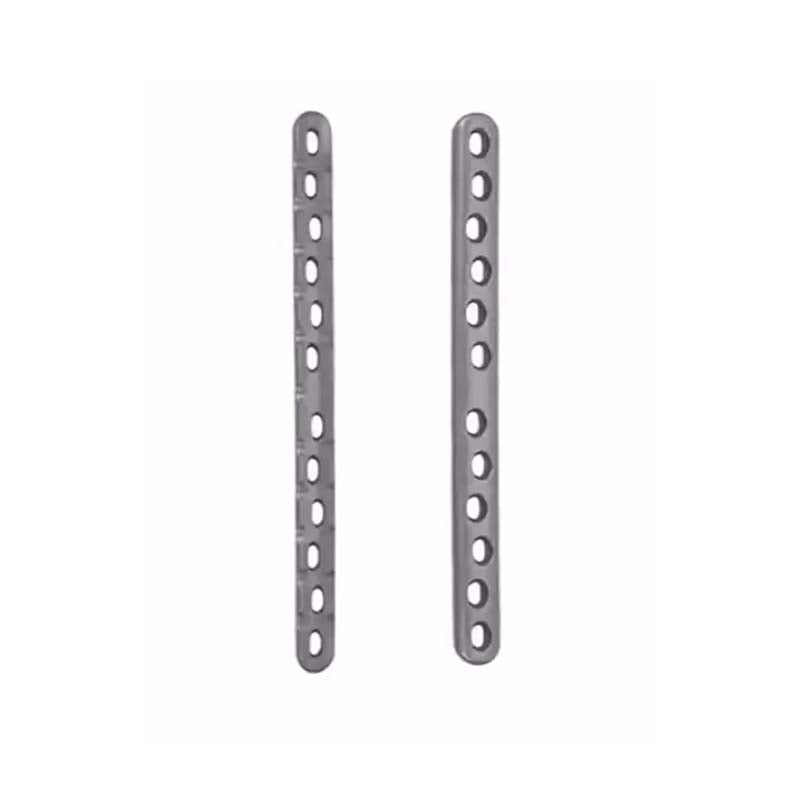
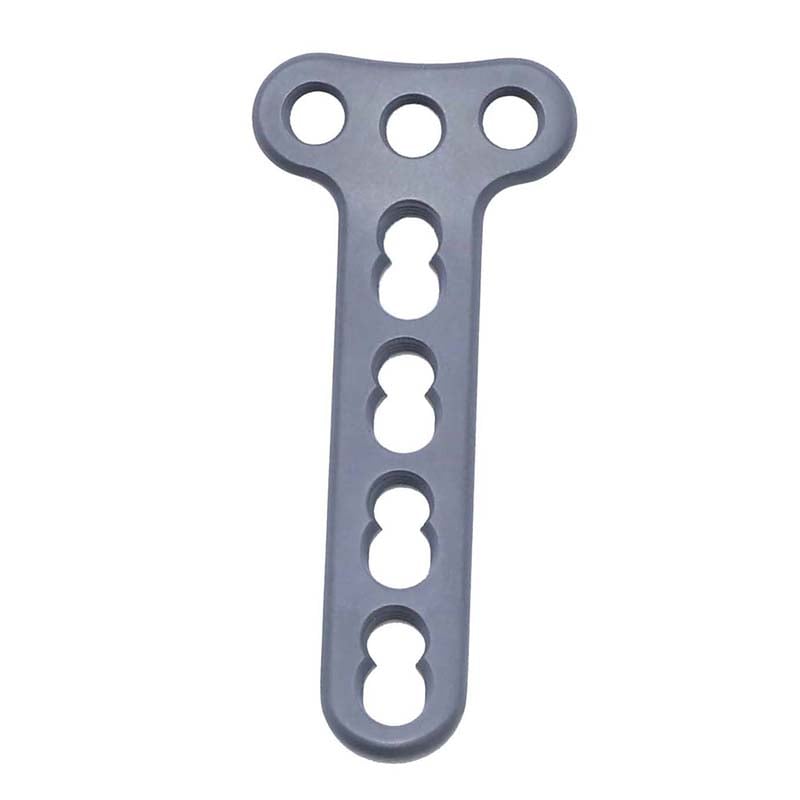
Understanding these specifications of Aoye titanium bone plate can help buyers select machines that meet their operational requirements and improve surgical outcomes.
Quality evaluation of bone drill machines involves several critical steps:
Material Verification: Buyers should confirm that the machine is made from high-quality materials that resist corrosion and wear. Stainless steel is often preferred for its strength and biocompatibility.
Performance Testing: Requesting performance data, including successful trials and feedback from previous users, provides insights into the machine's reliability in clinical settings.
Manufacturer Reputation: Researching the manufacturer’s background, including their experience in orthopedic tools and certifications, can gauge trustworthiness. Aoyujian Medical, for example, is an established manufacturer with a solid reputation in orthopedic implants and instruments.
Quality Control Processes: Inquire about the quality control measures in place during production. Robust processes should include inspections at various stages, from raw material sourcing to final assembly.
User Feedback: Collecting testimonials or reviews from other medical professionals can highlight strengths and weaknesses in the machine's performance.
By following these evaluation steps, buyers can ensure they invest in reliable and high-quality bone drill machines.
When considering bulk orders of bone drill machines, several cost factors should be evaluated:
Unit Price: The base price of each machine can vary significantly based on features, materials, and manufacturer. Buyers should obtain quotes from multiple suppliers to compare costs effectively.
Minimum Order Quantity (MOQ): Different manufacturers may have varying MOQs, which can impact overall pricing. Understanding these requirements helps buyers manage budgets efficiently.
Shipping and Handling: Shipping costs can add a significant amount to the total order cost, especially for international shipments. Ensure to factor in duties and taxes that may apply.
Customization Fees: If specific adaptations or branding are needed, these may incur additional costs. It's essential to clarify customization options and associated fees with suppliers.
Warranty and Support Costs: Consider any potential costs related to warranties or additional support services. A longer warranty period may indicate greater confidence in the product's durability.
By thoroughly analyzing these cost factors, buyers can make informed financial decisions regarding bulk orders.
While bone drill machines are critical surgical instruments, they may encounter several common issues:
Overheating: Excessive heat generation can compromise the bone and affect surgical outcomes. To mitigate this, ensure that the drill has a cooling mechanism or use appropriate drill speeds to minimize heat buildup.
Bit Breakage: Using the wrong bit size or applying excessive force can lead to bit breakage. Buyers should ensure that the bits used are compatible with the machine's specifications and suitable for the bone type being drilled.
Calibration Issues: Inaccurate drilling can result from improper calibration. Regular maintenance checks should be scheduled to ensure that machines remain accurately calibrated for precise drilling.
Electrical Failures: Malfunctions may occur due to electrical issues. Ensuring that the machine is designed with high-quality electrical components and offers secure connections can help avoid these failures.
Sterilization Resistance: Machines must withstand repeated sterilization cycles without degradation. Verify that the materials used can endure the required sterilization processes.
Understanding these common problems, along with their solutions, can help buyers minimize potential disruptions in surgical procedures.
When preparing to purchase bone drill machines, consider following this structured approach:
Define Requirements: Clearly outline the specifications needed based on surgical applications and expected usage frequency.
Research Suppliers: Investigate potential manufacturers, focusing on their experience, product offerings, and market reputation.
Request Quotations: Send out requests for quotations to selected suppliers, ensuring to provide them with detailed specifications and quantities for accurate pricing.
Evaluate Samples: Request samples for testing before finalizing orders. Assess the performance of the sample under real operating conditions to ensure it meets all expectations.
Negotiate Terms: Discuss payment terms, warranties, and support services with the supplier to ensure a comprehensive understanding of the purchase.
Place Order: Once satisfied, proceed with placing the order, keeping all agreed terms documented for reference.
Quality Inspection: Upon receiving the machines, conduct a thorough quality inspection to verify compliance with the specifications before deployment.
By following this step-by-step approach, buyers can streamline the purchasing process, ensuring they acquire machines that meet their operational and clinical needs.
Aoyujian Medical Technology provides trusted orthopedic solutions, high-quality implants, OEM/ODM services, and global shipping for hospitals & distributors.
No. 2 Changting Road, Gehu Farm, Wujin Economic Development Zone, Changzhou, Jiangsu, China
Copyright © Aoyujian Medical Technology (Changzhou) Co., Ltd. All Rights Reserved - Privacy Policy - Blog
 EN