
 EN
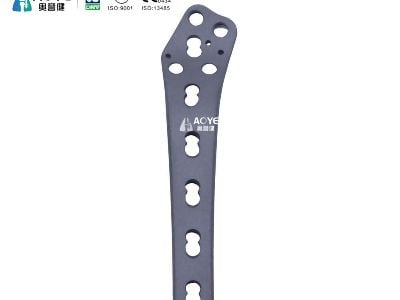
Retrograde Femoral Nailing is an important procedure for the treatment of distal femur fractures, a condition that can cause significant pain and disability in patients. In many cases, retrograde femoral nailing guides care for distal femur fractures and supports early mobility with reliable orthopedic implants. This approach can reduce pain and improve function for patients. In this article, we will discuss key best practices, details of retrograde femoral retrograde femoral nailing systems, and issues that may arise during the process. For suppliers and buyers, clear information on implant features helps make safer choices. This information will be helpful to purchasing manager, distributors, and other professionals interested in purchasing orthopedic implants from trusted suppiers like Aoyujian Medical.
Best Practices for Retrograde Femoral Nailing in Distal Femu Fractures
Best practices for retrograde femoral nailing begin with proper evaluation of the patient and the condition of the bone. In many cases, doctors should review imaging, history, and rehab goals to support distal femur fracture care. Proper diagnosis and surgical planning are essential to ensure a successful outcome. A well chosen implant and careful placement help ensure long term orthopedic implant performance and reduce revision risk. The anatomical alignment of the femur and the position of the screws must be considered to avoid complications in the post-operative phase.
Specifications to Consider for Retrograde Femoral Nailing Systems
When choosing a retrograde femoral nailing system, it is important to consider technical details such as the material, size, and design of the implants. In addition, buyers should look at supply reliability and after sale support from local suppliers to ensure timely availability for distal femur fracture care. Imaging compatibility and hip intramedullary nailing response can be influenced by the finish and alloy choice. Common materials used are titanium and stainless steel, both of which offer durability and biocompatibility. The size of the nail should match the patient's anatomical measurements to ensure proper fit and performance.
Evaluating Supplier Reliability for Orthopedic Implant Purchases
Choosing a reliable supplier for orthopedic implants is essential to ensure the quality and effectiveness of the products. A careful check of supplier reliability should include inquiries about delivery times, traceability, and after-care service. The supplier's certifications, such as ISO13485 and CE certification, should be checked, which prove their compliance with international standards for product quality. In addition, the supplier's reputation in the industry and their experience in exporting to different countries are important aspects to consider.
Common Problems in Retrograde Femoral Nailing and Their Solutions
There are several common problems that can arise with retrograde femoral nailing, which can affect the success of the surgery. Understanding common problems in distal femur flexible nail femur helps surgeons plan better and informs suppliers about tool needs for retrograde femoral nailing. One example is improper positioning of the nail, which can cause improper alignment of the bone. To avoid this, it is important to follow proper surgical technique and use imaging guidance during the surgery. Experienced teams use fluoroscopy and navigation to improve accuracy and reduce infection risk.
Installation Guidance for Retrograde Femoral Nails in Clinical Settings
The installation of retrograde femoral nails should be performed under proper clinical conditions. A clear protocol helps maintain consistent results for distal femur care and retrograde nail placement. It should only be performed by qualified orthopedic surgeons with sufficient experience in this technique. In hospitals, teams prepare specific rooms and check patient safety and equipment readiness before the procedure. Before starting the operation, the surgeon should create a detailed pre-operative plan that includes imaging studies to assess the patient's anatomical structure.
Overall, retrograde femoral nailing is an advanced procedure that requires proper training, equipment, and processes to ensure successful results. A clear study of retrograde femoral nailing methods supports safer patient care and helps buyers assess supplier reliability for implants used in distal femur fractures. By understanding the best practices, technical details, and potential pitfalls, it is easier for healthcare professionals and purchasing managers to make informed decisions in their operations and purchases.
Table of Contents
- Best Practices for Retrograde Femoral Nailing in Distal Femu Fractures
- Specifications to Consider for Retrograde Femoral Nailing Systems
- Evaluating Supplier Reliability for Orthopedic Implant Purchases
- Common Problems in Retrograde Femoral Nailing and Their Solutions
- Installation Guidance for Retrograde Femoral Nails in Clinical Settings
- Overall, retrograde femoral nailing is an advanced procedure that requires proper training, equipment, and processes to ensure successful results. A clear study of retrograde femoral nailing methods supports safer patient care and helps buyers assess supplier reliability for implants used in distal femur fractures. By understanding the best practices, technical details, and potential pitfalls, it is easier for healthcare professionals and purchasing managers to make informed decisions in their operations and purchases.