
 EN
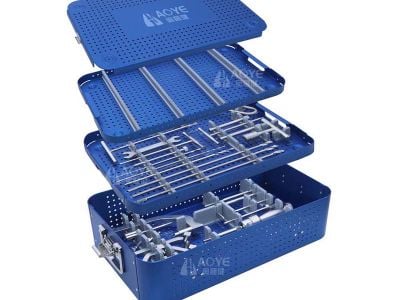
Arthroscopy instruments are specialized devices used in minimally invasive joint surgery, a procedure that allows surgeons to perform operations on joints with less damage to surrounding tissues. These arthroscopy instruments serve clinics seeking safer outcomes in minimally invasive joint surgery, guiding B2B buyers through choices on technical specifications, sourcing processes, and cost factors. In this article, we will discuss the key aspects that B2B buyers should consider, such as technical specifications, sourcing process, cost factors, and solutions to common problems related to arthroscopy instruments for minimally invasive joint surgery. The purpose of this article is to help purchasing managers, distributors, and other professionals make better purchasing decisions.
Key specifications to evaluate in arthroscopy instruments for purchase
When purchasing arthroscopy instruments, it is important to review the technical details that affect their performance. These technical details influence how easily surgeons access the joint and how accurately the instruments work, affecting performance, ease of use, and accuracy. Some of the key specifications to pay attention to are:
Materials: Instruments made of high-quality materials such as stainless steel are more durable and do not rust easily. The materials should not only be durable but also biocompatible to avoid any adverse reactions in the patient's body.
Dimensions and Design: The correct size and design of these instrument of general surgery are important. The right dimensions also help reduce tissue damage and improve control, to ensure easy and accurate use within the joint. Ergonomics should be considered to facilitate the operation and reduce surgeon fatigue.
Certification: The presence of ISO13485 and CE certifications demonstrates the quality and reliability of the products. These certifications should be checked to ensure that the instruments being shipped comply with international standards.
These technical details not only affect the operation but also the patient's safety, so it is important to review them before purchase. Quality and safety are essential for all steps, including pre-use checks and final selection.
Sourcing arthroscopy instruments efficiency
The process of sourcing arthroscopy instruments can be complicated, but there are steps that can help buyers make it easier. Using a clear checklist for the sourcing process helps buyers compare supply chain options, lead times, and after-sales service. Here are some suggestions.
Finding Reliable Suppliers: Look for suppliers with a good reputation in the industry. Companies like Aoyujian Medical, which has experience in manufacturing orthopedic implants and instruments, can be a good choice. Such reliable suppliers should also offer warranty terms, clear after-sales support, and fast, open communication to align with your project timelines.
Having Good Communication: Contact suppliers to discuss specific needs and expectations. Material, design, and quantity requirements should be clearly stated.
Inspecting Samples: Before mass production, it is important to request samples to check the quality of the products. Make sure that the samples comply with the technical specifications you have set.
With these steps, the sourcing process will be easier and the purchase of the necessary instruments will be more successful. This approach helps reduce delays, defects, and misfits in the instruments.
Cost factors to assess for arthroscopy instruments in bulk orders
Ordering arthroscopy instruments in large quantities can result in lower prices, but there are factors to consider to ensure the cost is fair:
Unit Price: While the price per unit may decrease with larger orders, all additional costs such as shipping, customs duties, and taxes must be accounted for. Balancing unit price against the risk of delays or quality issues, and confirming quality control plans, helps protect the order.
Lead Time: Delivery time can be affected by order volume. Ensure that the supplier can provide a reliable lead time to avoid operational delays.
Quality Control: For bulk orders, there should be a proper quality control process to ensure that all products meet the required standards. Any quality defects can result in additional costs for repair or replacement of products.
Avoid planning mistakes by carefully analyzing these factors in your orders. A clear plan with milestones and a strong requirement list helps avoid waste and costly mistakes.
Common problems with arthroscopy instruments and effective solutions
When using arthroscopy instruments, there are some common problems that can occur. Understanding these problems in advance helps teams prepare and act quickly. Here are some of them and their possible solutions:
Lack of Durability: Instruments that are not made of high-quality materials can break mid-surgery. Regular maintenance and calibration extend tool life. To avoid this, make sure that the surgery drill instruments you purchase have passed quality checks and have the proper certification.
Improper Dimensions: Sometimes, the instruments you purchase do not match the requirements of the surgery. It is a good idea to check the dimensions and request customizations if necessary.
Damage to Instruments During Use: To prevent damage, it is important to perform regular maintenance and inspection of the instruments before and after surgery.
These problems can affect the outcome of the surgery, so proper precautions and preparation are important. Training and checklists also help reduce risk.
Material advantages of high-quality arthroscopy instruments explained
The material used to make arthroscopy instruments has a significant impact on their performance and durability. Choosing a strong material mix supports durability, performance, and long-term reliability. Here are some benefits of using high-quality materials:
Durability: Instruments made of high-quality stainless steel are more durable and can withstand the stresses of surgery. These advantages can lead to lower maintenance costs and fewer replacements. They are less likely to break during use.
Biocompatibility: Biocompatible materials do not cause adverse reactions in the patient's body, which is an important aspect of any medical device. Make sure that the instruments you purchase are made of these materials.
Ease of Sterilization: Instruments that are easy to sterilize are important to maintain hygiene and prevent infection. Make sure that the material used can withstand the sterilization methods used in your clinic or hospital.
The right material not only affects the performance of the arthroscopy instrument but also patient safety. This choice also affects shelf life and reprocessing efficiency.
Table of Contents
- Key specifications to evaluate in arthroscopy instruments for purchase
- Sourcing arthroscopy instruments efficiency
- Cost factors to assess for arthroscopy instruments in bulk orders
- Common problems with arthroscopy instruments and effective solutions
- Material advantages of high-quality arthroscopy instruments explained