
 EN
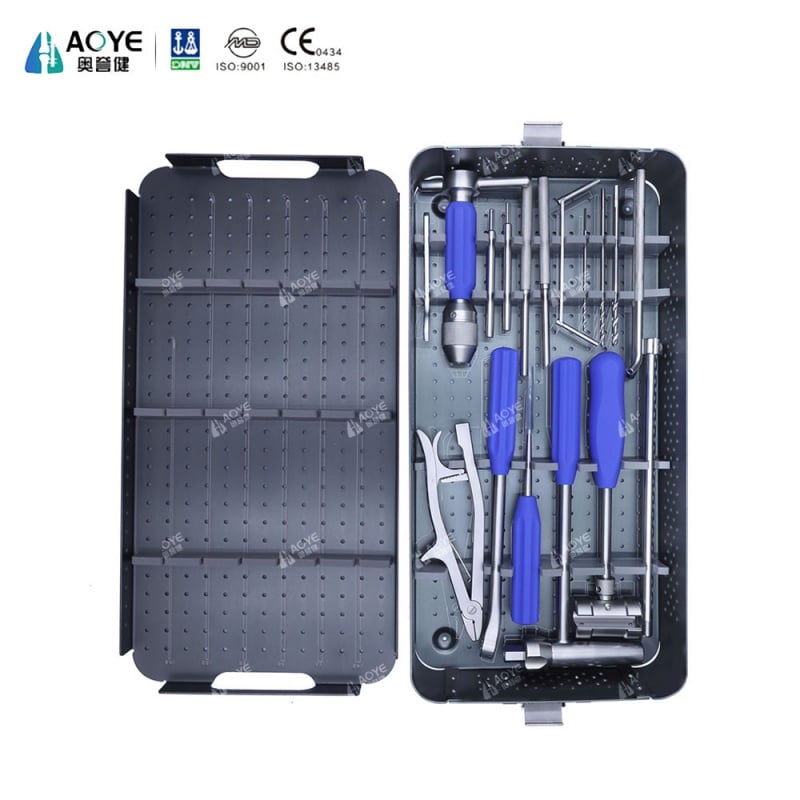
This article will discuss the key differences between Retrograde and Antegrade Femoral Nailing, two important orthopedic surgical techniques used to repair femur fractures. This practical overview also helps buyers think about cost, training, and patient flow in operation rooms. Understanding these differences will help buyers choose the right technique based on their needs. The main concerns of buyer are the effectiveness, safety, and appropriate applications of each technique. In this article you will learn the details about each technique, the options, and solutions to common problems.
What are the key differences between retrograde and antegrade femoral nailing?
Retrograde and antegrade femoral nailing are both used to straighten the femur but there are key differences in their techniques. For clinicians, the entry point and path influence joints, soft tissues, and recovery, which is why this topic matters. Retrograde and antegrade intramedullary nail are both used to straighten the femur but there are key differences in their techniques.
Antegrade femoral nailing: in this procedure the nails is inserted from the upper part of the femur. Its benefits include a lower risk of damage the nearby tissues and easier access to fractures in the upper part of the femur. However, access to lower parts of the femur can be difficult.
Retrograde femoral nailing: In contrast, this procedure involves inserting the nail from the lower part of the femur. It is usually used for fractures closer to the knee. The main advantage of this method is better access to the lower parts of the femur, but it carries a higher risk of damage to blood vessels and nerves.
Retrograde vs antegrade femoral nailing options.
When choosing between Retrograde and Antegrade femoral nailing, it is important to consider the options offered by orthopedic implants manufacturers. Hospitals and clinics weigh product support, ease of use, and spare parts as part of that choice. Aoyujian Medical, as a professional orthopedic implants manufacturer, offers a variety of options in both procedures, allowing surgeons to choose the most appropriate solutions for their patients.
The products are typically made of high-quality materials, such as titanium or stainless steel, which provides durability and safety. Choosing the right size and design helps fit many patient sizes and activity levels. The sizes and designs of the nails can be customized to suit the specific needs of the surgery. Be sure to consider these options when planning for a surgery.
Where to source reliable suppliers for femoral nailing products?
Finding a reliable supplier for femoral nailing products is an important step for hospitals and clinics. Buyers should consider the following aspects: In addition, buyers may look for long term training and service plans.
Certifications: Ensure that the supplier has the appropriate certifications such as ISO13485 and CE, which demonstrates their adherence the quality manufacturing standards.
Reputation: Look for suppliers with a good reputation in the industry. Feedback from other surgeons or hospital can help you make your decisions.
Customer Service: Good customer service is important. You should be able to easily contact and get support from the supplier if needed.
Customization: Make sure that the femur retrograde nail supplier is capable of providing customized products based on your special requirements.
Common problems in femoral nailing and effective solutions
Despite the benefits of femoral nailing, there are common problems that can occur during the procedure. Here are some issues and solutions: Being aware helps teams plan better and reduces delays.
Inadequate Nail Fit: Incorrect nail size can lead to complications. To avoid this it is important to check the nail size based on the patient’s anatomical size before surgery.
Infection: The risk of infection is always in any surgical procedure. To reduce the risk, be sure to use sterilize equipment and follow hygiene protocols.
Delayed Union or Non-union: Patients with the longer healing period may require additional intervention. Proper preoperative planning and patient monitoring can help prevent these problems.
Applications of retrograde and antegrade femoral nailing in surgery.
Both retrogade and antegrade femoral nailing are widely used in orthopedic surgery for the treatment of femur fractures. Applications includes: These methods are part of trauma care, sports medicine, and reconstructive planning.
Trauma Surgery: For patients with wounds caused by accidents, these procedures offers a quick and effective solutions to restore normal leg function.
Sports Medicine: In athletes suffering from fractures, these procedures allows for a faster return to activity.
Reconstruction Surgery: In patients requiring reconstructive surgery after serious injuries, the correct choice between retrograde femoral nailing and antegrade procedures is essential to ensure successful outcome.
Conclusion
Overall, understanding the differences between Retrograde and Antegrade Femoral Nailing is importance for both purchasers and surgeons. For buyers and clinicians, the right choice also means smoother workflow and better patient outcomes. Choosing the right procedure and supplier can help improve the health quality of life of patients.
Table of Contents
- What are the key differences between retrograde and antegrade femoral nailing?
- Retrograde vs antegrade femoral nailing options.
- Where to source reliable suppliers for femoral nailing products?
- Common problems in femoral nailing and effective solutions
- Applications of retrograde and antegrade femoral nailing in surgery.
- Conclusion