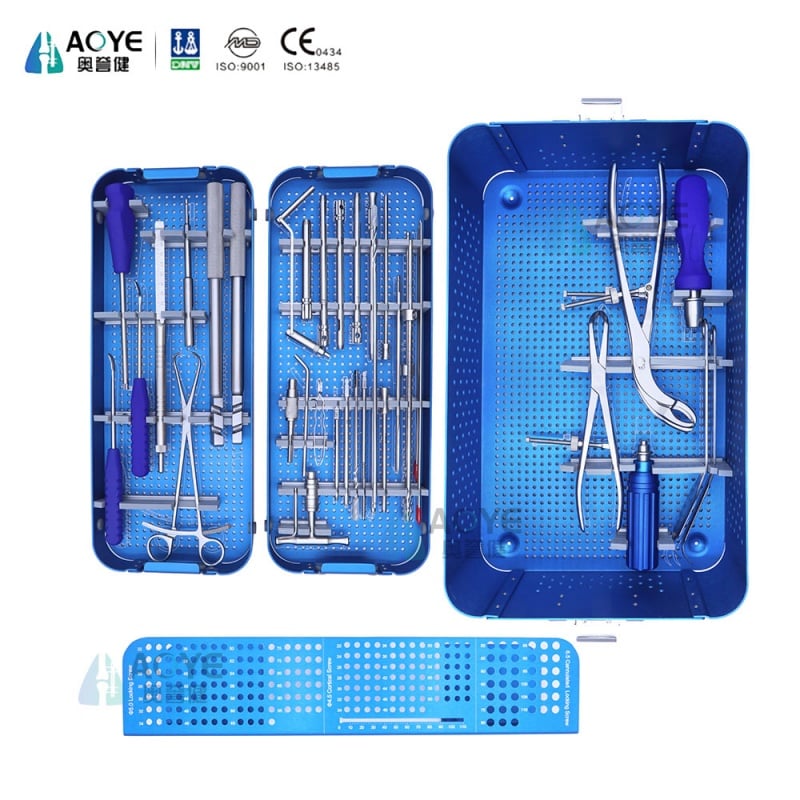
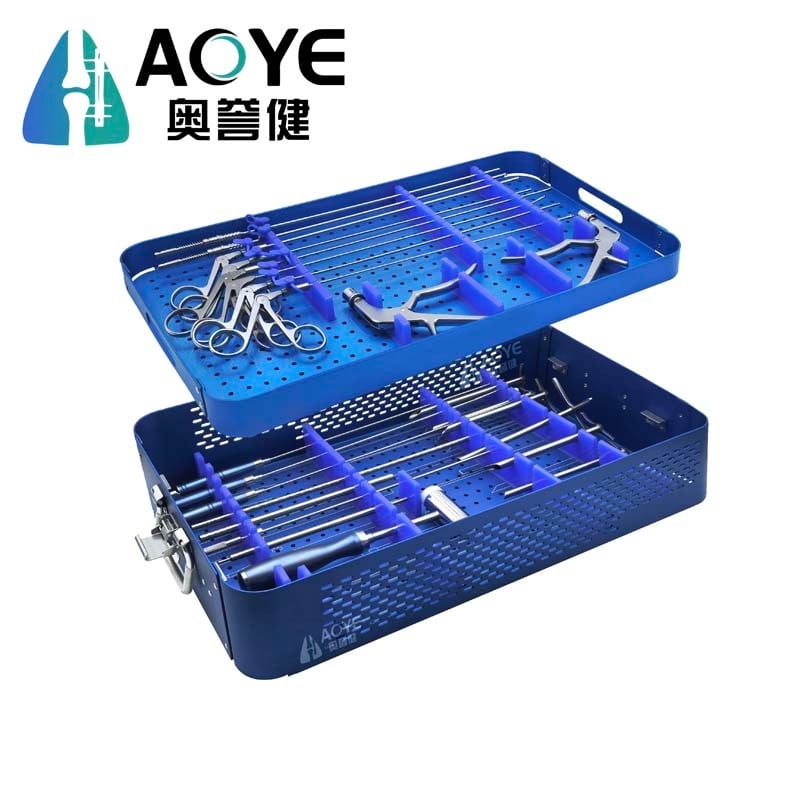
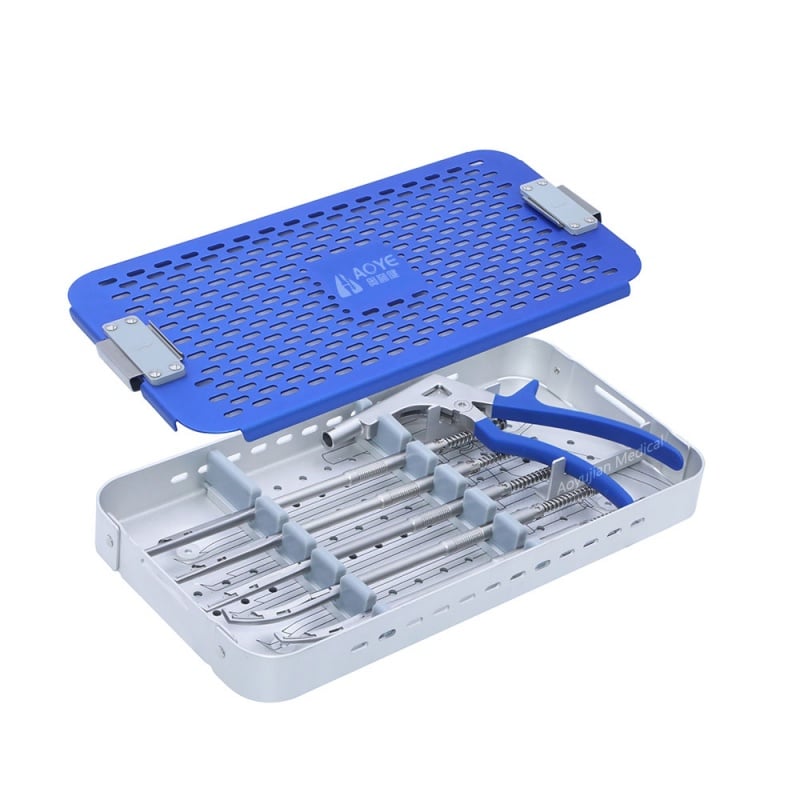
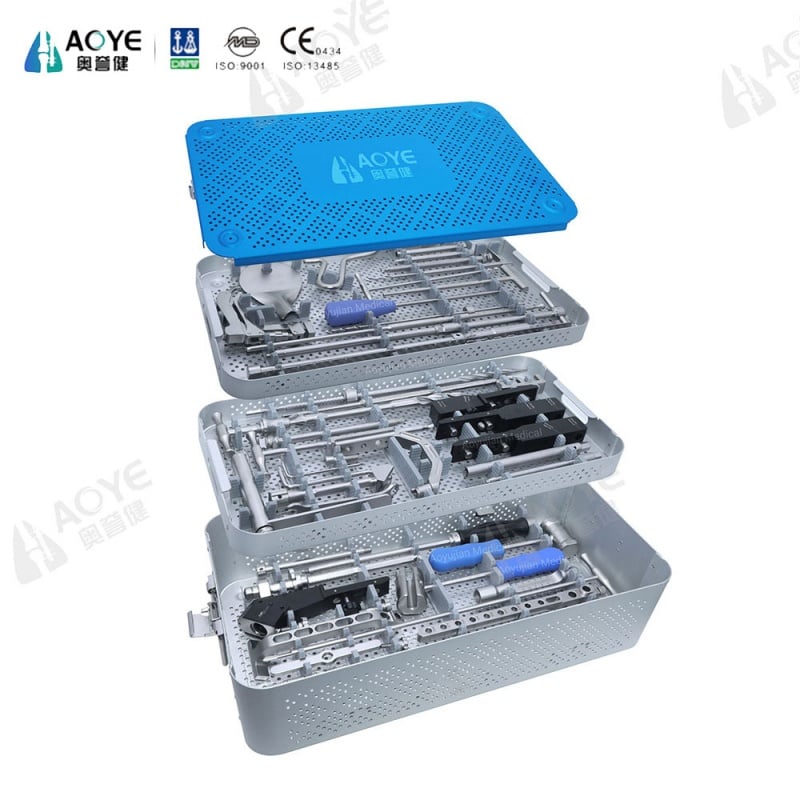
Antegrade intramedullary nails are essential orthopedic devices used for the internal fixation of fractures, particularly in long bones like the femur and tibia. As a B2B buyer, understanding the specifications and applications of these implants is crucial for making informed purchasing decisions. This article will delve into the specifications, purchasing options, applications in orthopedic surgery, installation guidance, and common issues associated with antegrade intramedullary nails. By addressing these key areas, we aim to equip purchasing managers, engineers, and medical professionals with the necessary knowledge to evaluate and procure these vital orthopedic instruments effectively.
Antegrade intramedullary nails are designed to provide stable fixation for fractures, and their specifications are critical for ensuring optimal performance. Key specifications include:
Material Composition: These nails are typically made from high-strength stainless steel or titanium alloys, offering excellent biocompatibility and resistance to corrosion. The choice of material affects the nail's strength, weight, and resistance to environmental factors.
Dimensions: Nail diameter and length must be tailored to the specific anatomy of the patient. Standard diameters usually range from 8 mm to 14 mm, while lengths can vary from 180 mm to 300 mm or more, depending on the application.
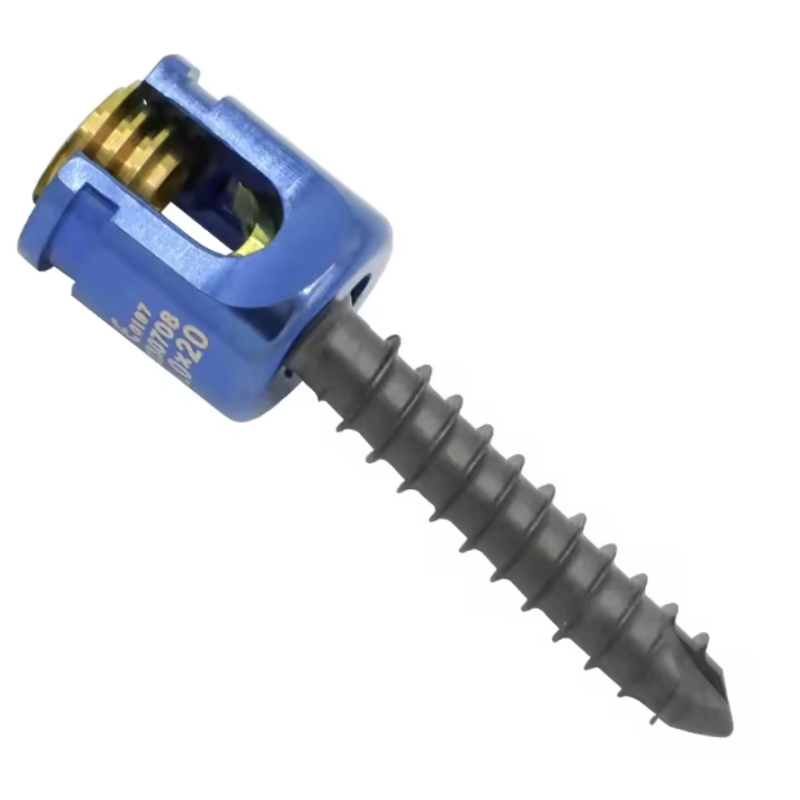
Locking Mechanisms: Many antegrade intramedullary nails feature locking screws at both proximal and distal ends. This reamed intramedullary nail design provides rotational stability and allows for better load distribution. Understanding the locking mechanism is essential for proper installation and can impact the overall success of the fixation.
Surface Treatment: Surface finishes, such as anodizing or coating, can enhance the nail's biomechanical properties, improving its integration with bone tissue and reducing the risk of complications post-surgery.
Each specification plays a vital role in the nail's performance, and buyers should ensure that these details meet the requirements of their intended applications.
When sourcing antegrade intramedullary nails, buyers have several wholesale purchasing options. Aoyujian Medical, as a professional manufacturer, offers a range of choices for bulk orders:
Minimum Order Quantities (MOQ): Understanding the MOQ is essential for budgeting and inventory planning. Typically, intramedullary interlocking nail tibia manufacturers have set minimums that can vary based on the product line and customization options.
Customization Capabilities: Many manufacturers, including Aoyujian Medical, offer customization options. Buyers can request specific dimensions, materials, or surface treatments to meet their unique needs.
Pricing Factors: Prices can vary significantly based on material, design complexity, and order volume. It is advisable to request quotations from multiple suppliers and compare them, considering factors such as the total cost of ownership and potential lead times.
Lead Times: The manufacturing lead time can affect inventory management. Buyers should inquire about standard turnaround times, especially if customization is required, as this can extend the delivery period.
By understanding these purchasing options, buyers can make informed decisions that align with their operational needs.
Antegrade intramedullary nails are primarily used in orthopedic surgery for the fixation of:
Femoral Fractures: These nails provide a stable internal fixation for proximal, mid-shaft, and distal femoral fractures, allowing for early mobilization and recovery.
Tibial Fractures: Similar to femoral applications, tibial fractures benefit from the stability provided by intramedullary nails, especially in cases of complex or comminuted fractures.
Pathological Fractures: In patients with underlying conditions, such as tumors or osteoporosis, hip intramedullary nailing can offer enhanced support and stabilization during healing.
Revision Surgeries: These nails are also used in revision cases where previous fixation methods have failed, ensuring that the new fixation is effective and durable.
Understanding these applications helps buyers evaluate the suitability of antegrade intramedullary nails for their specific surgical needs.
Proper installation of antegrade intramedullary nails is crucial for achieving desired surgical outcomes. Here are important considerations:
Preoperative Planning: Surgeons should conduct a thorough assessment of the patient's anatomy and fracture pattern. Radiographic imaging is essential for determining nail length and diameter.
Surgical Technique: The antegrade approach involves inserting the nail through the proximal end of the bone, typically utilizing fluoroscopic guidance. Surgeons should ensure that the nail is aligned correctly to avoid complications such as malunion.
Post-Installation Verification: After the nail is placed, it is vital to confirm its position using imaging techniques to ensure proper alignment and fixation before closing the surgical site.
Follow-Up Care: Postoperative monitoring is crucial to assess healing and detect any potential complications, such as infection or hardware failure.
By adhering to these guidelines, surgical teams can minimize risks and enhance patient outcomes.
While antegrade intramedullary nails are effective, certain challenges can arise:
Infection: Surgical site infections can occur post-operation. Maintaining sterile techniques during surgery and proper postoperative care can mitigate this risk.
Malalignment: Incorrect positioning of the nail can lead to malunion or non-union of the fracture. Surgeons must verify nail placement during surgery and address any misalignment promptly.
Hardware Failure: In some cases, the nail may fail due to excessive stress or inadequate bone healing. Regular follow-up and patient education about activity restrictions can help prevent this issue.
Soft Tissue Damage: Improper insertion techniques may damage surrounding soft tissues. Surgeons should be trained in proper insertion techniques to minimize this risk.
By being aware of these common issues, buyers can better prepare for potential challenges in clinical settings and ensure that their surgical teams are equipped to handle them effectively.
Aoyujian Medical Technology provides trusted orthopedic solutions, high-quality implants, OEM/ODM services, and global shipping for hospitals & distributors.
No. 2 Changting Road, Gehu Farm, Wujin Economic Development Zone, Changzhou, Jiangsu, China
Copyright © Aoyujian Medical Technology (Changzhou) Co., Ltd. All Rights Reserved - Privacy Policy - Blog
 EN