
 EN
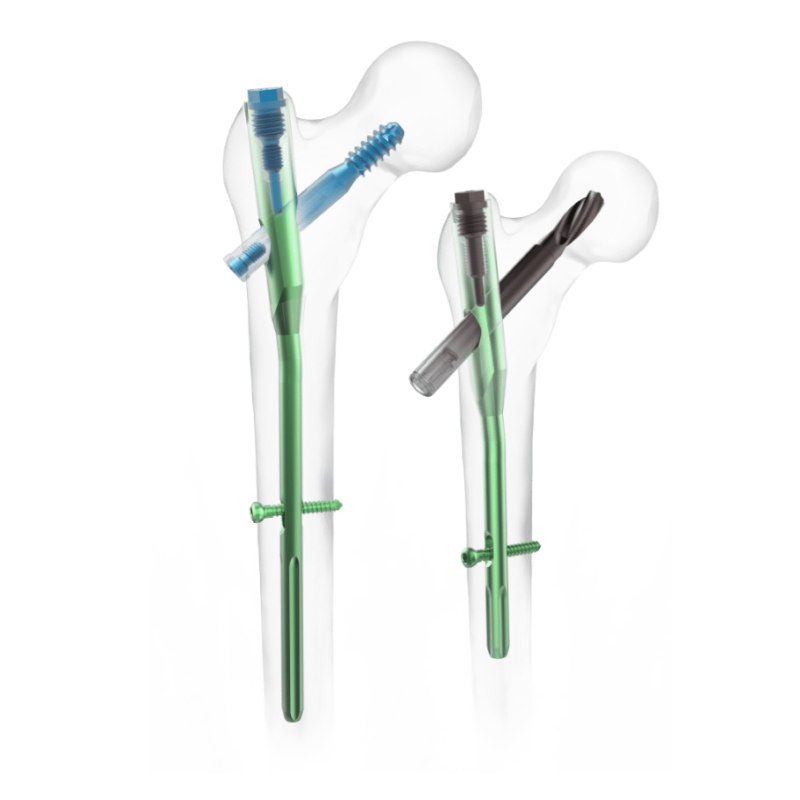
This article contains detailed and practical information about the types of femoral intramedullary nails and their applications. For clinicians and buyers, the wide range of applications of femoral intramedullary nails affects daily practice and helps hospitals plan budgets. These products are essential in orthopedic surgeries, particularly in cases of fractures. By understanding the specific needs of these implants, purchasing managers, distributors, and other professionals will be able to make better purchasing decisions. For purchasing managers, distributors, and other professionals, this knowledge can guide safer, more cost-effective choices. The article will discuss aspects such as required features, installation issues, and price factors to consider.
What to look for in femoral intramedullary nails
When selecting femoral intramedullary nails, it is important to consider several key aspects. First, the material used must be of high quality, typically made of titanium or stainless steel, to ensure durability and biocompatibility. The material choice for femoral intramedullary nail, such as titanium or stainless steel, affects durability and biocompatibility. The durability and load-bearing capacity must be appropriate for the expected stress that the implant will experience inside the body. This also influences how well the implant can support daily activities and protect surrounding tissue.
Second, you should check the dimensions and length of the nails. The correct size is important to ensure proper installation and alignment with the bone. Accurately matching dimensions helps ensure stable fixation and quicker rehabilitation. Implants that are too short or long can cause complications in the patient's recovery. Choosing the right length supports proper alignment with the bone and reduces risk of soft tissue irritation.
Third, consider technical features such as surface treatment and design features that help stabilize the bone. These allows for better integration with the bone and help speed up the healing process. Surface treatment and design features of femoral intramedullary nails can influence how well the bone integrates. These factors also help speed up healing and reduce infection risk.
Bulk order considerations for femoral intramedullary nails supply
When considering a bulk order for femoral intramedullary nails, there are a few considerations to keep in mind. First, the minimum order quantity (MOQ) should be clearly stated by the supplier. MOQ varies by manufacturer and can be affected by pricing and production capabilities. For teams planning bulk orders and bulk order considerations, clear MOQ helps budgeting and inventory planning. MOQ variations can influence how you set up contracts and ensure supply for peak times.
Second, lead times for production and delivery should be reviewed. These are important to explain to healthcare facilities the expected date of arrival of products. Knowing lead times helps operations teams schedule surgeries and avoid delays. The ability to provide rapid supply can be especially important in emergency cases. Fast delivery from reliable suppliers reduces downtime in patient care.
Third, consider packaging and shipping conditions. Proper packaging not only protects products during transportation but also provides information about expiration dates and handling instructions. Good packaging also helps keep sterile conditions and clear handling guidelines for staff. You should also ensure that the supplier has the ability to export to the countries required for your operation. Export capability from trustworthy partners means you can meet regional requirements and timelines.
Common installation problems with femoral intramedullary nails and solutions
The installation of femoral intramedullary nails can encounter several problems. Often, one issue is improper alignment of the nail in the bone, leading to improper stabilization. Using proper imaging and alignment steps helps ensure success and reduces rework. To avoid this, it is important to follow established surgical protocols and use appropriate imaging techniques such as X-ray or fluoroscopy during surgery. For hospitals, reliable guidance and experience from surgeons improve outcomes and patient safety.
Another common problem is the occurrence of postoperative complications, such as infection or non-union. To address this, surgeons must ensure that sterile technique is strictly followed and that implants are sourced from trusted suppliers who adhere to quality control standards. Postoperative care and strict sterile technique are needed to support healing. Reliable suppliers also provide traceability and quality records to support safety.
Third, installation can also be complicated if the nail is too difficult to insert. In such cases, additional surgical instruments or techniques may be needed to facilitate the process. Having the right equipment and experience is essential to avoid complications and ensure the success of the procedure. Having the right instruments, including drill guides and mallets, helps reduce stress during surgery. Experienced teams from trusted suppliers can provide support and training to ensure smooth installation.
Cost factors in purchasing femoral intramedullary nails wholesale
Many factors affect the price of femoral intramedullary nails when purchased in bulk. First, the material used to make the implants has a significant impact on the price. Titanium, for example, is more expensive than stainless steel, but it offers greater biocompatibility and durability. This may lead to a higher price tag, meaning the overall cost is tied to the higher quality of the material. Titanium offers better biocompatibility and durability than stainless steel, but the price is higher. Choosing higher quality materials can raise cost but improves long-term results.
Second, the complexity of the design and manufacturing process also affects the cost. Implants with special features or custom designs are usually more expensive. It is important to validate the technical specifications to ensure that they meet the expected performance standards. More complex design features can raise the price, yet they support better fit and reliability. Validation of technical specs helps ensure most suitable performance, reducing risk.
Third, order volume influences unit price. Often, ordering larger quantities results in a lower price per unit, so it's a good idea to define your organization's requirements to get the best deal. Bulk quantities can bring better value and steadier supply for bulk order considerations. Planning your needs ahead helps secure the best deal.
Where to source reliable suppliers of femoral intramedullary nails
When looking for reliable suppliers of femoral intramedullary nails, it is important to verify their credentials and certifications. Make sure that suppliers are ISO13485 and CE certified, which indicates their compliance with international quality standards for the manufacture of medical devices. Check the credentials of a local firm or a global company, and ensure they meet ISO13485 and CE standards. This confirms quality and helps with bulk order considerations for hospitals.
You can also check their track record with past customers and their ability to provide consistent supply. Feedback from other healthcare professionals about their experiences with suppliers can be valuable information. Look for reviews from hospitals and clinics that have used the service for flexible intramedullary nail to gauge reliability. This can help you compare potential partners for long-term work.
A good step is to visit trade shows and industry exhibitions where you can meet potential suppliers and get information about their products and services. This way, you can assess the quality of their offerings and contact their sales representatives directly for further details on your inquiries. Attending such events helps buyers compare options from different suppliers or product developers and find reliable partners.
Overall, proper supplier selection and understanding the technical aspects of femoral intramedullary nails will help purchasing managers and other professionals make better decisions when purchasing and installing these products. With careful choice, teams gain more confidence and better outcomes in patient care, maintenance, and service.
Table of Contents
- What to look for in femoral intramedullary nails
- Bulk order considerations for femoral intramedullary nails supply
- Common installation problems with femoral intramedullary nails and solutions
- Cost factors in purchasing femoral intramedullary nails wholesale
- Where to source reliable suppliers of femoral intramedullary nails