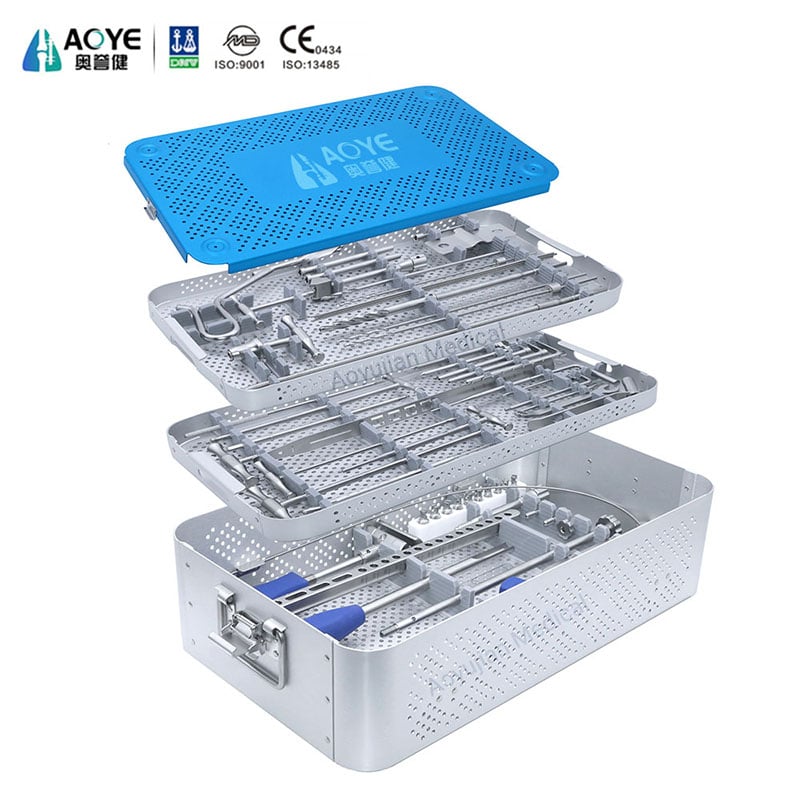
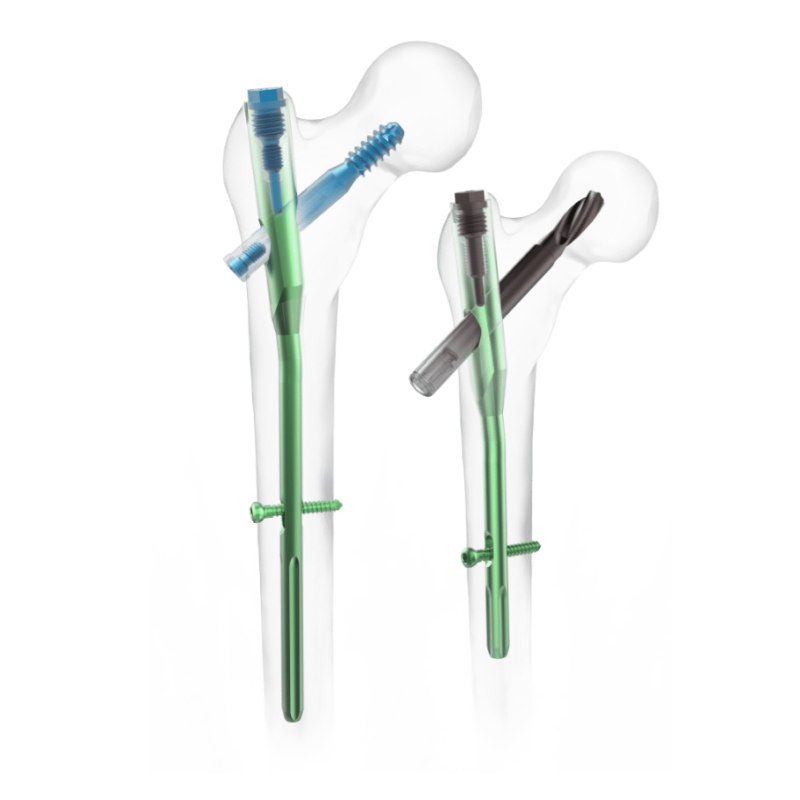
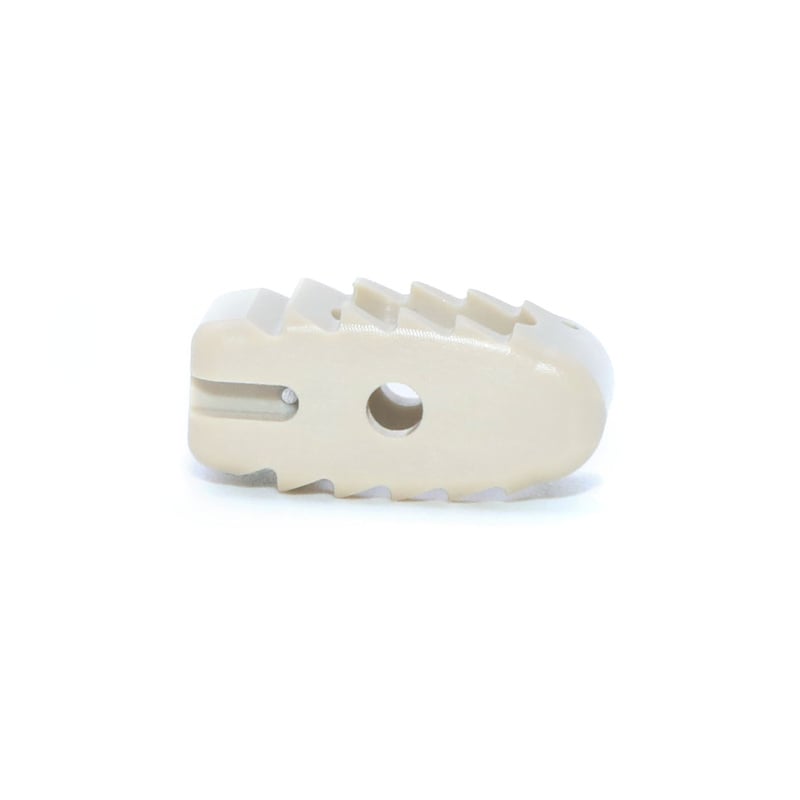
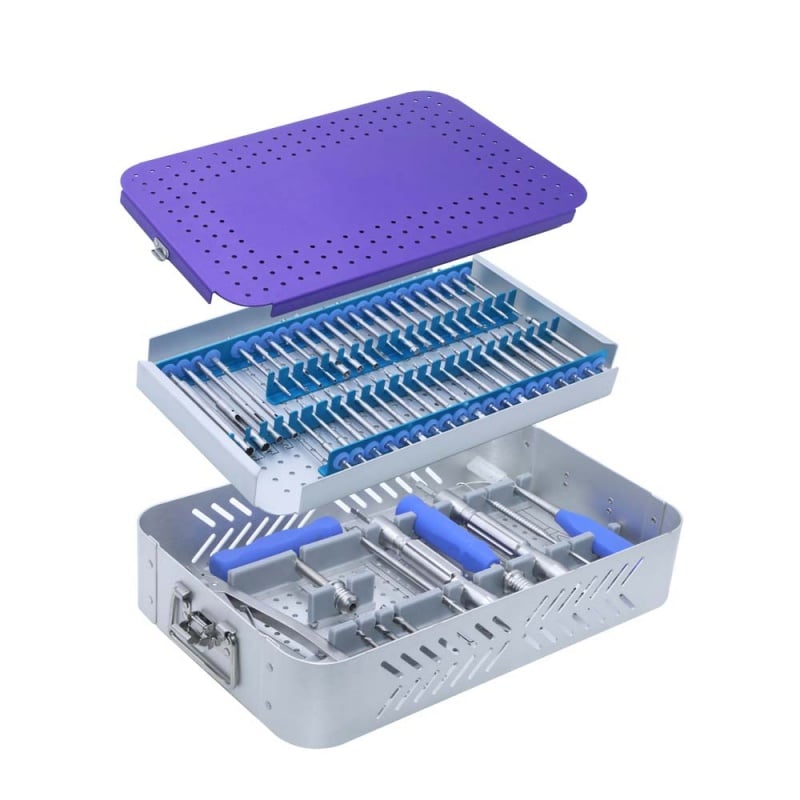
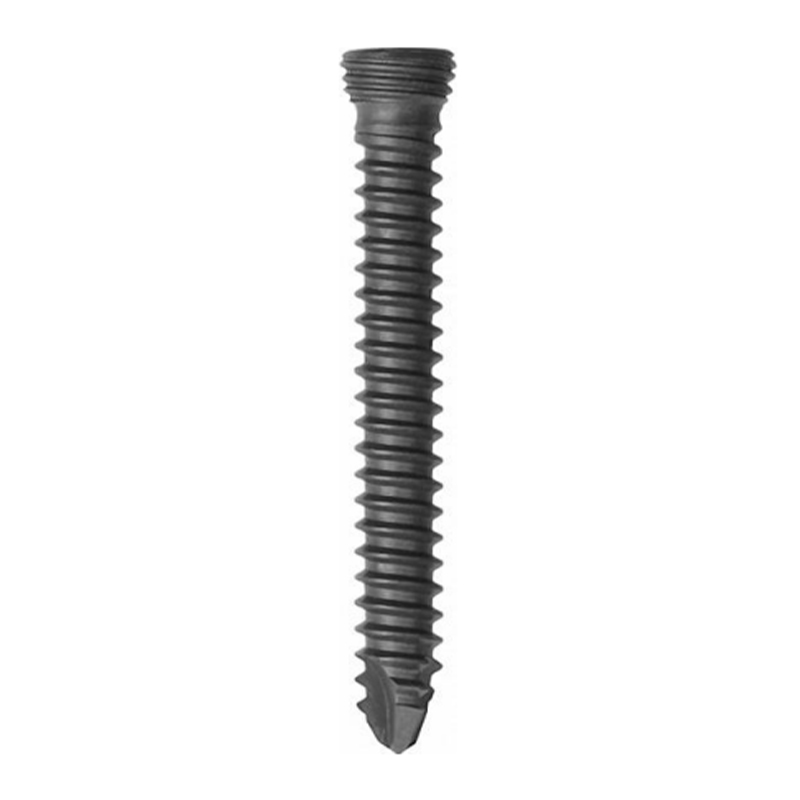
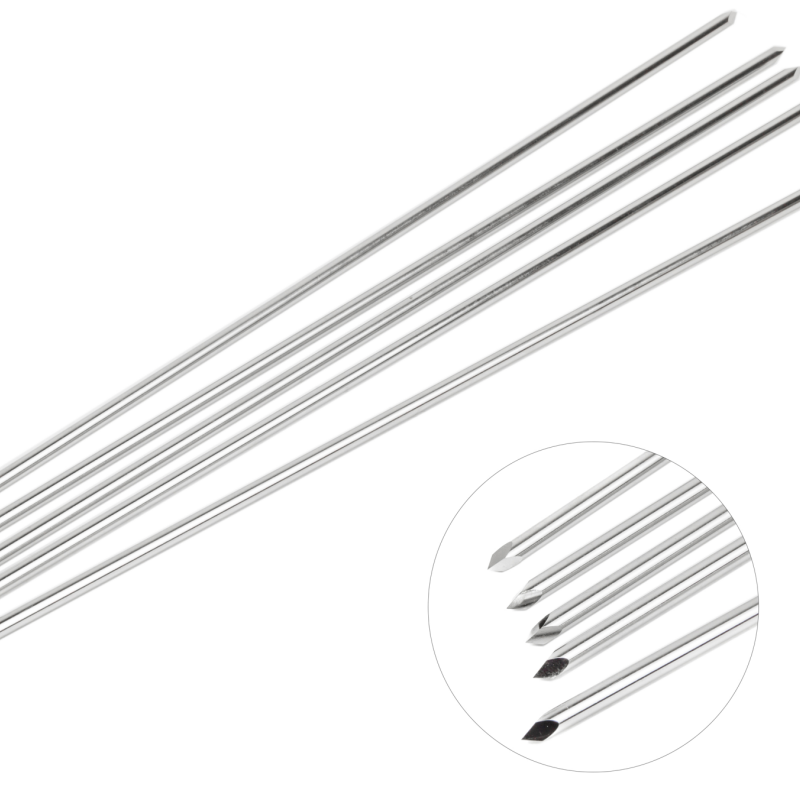
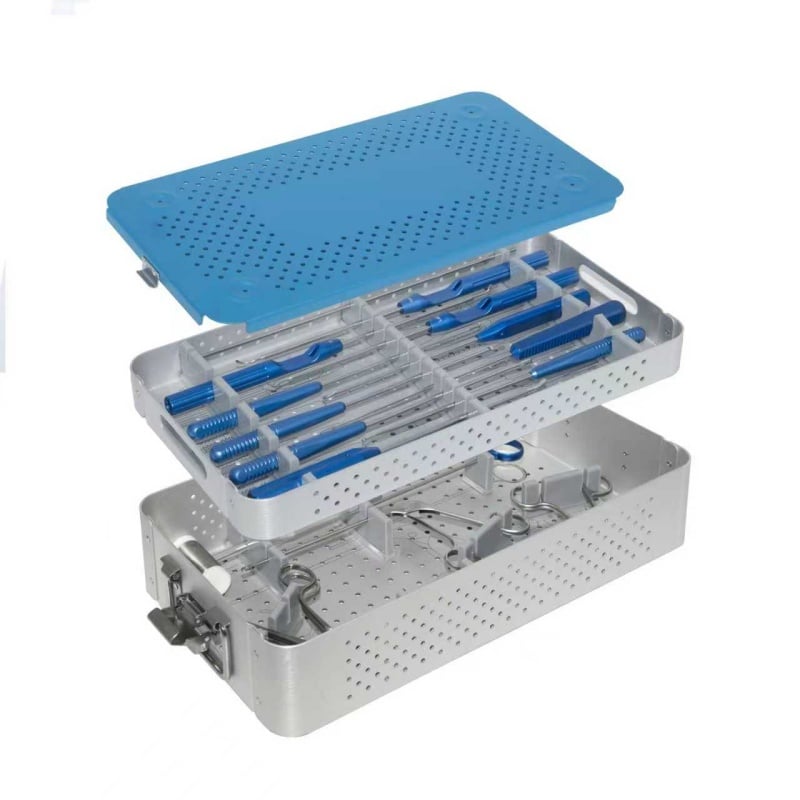
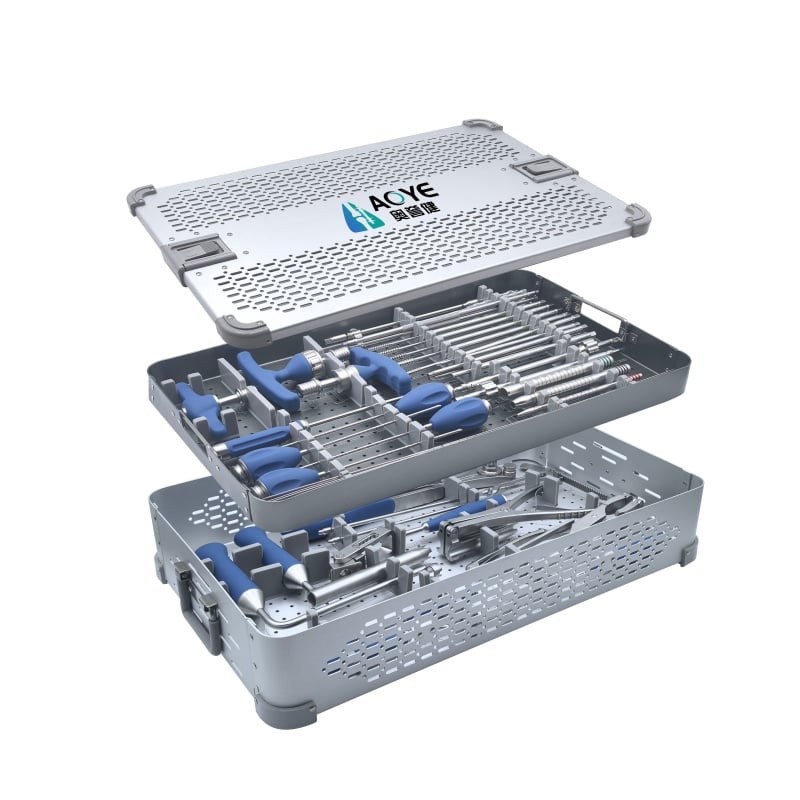
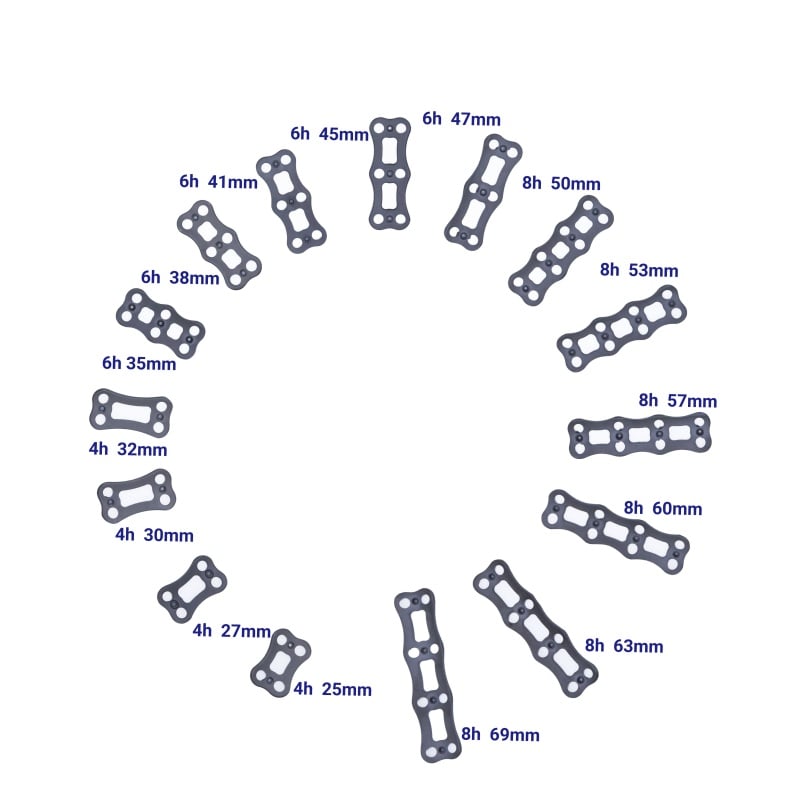
Flexible intramedullary nails are critical orthopedic implants designed to stabilize fractures within the medullary cavity of long bones. These specialized devices are particularly valuable in trauma and orthopedic surgeries, providing essential support during the healing process. B2B buyers, including purchasing managers and healthcare professionals, often focus on factors such as quality, material specifications, and supplier reliability when sourcing these medical devices. This article will guide you through the key considerations for selecting flexible reamed intramedullary nail and evaluating potential suppliers.
Selecting the right supplier for flexible intramedullary nails involves several critical factors. First and foremost, look for manufacturers that are ISO13485 certified, as this certification indicates a commitment to quality management systems specific to the medical industry. Suppliers with CE certification also demonstrate compliance with European safety standards, which is particularly important for international buyers.
Additionally, evaluate their production capabilities and experience in the orthopedic field. A supplier that has successfully served partners in multiple countries is likely to possess a robust understanding of diverse market requirements and regulations. Furthermore, inquire about their customization capabilities; suppliers that can tailor products to specific surgical needs or patient requirements can provide a competitive advantage.
Finally, consider the supplier's quality control processes. A rigorous quality assurance program ensures that each batch of flexible antegrade intramedullary nail meets stringent standards, which is crucial for patient safety and effective performance.
When sourcing flexible intramedullary nails, several specifications must be considered to ensure the product meets both clinical and technical requirements. Key specifications include:
Material Composition: Most flexible intramedullary nails are made from biocompatible materials such as titanium or stainless steel. Titanium is favored for its strength-to-weight ratio and corrosion resistance, making it suitable for long-term implantation.
Dimensions: The diameter and length of the nail must match the specific application needs. Misalignment in sizing can lead to improper fixation and complications during healing.
Design Features: Consider the nail's design, including its flexibility and locking mechanisms. A well-designed intramedullary interlocking nail tibia should provide stability while allowing for some degree of movement, which is essential for bone healing.
Finish and Coating: Surface treatments, such as anodization or coating, can enhance corrosion resistance and biocompatibility, contributing to the longevity of the implant.
Buyers should confirm these specifications with their suppliers to ensure they align with the intended surgical applications.
Sourcing flexible intramedullary nails in bulk offers several advantages for B2B buyers. First, wholesale purchasing often leads to significant cost savings. By negotiating volume discounts, buyers can reduce the per-unit cost, which is particularly beneficial for hospitals and clinics that require a large inventory for surgical procedures.
Moreover, establishing a wholesale relationship with a reliable supplier can enhance supply chain efficiency. Frequent orders can streamline logistics, ensuring that medical facilities are consistently stocked with the necessary implants. This is crucial for minimizing delays in surgeries and improving patient care.
Additionally, working directly with manufacturers allows for better communication regarding product updates, new technologies, and customization options. This relationship can foster a better understanding of the specific needs of the healthcare facility, leading to improved product offerings.
Quality evaluation is paramount when sourcing flexible intramedullary nails. Begin by requesting product samples and conducting thorough inspections before placing a bulk order. Pay close attention to the nail's finish, dimensions, and overall construction to identify any defects that could affect performance.
Inquire about the supplier's quality control processes, including testing protocols for mechanical strength, fatigue resistance, and biocompatibility. Reliable manufacturers often perform rigorous testing in accordance with international standards. If possible, request documentation proving compliance with these standards, as well as details on any certifications relevant to the products.
Additionally, consider feedback from other healthcare professionals who have used the supplier's products. Reviews and testimonials can provide insights into the reliability and performance of the flexible intramedullary nails in clinical settings.
Proper installation of flexible intramedullary nails is crucial for successful outcomes in orthopedic procedures. To ensure the best results, follow these key guidelines:
Preoperative Planning: Surgeons should review the specific anatomy of the patient and plan the procedure accordingly. This involves selecting the appropriate nail size and design based on imaging studies.
Surgical Technique: Familiarize the surgical team with the correct insertion techniques. Incorrect placement can lead to complications such as malalignment or failure of fixation.
Postoperative Care: After the installation of the flexible intramedullary nail, patients require careful monitoring and follow-up to assess healing and identify any potential complications early.
Training and Support: Suppliers who provide training sessions or detailed installation manuals can enhance the surgical team's confidence and competence in using the implants effectively.
By adhering to these guidelines and choosing high-quality implants, healthcare facilities can significantly improve the success rates of orthopedic surgeries involving flexible intramedullary nails.
Aoyujian Medical Technology provides trusted orthopedic solutions, high-quality implants, OEM/ODM services, and global shipping for hospitals & distributors.
No. 2 Changting Road, Gehu Farm, Wujin Economic Development Zone, Changzhou, Jiangsu, China
Copyright © Aoyujian Medical Technology (Changzhou) Co., Ltd. All Rights Reserved - Privacy Policy - Blog
 EN