
 EN
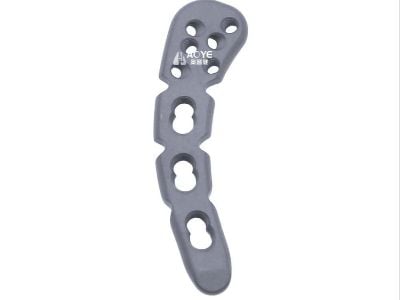
The Locking Compression Plates (LCP) is an important part of the field of orthopedic medical equipment, used to help bones form and heal after an injury. This device helps doctors guide healing in patients and is part of orthopedic na kagamitan used in clinics. In this article, we will discuss the main details about the LCP plate, from its technical specifications to the factors you should consider when buying. The LCP plate, in many clinics, is a common stabilizing tool that assists surgeons. This is also a topic that concerns installation guidance and planning. Buying orthopedic equipment carries a high level of responsibility, so it is important to understand the parts of the product that will affect your project.
What are the Key Specifications of Locking Compression Plates?
Locking compression plates have different technical specifications that matter for how well they work. When teams compare options, Locking Compression Plates are looked at for form, fit, and function. This includes the material used, usually titanium or stainless steel, which gives high strength and little weight. For orthopedic na kagamitan, this choice also matters to the team. The locking plate, in many cases, is chosen for its reliable hold and compatibility with modern surgical tools. These plates are designed with lock screws that join the plate and the bone, which results in a stronger and safer hold.
How to Choose the Right LCP Plate for Your Project Needs?
Choosing the right LCP plate actually depends on a few factors. This decision is part of the installation guidance that surgeons follow during planning. First, think about the type of injury in the part of the body that is affected. For orthopedic na kagamitan, the LCP plates come in different designs that suit different types of fractures, such as diaphyseal and metaphyseal fractures. LCP plate is a good idea to talk with an orthopedic surgeon to find the most appropriate type of plate. In many cases, the LCP plate is chosen after discussion with an orthopedic na kagamitan specialist.Second, think about the size and thickness of the plate. This choice affects healing time and comfort as well as how the device sits on the bone. LCP plate should be as big as the bone that needs it, and the right thickness actually helps make sure there is enough support. The goal is to find the balance between strength and weight so that distal humerus plate does not put too much strain on the body.
Third, look at the materials. For orthopedic na kagamitan, this choice matters for durability and cost. Titanium is lighter and resists corrosion much better than stainless steel, but LCP plate costs more. The right material depends on the specific needs of the patient and the expected setting of the surgery.
Installation Guide for Locking Plates in Orthopedics
The process of installing the LCP plate should be done by qualified orthopedic surgeons. This step is a key part of installation guidance that helps teams plan and reduce risk. Before the surgery, it is important to have a proper check and imaging of the injury to find the right place for installation. In many clinics, the proximal humerus plates is placed with careful angle control to match the bone anatomy. The surgeons should actually learn how to put the LCP plate at the right angle and positionDuring the surgery, the LCP plate is usually attached to the bone using locking screws that make the hold stronger. A careful check of tissue and nerve safety is also part of installation guidance. The surgeon should make sure the screws are put in well and do not cause harm to the tissues around them. After the surgery, proper post-operative care and monitoring are important to make sure the repair is successful.
Cost Factors When Purchasing LCP Plates in Bulk
When buying LCP plates in large amounts, there are few factors to think about that will affect the price. For orthopedic na kagamitan buyers, consider not just cost but also availability and supplier reliability. This includes:
Material Cost: Titanium is usually more expensive than stainless steel. The choice of material can actually affect the total cost. MOQ (minimum order quantity): Some suppliers may have a minimum amount that must be bought to get the best price. It is actually important to plan the amount of your order based on what your project needs. Customization: If the LCP plates need to be customized the costs may go up. Make sure that any needed changes are thought about early. Shipping and Handling: Think about the cost of shipping and any related taxes of tariffs, especially if you are importing from another country. Quality Assurance: The LCP plate should go through careful quality control to make sure they are reliable and long lasting. The costs for quality assurance testing should also be included in the total price.
Overall LCP plates are an important part of the orthopedic medical equipment. By understanding the specifications, the right choice, and the cost factors, purchasing managers and other professionals in the industry can actually make smarter decisions that will help their projects and patients.