
 EN
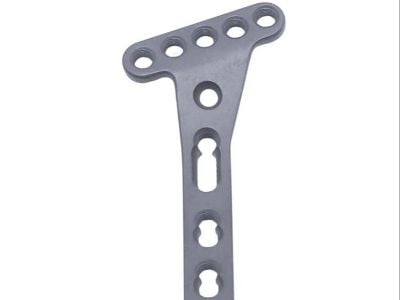
In the medical field, especially in the manufacturing of orthopedic implants and instruments, the use of titanium plates is critical. Understanding the various titanium plate standards and certifications for medical use is essential for purchasing managers, engineers, and product managers. This article will guide you through evaluating the quality of titanium plates used in surgery, sourcing reliable suppliers, comparing certifications, understanding the advantages of titanium plates, and selecting the right type for your specific needs.
How to Evaluate the Quality of Titanium Plates for Medical Use?
When assessing the quality of titanium plates, it's crucial to consider several key factors that can significantly affect their performance in medical applications. First, the composition and grade of titanium used are paramount. Titanium alloys, like Ti-6Al-4V, are commonly used due to their excellent strength-to-weight ratio and biocompatibility. Buyers should confirm that the titanium meets relevant ASTM standards, such as ASTM F136 for surgical implant applications.
Next, surface treatment plays a vital role in the plate's performance. Anodizing or coating can enhance corrosion resistance and improve osseointegration, which is essential for implants. Reviewing the manufacturer's quality control processes can provide insight into their commitment to producing high-quality products. This includes inspection methods and testing protocols that ensure compliance with international standards.
Lastly, any certifications, such as ISO 13485, which demonstrates a commitment to quality management systems in the medical industry, should be verified. This certification not only assures quality but also indicates that the manufacturer adheres to regulatory requirements.
Where to Source Reliable Suppliers of Titanium Plates in Bulk?
Sourcing reliable suppliers for titanium plates requires careful consideration and due diligence. Start by researching manufacturers that specialize in medical-grade titanium products. Look for companies that are ISO 13485 certified, as this indicates a commitment to quality management and regulatory compliance in medical device manufacturing.
Engaging in industry trade shows and networking events can provide valuable networking opportunities to connect with potential suppliers. Additionally, online platforms that focus on industrial suppliers can offer lists of manufacturers with customer reviews and ratings.
Requesting samples before committing to a bulk order is advisable. This allows you to assess the quality, specifications, and manufacturing capabilities firsthand. It's also beneficial to inquire about the manufacturer's production capacity and lead times to ensure they can meet your demands.
Comparing Titanium Plate Certifications for Medical Applications
When evaluating titanium plates for medical use, understanding the various certifications is crucial. Key certifications include ISO 13485, which indicates a quality management system for medical devices, and CE marking, which signifies compliance with European health, safety, and environmental protection standards.
Additionally, look for compliance with ASTM standards, such as ASTM F67 for pure titanium and ASTM F136 for titanium alloys used in surgical implants. These standards define the material properties, testing methods, and acceptable levels of impurities, which are critical for ensuring the safety and efficacy of the implants.
Buyers should also consider any specific certifications required in their target markets. For instance, the FDA approval process in the United States may involve additional documentation and validation steps. Understanding these differences can help in selecting a supplier that meets all necessary regulatory requirements.
Advantages of Using Titanium Plates in Medical Manufacturing
Titanium plates offer several advantages that make them a preferred choice in medical manufacturing. Firstly, their exceptional biocompatibility minimizes the risk of adverse reactions when implanted in the body. This is particularly important for orthopedic applications, where long-term integration with bone tissue is required.
Additionally, titanium has a high strength-to-weight ratio, making it suitable for load-bearing applications without adding unnecessary bulk. This feature is especially beneficial in trauma and spine surgeries, where the stability of the implant is crucial.
Corrosion resistance is another critical advantage. Titanium's ability to resist corrosion in bodily environments ensures durability and longevity of the implants. Moreover, titanium bone plate can be easily customized to suit specific surgical requirements, including variations in thickness, dimensions, and surface finishes.
Choosing the Right Titanium Plate for Your Needs
Selecting the right titanium plate involves understanding your specific application requirements. Factors such as the type of surgery, load-bearing needs, and patient demographics can influence the choice of plate. For instance, a thicker plate may be necessary for applications requiring higher strength, while a thinner plate could be sufficient for less demanding uses.
It’s also important to consider the surface treatment. If osseointegration is a priority, a plate with a roughened surface may be advantageous to promote bone ingrowth. Discussing these requirements with the manufacturer can help ensure that the selected titanium locking plate meets the necessary performance criteria.
When preparing for a quotation, provide details such as the desired dimensions, material grade, surface treatment requirements, and expected lead time. This information allows suppliers to offer accurate pricing and timelines, ensuring a smoother procurement process.
Understanding titanium plate standards and certifications for medical use is essential for making informed purchasing decisions. By thoroughly evaluating quality, sourcing reliable suppliers, comparing certifications, recognizing the advantages of titanium, and selecting the right type, you can ensure that the products meet the necessary standards for medical applications.
Table of Contents
- How to Evaluate the Quality of Titanium Plates for Medical Use?
- Where to Source Reliable Suppliers of Titanium Plates in Bulk?
- Comparing Titanium Plate Certifications for Medical Applications
- Advantages of Using Titanium Plates in Medical Manufacturing
- Choosing the Right Titanium Plate for Your Needs