
 EN
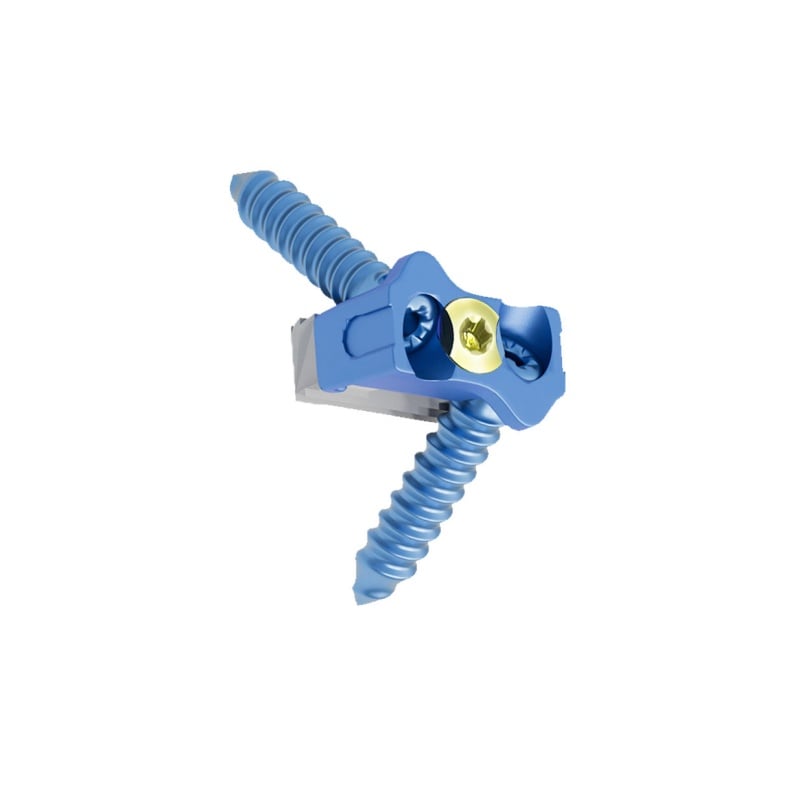
Locking plates are an important part of orthopedic implants, especially in the treatment of osteoporotic bone. Locking plates also support bone stabilization by keeping the bone and plate in steady contact. These measures help orthopedic implants share load and reduce movement at the fracture site. These plates are designed to improve the stability of bones with low density or weak structure, which is common in patient with osteoporosis. In this article, we will discuss how locking plate help improve the stability of osteoporotic bone, the key specifications of the products, and aspects to consider when purchasing them.
How Locking Plates Enhance Stability in Osteoporotic Bone Structures?
Locking plates provide better stability to bones with osteoporosis by using a locking mechanism that connects the plate and screws more tightly. The tighter lock reduces micro-motions that can delay healing and improve bone stabilization. Using titanium locking plate helps ensure bone stabilization and reduces the risk of screw loosening in osteoporotic bone. This system increases bone support and allows for more effective healing. In osteoporotic bones, having a stronger bon between the plate and bone is critical to prevent movement and displacement of the screw, which can result in unsuccessful healing.
Key Specification of Locking Plates for Optimal Bone Stability
When shopping for locking plates, there are a few key details to consider: For buyers, understanding these details helps choose locking plates that fit the bone shape and support the healing process.
Material: Most locking plates are made of titanium or stainless steel, which are known for their durability and biocompatibility. Choosing the right material is important because it affects the strength and durability of the plate. This choice also influences how it performs in osteoporotic bone.
Dimension: The correct size and length of locking plates should be appropriate for the specific application. Buyers should ensure that the locking plate orthopedic are sized correctly to ensure proper attachment and support.
Locking Mechanism: The design of the locking mechanism should evaluated to ensure optimal performance. Some plates have special designs that promote better retention and a higher level of stability.
Load Capacity: Buyers should consider the load requirements for the specific surgery or application. The plates should withstand the expected stress and strain during healing. The right load capacity helps reduce stress on the weakened bone during recovery.
Customization Options: The ability to customize plates based on the unique needs of the patient or surgery is another important aspect. Contact suppliers to determine possible options.
Evaluating the Quality of Locking Plates in Osteoporotic Treatments
The quality of locking plates is a key factor to consider in osteoporotic treatments. For buyers, robust quality checks help ensure patient safety and better bone stabilization. To assess quality:
Certifications: Make sure the products have ISO13485 and CE certification, which indicates compliance with international standards. These certifications provide assurance that the product is safe and effective.
Manufacturing Process: Learn about the manufacturing methods of the plates. Modern equipment and strict quality control processes can increase the level of product reliability.
Testing and Validation: Testing is essential to ensure the durability and performance of the plates. Plates that have undergone thorough testing under various conditions provide a higher level of trust.
Supplier Reputation: Check the supplier's reputation in the industry. Manufacturers with long-term experience and positive feedback from partners are often more trustworthy.
Where to Source Reliable Locking Plates for Bone Stabilization
For buyers looking for reliable locking plates, Aoyujian Medical is a professional manufacturer providing high-quality orthopedic implants. You can contact any local medical supplier, wholesaler, distributor or product developer place. The company has extensive experience in exporting to more than 45 countries, and their products meet international quality standards.
It is important to contact well-known suppliers with a good reputation in the industry. You can check online platforms and trade shows to find reputable manufacturers offering locking plates. Don't forget to ask for samples and review them before mass adoption.
What to Look for in Quality Products
When evaluating locking plates, here are some aspects to look at:
Circle of Rotation is important because it shows whether the plate has the correct design to fit the anatomical shape of the bone and support bone stabilization. This helps ensure a proper fit for the osteoporotic bone.
Circle of Rotation: This will show whether the plate has the correct design to fit the anatomical shape of the bone.
Surface Finish: Plates with a good surface finish not only provide a better appearance but also help prevent healing complications. A smooth surface finish also helps reduce irritation to surrounding tissues.
Ease of Use: Consideration should be given to how easy the plates are to install. Easy-to-use designs save time in surgery and reduce handling risks.
Cost-effectiveness: While quality is important, also consider the overall cost of the product. Look for options that provide a good balance between quality and price.
Table of Contents
- How Locking Plates Enhance Stability in Osteoporotic Bone Structures?
- Key Specification of Locking Plates for Optimal Bone Stability
- Evaluating the Quality of Locking Plates in Osteoporotic Treatments
- Where to Source Reliable Locking Plates for Bone Stabilization
- What to Look for in Quality Products