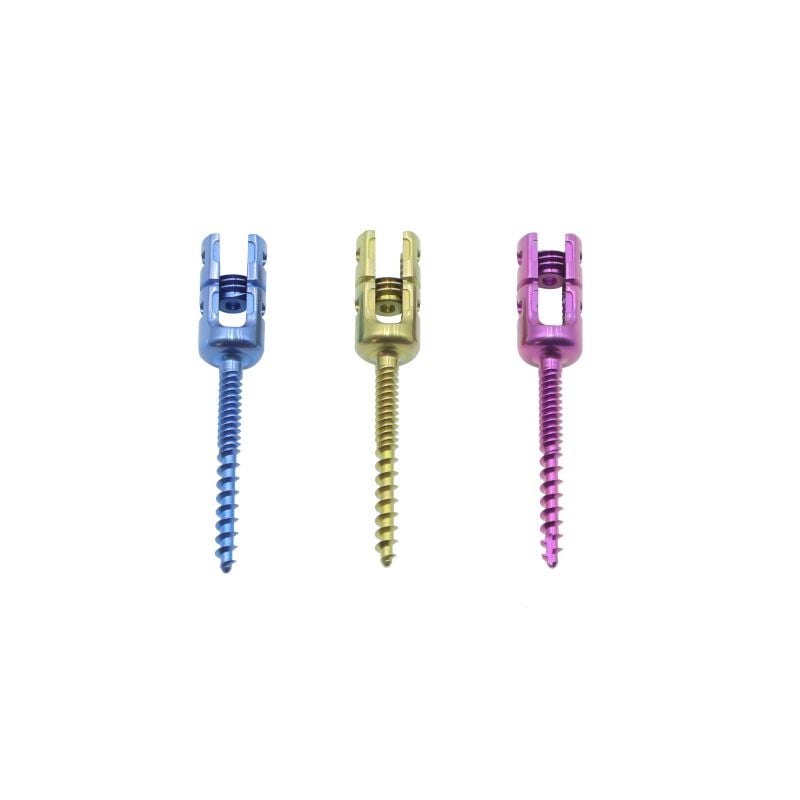
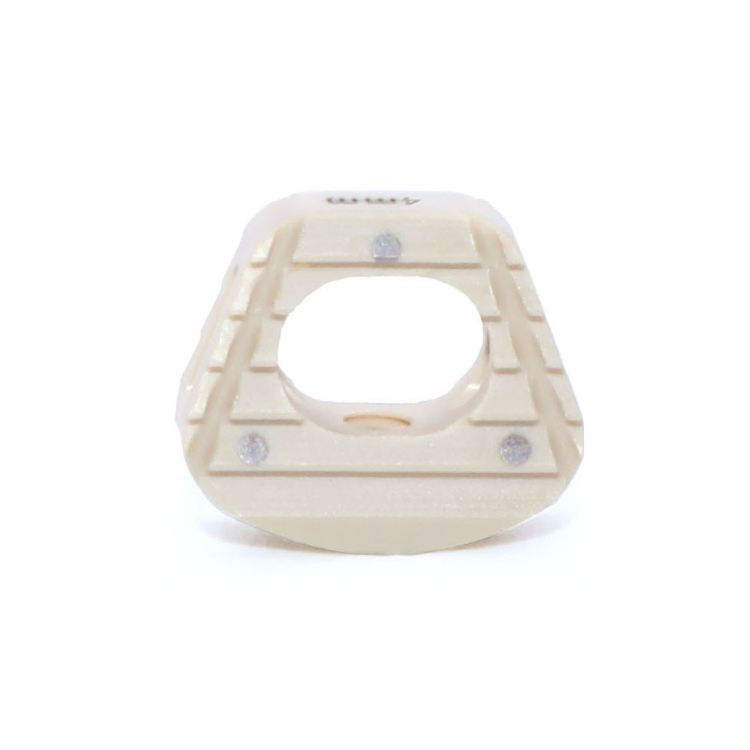
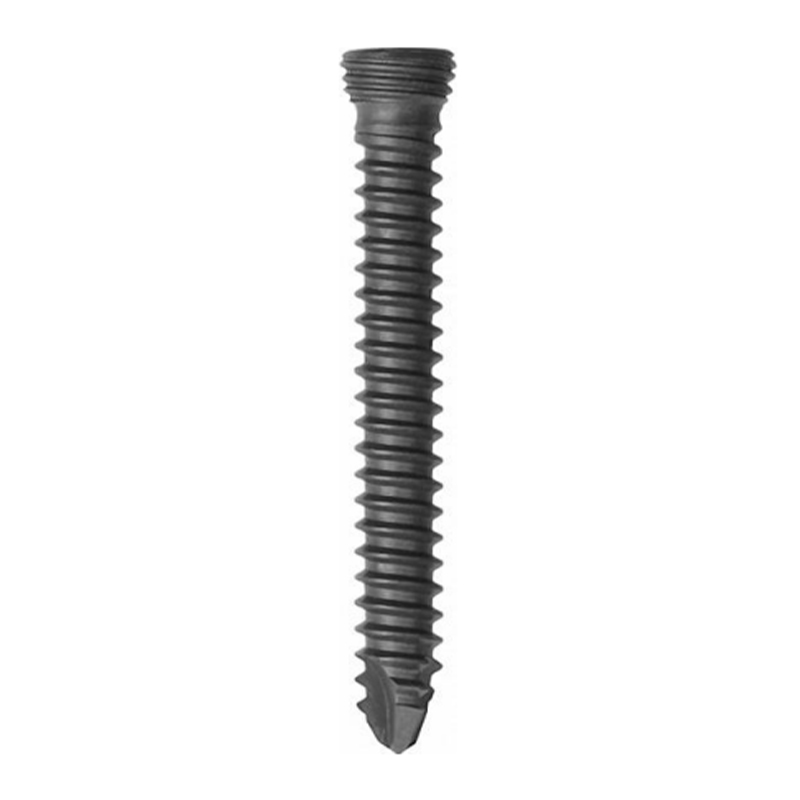
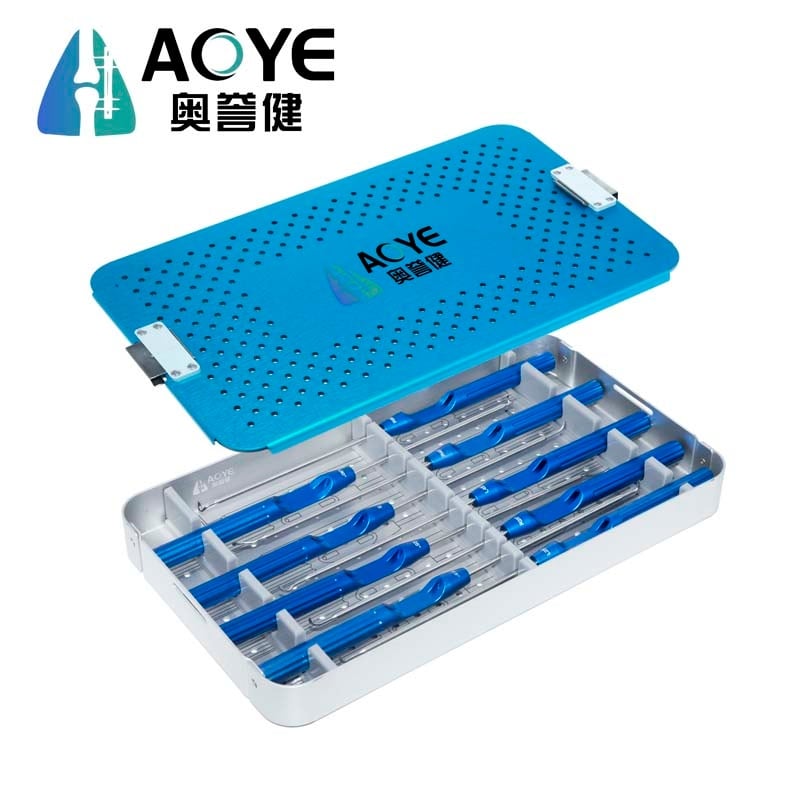
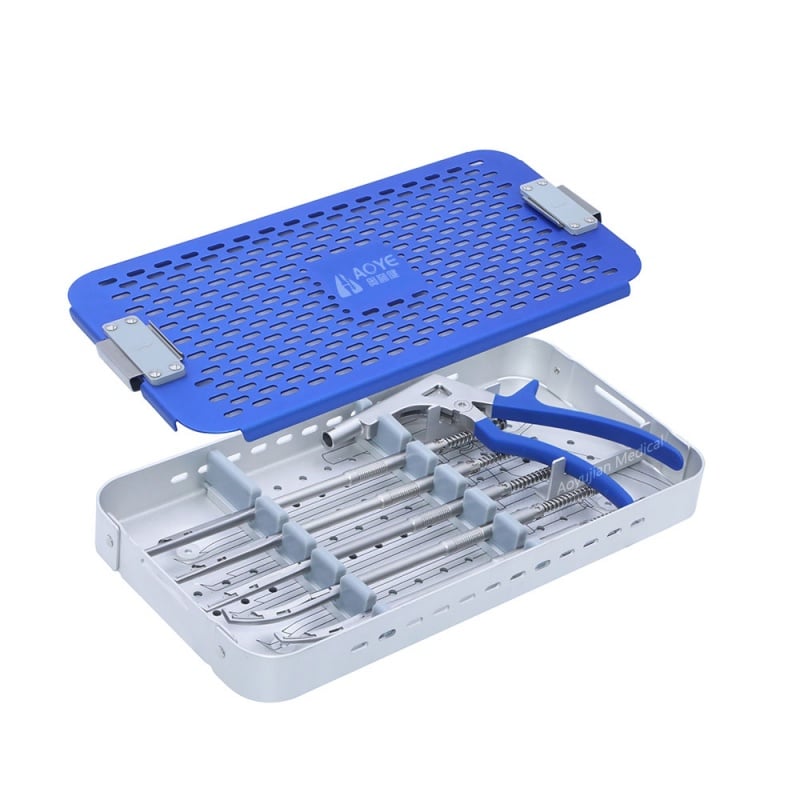
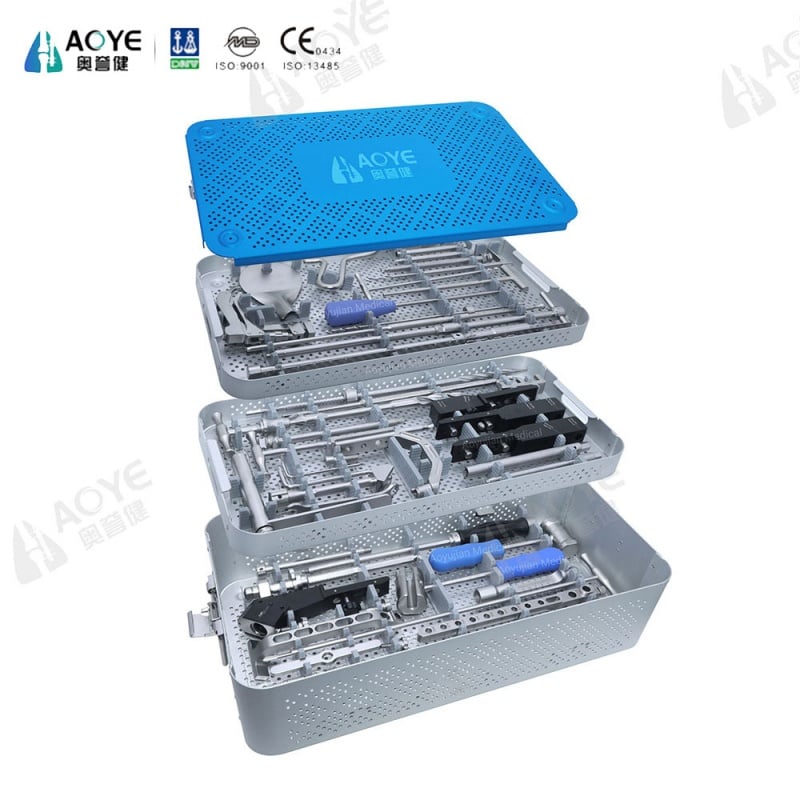
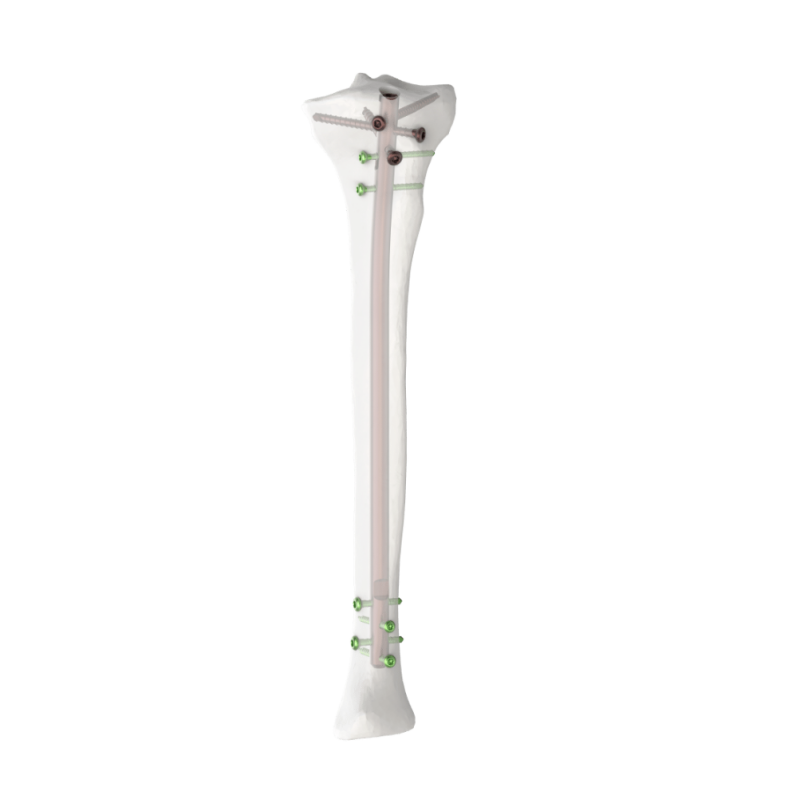
In the medical field, precision and reliability are crucial, particularly in orthopedic surgery. The equipment used by orthopedic surgeons, including implants and surgical instruments, plays a vital role in successful outcomes. For B2B buyers, such as purchasing managers and medical distributors, understanding the specifications and quality of these tools is essential for making informed decisions. This article will outline key specifications, comparison techniques, material advantages, cost factors, and quality assurance practices to help you navigate the procurement of orthopedic surgical equipment effectively.
When evaluating orthopedic instruments and implants, several specifications are critical to ensure their effectiveness and reliability. Key specifications include:
Material Composition: The materials used, such as titanium or stainless steel, should be biocompatible and corrosion-resistant to withstand the body's environment. Each material has unique properties affecting strength, weight, and longevity.
Dimensional Accuracy: Precision in dimensions is vital. Instruments must fit seamlessly with surgical protocols and patient anatomy. Deviations can lead to complications during surgery.
Surface Finish: The surface treatment of instruments impacts their performance. Smooth finishes reduce friction and wear, enhancing usability and longevity, while rough surfaces may increase the risk of infection.
Sterilization Compatibility: Instruments should be made from materials that can withstand sterilization processes without degrading. This is crucial for ensuring patient safety and instrument reusability.
Understanding these specifications allows buyers to evaluate products effectively and select instruments that meet both clinical and regulatory standards.
When comparing orthopedic surgical instruments, a structured approach can help ensure that you choose the right equipment. Here are several factors to consider:
Performance Specifications: Compare the performance specifications of similar products, focusing on their intended use and effectiveness in specific procedures. For instance, look for data on load-bearing capacities and operational efficiency.
Manufacturer Reputation: Research the manufacturer’s background, including their certifications (like ISO13485 and CE), history of compliance with industry standards, and reviews from other healthcare professionals. A reputable manufacturer is likely to provide more reliable products.
Customization Options: Assess whether the manufacturer offers customization to meet specific surgical needs. Custom instruments can significantly improve surgical outcomes.
Warranty and Support: Evaluate the warranty terms and after-sales support provided. Instruments that come with comprehensive support may reduce long-term costs and improve operational efficiency.
Cost vs. Value: While initial costs are important, consider the overall value, including durability, effectiveness, and potential for reduced complications, which can lead to lower long-term costs.
By focusing on these criteria, buyers can make well-rounded comparisons that go beyond price alone.
The choice of materials in orthopedic surgical tools significantly impacts their performance, safety, and overall effectiveness. Here are some common materials and their advantages:
Titanium: Known for its high strength-to-weight ratio and excellent biocompatibility, titanium is often used in implants and instruments. Its resistance to corrosion makes it ideal for long-term use in the body.
Stainless Steel: This material is commonly used for surgical instruments due to its strength, affordability, and ease of sterilization. However, it may be less biocompatible compared to titanium, leading to potential corrosion under certain conditions.
Polymer Composites: Used in some implants and instruments, polymers can offer flexibility and reduced weight. They can also be engineered for specific mechanical properties, making them suitable for various applications.
Understanding these material advantages helps buyers select the right orthopedic instrument that align with both clinical requirements and patient safety, ensuring optimal performance during procedures.
When procuring orthopedic equipment, several cost factors should be evaluated to ensure budget adherence while not compromising on quality:
Initial Purchase Price: While lower-priced options are attractive, assess the quality and expected lifespan of the instruments. Sometimes, investing more upfront can save costs in the long run due to reduced replacement frequency.
Maintenance and Repair Costs: Consider the potential need for repairs or maintenance over the equipment's life cycle. Opt for instruments with lower maintenance requirements to reduce ongoing costs.
Volume Discounts: Many manufacturers offer discounts for bulk purchases. Negotiating terms based on expected usage can lead to substantial savings.
Supplier Delivery and Shipping Costs: Factor in logistics, including shipping fees and delivery times. Reliable suppliers minimize delays, which can be critical in healthcare settings.
Training and Support Costs: If specialized training is required for using the orthopedic machine, include these costs in your evaluation. Quality training can enhance the effectiveness of the instruments and reduce errors during surgery.
By considering these cost factors, buyers can make informed financial decisions that align with their organizational budgets and operational needs.
Quality assurance is paramount in the procurement of orthopedic instruments. Here are steps to ensure that you are sourcing high-quality products:
Supplier Audits: Conduct thorough audits of potential suppliers to evaluate their manufacturing processes, quality control measures, and adherence to industry standards. A reliable supplier should have robust quality management systems in place.
Sample Testing: Before mass production, request samples for testing under expected operational conditions. This helps verify that the instruments meet required performance specifications.
Certification Verification: Ensure that products are certified according to relevant medical device regulations. Verification of certifications like ISO13485 and CE is essential for compliance and safety.
Feedback from End Users: Gather feedback from surgeons and medical staff who have used the orthopedic instruments set in practice. Their insights can reveal practical performance issues that may not be apparent from technical specifications alone.
Continuous Quality Monitoring: Establish a system for ongoing quality checks post-purchase to ensure that products continue to meet standards throughout their usage.
By implementing these quality assurance practices, buyers can significantly reduce the risk of complications arising from substandard equipment, ultimately leading to better patient outcomes and improved operational efficiency.
Aoyujian Medical Technology provides trusted orthopedic solutions, high-quality implants, OEM/ODM services, and global shipping for hospitals & distributors.
No. 2 Changting Road, Gehu Farm, Wujin Economic Development Zone, Changzhou, Jiangsu, China
Copyright © Aoyujian Medical Technology (Changzhou) Co., Ltd. All Rights Reserved - Privacy Policy - Blog
 EN