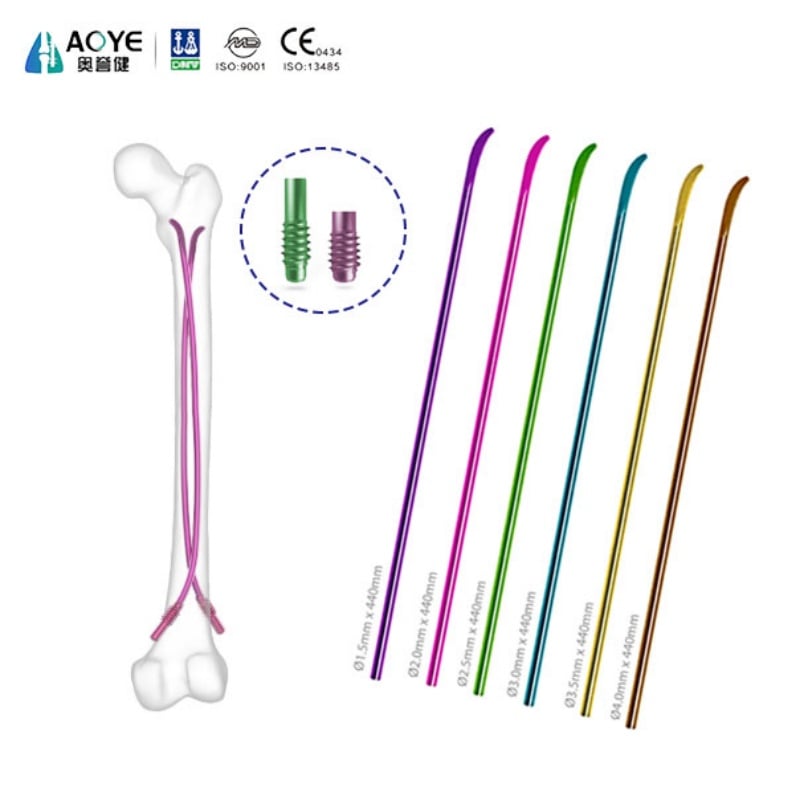
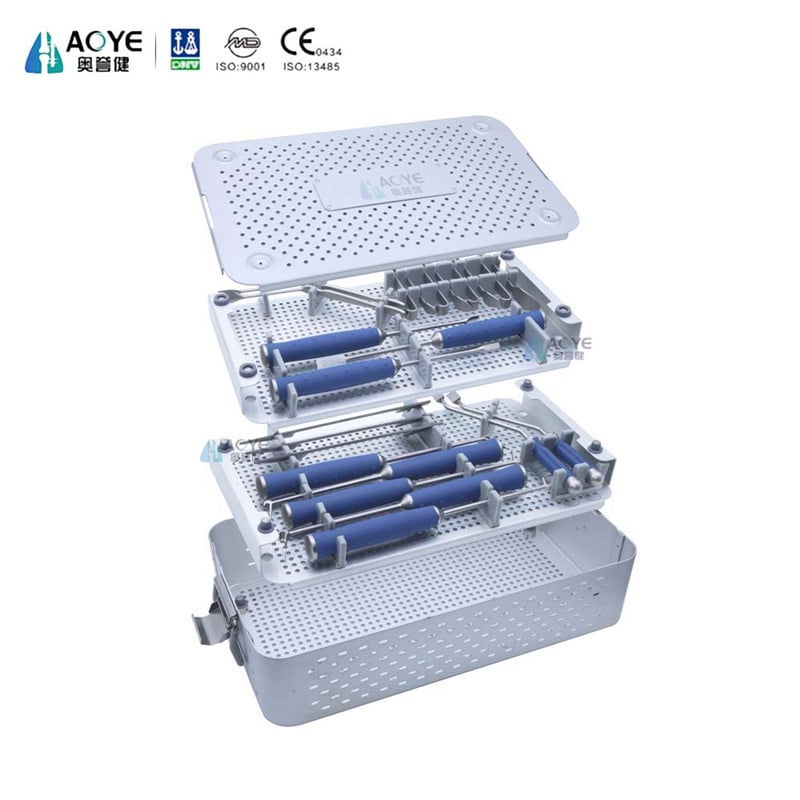
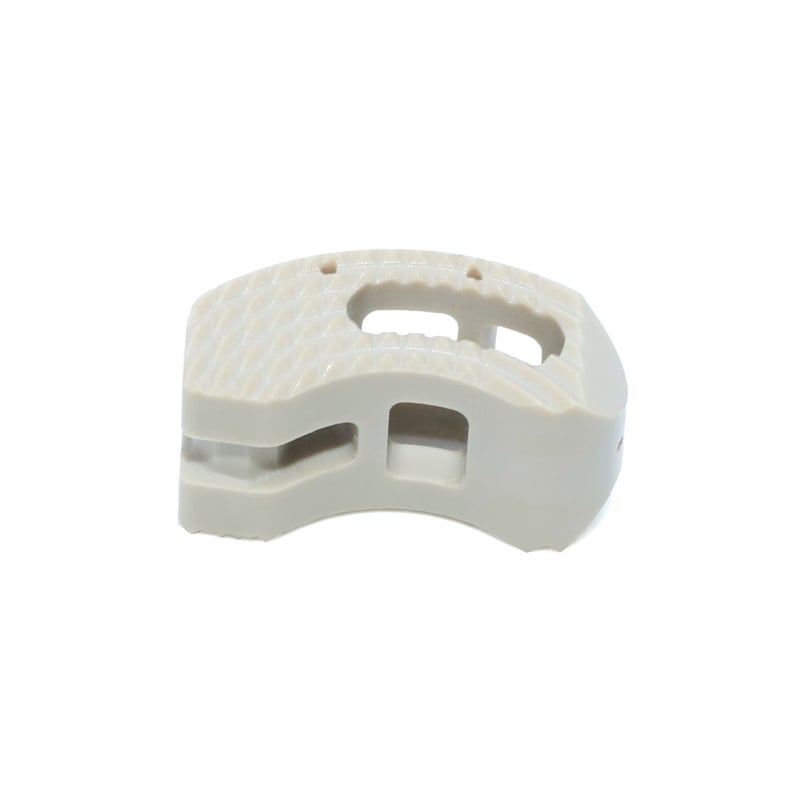
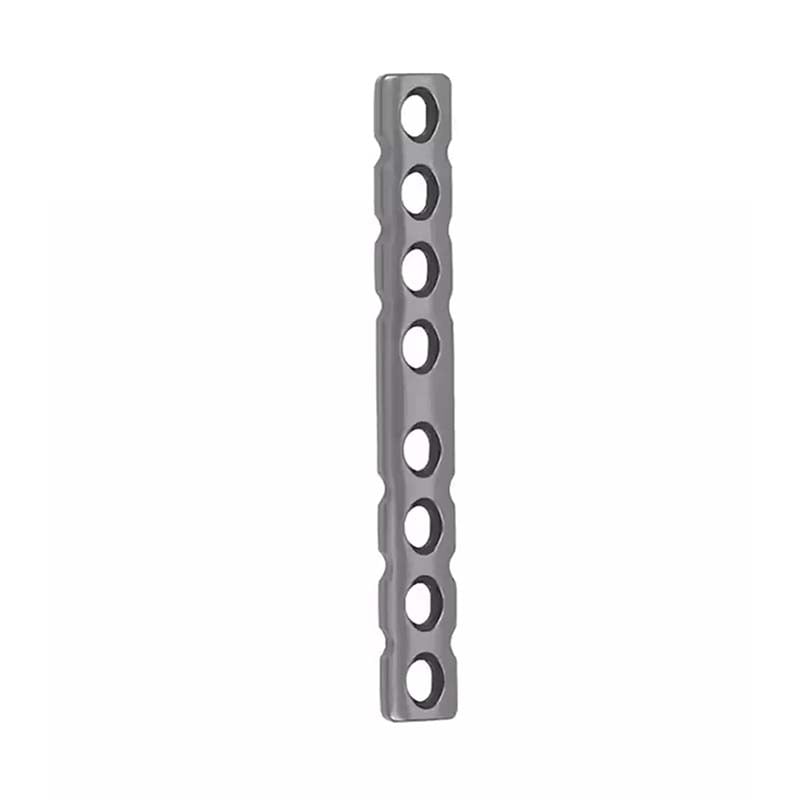
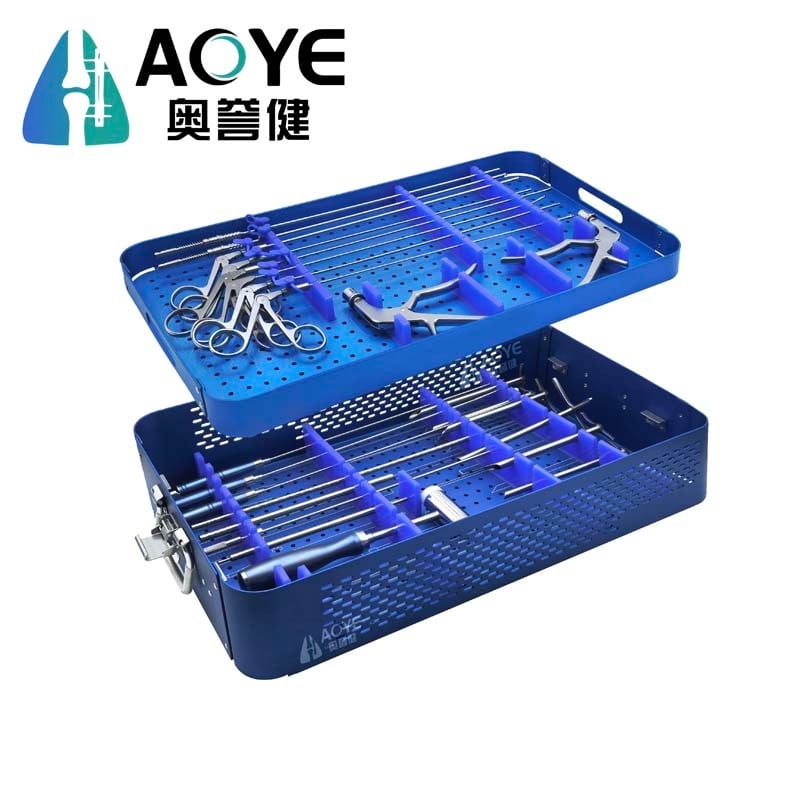
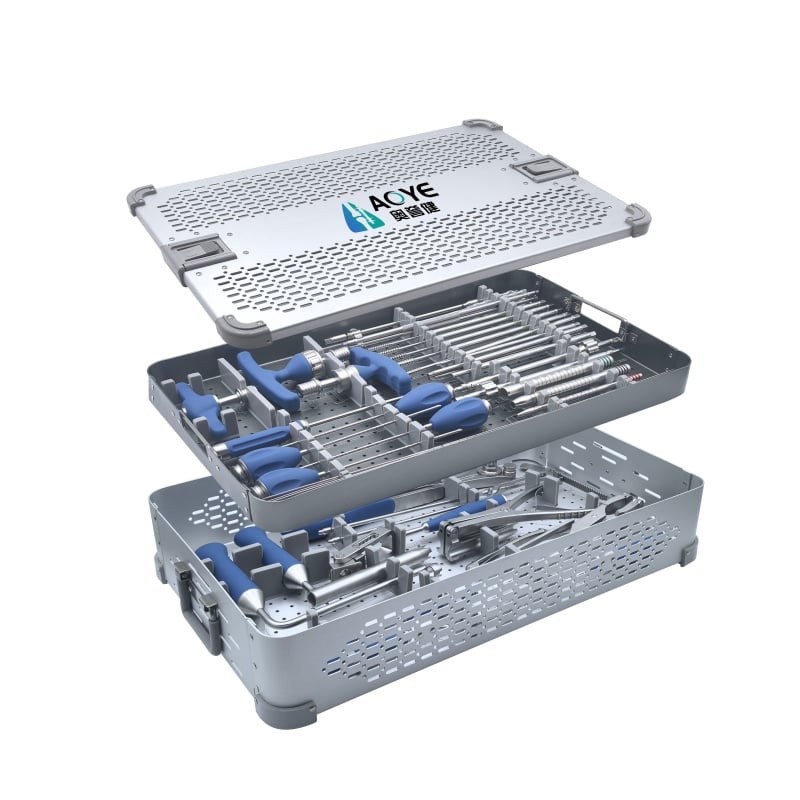
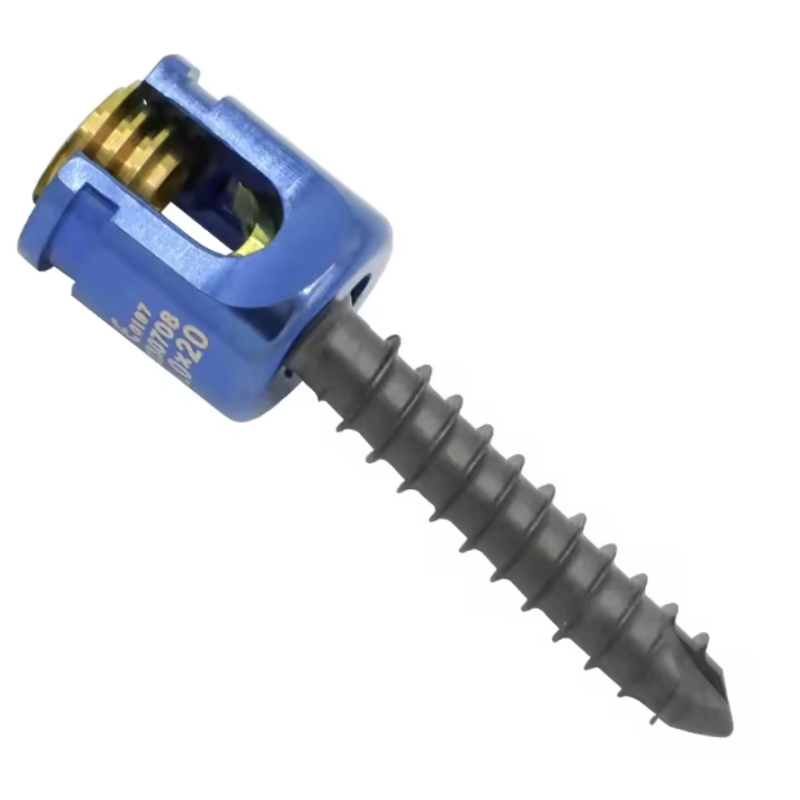
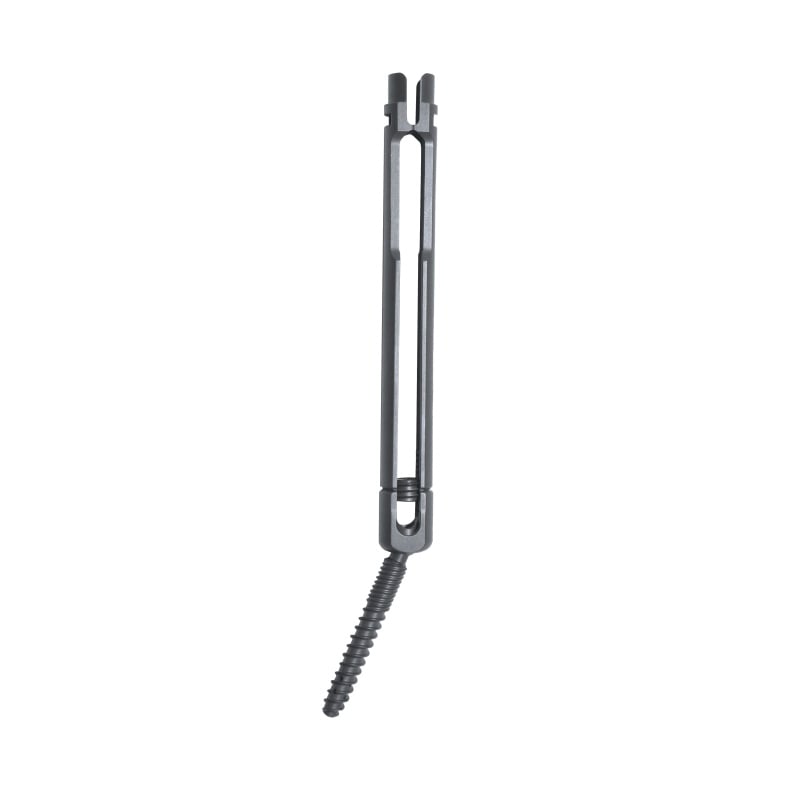
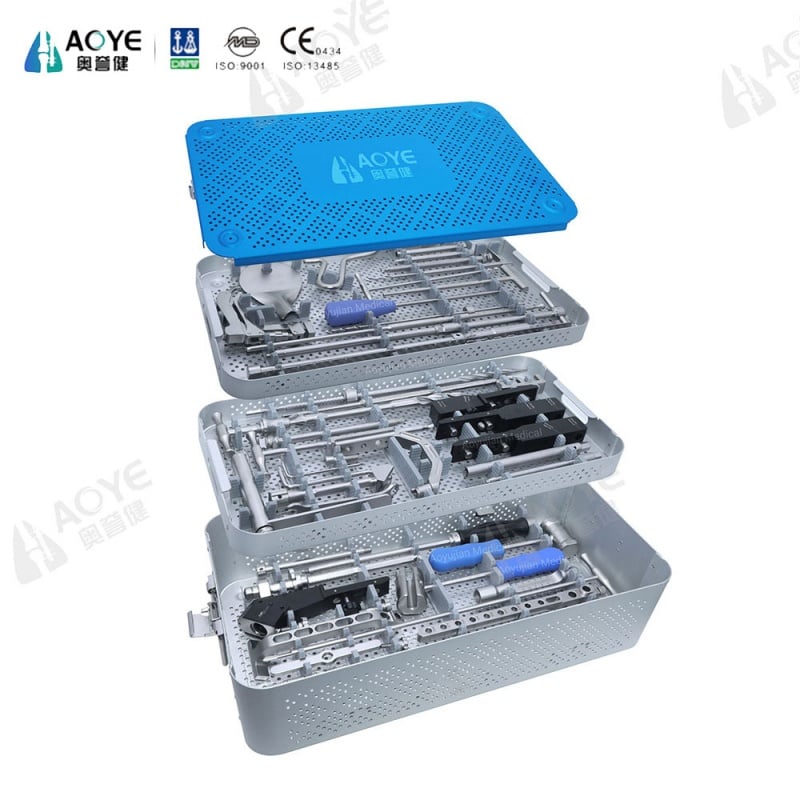
Orthopedic surgery equipment is essential for medical professionals involved in trauma, spine, and sports medicine procedures. As a B2B buyer, understanding the specifications, quality, and sourcing strategies for these instruments is critical to ensuring patient safety and operational efficiency. This article will guide you through key specifications, purchasing insights, trusted manufacturers, cost considerations, and common challenges in acquiring orthopedic surgical instruments, helping you make informed decisions for your organization.
When selecting orthopedic surgery equipment, several key specifications must be considered to ensure optimal performance and safety.
Materials: The choice of materials directly impacts the durability and biocompatibility of implants and instruments. Common materials include stainless steel and titanium due to their strength and corrosion resistance. Buyers should evaluate the specific material properties against the intended application, ensuring they meet the required standards for biocompatibility and mechanical performance.
Dimensions and Compatibility: The dimensions of surgical instruments must align with the specific procedures they will be used for. For instance, the size and shape of implants should match the anatomical requirements of the patient’s injury or condition. It's crucial to verify that the instruments are compatible with existing surgical tools and robotics in the operating room to prevent operational delays.
Quality Standards and Certifications: Look for products that are ISO 13485 and CE certified, as these certifications indicate compliance with international quality management systems specific to medical devices. Aoyujian Medical, for example, is an ISO 13485/CE certified manufacturer, ensuring that their orthopedic external fixator implants meet stringent quality and safety standards.
Customization Options: Depending on the specific needs of the surgical team or patients, customization may be required. This can include tailored implant sizes or specialized instrument designs. Discussing customization capabilities with manufacturers can lead to more effective solutions during surgery.
Technical Parameters: Important technical factors include load-bearing specifications and surface treatments, such as coating for enhanced biocompatibility. Ensure these parameters are well-defined and verified through testing, as they can affect both the functionality and longevity of the instruments.
When purchasing orthopedic surgery equipment in bulk, it's essential to follow a structured approach to ensure quality and cost-effectiveness.
Identify Specific Needs: Begin by defining your requirements, including the types of surgeries performed and the volume of instruments needed. Prepare a detailed list of specifications for the orthopedic equipment that aligns with your surgical practices.
Request for Quotation (RFQ): An RFQ should clearly state the product type, model, material, required dimensions, and quantity. Including application details can help manufacturers provide more accurate quotes. Ensure you also inquire about lead times and shipping costs, as these can significantly affect your overall budget.
Quality Assurance Checks: Before committing to a supplier, request samples to conduct your quality checks. Assess the instruments for defects, compatibility, and performance under simulated surgical conditions. This step is vital to avoid issues in actual procedures.
Evaluate Supplier Credentials: Focus on manufacturers with a proven track record in orthopedic medical devices equipment. Investigate their certifications, production capacity, and experience in exporting to your region. A manufacturer like Aoyujian Medical, with a presence in 45 countries, demonstrates reliability and experience in international markets.
Negotiate Terms: Once you have selected potential suppliers, negotiate terms that include pricing, payment schedules, and delivery timelines. Establishing a clear contract can help mitigate risks during the procurement process.
Finding a reliable manufacturer for orthopedic surgical instruments is crucial for maintaining the quality and safety of your medical procedures. Here are some practical tips:
Research and Reviews: Leverage online platforms and industry forums to gather feedback on manufacturers. Look for reviews from existing clients, focusing on their experiences regarding product quality, delivery reliability, and customer service.
Certifications and Compliance: Ensure the manufacturer holds relevant certifications, such as ISO 13485 and CE markings. These certifications validate their commitment to maintaining high-quality standards in product development and manufacturing.
Production Capabilities: Assess the manufacturer’s production processes and equipment. A facility equipped with modern technology and quality control measures will likely produce higher-quality instruments. Aoyujian Medical, for example, employs advanced manufacturing techniques that ensure precision and reliability in their orthopedic drills instruments.
Customization and Support: Choose manufacturers that offer customization options and robust customer support. This is particularly important for orthopedic tools, as different surgical needs may require tailored solutions.
Trial Periods: Before making a long-term commitment, consider a trial period with the manufacturer. This allows you to evaluate their products and service quality without a large upfront investment.
The cost of orthopedic surgery equipment can vary significantly based on various factors. Here are some key considerations:
Material Quality: Higher-quality materials often come with a higher price tag, but they can lead to better performance and longevity. Evaluate the trade-offs between cost and quality to determine the best options for your needs.
Volume Discounts: Bulk purchases typically qualify for discounts. When planning your procurement, consider how larger orders can reduce per-unit costs. However, ensure that bulk purchasing aligns with your actual usage to avoid overstocking.
Customization Costs: Custom instruments may incur additional costs due to design and manufacturing complexities. Discuss these costs upfront with manufacturers to avoid surprises later in the procurement process.
Shipping and Handling: Factor in shipping costs, especially if importing instruments from overseas. Understand the potential for duties and tariffs, which can impact the total cost.
Lifecycle Costs: Consider the total cost of ownership, including maintenance, potential repairs, and replacements over time. Opting for higher-quality instruments may reduce long-term costs associated with replacements and failures during surgery.
Despite careful planning, issues can arise with orthopedic surgery equipment. Here are some common problems and their solutions:
Defective Instruments: Instruments that do not meet quality standards can lead to surgical complications. Establish a robust quality assurance process, including thorough inspections of incoming products and regular audits of manufacturing practices.
Incompatibility Issues: Instruments may not fit correctly with existing surgical tools or patient anatomy. To mitigate this, always validate compatibility with manufacturers before procurement. Testing samples can also reveal potential issues early in the process.
Supply Chain Delays: Delays in shipping or production can impact surgical schedules. Build relationships with multiple suppliers to ensure that you have alternatives in case of delays. Discuss lead times during the procurement process to set realistic expectations.
Material Failure: Instruments may fail during surgery due to inappropriate material selection. Conduct thorough research into materials and their properties, and work closely with manufacturers to ensure the selected materials meet performance standards.
Lack of Training: Improper use of instruments can lead to complications. Ensure that all surgical staff receive adequate training on the equipment they will be using, including proper handling and maintenance techniques.
By addressing these common challenges proactively, you can enhance the reliability and safety of your orthopedic surgical practices.
Aoyujian Medical Technology provides trusted orthopedic solutions, high-quality implants, OEM/ODM services, and global shipping for hospitals & distributors.
No. 2 Changting Road, Gehu Farm, Wujin Economic Development Zone, Changzhou, Jiangsu, China
Copyright © Aoyujian Medical Technology (Changzhou) Co., Ltd. All Rights Reserved - Privacy Policy - Blog
 EN