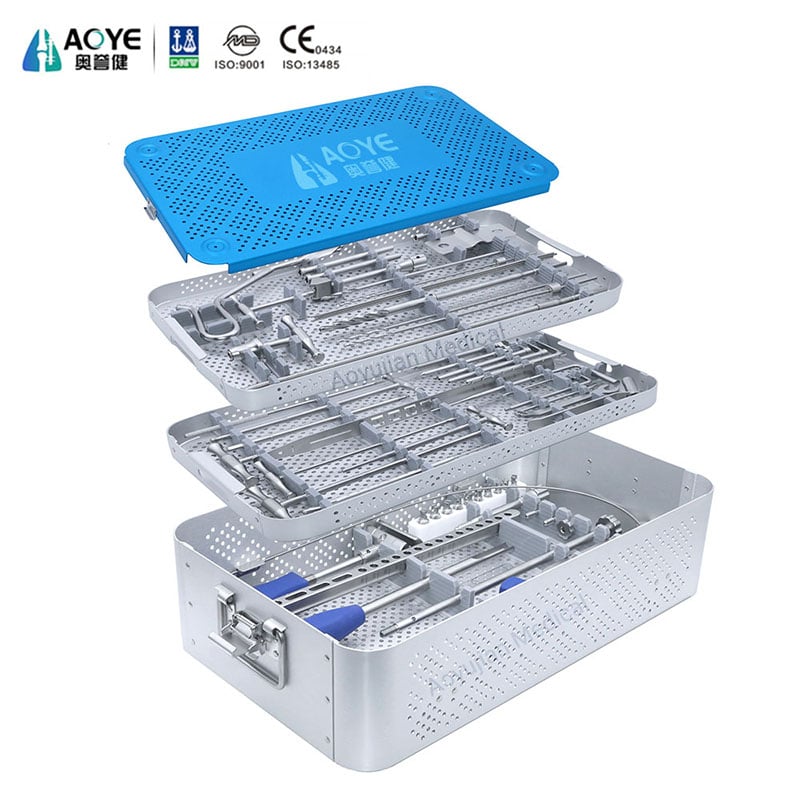
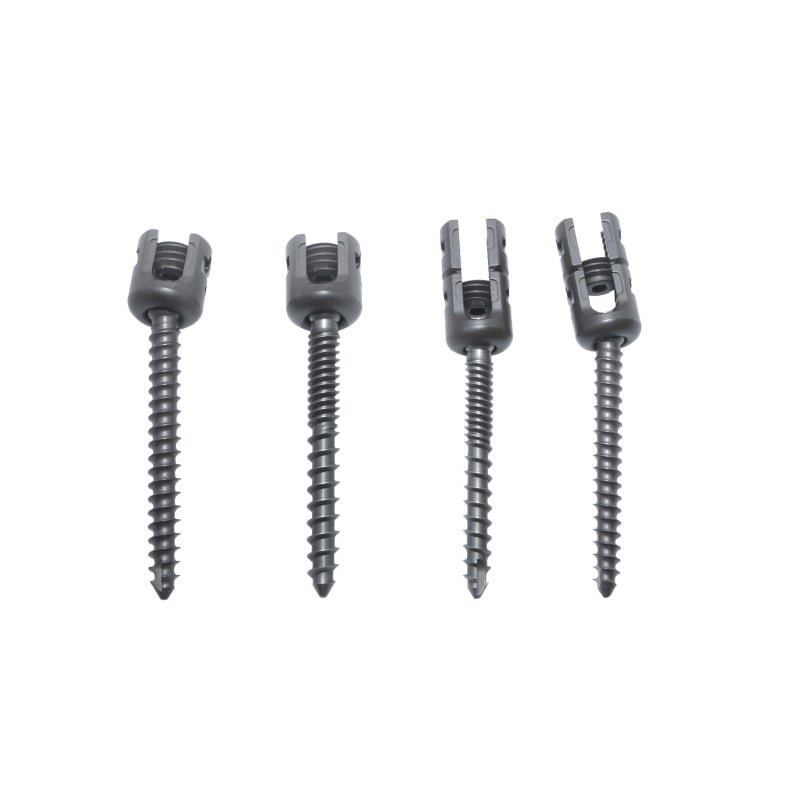
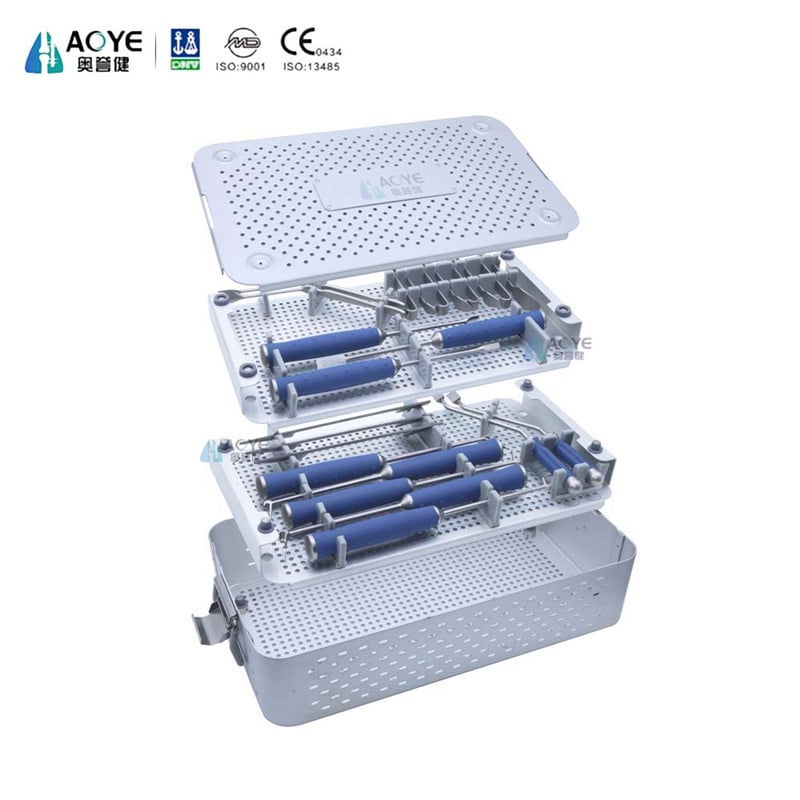
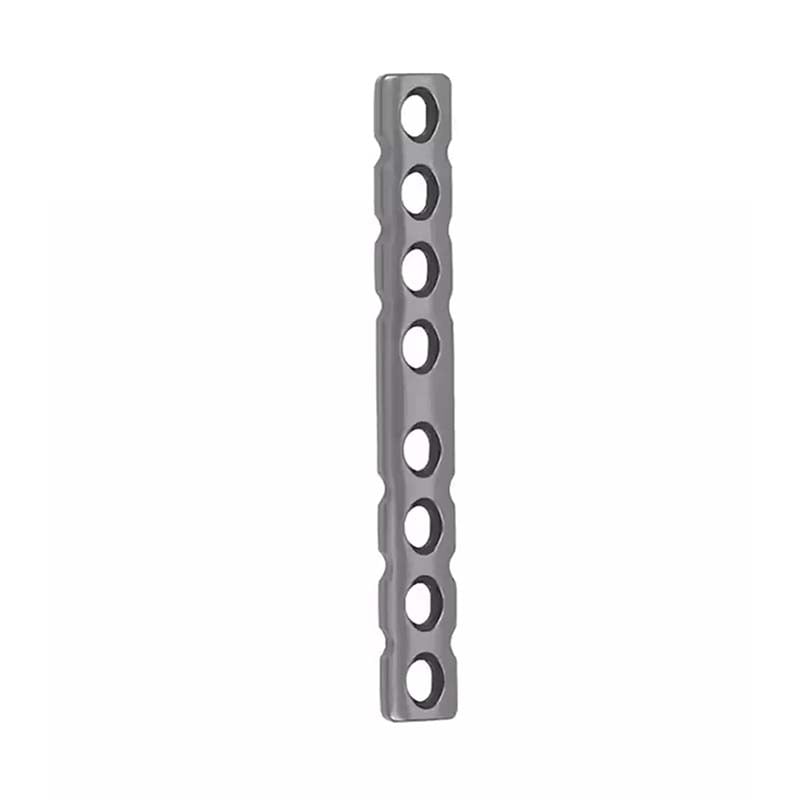
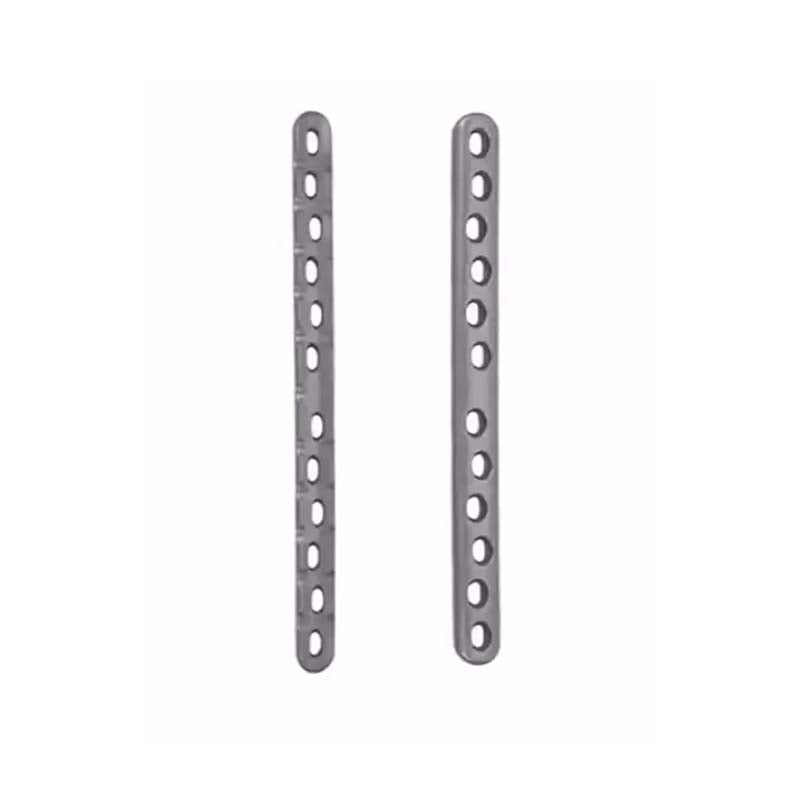
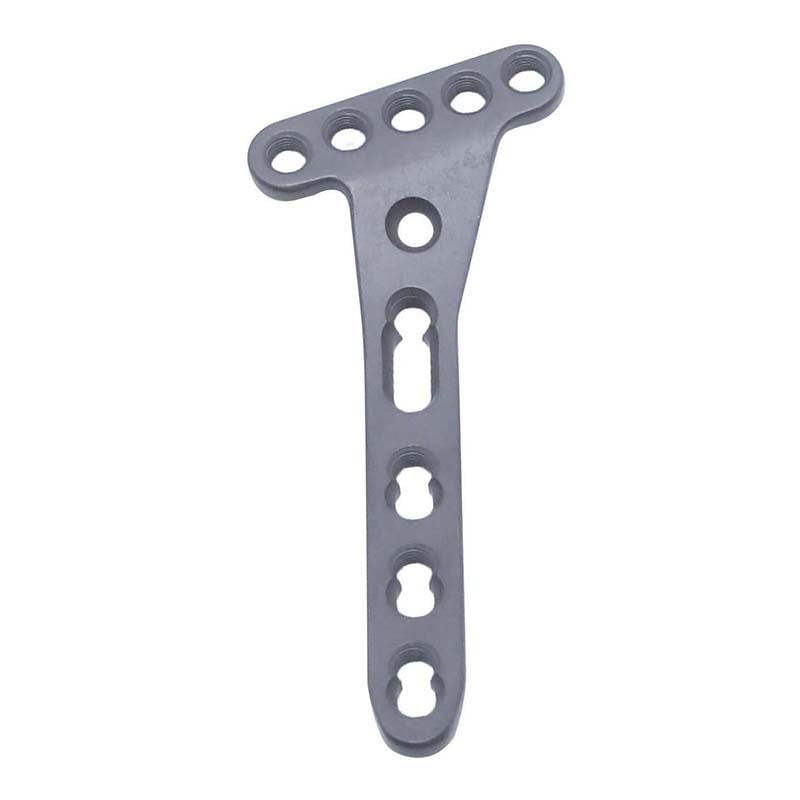
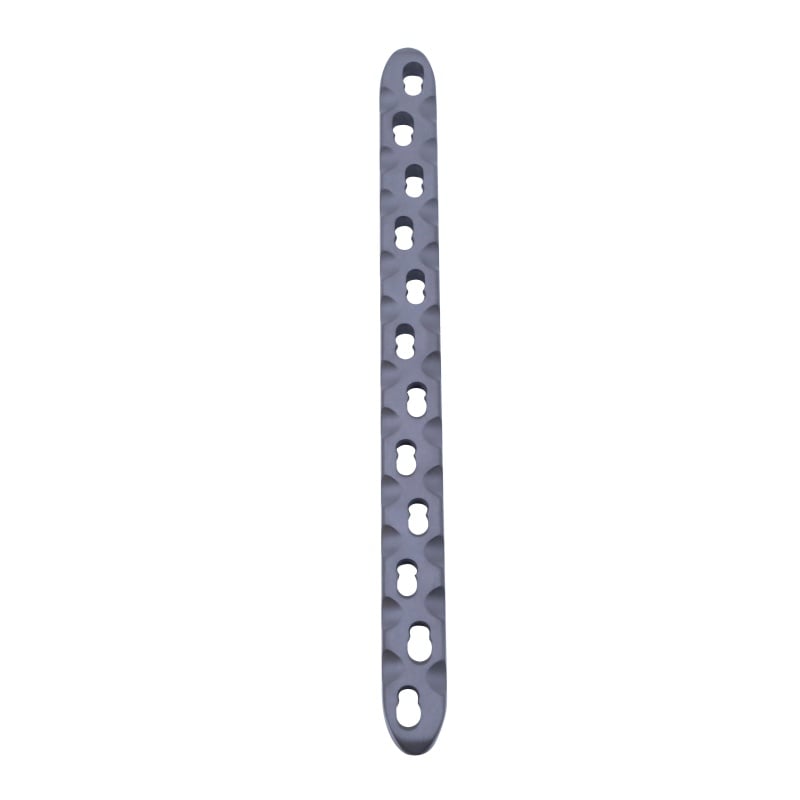
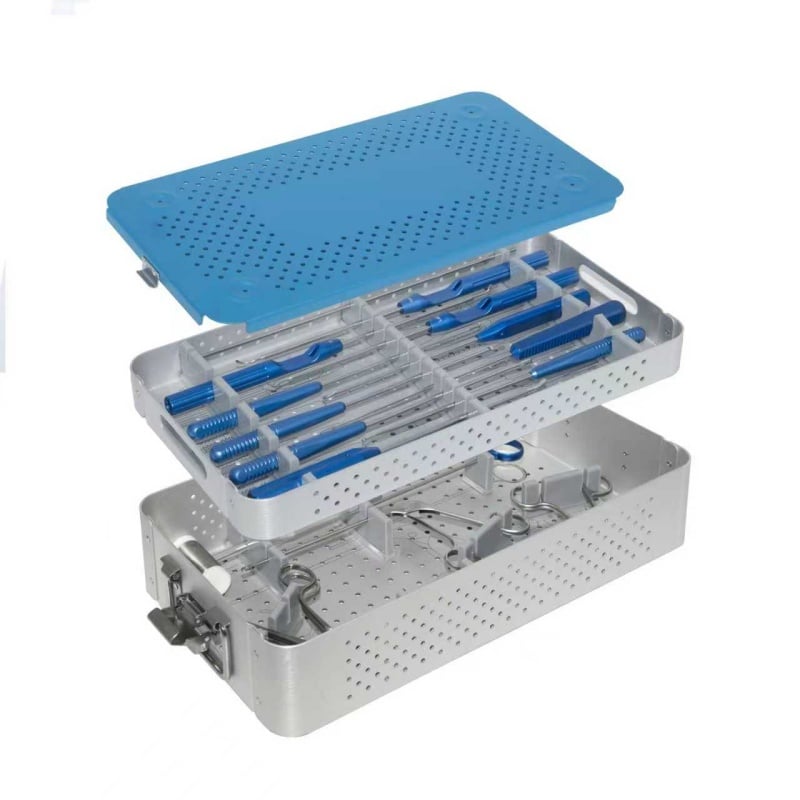
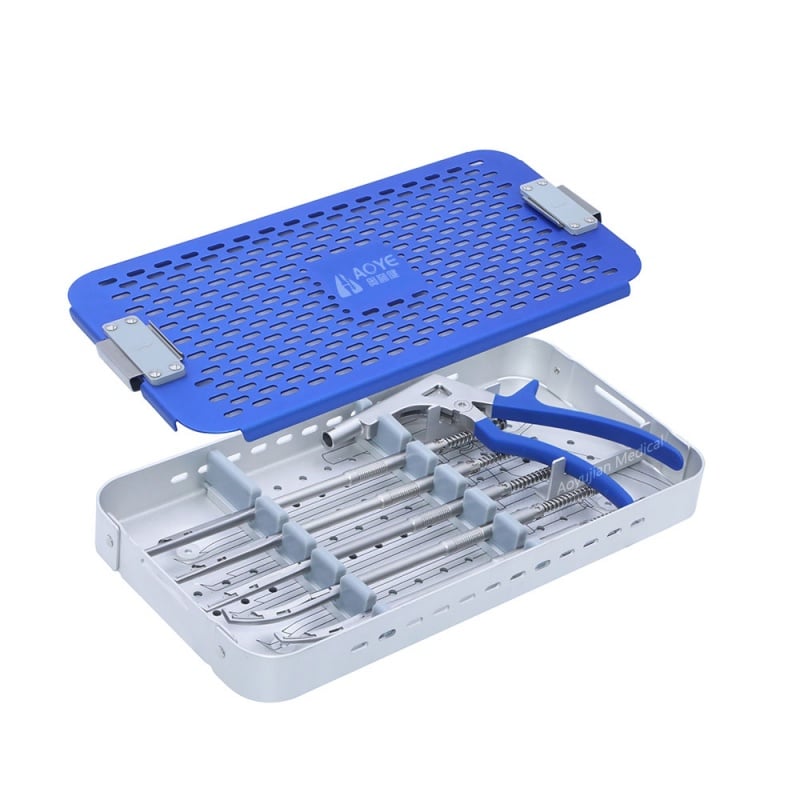
When it comes to sourcing ortho surgical equipment, purchasing managers and medical professionals face several critical concerns, including quality, cost, and compatibility. This article aims to provide insights into these concerns and help buyers effectively evaluate their options. From understanding cost factors for bulk orders to ensuring quality in manufacturing, we will cover essential aspects that influence purchasing decisions for ortho surgical equipment.
When assessing the cost of ortho surgical equipment for bulk orders, several factors come into play. First, the pricing structure often varies based on the quantity ordered. Manufacturers like Aoyujian Medical typically offer tiered pricing, where larger orders lead to reduced per-unit costs. However, buyers must also consider shipping costs, import duties, and potential tariffs, especially when dealing with international suppliers.
Another significant cost factor is the material selection for the surgical instruments. High-quality materials might increase initial costs but can lead to better performance, durability, and reduced replacement rates over time. It is crucial to balance upfront costs with long-term value. Additionally, customization options can also influence pricing, as tailored solutions often require additional design and production resources.
Finally, buyers should account for the orthopedic external fixator total cost of ownership, which includes maintenance, potential repairs, and the lifespan of the equipment. By evaluating these factors thoroughly, purchasing managers can make informed decisions that align with both their budget and operational needs.
Proper installation and setup of ortho surgical equipment are essential for maximizing their effectiveness. Buyers should request detailed installation guidelines from suppliers. Aoyujian Medical provides comprehensive instructions that cover everything from unpacking and inspecting the equipment to the final setup process.
When installing ortho surgical tools, it is important to ensure that all components are compatible and that the workspace is adequately prepared. Installation should be orthopedic medical devices performed by trained personnel to minimize the risk of errors. Additionally, buyers should verify that all necessary tools and accessories are included in the shipment to facilitate a smooth installation process.
Training for medical staff on the correct usage of these tools is also vital. Proper training not only ensures safety but also enhances the efficiency of surgical procedures. A thorough understanding of the instruments’ functionalities can reduce the likelihood of complications during surgeries.
Like any specialized equipment, ortho surgical instruments can present problems that may affect their performance and reliability. One common issue is the wear and tear of components, which can lead to diminished function over time. Regular maintenance and inspections are crucial to identify and address these issues proactively.
Another problem is the compatibility of instruments with different surgical techniques or equipment. Buyers should ensure that the chosen tools are suitable for their specific applications. Misalignment or improper use can result in complications during surgeries. Therefore, it is advisable to consult with manufacturers to confirm the suitability of instruments for particular surgical procedures.
In cases where equipment malfunctions occur, having a reliable support system in place is essential. Buyers should inquire about the manufacturer’s warranty and after-sales service. Aoyujian Medical, for example, offers support and replacement parts to help maintain optimal performance of their instruments.
The choice of materials in ortho surgical equipment significantly impacts their performance, durability, and safety. Common materials include stainless steel, titanium, and various polymers, each with unique benefits. Stainless steel is widely used for its corrosion resistance and strength, making it ideal for instruments that require sterilization and durability.
Titanium, on the other hand, is favored for its lightweight properties and biocompatibility, which is particularly important in implants and devices that will be used within the human body. Polymers may also be used in specific applications, such as surgical trays or protective covers, where flexibility and weight are critical.When selecting ortho medical devices instruments, buyers should consider the specific requirements of their surgical applications. For instance, instruments subjected to high-stress environments may necessitate more robust materials. Understanding these material advantages will guide purchasing decisions that align with clinical needs and patient safety.
Aoyujian Medical adheres to stringent quality control processes in the manufacturing of ortho surgical equipment. As an ISO13485 and CE certified manufacturer, they ensure compliance with international standards that govern medical device quality and safety. This certification reflects a commitment to producing reliable, high-quality instruments that meet the rigorous demands of healthcare professionals.
Quality assurance measures include rigorous testing of materials, detailed inspections of manufacturing processes, and thorough validation of final products. Buyers can expect comprehensive documentation that outlines the specifications and testing results of their ordered instruments. This level of transparency is crucial in building trust and ensuring that the products meet the required performance standards.
Additionally, Aoyujian Medical's experience in exporting to 45 countries provides insights into diverse market requirements and regulatory standards. This exposure enhances their ability to adapt their manufacturing processes to meet various international quality expectations.
By focusing on quality at every stage of production, Aoyujian Medical aims to provide ortho surgical equipment that not only meets but exceeds the expectations of their partners and end-users.
Aoyujian Medical Technology provides trusted orthopedic solutions, high-quality implants, OEM/ODM services, and global shipping for hospitals & distributors.
No. 2 Changting Road, Gehu Farm, Wujin Economic Development Zone, Changzhou, Jiangsu, China
Copyright © Aoyujian Medical Technology (Changzhou) Co., Ltd. All Rights Reserved - Privacy Policy - Blog
 EN