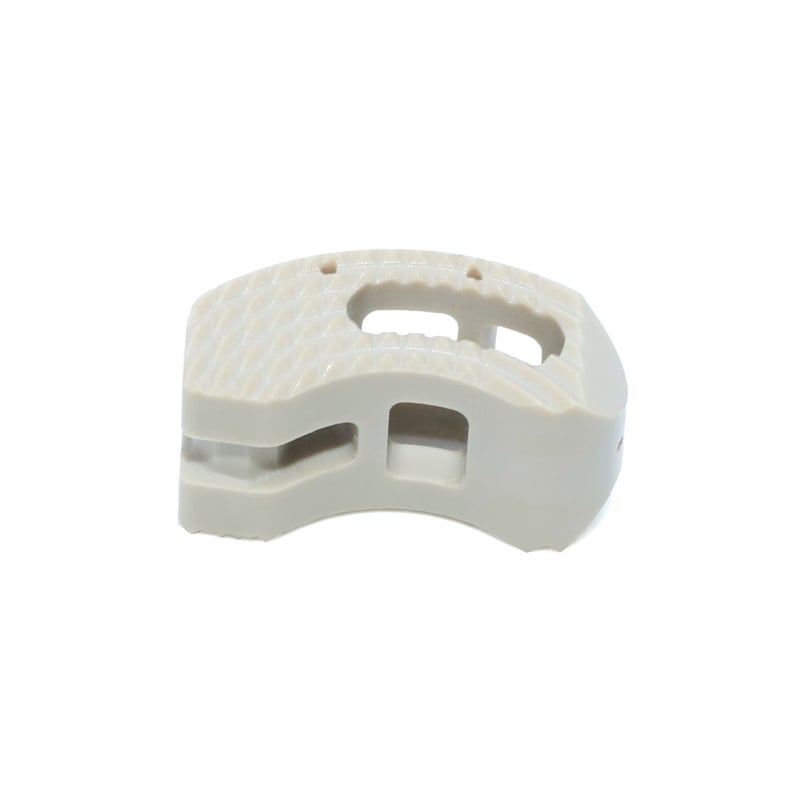
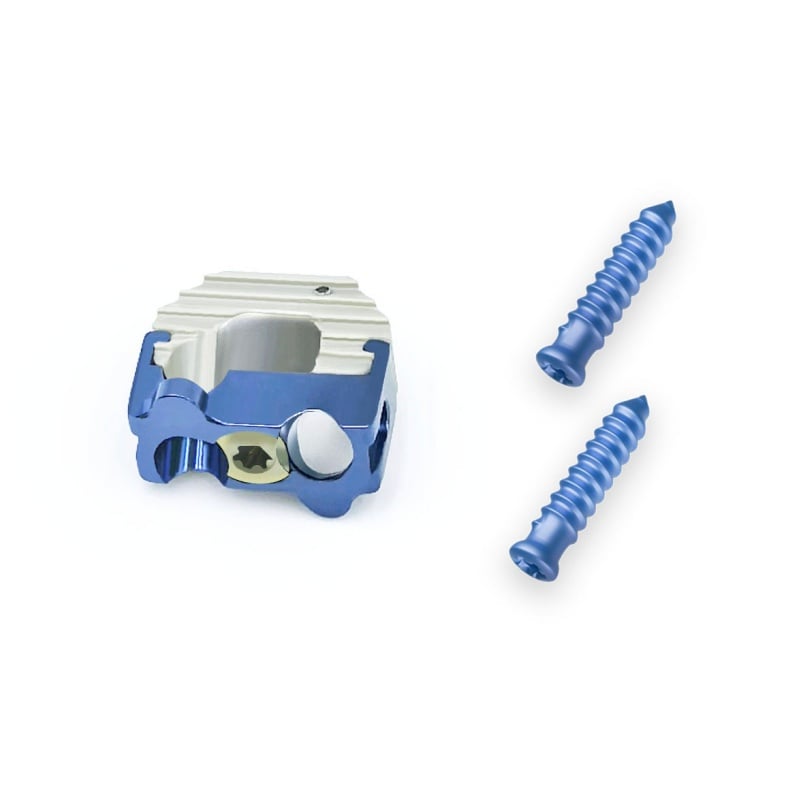
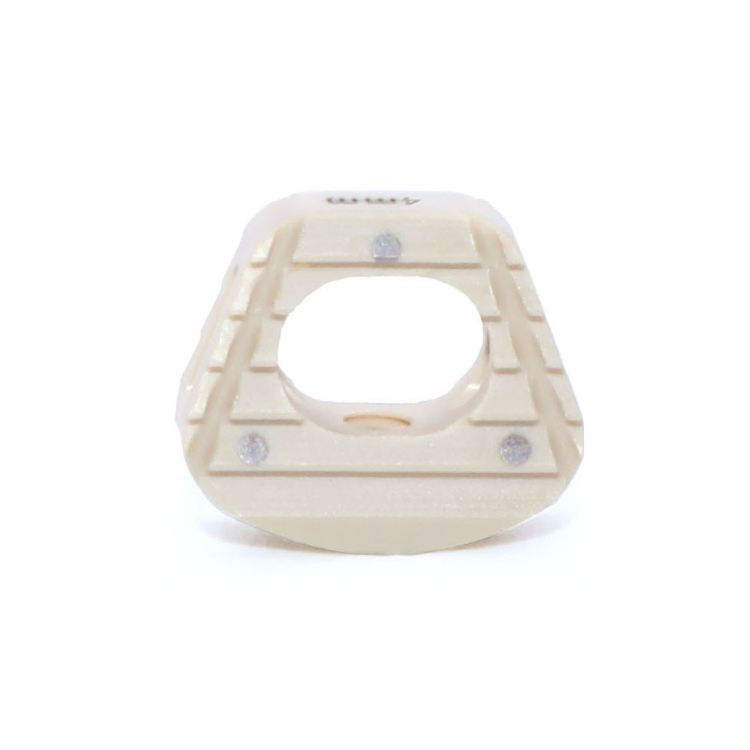
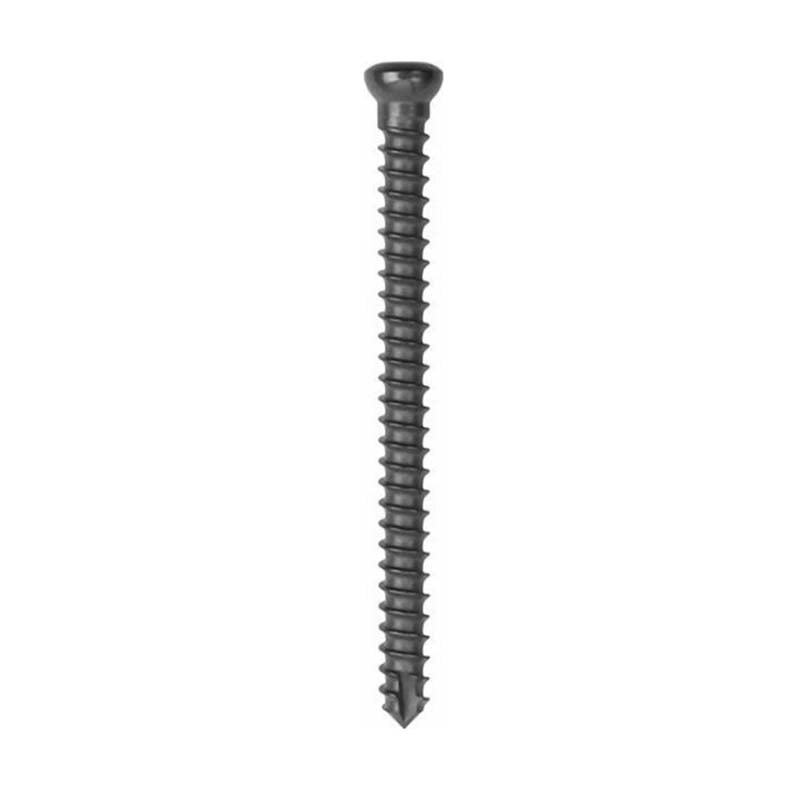
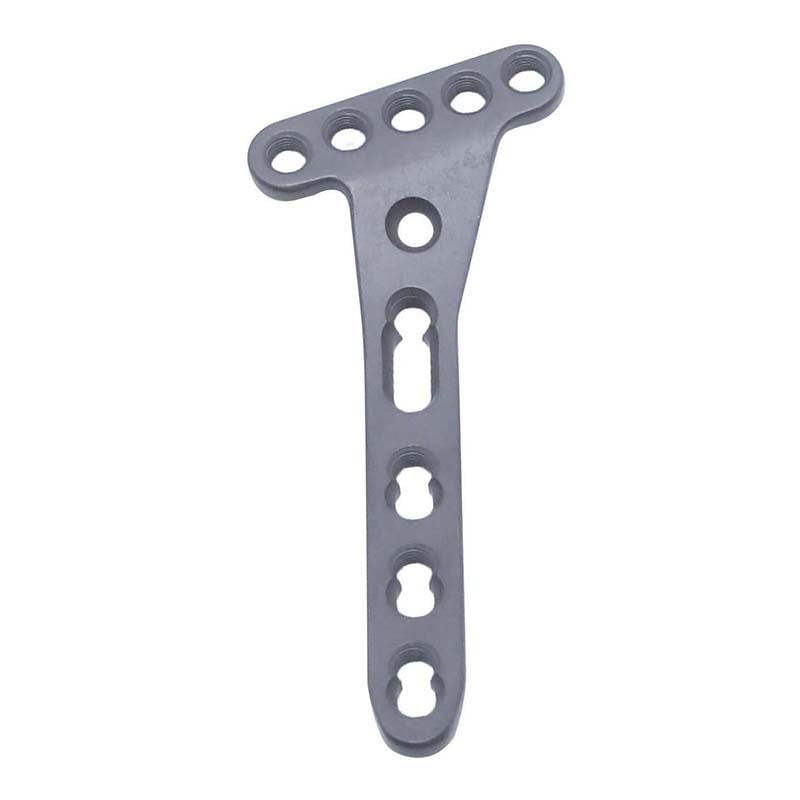
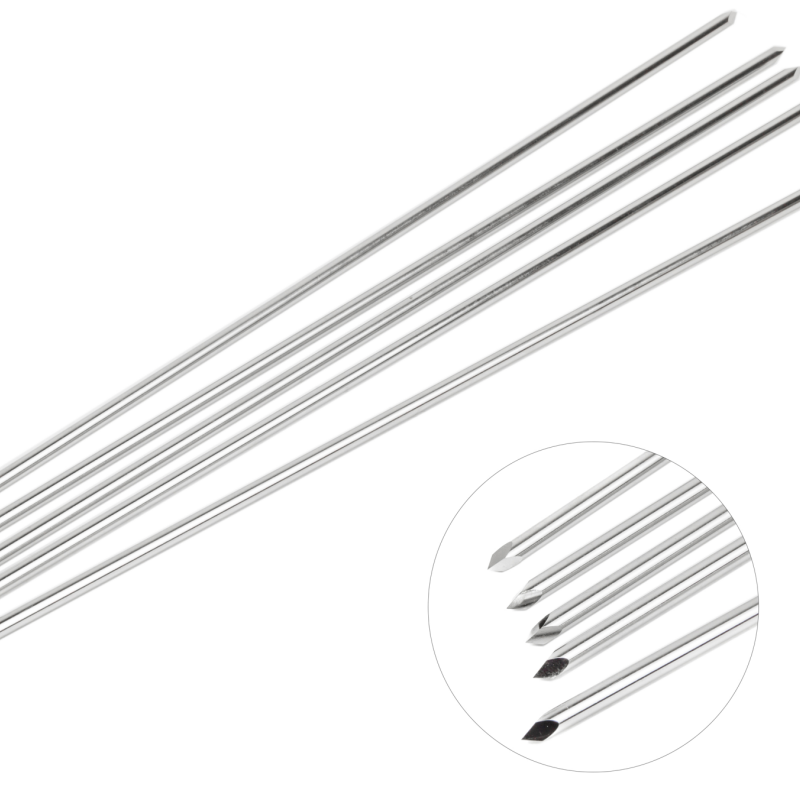
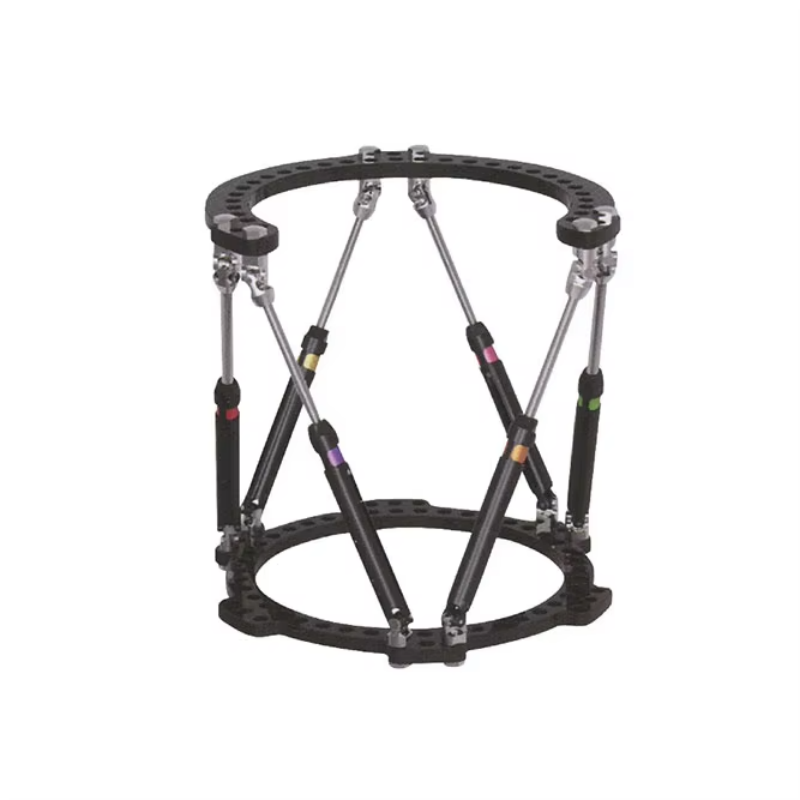
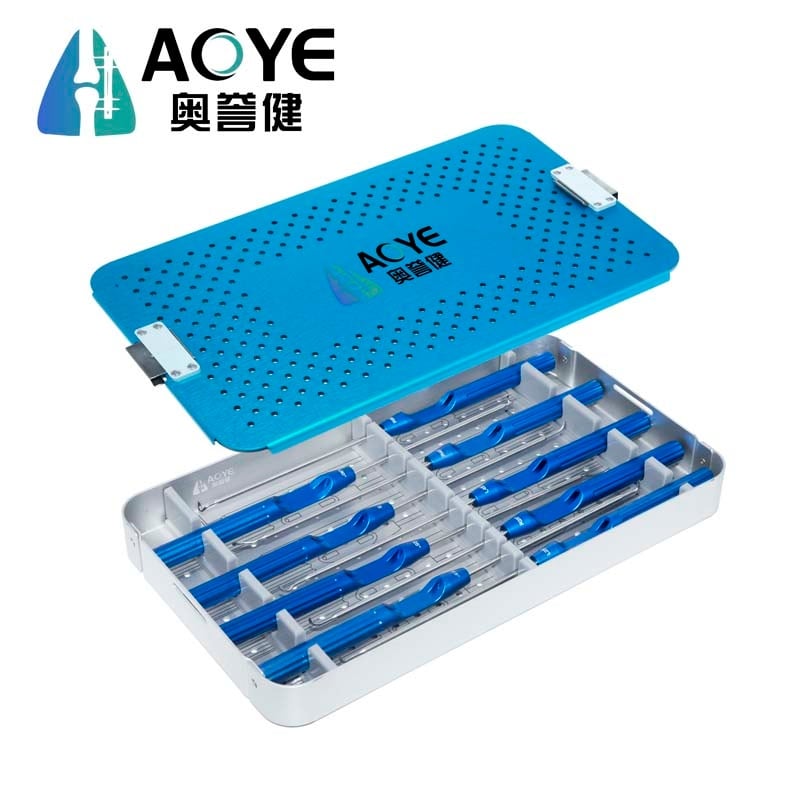
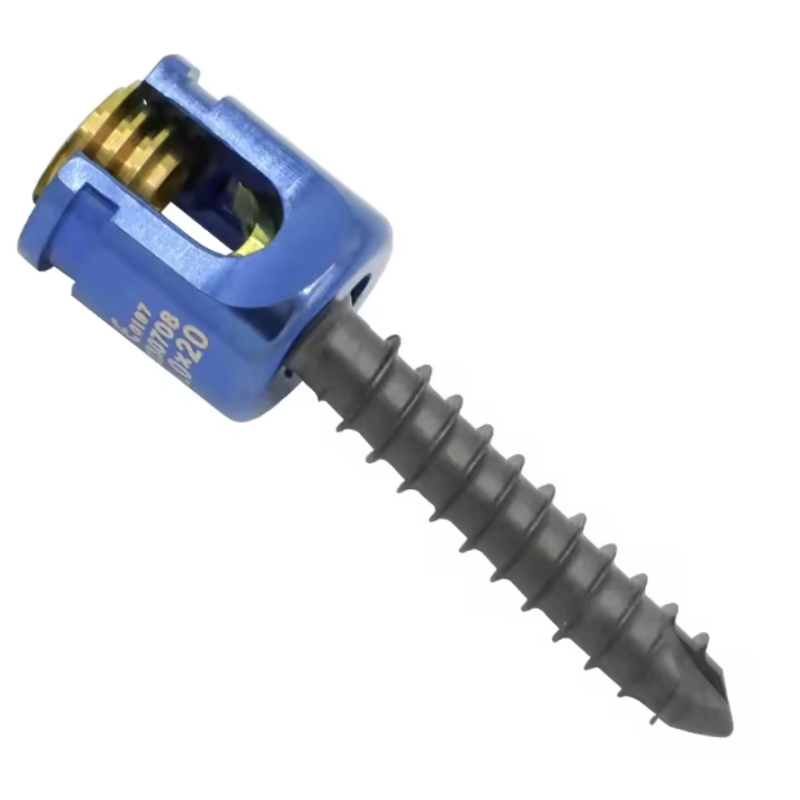
Orthopedic surgery relies heavily on specialized instruments designed for precision, safety, and reliability. These orthopedic instruments set are critical for various procedures, including trauma, spine, and sports medicine. For buyers in the medical field, concerns often revolve around the quality, material, and suitability of these instruments for specific applications. This article will explore key factors in selecting instruments used for orthopedic surgery, addressing quality evaluation, material advantages, installation guidance, common procedural issues, and cost considerations for bulk purchases.
When assessing the quality of orthopedic instruments, buyers should focus on several key criteria. Firstly, it is essential to consider the certifications of the manufacturer, such as ISO13485 and CE, which indicate compliance with international quality management standards. Aoyujian Medical, for instance, holds these certifications, ensuring that its instruments meet rigorous safety and performance benchmarks.
Additionally, the manufacturing process plays a crucial role in quality assurance. Buyers should inquire about the materials used, as high-grade stainless steel or titanium offers superior strength and corrosion resistance. Quality control processes should also be scrutinized. Manufacturers should implement stringent testing protocols at various production stages to detect defects early. For example, visual inspections, dimensional checks, and functional tests can help ensure that each instrument performs reliably during surgery.
Finally, it is wise to evaluate the manufacturer's reputation and feedback from other healthcare professionals. Direct recommendations and case studies can provide insights into the performance and durability of the instruments in real-world applications.
The choice of materials significantly impacts the performance and longevity of orthopedic surgical instruments. Stainless steel is commonly used for its strength and resistance to rust, making it suitable for various surgical applications. It is also relatively easy to sterilize, an essential factor in maintaining hygiene in surgical environments.
On the other hand, titanium has gained popularity in orthopedic instruments due to its lightweight nature and exceptional strength-to-weight ratio. This characteristic is particularly beneficial for instruments used in long-duration surgeries, as it reduces surgeon fatigue while maintaining precision. Additionally, titanium’s biocompatibility ensures minimal adverse reactions when in contact with human tissue.
Another consideration is the surface treatment of these materials. For instance, anodizing or passivation can enhance corrosion resistance and reduce friction during surgical procedures. Buyers should assess the specific requirements of their surgical applications to select materials that provide the best performance and safety.
Proper installation and setup of orthopedic surgical instruments are vital for their effective use. Before surgery, healthcare professionals should familiarize themselves with the instruments, including their intended use and operational mechanisms. This understanding can prevent operational errors that may arise during procedures.
Additionally, manufacturers often provide guidance on instrument handling and sterilization. It is crucial to follow these instructions to ensure that the instruments remain in optimal condition. For instance, using the correct cleaning solutions and techniques can prevent damage and contamination, thereby extending the lifespan of the instruments.
Moreover, purchasing managers should consider requesting training or demonstration sessions from the manufacturer. This hands-on experience can significantly enhance the surgical team's confidence and proficiency in using the orthopedic machine, ultimately leading to better patient outcomes.
Despite best efforts, various challenges can arise during orthopedic procedures. Common issues include instrument malfunction, insufficient sterilization, and compatibility problems with surgical techniques or patient anatomy.
Instrument malfunction can often be attributed to inadequate maintenance or improper storage. To mitigate this risk, it is essential to establish a routine inspection protocol that includes checking for wear and replacing any damaged instruments. Additionally, maintaining a clean and organized storage environment can prevent contamination and facilitate quick access during surgeries.
Insufficient sterilization can lead to severe complications, including infections. Therefore, it is important for surgical teams to verify that all instruments are properly sterilized before each use. This can be achieved by implementing strict sterilization protocols and conducting regular audits to ensure compliance.
Finally, compatibility issues may arise when instruments are not suited for specific surgical techniques or patient conditions. It is advisable for purchasing managers to consult with surgeons when selecting instruments, ensuring that the chosen tools meet the procedural requirements.
When it comes to purchasing surgical instruments in bulk, cost factors play a crucial role in decision-making. While it may be tempting to choose the lowest-priced options, buyers should consider the total cost of ownership, including durability, maintenance, and potential replacement expenses.
One significant factor influencing cost is material quality. The orthopedic equipment made from high-quality materials like stainless steel or titanium may have a higher upfront cost but can offer better longevity and performance, ultimately reducing replacement frequency. Additionally, manufacturers that provide comprehensive warranties or guarantees can offer peace of mind regarding long-term investments.
Another cost consideration is the minimum order quantity (MOQ). Some manufacturers may require large MOQs, which can impact initial purchasing decisions. Buyers should evaluate their current needs and potential future demand to avoid overcommitting to inventory that may not be immediately necessary.
Finally, shipping and handling costs should not be overlooked. Engaging with suppliers that can efficiently manage logistics and provide transparent pricing can lead to more favorable overall costs. It is beneficial to discuss delivery timelines and any potential additional fees during the procurement process.
In summary, selecting the right instruments used for orthopedic surgery requires a multifaceted approach that considers quality, material advantages, proper installation, common procedural challenges, and cost factors. By focusing on these key areas, buyers can make informed decisions that enhance surgical outcomes and improve operational efficiency.
Aoyujian Medical Technology provides trusted orthopedic solutions, high-quality implants, OEM/ODM services, and global shipping for hospitals & distributors.
No. 2 Changting Road, Gehu Farm, Wujin Economic Development Zone, Changzhou, Jiangsu, China
Copyright © Aoyujian Medical Technology (Changzhou) Co., Ltd. All Rights Reserved - Privacy Policy - Blog
 EN