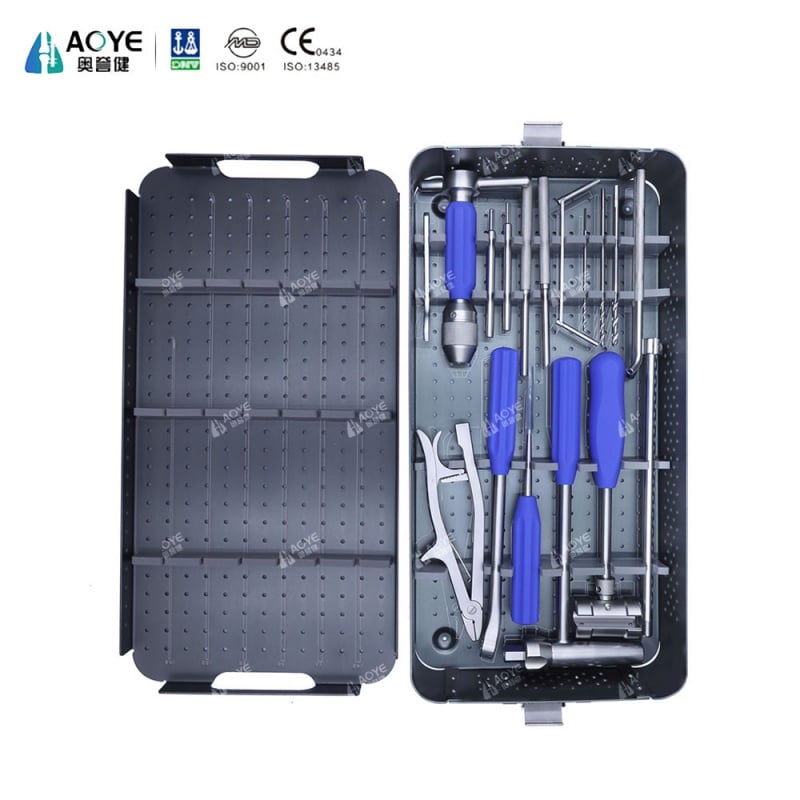
Choosing the right orthopedic surgery instruments is crucial for healthcare professionals involved in trauma, spine, and sports medicine. As a specialized manufacturer of these instruments, Aoyujian Medical understands the concerns of purchasing managers and medical professionals regarding quality, reliability, and compliance. This article will guide you in selecting, sourcing, and installing orthopedic surgery instruments effectively, while addressing common challenges and highlighting their applications in modern medicine.
When selecting orthopedic surgery instruments, several key factors should be considered to ensure they meet clinical demands. First, evaluate the material composition; stainless steel is a common choice due to its corrosion resistance and durability, which are essential in surgical environments. Instruments made from high-grade materials can withstand repeated sterilization without degrading, ensuring longevity and reliability.
Next, consider the specific application of the instruments. For example, trauma instruments may require different specifications compared to those used in spinal procedures. Ensuring that the instruments are designed for their intended purpose can significantly impact surgical outcomes. It is also important to assess ergonomics; instruments should provide optimal handling for the surgeon, reducing fatigue during lengthy procedures.
Lastly, certification is a critical indicator of quality. Ensure that the instruments are manufactured by ISO13485-certified facilities, as this ensures compliance with international quality management standards specific to medical devices. Aoyujian Medical’s ISO13485 and CE certifications reinforce our commitment to quality and safety in orthopedic medical supplies.
Sourcing orthopedic surgery instruments requires strategic planning to ensure efficiency and cost-effectiveness. Start by identifying reputable manufacturers with a track record in the industry. Look for companies that have experience in exporting to various markets; Aoyujian Medical has successfully partnered with clients in 45 countries, demonstrating our capability to meet diverse global demands.
When requesting quotes, provide detailed specifications, including the type of instruments, quantities, and any customization needs. This clarity will help suppliers provide accurate pricing and lead times. Additionally, consider establishing a long-term relationship with manufacturers who can offer favorable terms, such as volume discounts or flexible minimum order quantities (MOQ).
Utilizing online platforms and trade shows can also be a great way to find suppliers. These venues often showcase innovative products and allow for direct interaction with manufacturers, enabling you to ask questions about their production processes and quality controls.
Proper installation of orthopedic surgery instruments is crucial for ensuring their effectiveness and safety during procedures. Before installation, it is essential to review the manufacturer's guidelines for each instrument. This includes understanding the specific sterilization procedures recommended, as improper sterilization can lead to surgical site infections.
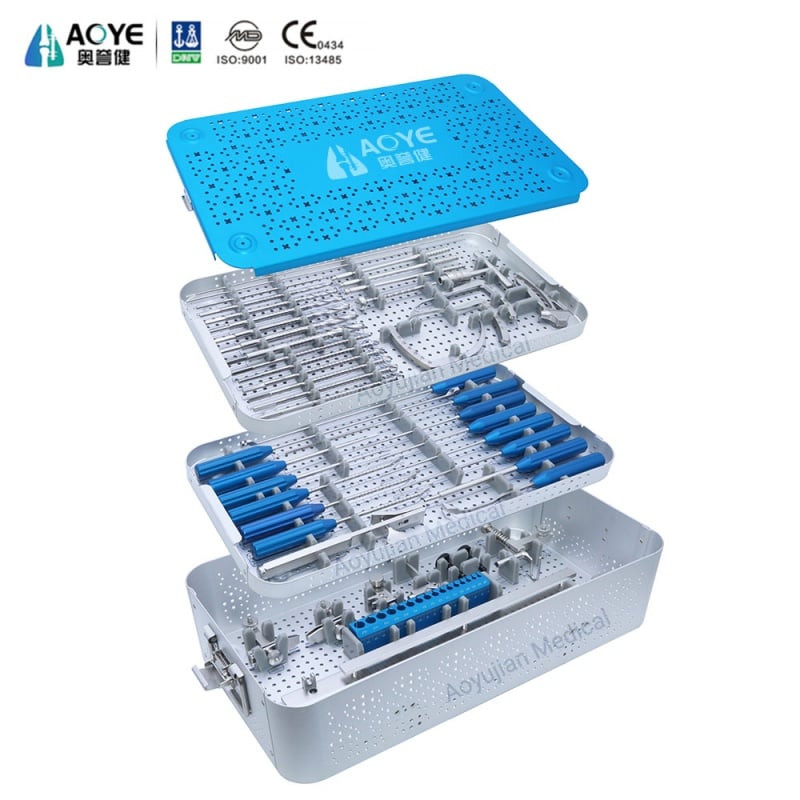
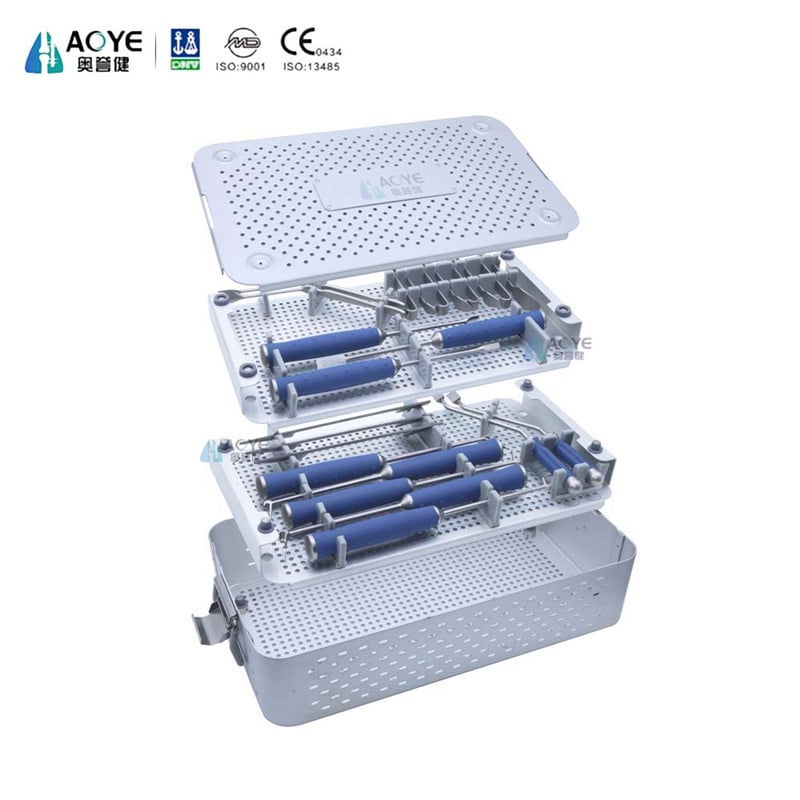
During installation, ensure all instruments are assembled correctly and function smoothly. Performing a pre-surgery checklist can help identify any issues before the actual procedure. If applicable, use instrument trays that are designed for specific surgical sets to avoid misplacement and ensure that all necessary tools are readily available.
Training for surgical staff on the handling and usage of these instruments is vital. Regular training sessions can help familiarize them with the instruments, improving operational efficiency and patient safety. Aoyujian Medical provides guidance and support to our partners to ensure that they are well-equipped to utilize our orthopedic surgical instruments effectively.
Despite the best planning, issues with orthopedic surgery instruments can arise. One common problem is instrument wear and tear, which can affect performance. Regular maintenance and inspection of instruments after each use can help identify signs of wear early. It’s advisable to establish a routine for checking instruments for any damage or malfunction before and after each procedure.
Another issue is the compatibility of instruments with surgical techniques or equipment. To mitigate this, ensure that all orthopedic medical equipment are compatible with the surgical procedures being performed. Consulting with the manufacturer about specific applications can also clarify any compatibility concerns.
Lastly, communication with the supplier about any concerns regarding instrument performance is essential. A reliable manufacturer will provide support and may offer solutions such as replacements or repairs under warranty conditions. Building a strong relationship with your supplier can facilitate quicker resolutions to issues as they arise.
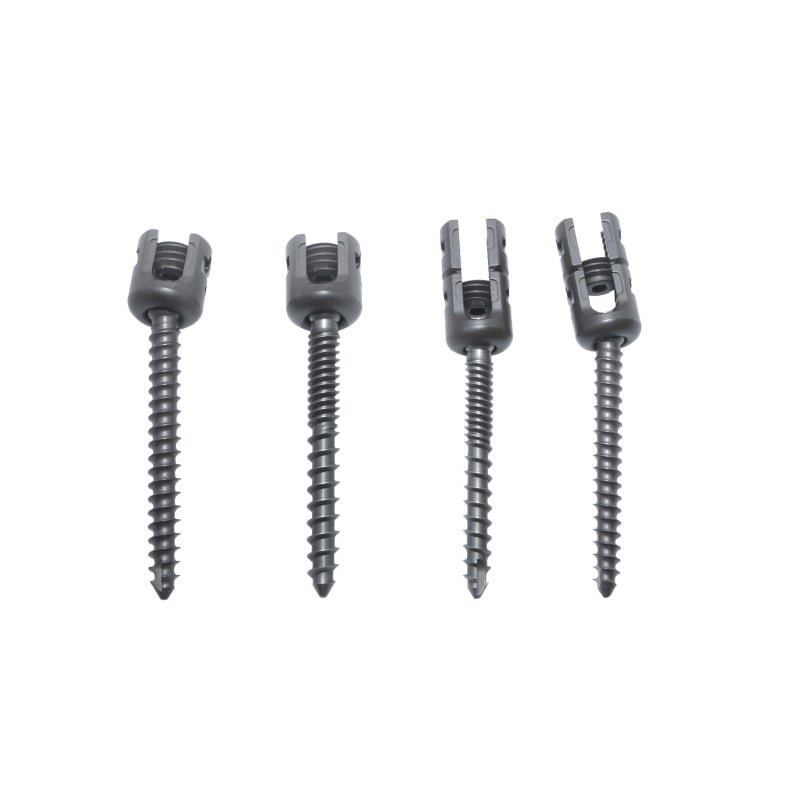
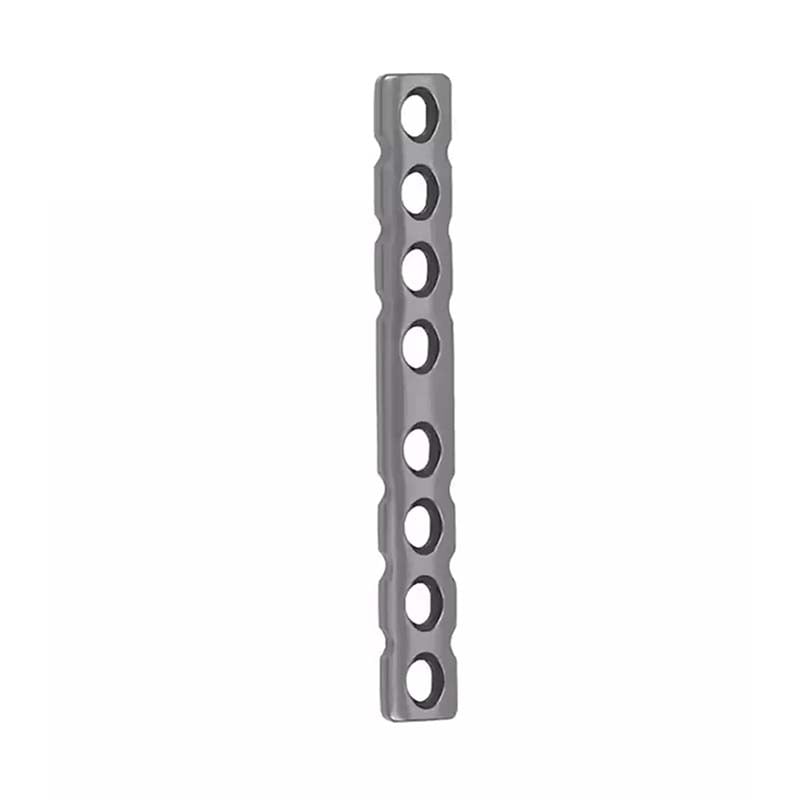
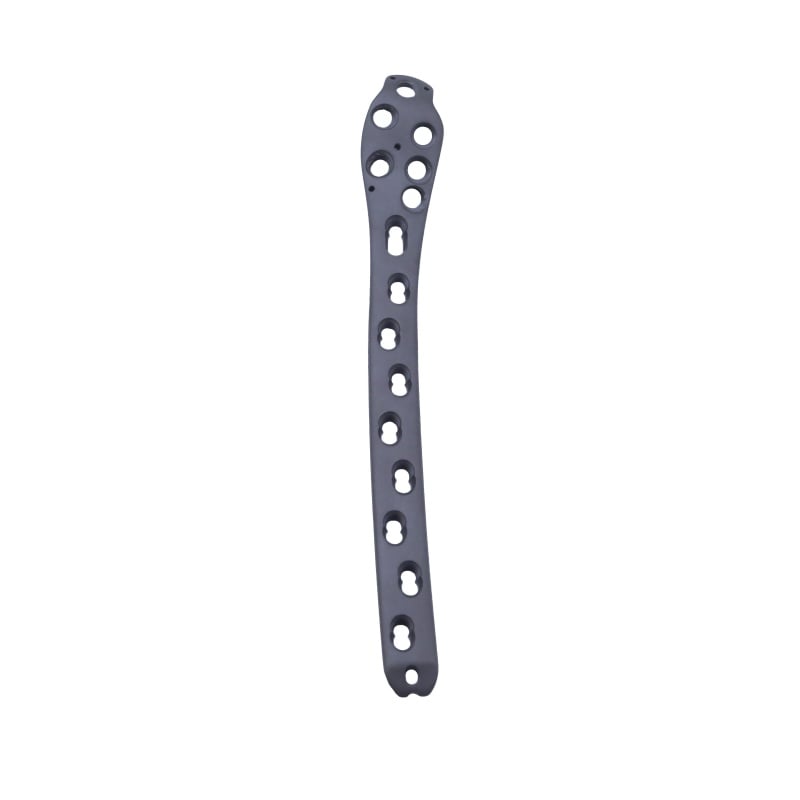
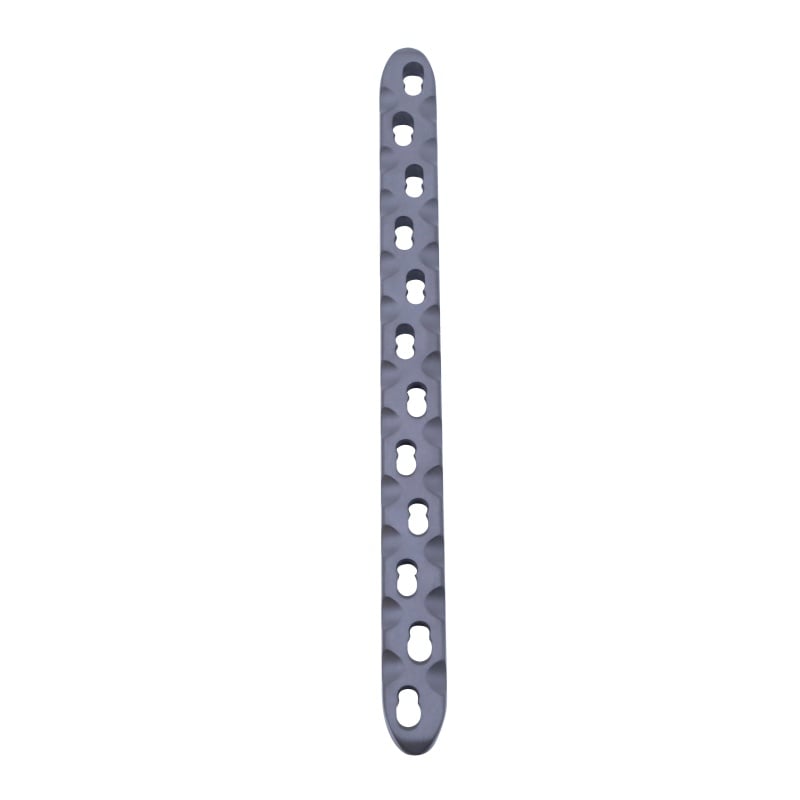
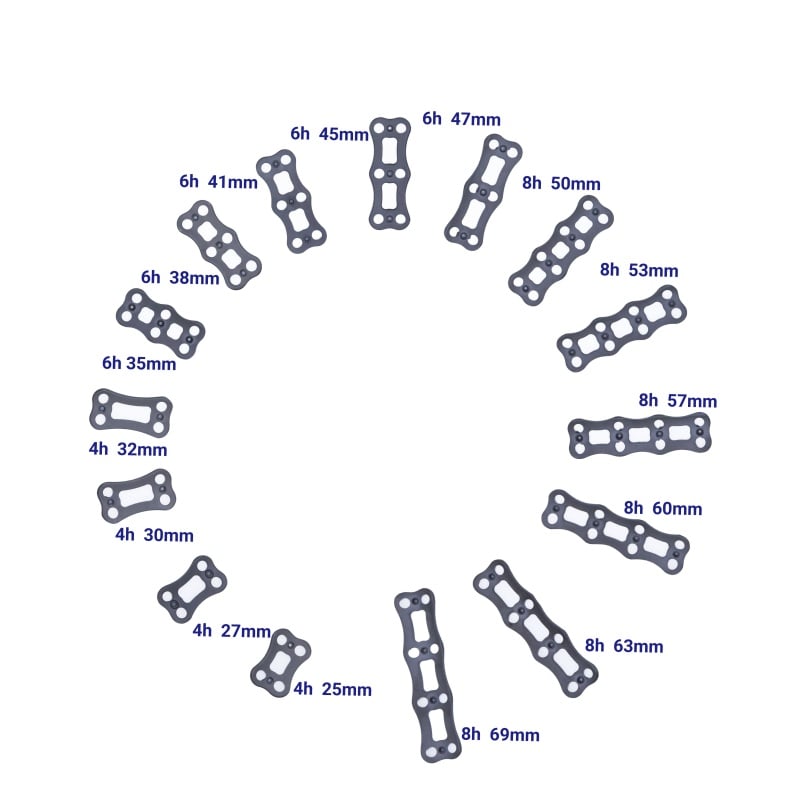
Orthopedic surgery instruments play a pivotal role in various medical applications, from trauma repair to spinal surgeries and sports medicine procedures. In trauma cases, specialized instruments such as internal fixation devices, bone screws, and plates are essential for stabilizing fractures and facilitating healing.
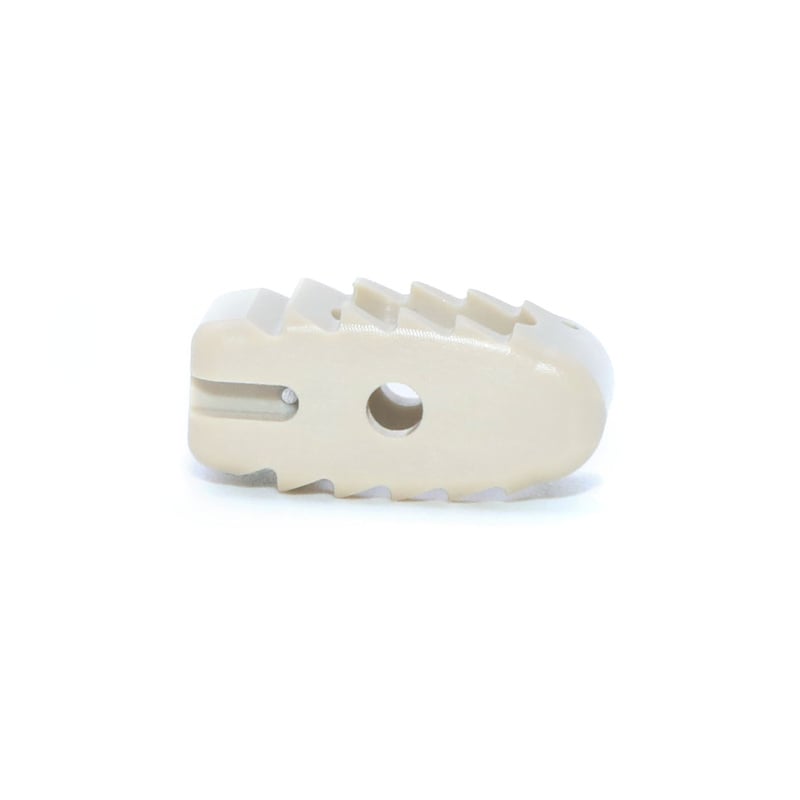
In spinal surgery, instruments such as retractors, drills, and surgical instruments designed for minimally invasive techniques are critical for achieving successful outcomes. These instruments allow surgeons to perform complex procedures with precision, reducing recovery times for patients.
Additionally, in sports medicine, orthopedic instruments are used to treat injuries related to athletic activities, supporting the growing demand for advanced surgical solutions. As the healthcare landscape evolves, the need for innovative and reliable orthopedic surgery instruments continues to grow, making it imperative for medical professionals to stay informed about the latest advancements in the field.
By understanding the applications and specifications of orthopedic surgery instruments, healthcare providers can enhance patient care and surgical outcomes.
Aoyujian Medical Technology provides trusted orthopedic solutions, high-quality implants, OEM/ODM services, and global shipping for hospitals & distributors.
No. 2 Changting Road, Gehu Farm, Wujin Economic Development Zone, Changzhou, Jiangsu, China
Copyright © Aoyujian Medical Technology (Changzhou) Co., Ltd. All Rights Reserved - Privacy Policy - Blog
 EN