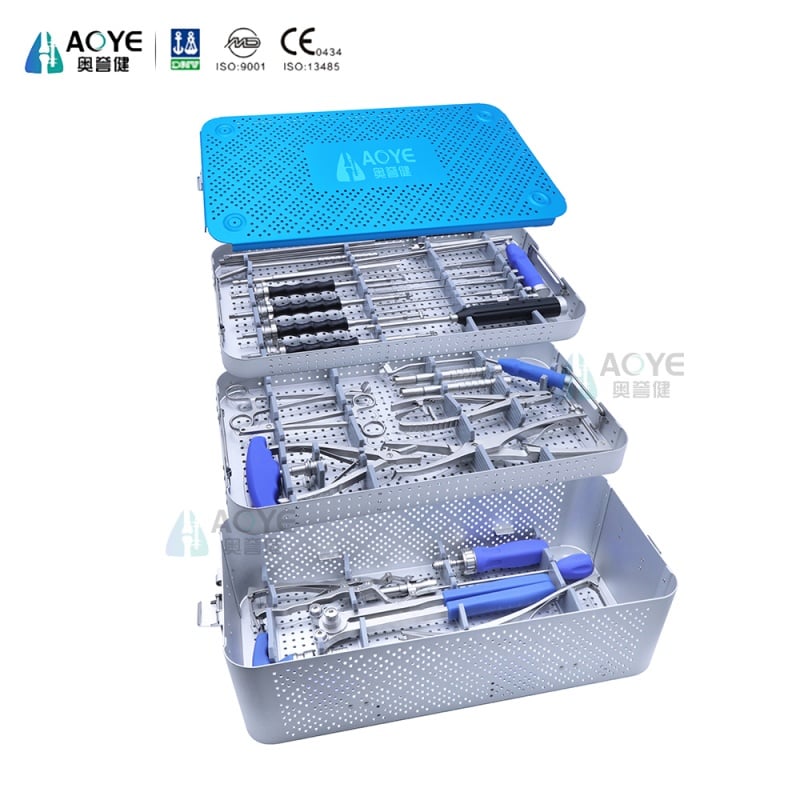
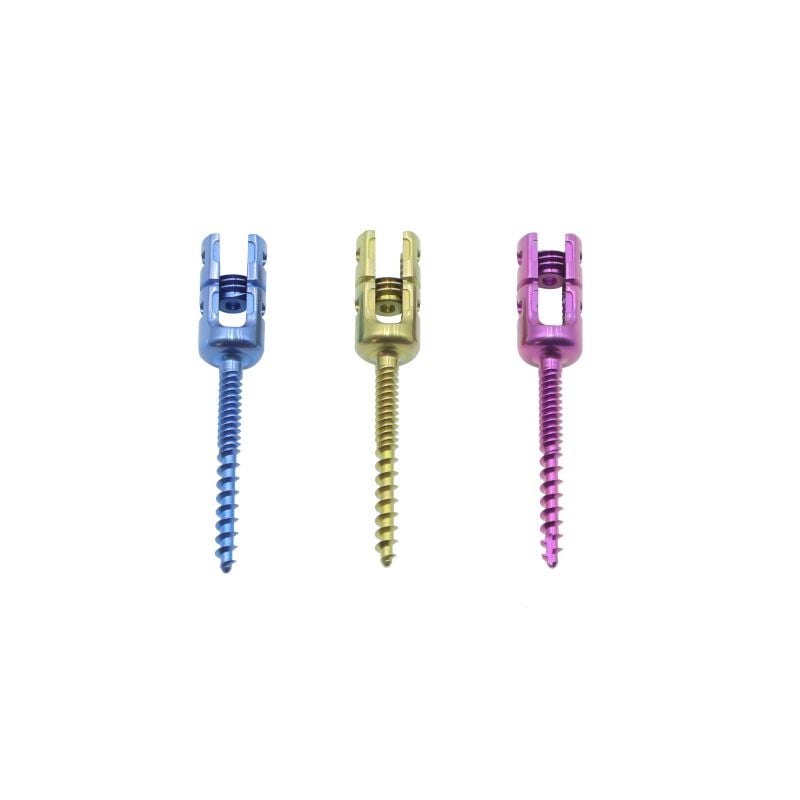
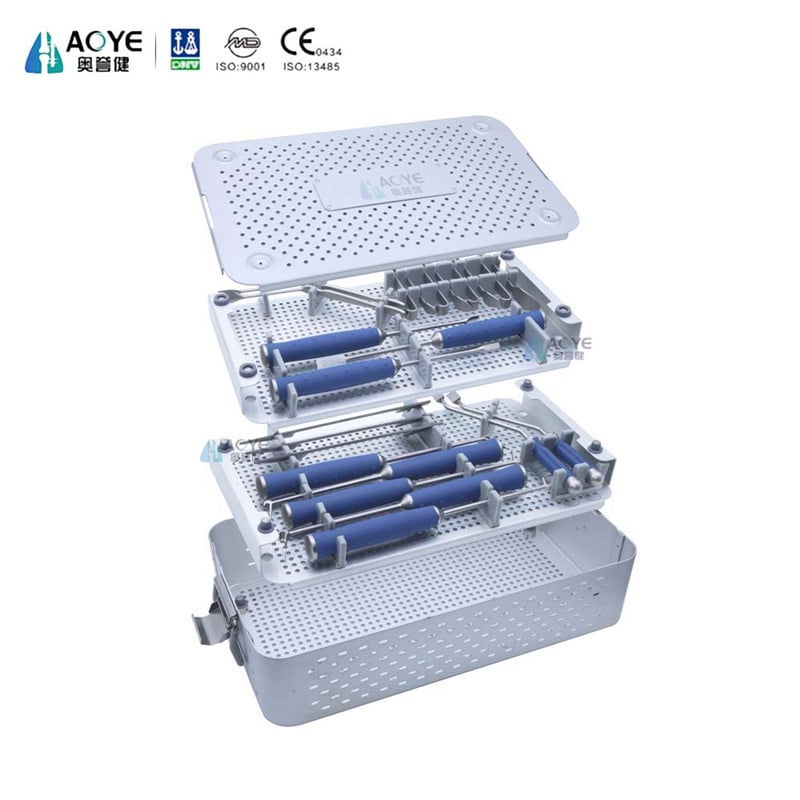
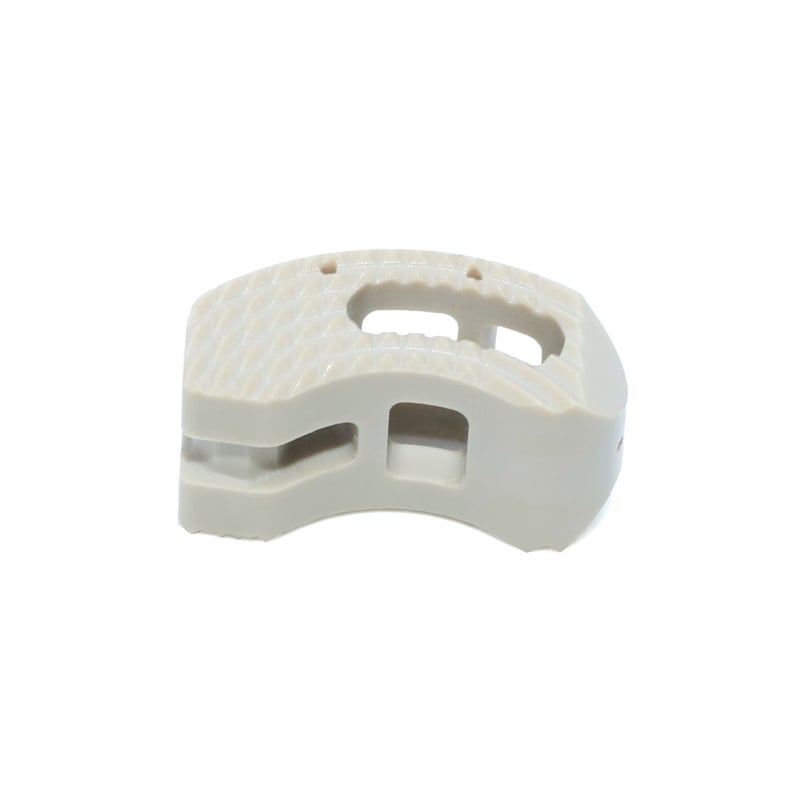
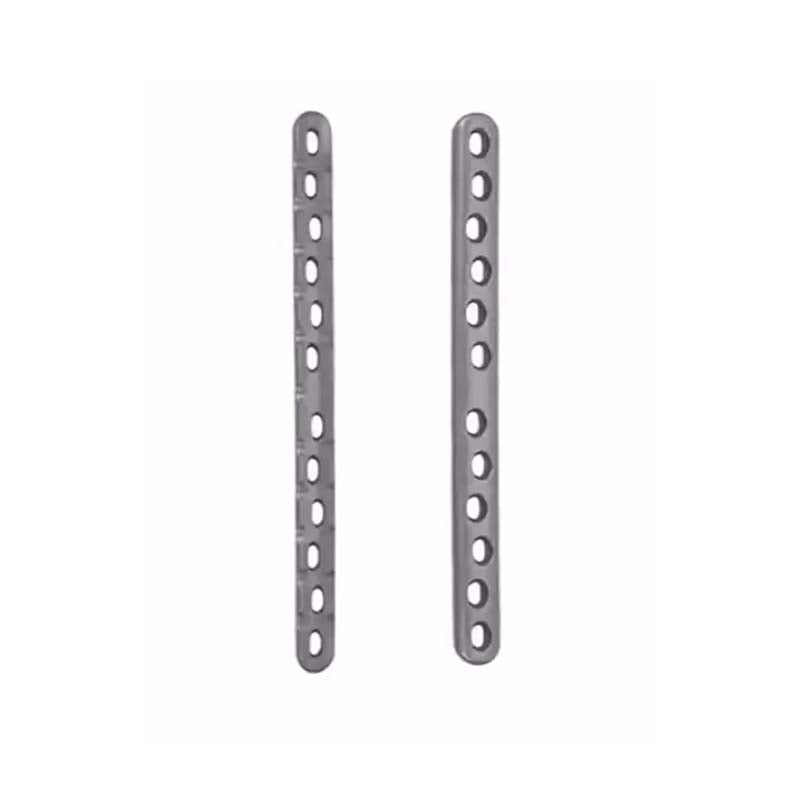
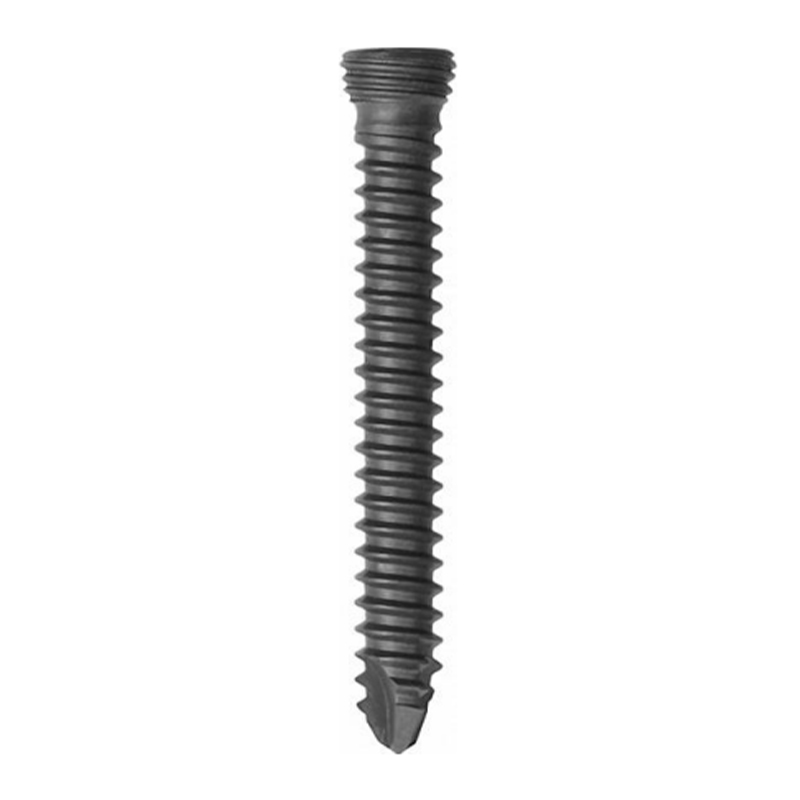
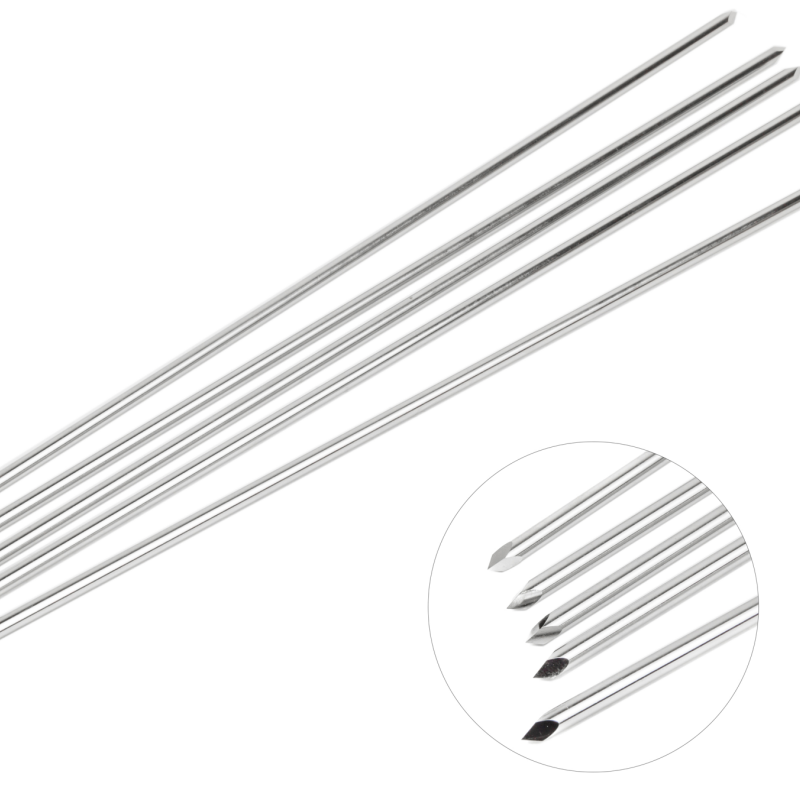
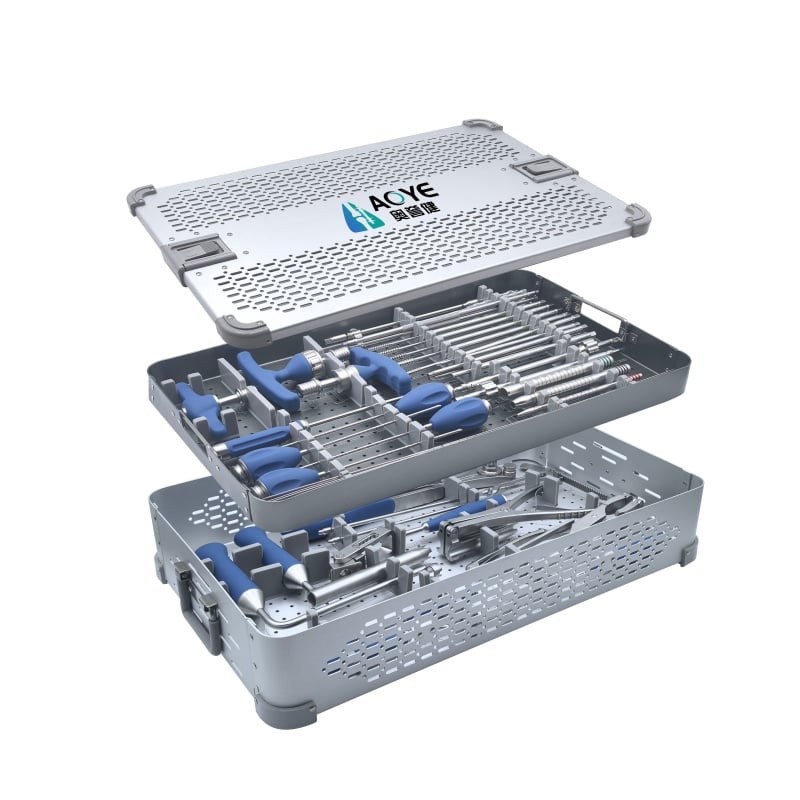
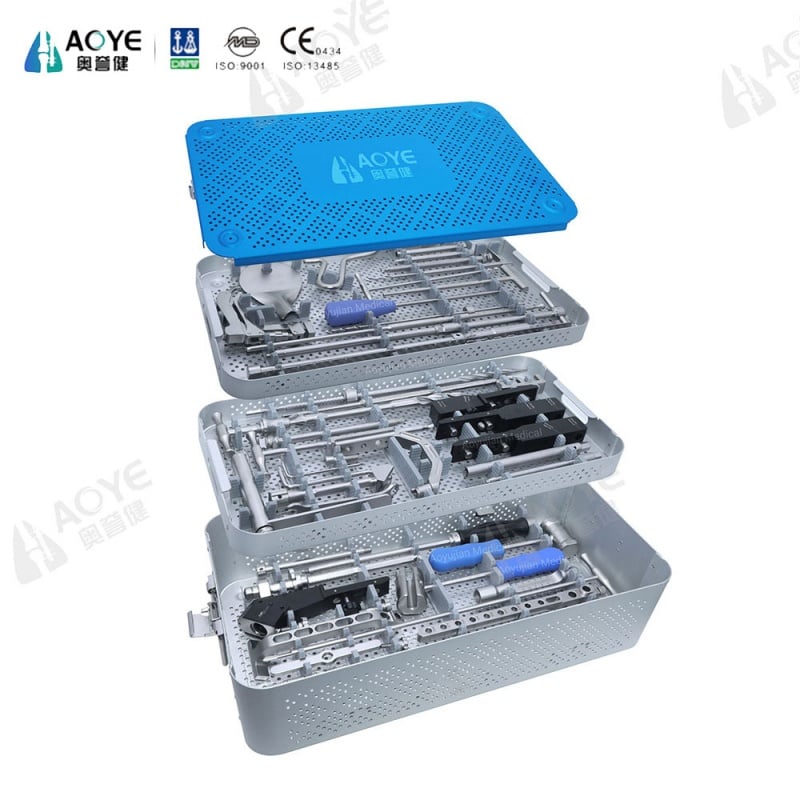
Understanding the complexities of orthopedic medical supplies is crucial for purchasing managers, distributors, and healthcare professionals involved in sourcing these essential products. This article will delve into the critical aspects of orthopedic external fixator, including quality standards, supplier selection, key specifications, material advantages, and effective sourcing strategies. By addressing these factors, readers will gain valuable insights that aid in making informed procurement decisions.
Quality standards are the backbone of Aoye orthopedic medical supplies, ensuring they meet safety and efficacy requirements. Key certifications such as ISO 13485 and CE mark demonstrate compliance with international quality management systems. Buyers should prioritize suppliers that adhere to these standards, as they indicate a commitment to quality control and product reliability.
Furthermore, it’s essential to understand the specific standards applicable to orthopedic implants and instruments, which may vary by region or application. For instance, products intended for trauma may have different testing requirements compared to those used in sports medicine. Buyers should insist on documentation that verifies compliance with these standards, as it can significantly impact patient outcomes.
Selecting a trustworthy supplier for orthopedic medical supplies requires a thorough evaluation. Start with researching the supplier’s reputation in the industry. Look for manufacturers with a proven track record in quality and reliability, especially those that have successfully served multiple countries, as Aoyujian Medical has done across 45 nations.
Additionally, assess the supplier’s capabilities in terms of production capacity, lead times, and customization options. These factors are vital for meeting specific project requirements. Engaging in discussions about their quality control processes is also critical—understanding how they conduct inspections and testing can reveal their commitment to maintaining high standards.
Lastly, consider the supplier’s customer service and support. A reliable supplier will be responsive to inquiries and provide clear communication throughout the purchasing process.
When evaluating Aoye orthopedic medical supplies, several key specifications should be considered:
Material Composition: The choice of materials can affect biocompatibility and mechanical properties. For example, titanium and stainless steel are commonly used for their strength and corrosion resistance, while biodegradable polymers may be preferred for temporary implants.
Dimensions and Tolerances: Accurate dimensions are critical for proper fit and function. Buyers should confirm tolerances that align with their application requirements, as even slight deviations can lead to complications during surgery.
Performance Characteristics: Understand the load-bearing requirements and fatigue resistance of the products. This is particularly important for implants that will be subjected to stress in dynamic environments.
Packaging and Sterilization: Ensure that the packaging meets regulatory requirements for sterility and safety during shipping and storage. The method of sterilization, whether via ethylene oxide, steam, or radiation, should be compatible with the product’s material.
Buyers should always request detailed specifications and, if possible, samples to verify that products meet their precise needs before placing bulk orders.
The choice of materials in orthopedic medical supplies significantly influences their performance and compatibility with the human body.
Titanium: Known for its high strength-to-weight ratio and corrosion resistance, titanium is widely used in orthopedic instrument implants and instruments. It is also biocompatible, making it suitable for long-term implantation.
Stainless Steel: Another popular choice due to its durability and resistance to corrosion, stainless steel is often used for surgical instruments. However, its weight may be a consideration for specific applications.
Biodegradable Polymers: These materials are gaining popularity for temporary implants, as they gradually dissolve in the body, reducing the need for a second surgery. Their selection should be based on the expected degradation rates and mechanical properties required for the application.
Understanding the advantages and limitations of these materials helps buyers make informed decisions tailored to their specific applications. Consulting with suppliers about material performance and testing data can further refine the selection process.
Developing effective sourcing strategies for wholesale Aoye orthopedic products involves several key actions:
Market Research: Begin with comprehensive market research to identify potential suppliers, focusing on those with certifications and a strong reputation in the industry. Platforms like trade shows and online industry directories can be useful for discovering new partnerships.
Request for Quotation (RFQ): When preparing an RFQ, provide detailed information regarding product specifications, quantities, and application requirements. This will help suppliers give accurate quotes and lead time estimates.
Sample Evaluation: Before committing to large orders, request samples to evaluate quality and performance. Testing samples under actual operating conditions can reveal potential issues that may not be apparent through documentation alone.
Negotiation and Terms: Negotiate favorable terms, including pricing, minimum order quantities (MOQ), and lead times. It’s essential to address these factors early in the process to avoid complications later.
Long-Term Relationships: Foster long-term relationships with reliable suppliers. This not only ensures consistency in product quality but can also lead to better pricing and support over time.
By implementing these strategies, buyers can streamline their sourcing processes and ensure they are acquiring high-quality bone saw orthopedic that meet their specific needs.
Aoyujian Medical Technology provides trusted orthopedic solutions, high-quality implants, OEM/ODM services, and global shipping for hospitals & distributors.
No. 2 Changting Road, Gehu Farm, Wujin Economic Development Zone, Changzhou, Jiangsu, China
Copyright © Aoyujian Medical Technology (Changzhou) Co., Ltd. All Rights Reserved - Privacy Policy - Blog
 EN