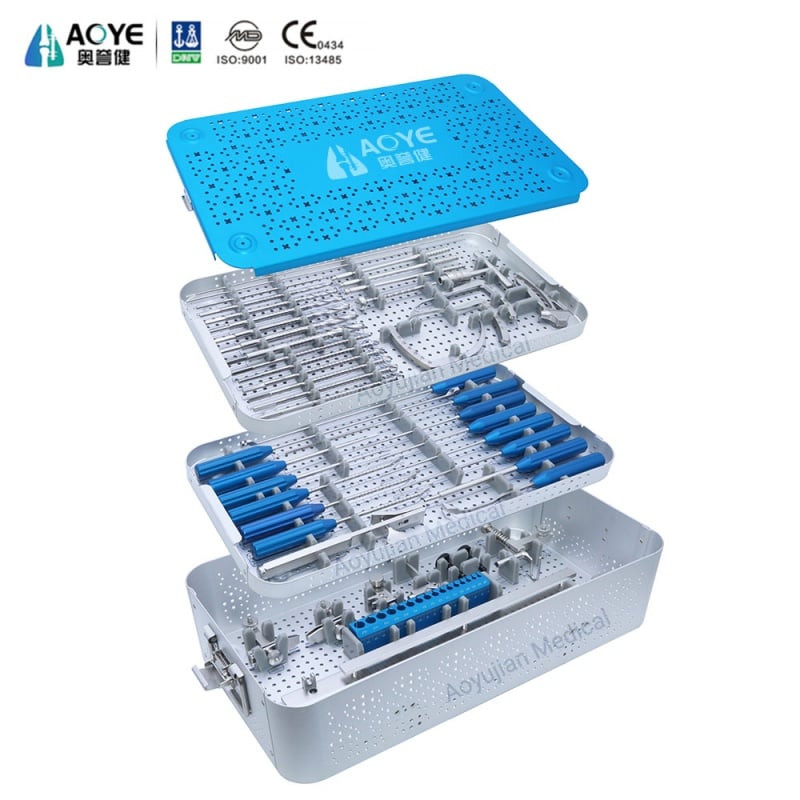
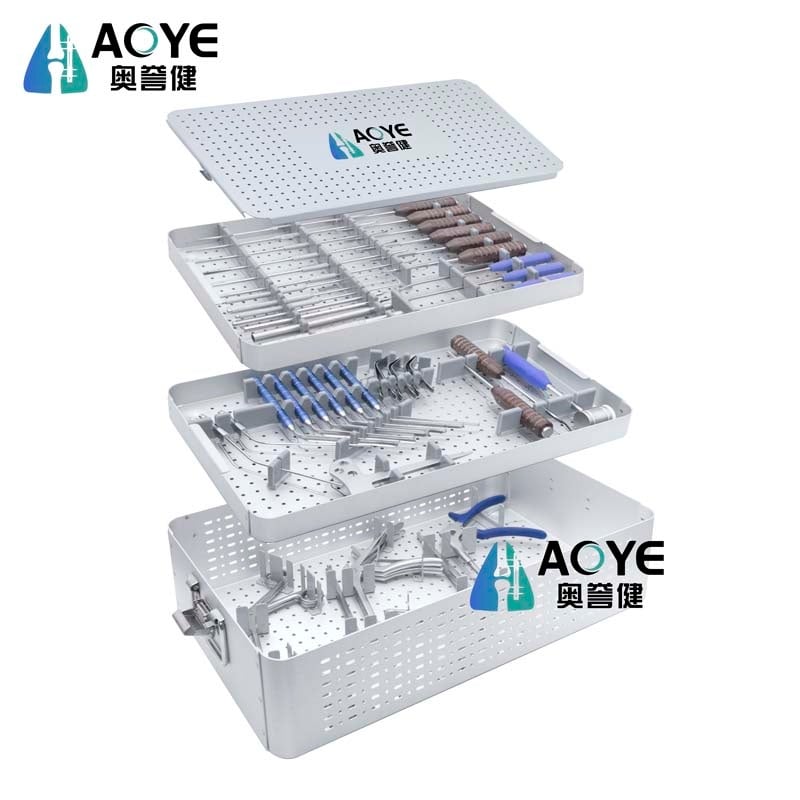
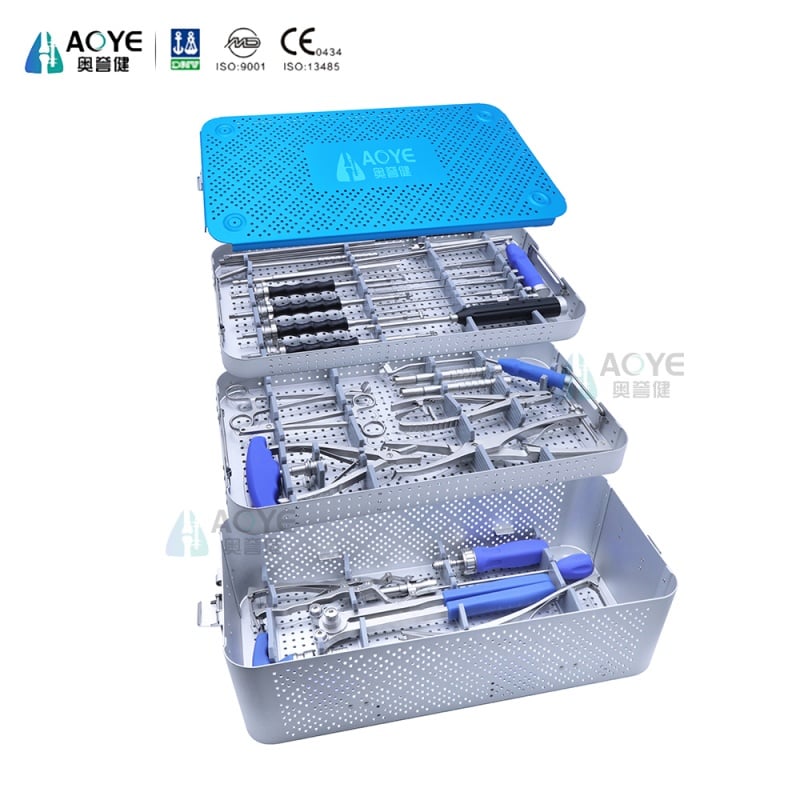
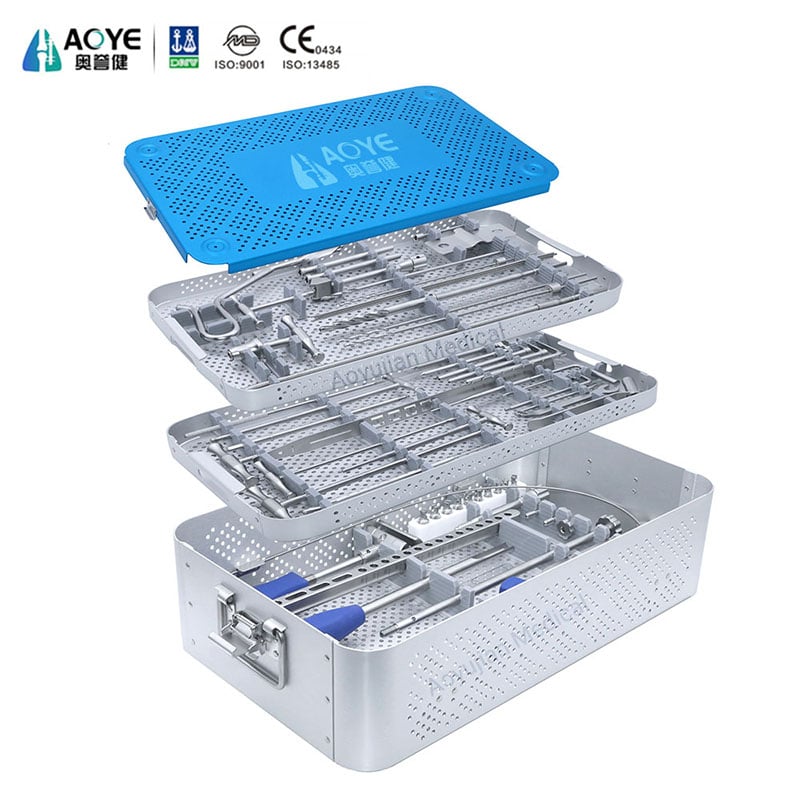
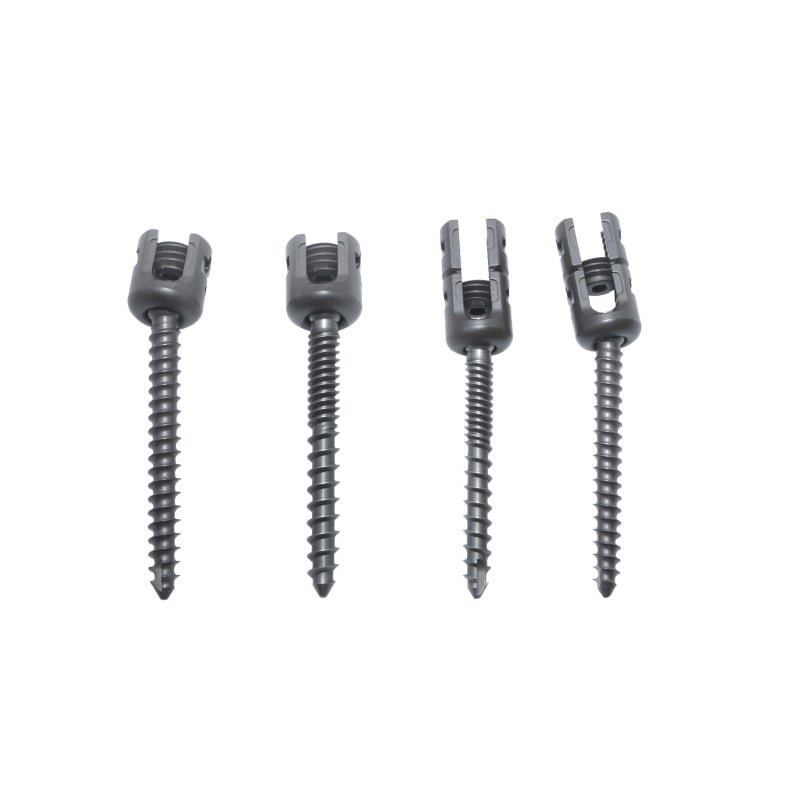
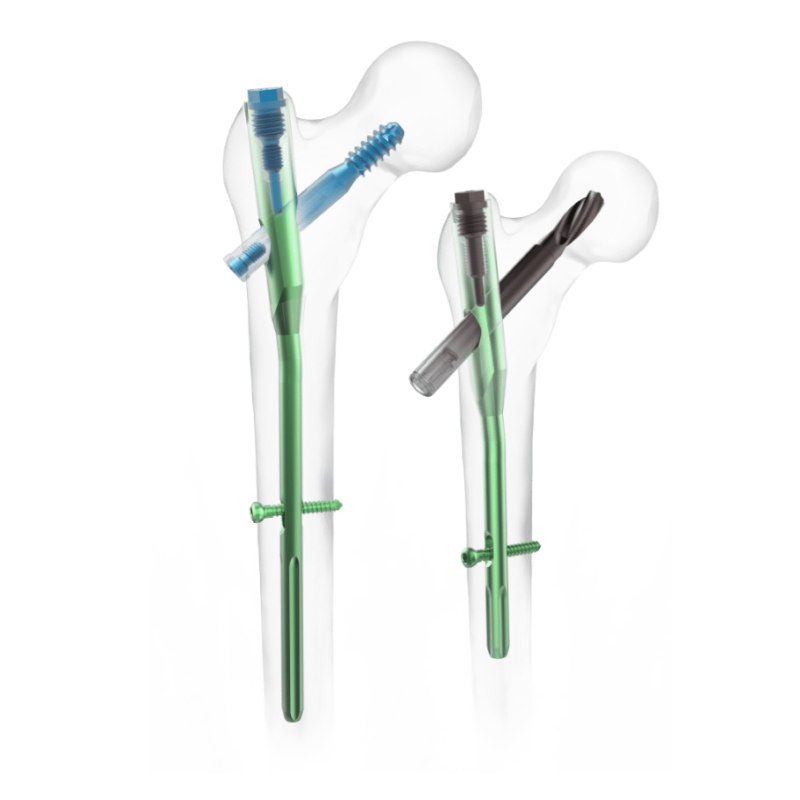
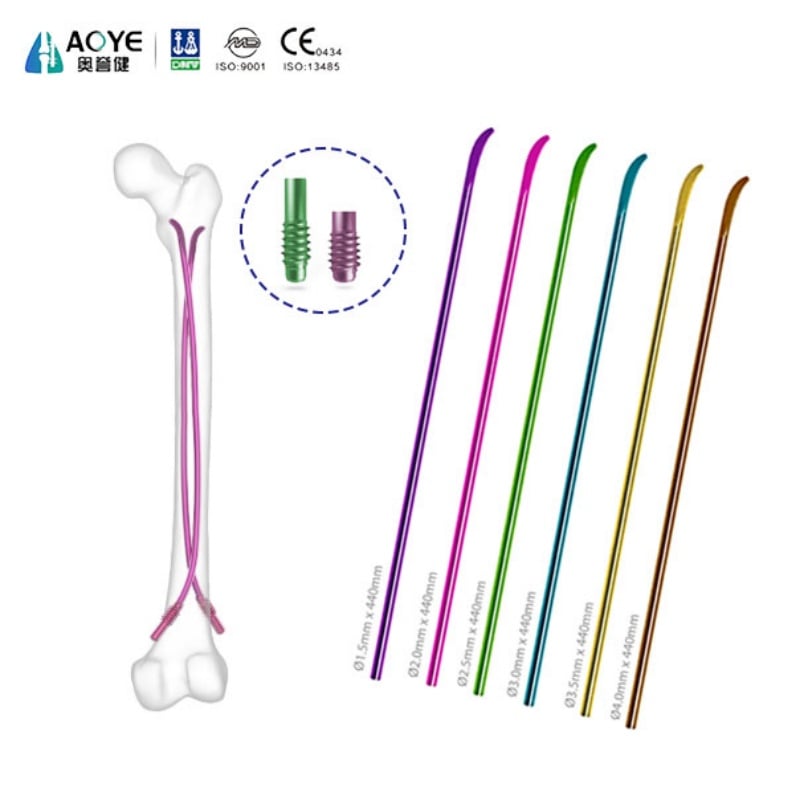
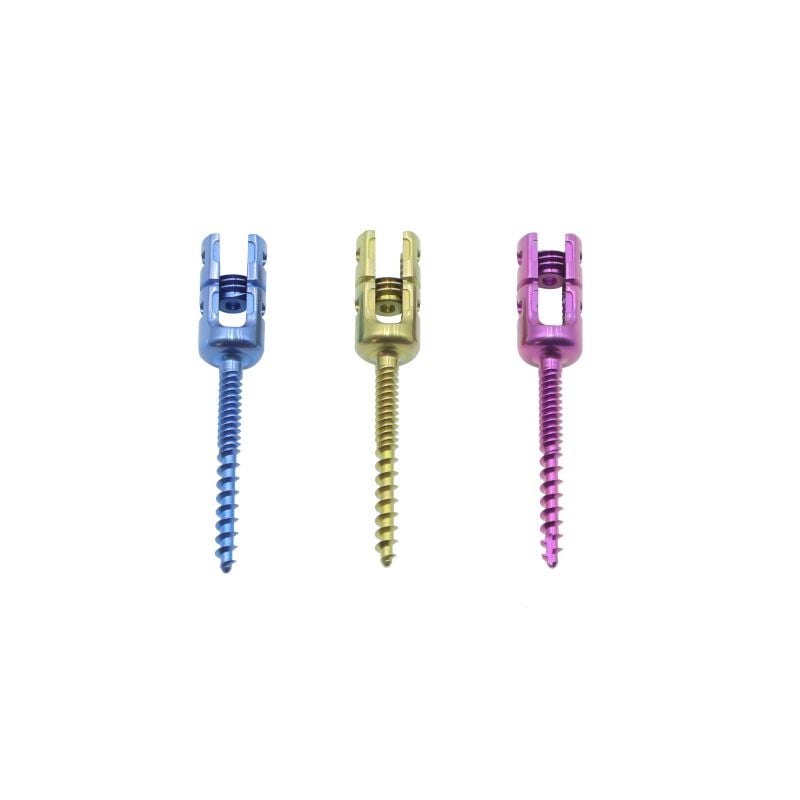
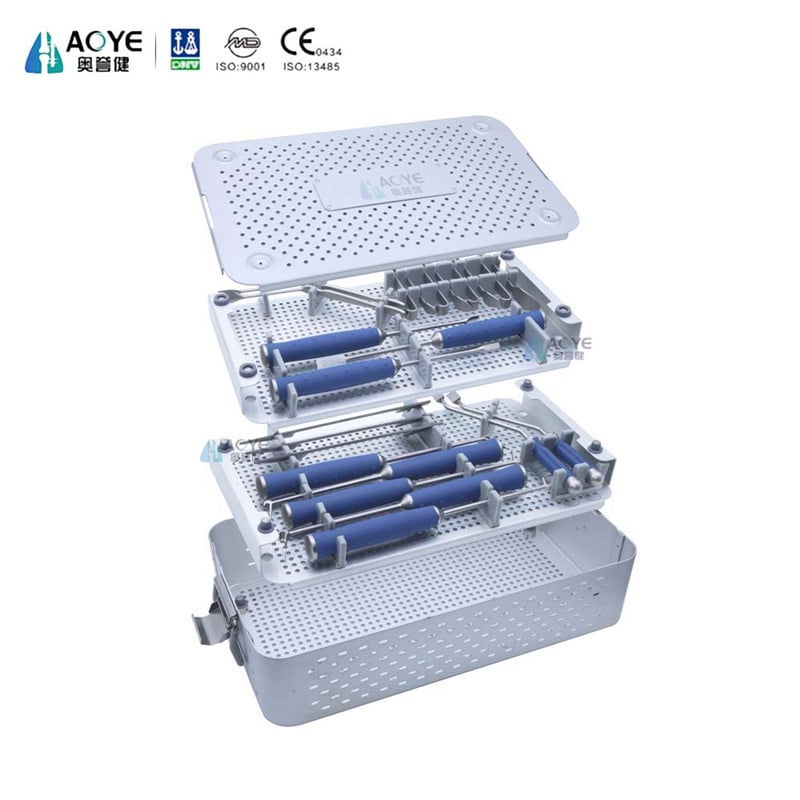
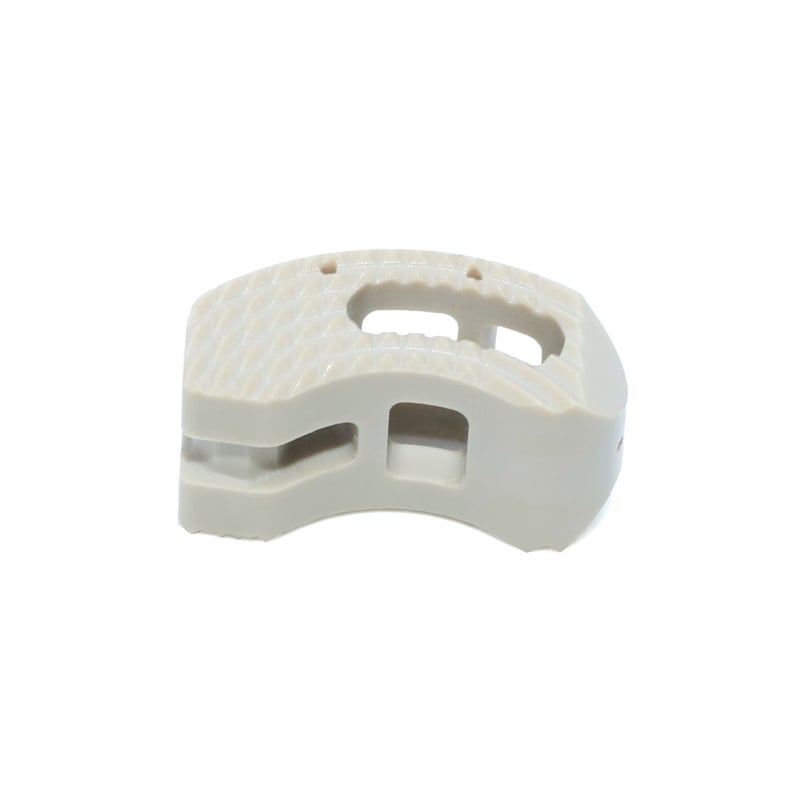
Understanding pcl tear surgery and the necessary orthopedic implants is crucial for medical professionals and purchasing managers in the healthcare sector. As a manufacturer specializing in orthopedic implants and instruments, Aoyujian Medical provides valuable insight into what buyers need to consider when sourcing products for acl pcl instrument set. This article will explore key considerations, specifications to evaluate, and provide a buyer's guide to help you make informed decisions.
When sourcing implants for PCL tear surgery, buyers should consider several factors that directly impact the effectiveness of the surgical outcome. First and foremost, the compatibility of the implant with existing surgical protocols and techniques is critical. Ensuring that the acl pcl surgery implant is designed for the specific anatomical and functional needs of the knee joint is paramount.
Additionally, the supplier's reputation and quality certifications, such as ISO13485 and CE, are essential indicators of reliability and compliance with international standards. Buyers should also assess the supplier's production capabilities and experience in the orthopedic field, as this can influence the consistency and quality of the products supplied.
Finally, understanding the lead time and minimum order quantities (MOQ) is vital for planning and inventory management. Buyers should inquire about the supplier's ability to meet urgent requests and their flexibility concerning order sizes.
Choosing quality implants for PCL tear surgery involves evaluating several key specifications and material properties. The materials used, such as titanium or cobalt-chromium alloys, should offer a balance of strength, biocompatibility, and corrosion resistance. These properties are essential to ensure the implant can withstand the mechanical loads during healing without causing adverse reactions in the body.
Another consideration is the dimensions of the implant, including length, width, and thickness. These metrics must match the anatomical requirements for optimal fit and function. It is advisable to review detailed product data sheets and consult with the manufacturer regarding the appropriateness of each specification for specific surgical scenarios.
Additionally, evaluating the manufacturing process is important. Advanced technologies like 3D printing or precision machining can enhance the quality and customization of implants. Buyers should also consider the surface treatments applied, as these can affect the implant's integration with bone and overall performance.
In the context of PCL tear surgery, it is vital to understand the surgical environment and the expected performance of the implants. Factors such as the normal range of motion, load-bearing characteristics, and the healing process influence the implant selection.
Additionally, buyers should be aware of the common challenges faced during implantation, such as alignment issues or complications arising from improper sizing. Having a clear understanding of these factors will help buyers make informed decisions and choose implants that will provide reliable outcomes.
It is also beneficial to stay updated on the latest advancements in orthopedic technology, as innovation can lead to improved implant designs that enhance surgical success rates. Regular communication with suppliers can facilitate access to cutting-edge products that meet evolving clinical demands.
When assessing PCL tear surgery products, several specifications should be closely examined:
Material Composition: Ensure the material used is biocompatible and suitable for long-term implantation. Common materials include titanium and polyethylene.
Dimensions and Sizing: Confirm the exact dimensions of the implant. This includes length, width, and thickness, which are critical for ensuring adequate fit and function.
Load-Bearing Capacity: Evaluate the implant's ability to withstand physiological loads encountered during normal knee function.
Surface Finish: The surface treatment affects osseointegration and overall performance. Options may include roughened or coated surfaces to enhance bone attachment.
Sterilization Method: Ensure the method of sterilization aligns with your facility's protocols, as this is vital for patient safety.
Regulatory Compliance: Verify that the implants meet all necessary regulatory requirements, including CE marking and ISO certifications.
By carefully reviewing these specifications, buyers can ensure that the implants selected are not only of high quality but also suitable for their specific surgical applications.
Here’s a comprehensive guide for buyers preparing to source implants for PCL tear surgery:
Define Requirements: Clearly outline the specifications needed based on the intended surgical procedure, including sizes, materials, and anticipated load conditions.
Request Product Data: Ask for detailed product information, including technical specifications, performance data, and any relevant clinical studies that demonstrate the implant's efficacy.
Check Supplier Credentials: Verify the manufacturer's certifications and production capabilities. Look for experience in orthopedic manufacturing and a strong track record in quality assurance.
Inquire About Customization: If your facility has specific needs, discuss customization options with the supplier. Many manufacturers can adjust designs or materials based on unique requirements.
Review Packaging and Shipping: Understand how the products will be packaged and shipped. Proper packaging is crucial for maintaining sterility and preventing damage during transit.
Evaluate Cost Factors: Discuss pricing structures, including bulk order discounts and payment terms. Consider not only the unit cost but also shipping and potential import duties.
Plan for Quality Control: Establish a quality control process for incoming products, including sampling and inspection protocols. This helps ensure that the products meet the expected standards before use.
By following this guide, buyers can navigate the complexities of sourcing implants for pcl retractor tear surgery effectively, ensuring that they select products that will contribute positively to patient outcomes.
Choosing the right implants and instruments requires careful consideration and due diligence. Aoyujian Medical, as a certified manufacturer of orthopedic implants, stands ready to support your needs with reliable products tailored to the demands of PCL tear surgeries.
Aoyujian Medical Technology provides trusted orthopedic solutions, high-quality implants, OEM/ODM services, and global shipping for hospitals & distributors.
No. 2 Changting Road, Gehu Farm, Wujin Economic Development Zone, Changzhou, Jiangsu, China
Copyright © Aoyujian Medical Technology (Changzhou) Co., Ltd. All Rights Reserved - Privacy Policy - Blog
 EN