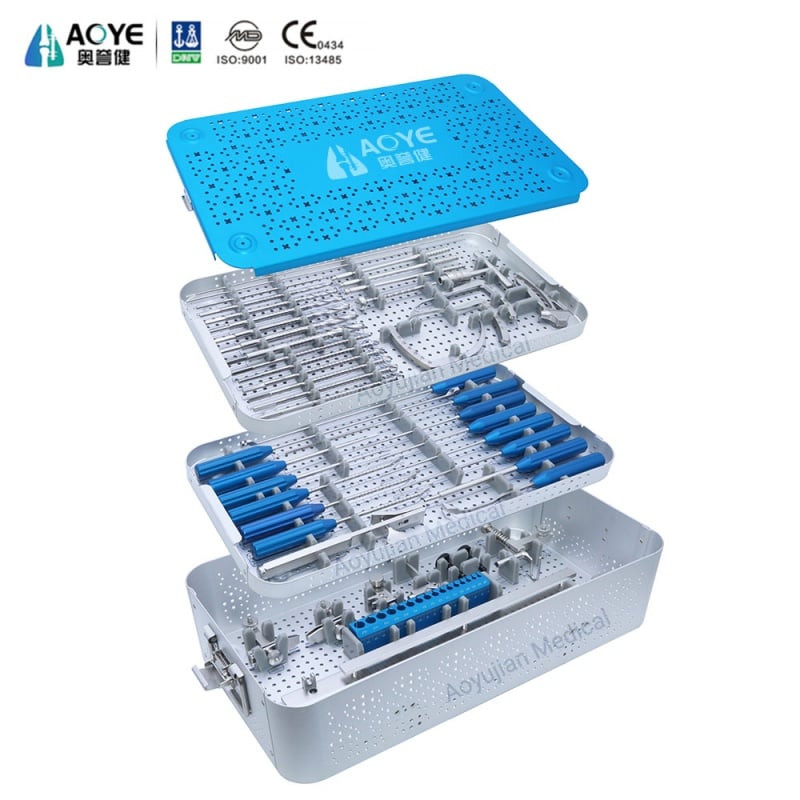
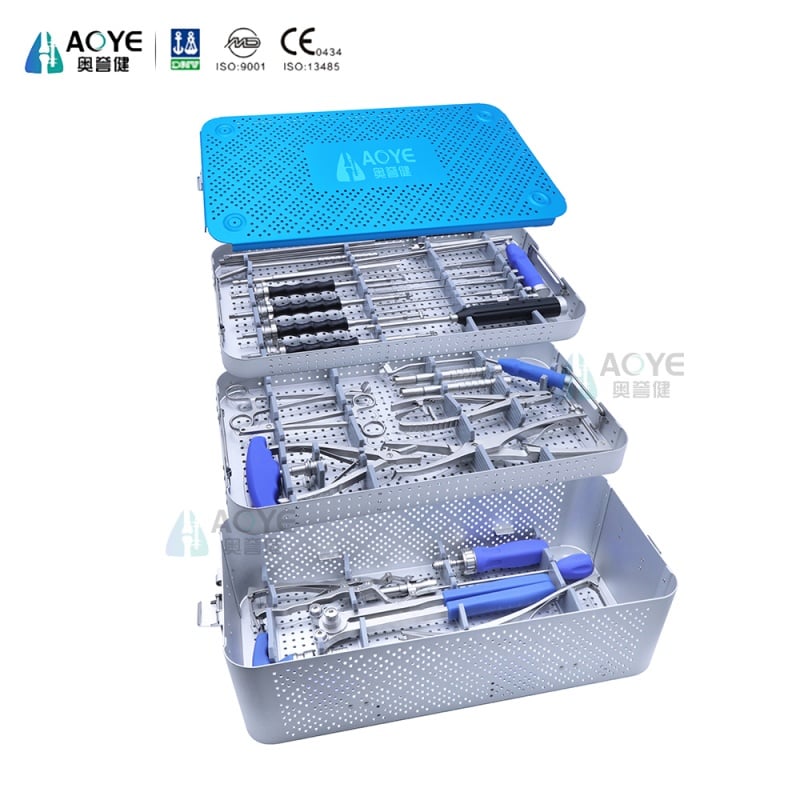
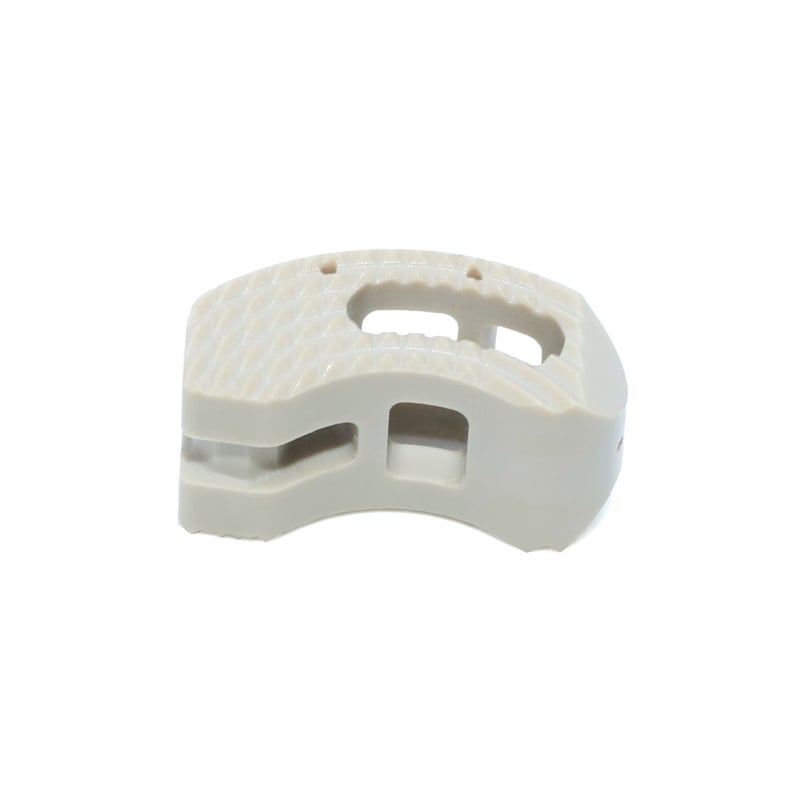
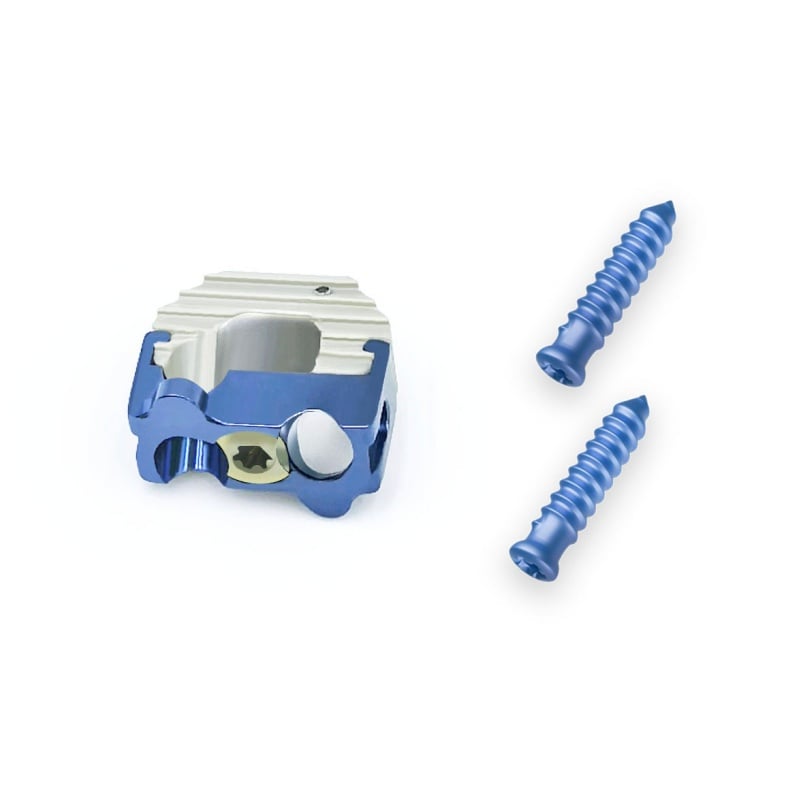
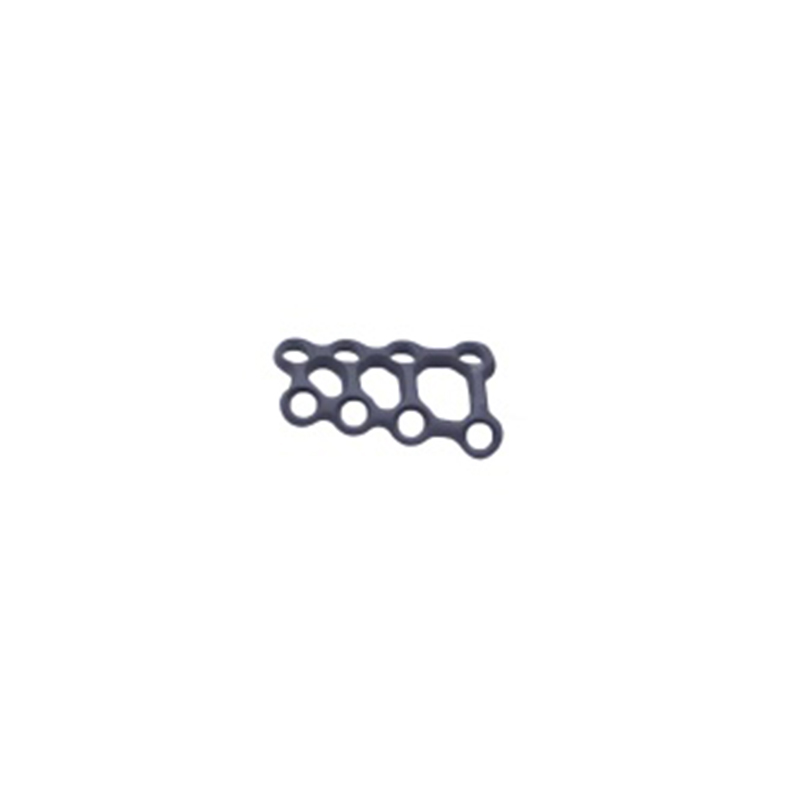
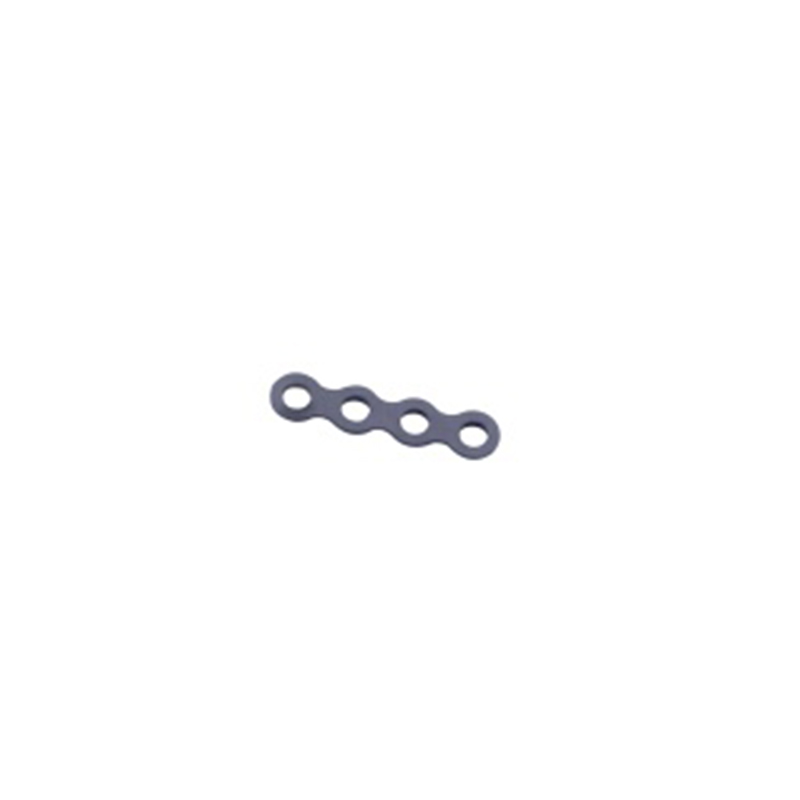
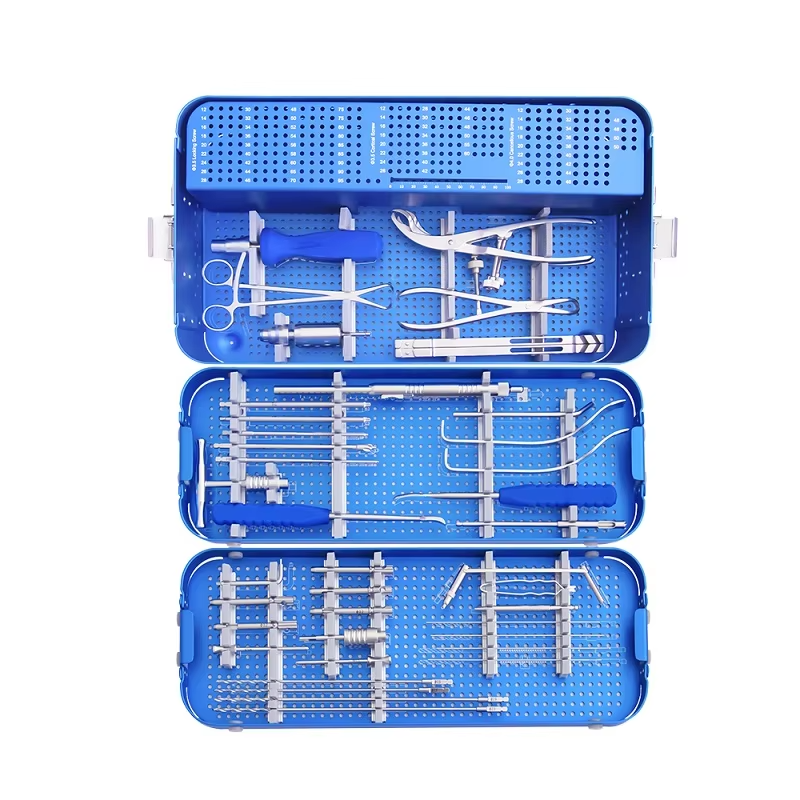
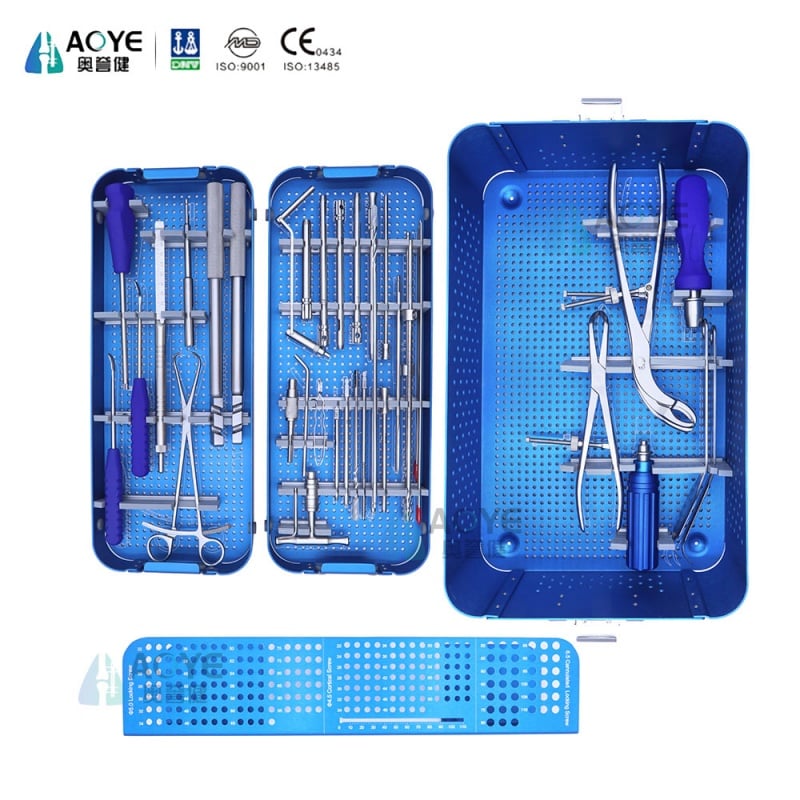
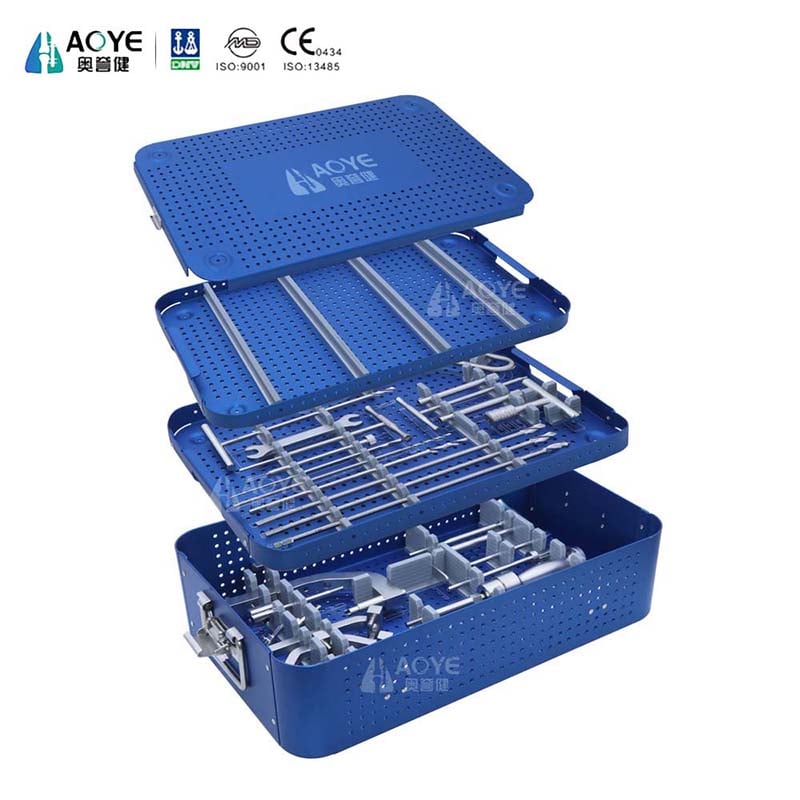
Stand alone cage cervical devices are essential components in spinal surgeries, designed to provide stability and support to the cervical spine after discectomy or spinal fusion procedures. With an increasing demand for effective orthopedic solutions, understanding the nuances of selecting the right Aoye cervical cage is crucial for purchasing managers and medical professionals. This article will address key considerations, specifications, installation guidance, sourcing reliable suppliers, and applications to assist buyers in making informed decisions.
When selecting a stand alone cage cervical, buyers should consider several factors that directly influence the effectiveness and safety of the device. Key considerations include the material, design, and dimensions of the cage.
Material Selection: Aoye cervical cage fusion are made from biocompatible materials, such as titanium or PEEK (polyether ether ketone). Titanium offers high strength and radiolucency, while PEEK provides excellent chemical resistance and promotes bone integration. Understanding the specific application will help determine which material is most suitable.
Design Features: Different designs cater to varying surgical techniques and patient needs. For example, some cages feature porous structures to enhance bone ingrowth, while others may have specific shapes to optimize lordotic angles for better alignment.
Dimensions: The size of the Aoye cervical instrument set align with the patient's anatomy and the surgical requirements. This includes height, width, and length, which can affect the overall stability and success of the fusion process. Buyers should consult with their surgical teams to ensure the chosen dimensions meet their specific project needs.
Buyers must pay close attention to the technical specifications of stand alone cage cervical devices. Key specifications include:
Load-Bearing Capacity: This indicates how much weight the cage can support during and after the surgical procedure. A cage that cannot handle required loads may lead to device failure or complications.
Porosity and Surface Treatment: The porosity of the cage affects bone integration. A higher porosity typically facilitates better bone ingrowth. Additionally, surface treatments can enhance biocompatibility and reduce the risk of infection.
Radiolucency: This property allows for clear imaging post-surgery, enabling physicians to monitor the healing process without interference from the implant.
Sterilization Method: Understanding the sterilization method used in manufacturing is crucial for ensuring safety during surgical procedures.
Regulatory Compliance: Make sure the product complies with relevant medical device regulations, such as ISO 13485 and CE marking, ensuring quality and safety standards.
These specifications can significantly impact the performance of the stand alone cage cervical, and buyers should confirm these details with their suppliers.
Proper installation of stand alone cage cervical devices is critical for surgical success. Here are some considerations:
Surgical Technique: The installation approach can vary based on the specific surgical technique used (anterior vs. posterior). Surgeons should be familiar with the appropriate methods for each procedure.
Pre-Operative Planning: Adequate pre-operative imaging and planning are essential. This includes using X-rays or MRI scans to evaluate the patient's anatomy and determine the optimal cage size and placement.
Intra-Operative Checks: During surgery, it is vital to ensure that the cage is correctly positioned to maintain cervical alignment and provide the required support. Surgeons should verify that the cage fits snugly without impingement on adjacent structures.
Post-Operative Monitoring: Following installation, continuous monitoring is necessary to assess the success of the implant and the healing process. Regular assessments can help identify any complications early.
When sourcing stand alone cage cervical devices, buyers should prioritize reliability and quality. Here are steps to find trustworthy suppliers:
Industry Reputation: Research manufacturers with a strong reputation in the orthopedic field. Companies like Aoyujian Medical, an ISO 13485/CE certified manufacturer, have a proven track record in producing high-quality orthopedic implants.
Certifications and Compliance: Ensure that potential suppliers comply with international standards for medical devices. This includes checking for ISO certifications and CE markings that indicate compliance with safety and quality regulations.
Technical Support and Customization: Evaluate suppliers based on their commitment to customer service and technical support. Reliable manufacturers should offer customization options to meet specific project needs and provide guidance on product selection.
References and Case Studies: Seek references from other healthcare providers who have successfully implemented the supplier’s products. Case studies can provide insights into product performance and reliability in real-world applications.
Stand alone cage cervical devices are primarily utilized in various orthopedic procedures aimed at stabilizing the cervical spine. Common applications include:
Cervical Discectomy: After the removal of a herniated or degenerated disc, a stand alone cage can be used to maintain spacing and support spinal alignment.
Cervical Fusion: For patients undergoing spinal fusion, a stand alone cage is instrumental in promoting bone growth between vertebrae, leading to long-term stability.
Revision Surgeries: In cases where previous surgeries have failed, these cages can be used to provide additional support and stability, thereby enhancing the chances of a successful outcome.
In all these applications, the correct selection and installation of the stand alone cage cervical are critical for achieving optimal surgical results and enhancing the recovery experience for patients.
Aoyujian Medical Technology provides trusted orthopedic solutions, high-quality implants, OEM/ODM services, and global shipping for hospitals & distributors.
No. 2 Changting Road, Gehu Farm, Wujin Economic Development Zone, Changzhou, Jiangsu, China
Copyright © Aoyujian Medical Technology (Changzhou) Co., Ltd. All Rights Reserved - Privacy Policy - Blog
 EN