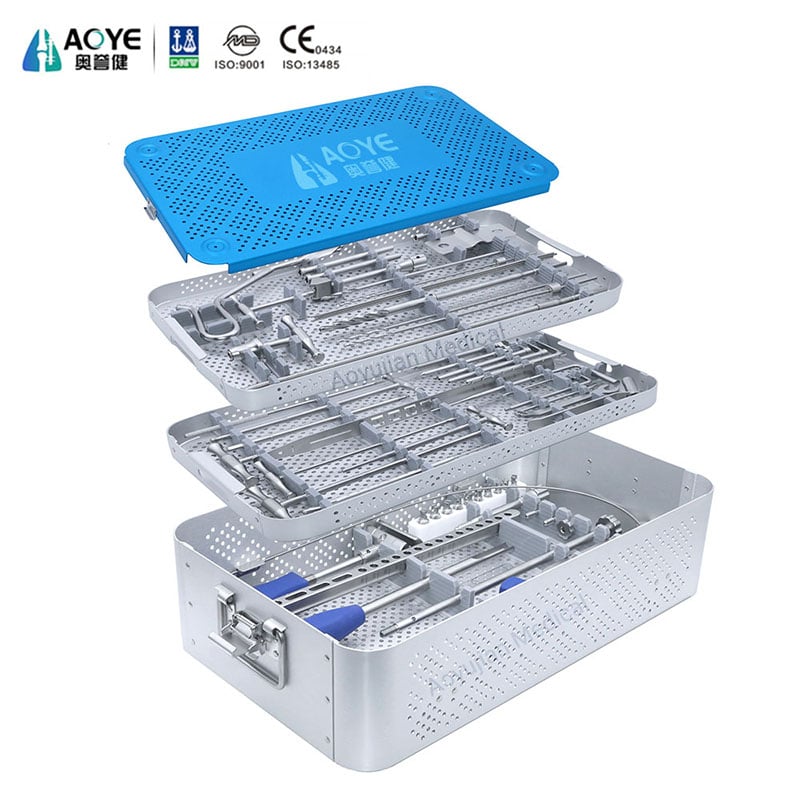
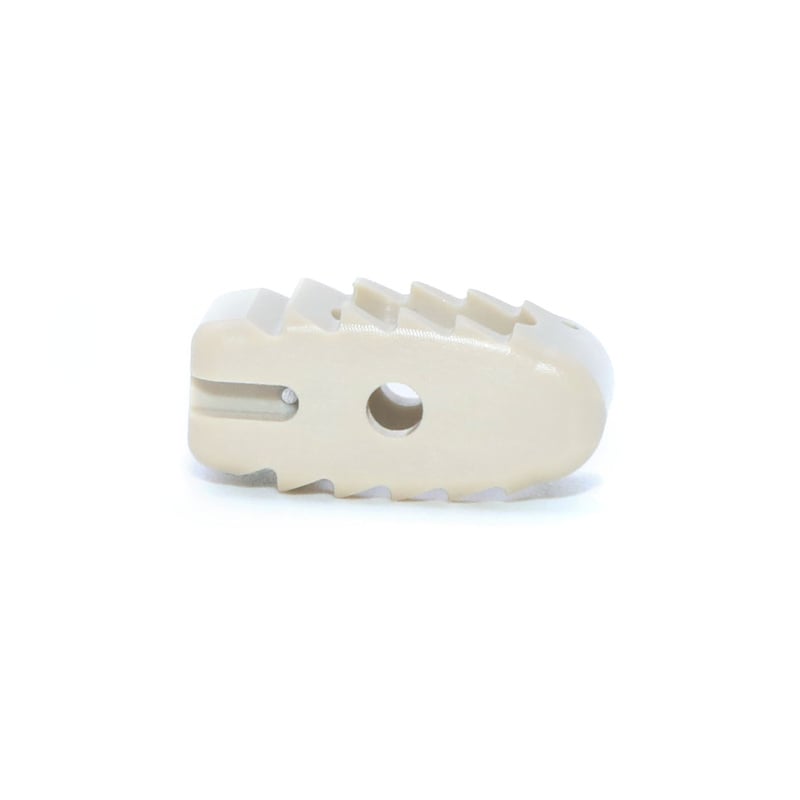
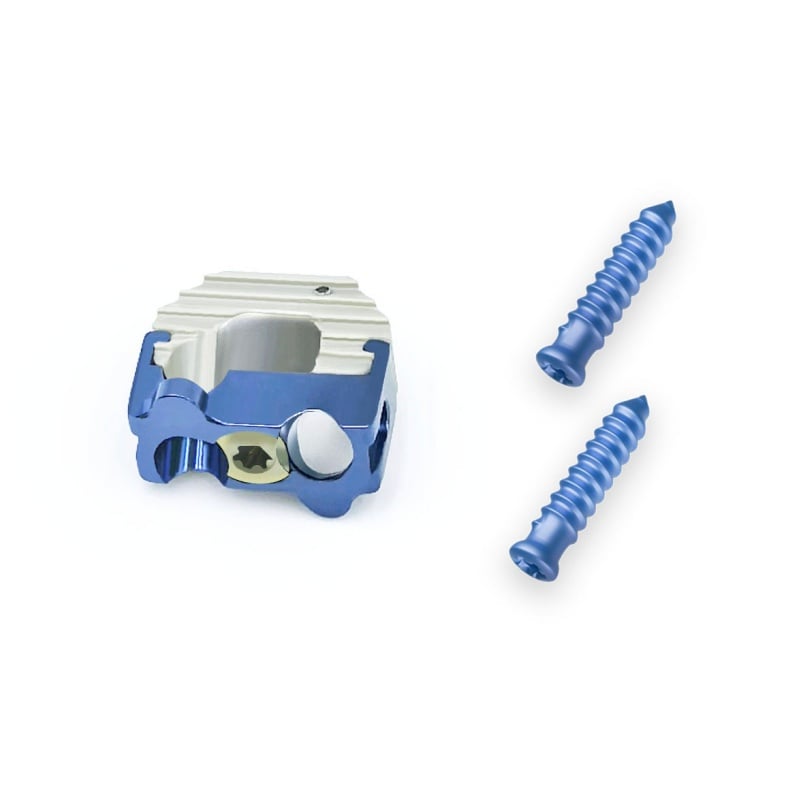
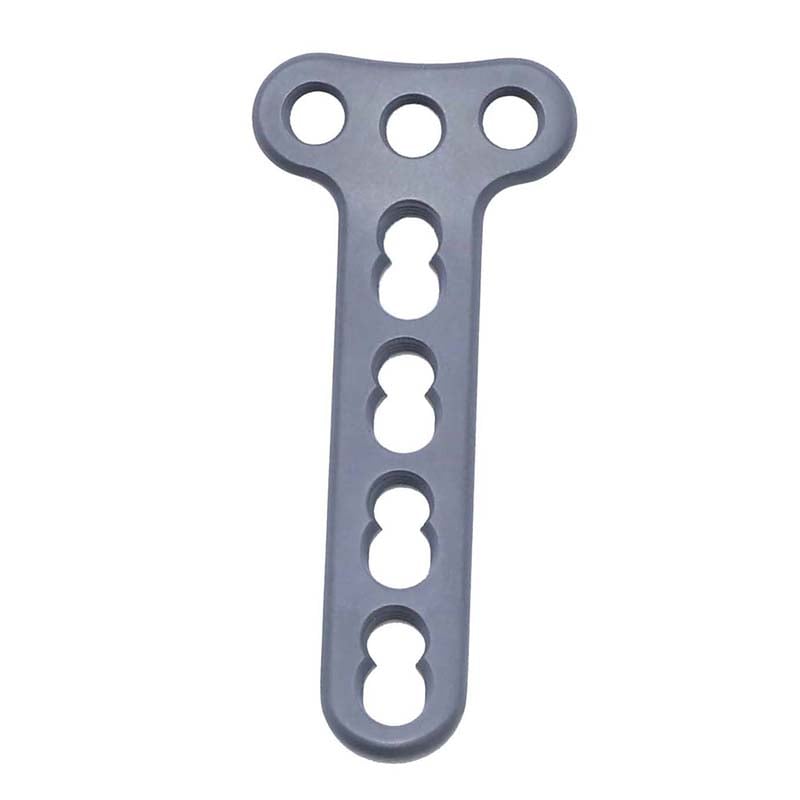
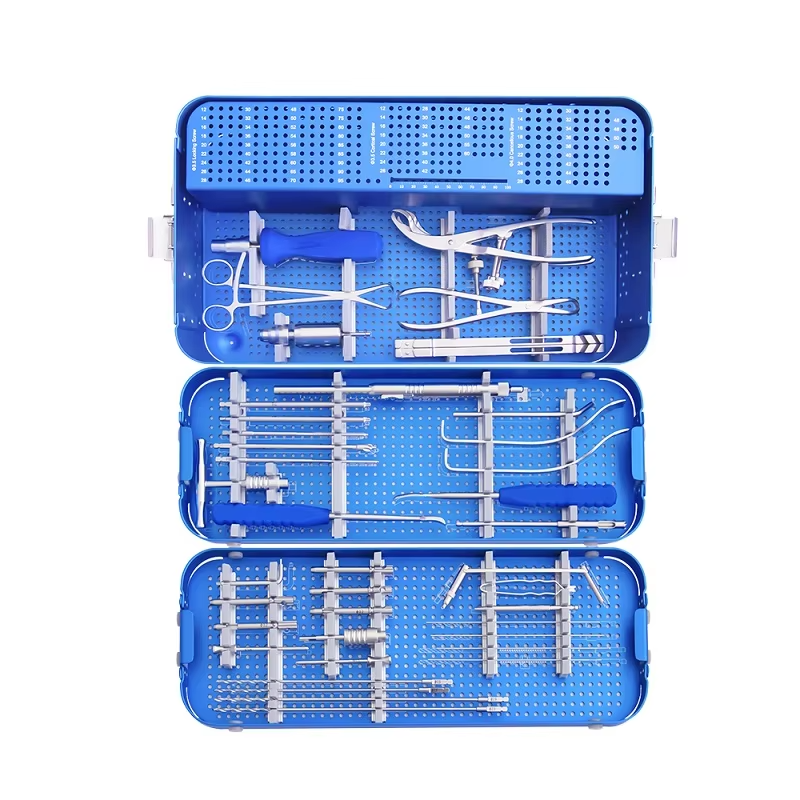
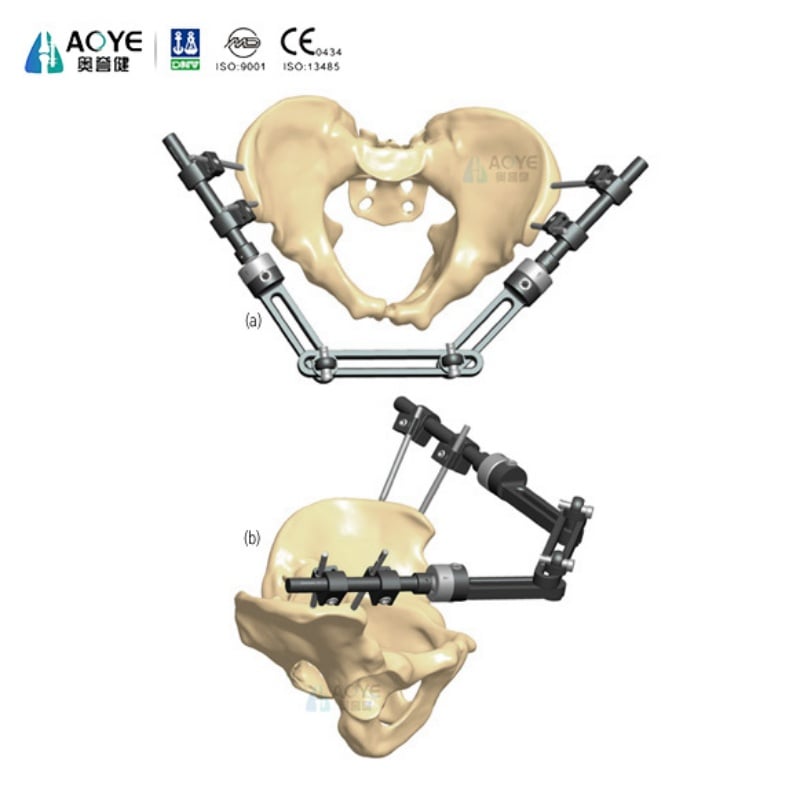
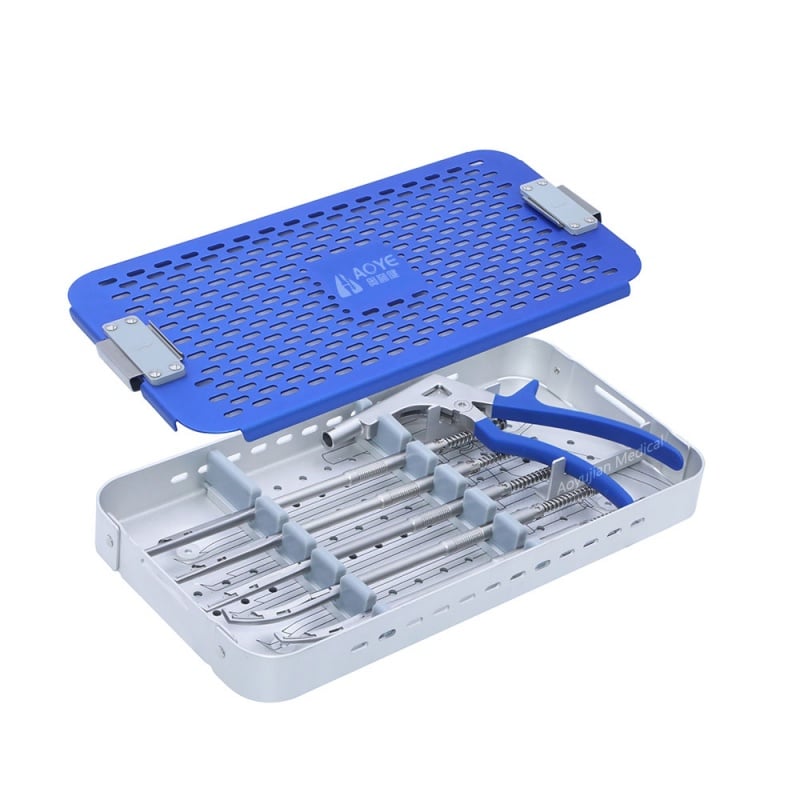
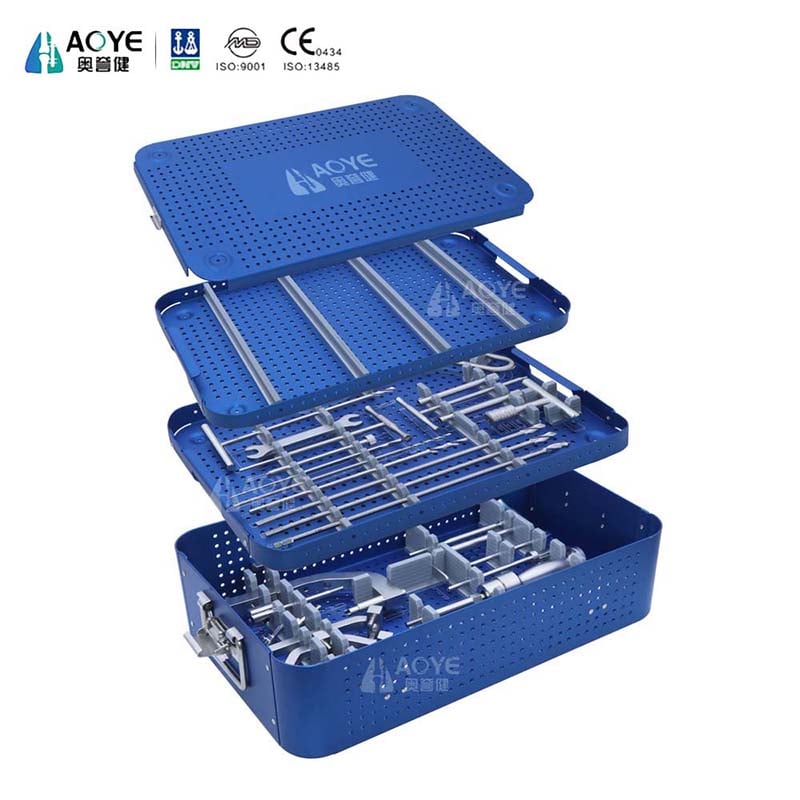
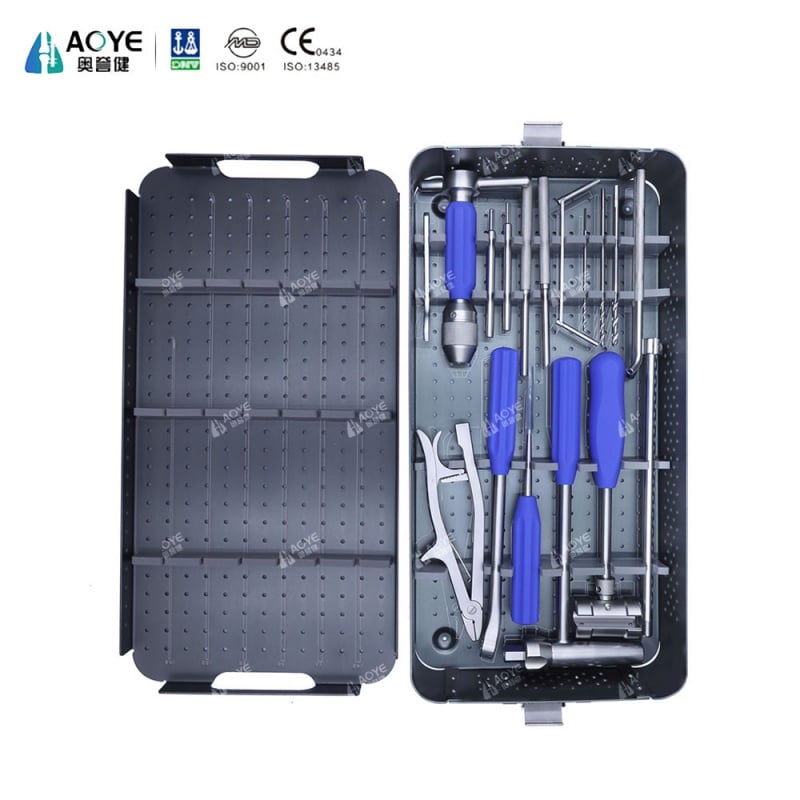
Surgery titanium plates are critical components in orthopedic procedures, providing stability and support for bone fractures and deformities. As a B2B buyer, understanding the specifications, sourcing options, and installation challenges of these orthopedic implants plates is essential for making informed purchasing decisions. This article will guide you through where to find reliable suppliers, key product specifications, common installation challenges, cost factors, and provide a comprehensive buyer's guide.
When looking to source surgery titanium plates, it is vital to partner with manufacturers who have a proven track record in quality and compliance. Aoyujian Medical, for instance, is ISO13485 and CE certified, ensuring that their orthopedic implants meet rigorous international quality standards.
To identify reliable suppliers, consider the following factors:
Certifications: Look for suppliers that carry relevant certifications, such as ISO13485, which indicates they adhere to quality management systems.
Experience and Reputation: Research suppliers with experience in the orthopedic industry, ideally those who serve multiple international markets, ensuring they understand diverse regulatory requirements.
Product Range: Evaluate the supplier's range of titanium plates, ensuring they offer various sizes and specifications to meet your specific application needs.
Customer Support: Choose suppliers who offer excellent customer service and are responsive to inquiries, ensuring smooth communication throughout the purchasing process.
Understanding the key specifications of surgery titanium plates is crucial for ensuring that the selected products meet your requirements. Here are several critical specifications to consider:
Material Composition: Titanium plates are typically made from titanium alloy (such as Ti-6Al-4V) due to its strength, lightweight nature, and biocompatibility. The right alloy choice is vital for achieving the necessary mechanical properties for specific applications.
Dimensions: The thickness and dimensions of the plates must align with the intended use. Thickness can impact the strength and rigidity, while dimensions should match the anatomical requirements for optimal fit and performance.
Surface Treatment: The surface finish of titanium plates can affect osseointegration. Options may include anodizing or coating to enhance biocompatibility and reduce friction during implantation.
Load-Bearing Capacity: Assess the load-bearing capabilities of the plates to ensure they can support the intended weight and stress in surgical applications.
Customization Options: Many manufacturers, including Aoyujian Medical, offer customization capabilities to tailor plates to specific patient needs or surgical requirements, which can be critical for complex cases.
Installing surgery titanium plates can present several challenges. Recognizing these issues and their solutions can streamline the surgical process:
Alignment Issues: Proper alignment of the plates with the bone is essential for stability. Surgeons should use guides or templates to ensure accurate positioning during surgery.
Screw Placement: Incorrect screw placement can lead to inadequate fixation or damage to surrounding tissues. Utilizing fluoroscopy during surgery can help in verifying proper screw placement in real-time.
Material Compatibility: Ensure the screws used with platinum plate for surgery are also compatible with titanium to avoid galvanic corrosion. Always source screws from the same manufacturer when possible for consistent material properties.
Post-operative Complications: Infection or plate failure can occur if the installation is not executed correctly. Surgeons must follow best practices for sterile techniques and post-operative care to mitigate these risks.
The cost of surgery titanium plates can vary significantly based on several factors. Understanding these can assist in budgeting and negotiations:
Material Costs: Titanium alloys are more expensive than many alternatives due to their high strength-to-weight ratio and biocompatibility features. Prices can fluctuate based on raw material availability.
Manufacturing Process: The complexity of the manufacturing process, including machining, surface treatments, and quality inspections, will affect pricing. Customizations typically increase costs, so be clear about your requirements when requesting quotes.
Volume Discounts: Larger orders may qualify for volume discounts. Engaging with suppliers like Aoyujian Medical may offer pricing advantages for bulk purchases.
Shipping and Import Fees: Depending on your location, shipping costs and import duties can significantly influence the total price. Ensure to factor these into your overall budget when sourcing from international suppliers.
When preparing to purchase surgery titanium plates, consider the following steps to ensure you make an informed decision:
Define Your Requirements: Clearly outline your application needs, including specifications such as size, material type, and quantity.
Request Detailed Quotations: When contacting suppliers, provide comprehensive information about your requirements to receive accurate quotations. Include technical drawings if available.
Evaluate Samples: Before finalizing any order, request samples to assess material quality, dimensions, and overall fit for your applications.
Quality Assurance: Inquire about the manufacturer’s quality control processes. Understanding how they ensure the consistency and reliability of their products is crucial for your purchasing decision.
Check References: Ask for references or case studies from previous customers to gauge the manufacturer’s reliability and product performance in real-world applications.
By following these guidelines, B2B buyers can navigate the complexities of sourcing surgery titanium bone plate and screws, ensuring they select the most suitable products for their needs, backed by trusted suppliers like Aoyujian Medical.
Aoyujian Medical Technology provides trusted orthopedic solutions, high-quality implants, OEM/ODM services, and global shipping for hospitals & distributors.
No. 2 Changting Road, Gehu Farm, Wujin Economic Development Zone, Changzhou, Jiangsu, China
Copyright © Aoyujian Medical Technology (Changzhou) Co., Ltd. All Rights Reserved - Privacy Policy - Blog
 EN